
&imwidth=800&imheight=600&format=webp&quality=medium "Ghusl, Kafan, Janazah: The sacred rituals that will mark Ayatollah Ali Khamenei's funeral —and what they mean")
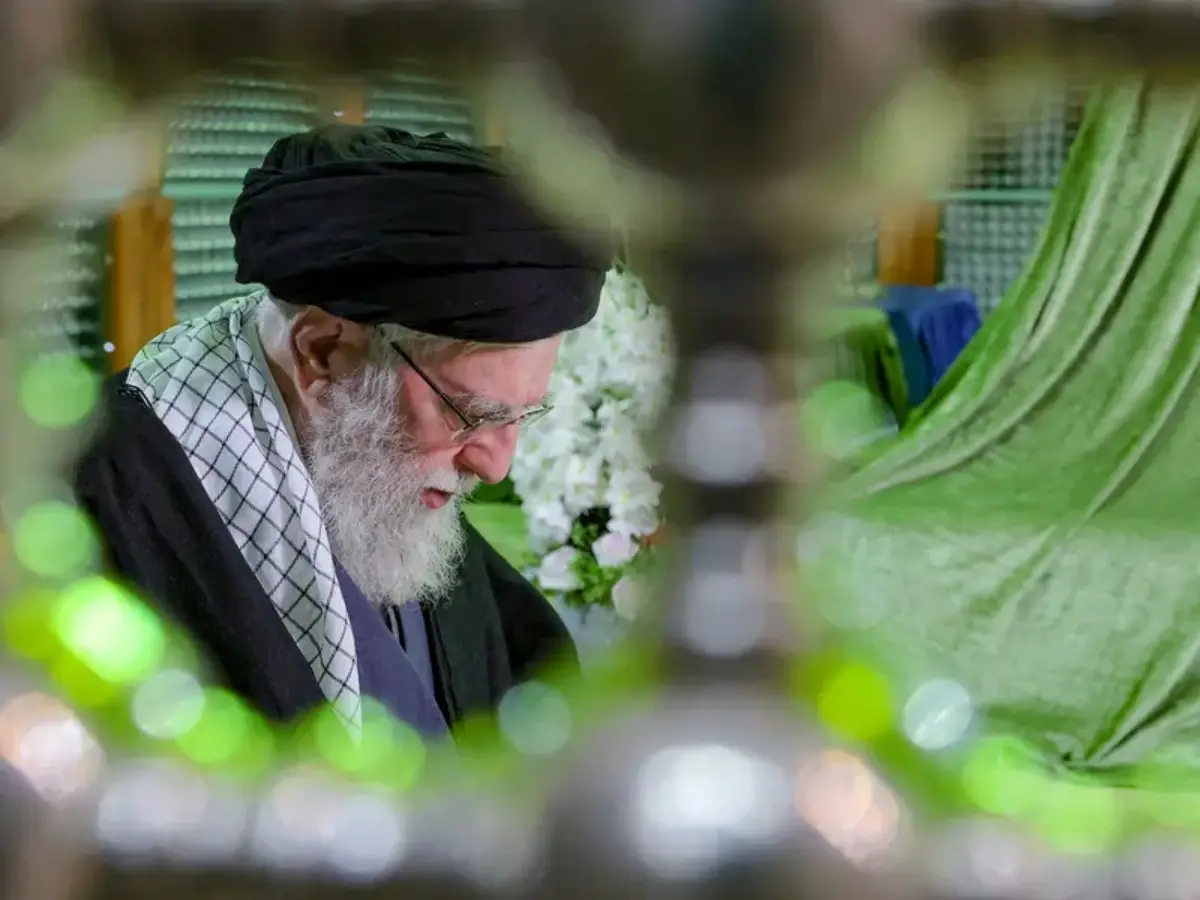
Former Supreme Leader of Iran Ayatollah Ali Khamenei, who was killed at his residential compound in central Tehran, in a joint US and Israeli attack on February 28 this year, will be buried on July 9. His funeral proceedings will begin from Saturday (July 4). Iran has unveiled his coffin on Friday (July 3), marking the beginning of a multi-day funeral that will follow traditional Shia mourning rituals before his final burial in his birthplace in Mashhad. The coffin with the late Supreme Leader's body also made an unusual stop at the site where he was killed before the formal funeral processions. This was done to honour his death which is seen as martyrdom by Shias in Iran.
What exactly are the funeral process?

The funeral rituals of late Ali Khamenei will be done as per Shia Islamic religious laws. According to it, the process consists of five acts— Ghusl (washing), Tahnit (camphorating), Takfin (shrouding), Salat al-Mayyit (prayer), and Dafan (burial). These rituals are performed over days making the funeral process a multi day national event in Iran. First, the body is washed three times in a specific order: first with water mixed with cedar leaves, then with camphor water, and finally with pure water. Then in Tahnit, camphor powder is applied to the seven points of prostration (forehead, palms, knees, and big toes) that touch the ground during prayer. In Takfin, the body is wrapped in a three-piece white cotton shroud which is known as 'qafan.' It can be inscribed with Quranic verses or prayers. Salat al-Mayyit refers to communal prayer that is led by a peer or successor - in this case Mojtaba. During burial, the cleric whispers the Talqin into the ear of the deceased to aid them in the afterlife. The body is laid in the grave on its right side, with the face specifically turned toward the Mecca.
Also Read: Why Iran took former Supreme Leader Ali Khamenei's coffin back to the site where he was killed
Where was Khamenei's body kept till now?
Trending Stories
&im=FitAndFill=(700,400))
How fast can the Sukhoi Su-30 fighter jet really fly?
)
Did China ask its people 'not to respond to aliens'? Origin of bizarre claim on social media
)
MS Dhoni-CSK Fallout? Report claims failed stake sale talks triggered rift
)
Scientists reveal the SAFEST COUNTRY when catastrophe strikes the planet
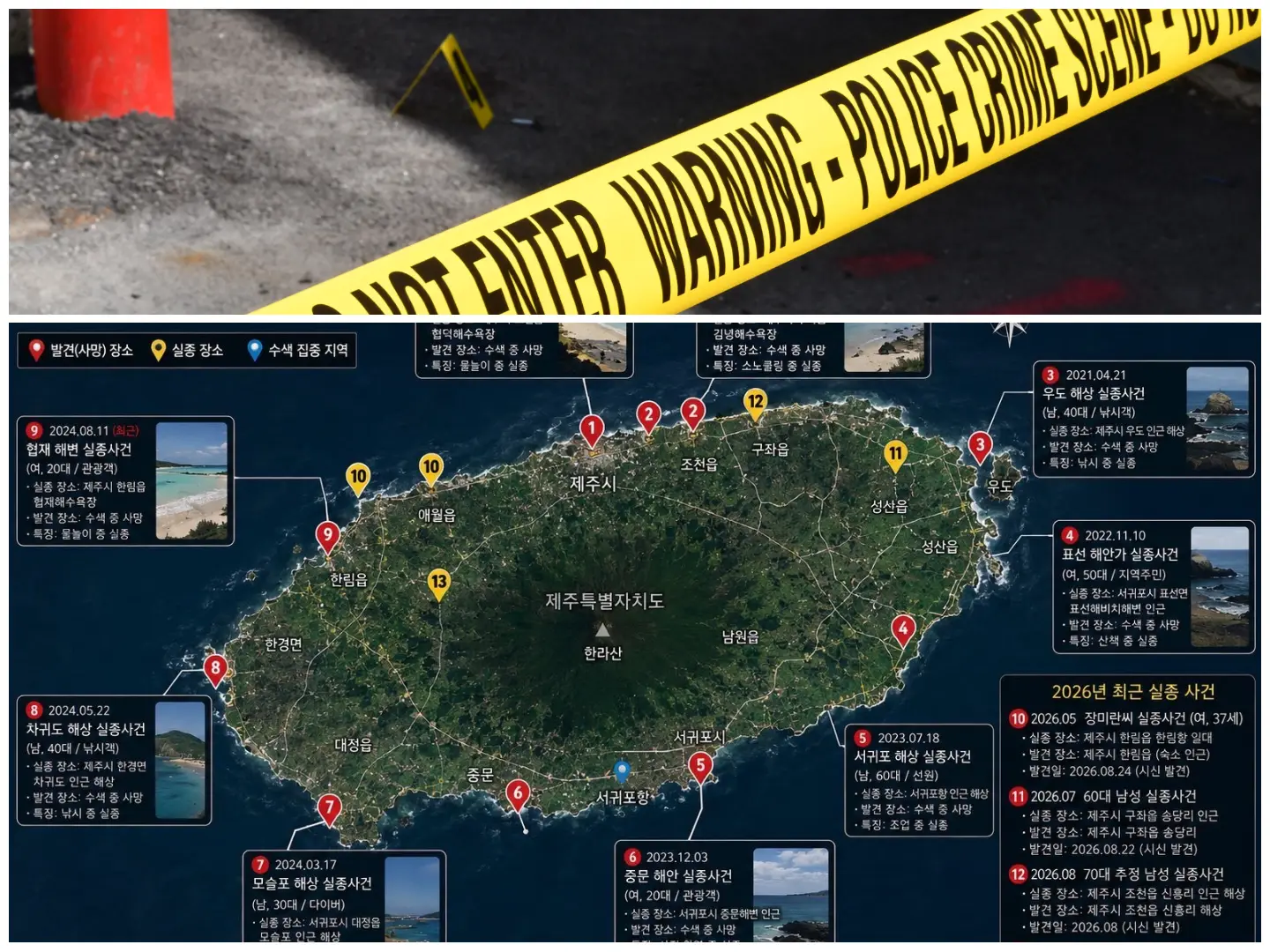)
Serial killer on the loose in South Korea's Jeju Island? Fourth body found in three days as more than a dozen people go missing
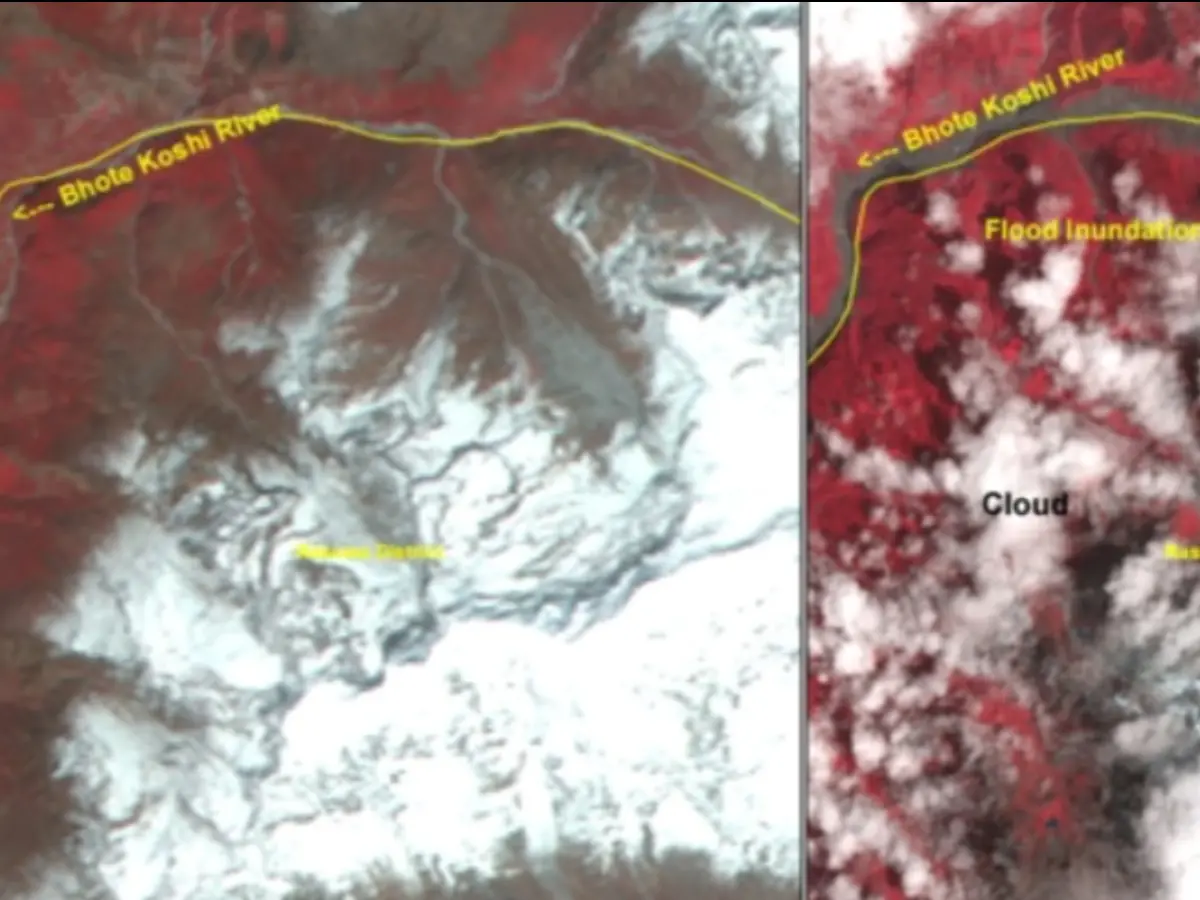)
2/3rd of glacier detached, collapsed: ISRO satellite images reveal what triggered Nepal floods
)
Trump once again claims without him there would be ‘no Israel right now’
)
Foreign espionage attacks against German companies surge to 37%, Bitkom report reveals
)
Blake Lively wins partial legal fee from Justin Baldoni after $8M request
)
Why is Pakistan deploying Turkish Bayraktar TB2 drones near India border?
)
'OH MY GOD! We've found other agents!': Investigators discover not one or two, almost 700 OpenAI AI agents went rogue, hacked Hugging Face
)
Lunar eclipse 2026: India timings, places to see and more. August Blood moon factsheet
)
RSS chief Mohan Bhagwat on global outreach tour
)
Both pilots killed as training aircraft crashes in Lucknow – What we know
)
16-year-old charged with preparing terror attack on kindergarten in Norway
&im=FitAndFill=(700,400))
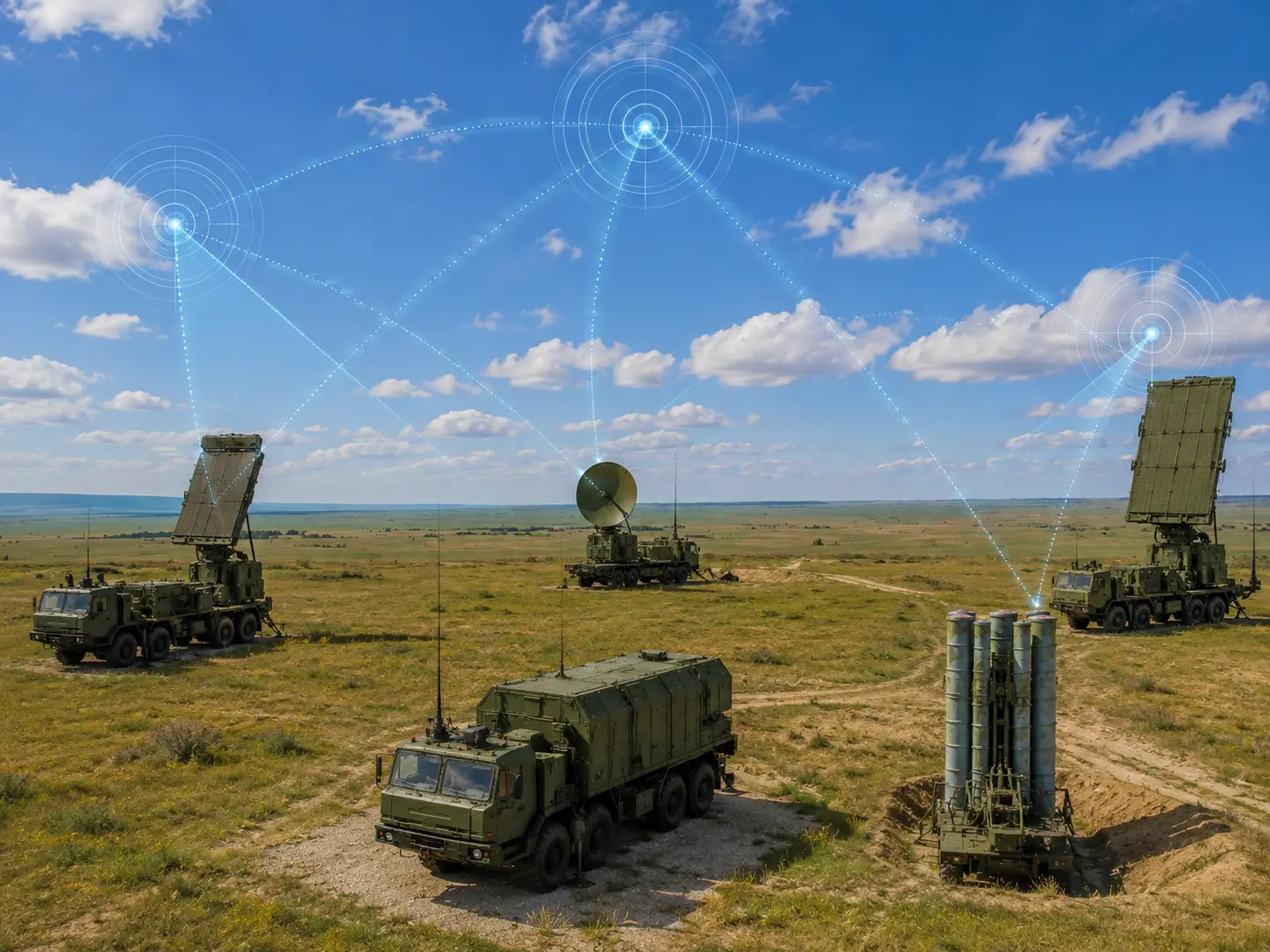
How the S-400 protects itself from enemy attacks
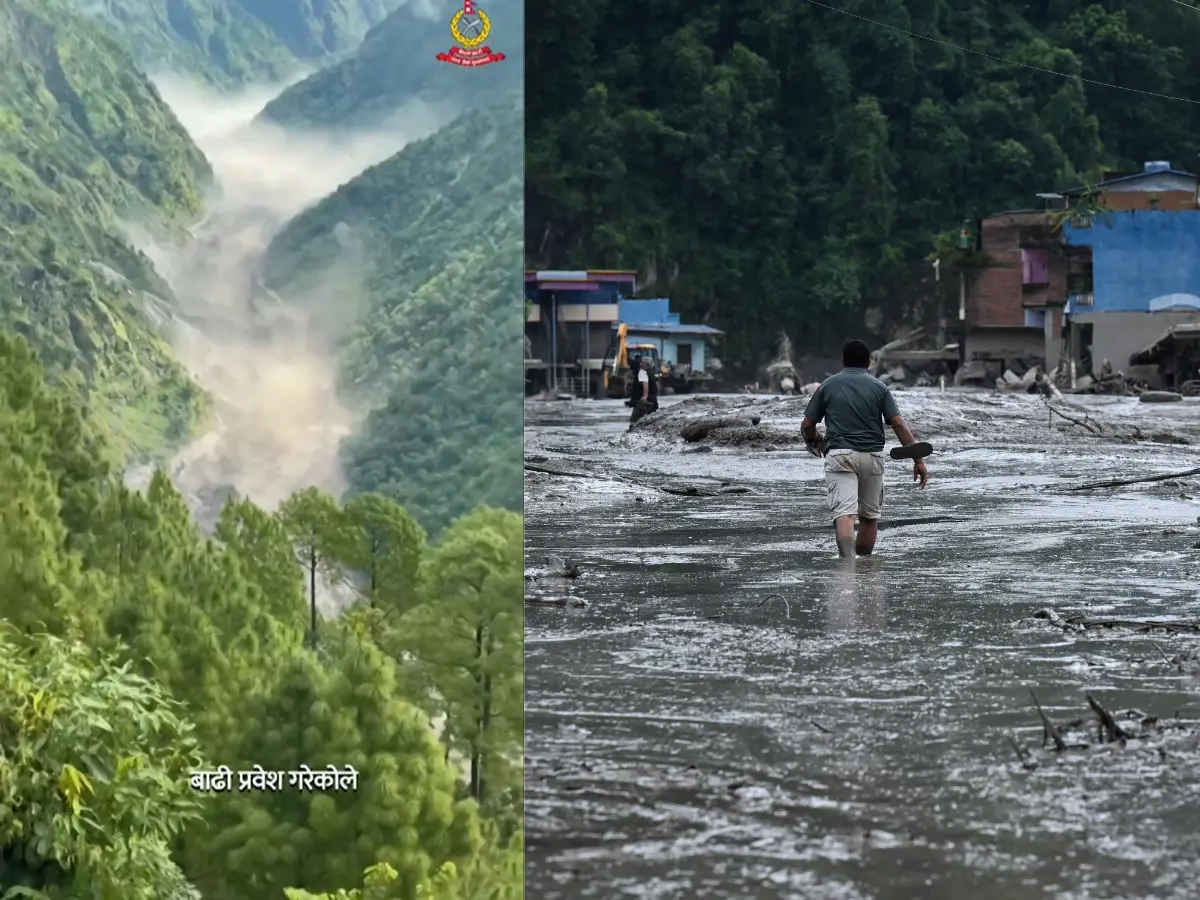)
Nepal floods: Over 165 dead, 400 missing; US, India, China, World Bank mobilise aid
)
India's multi-layered watch: The new surveillance war
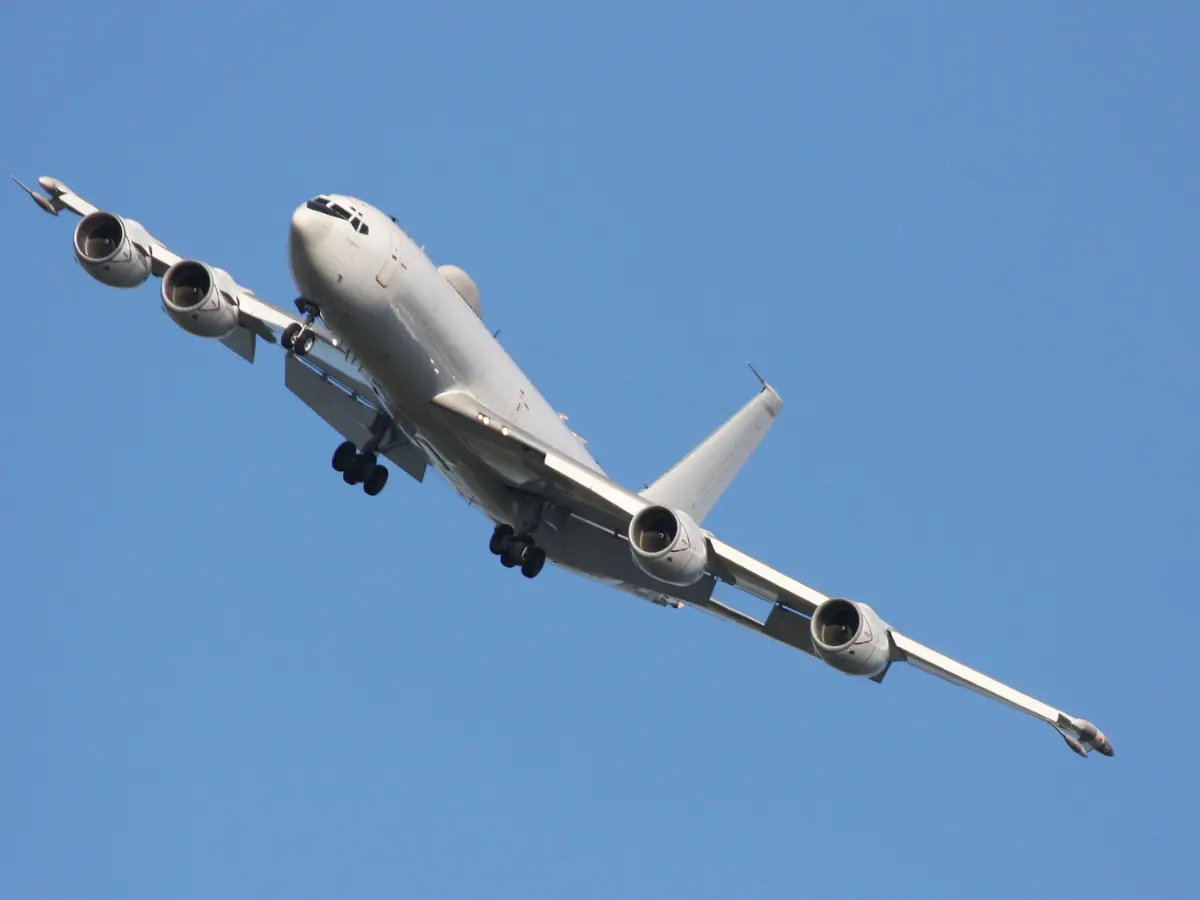)
5 doomsday planes spotted in US skies hours after CIA director's secret trip to Russia
)
9/11 mastermind Khalid Sheikh Mohammed to finally face trial in 2028, nearly 27 years after horrific attacks
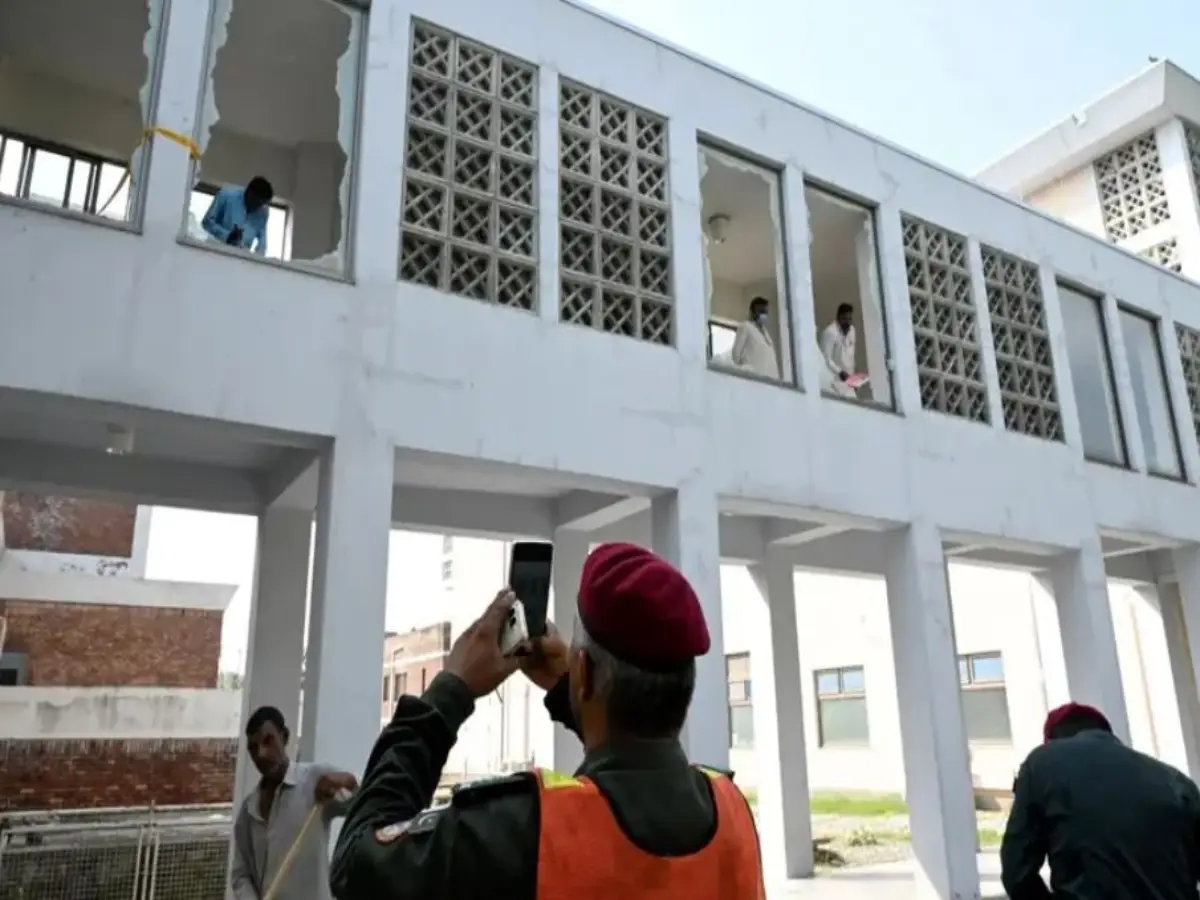)
Islamabad hospital fire: What we know about one of the biggest facility that housed Imran Khan
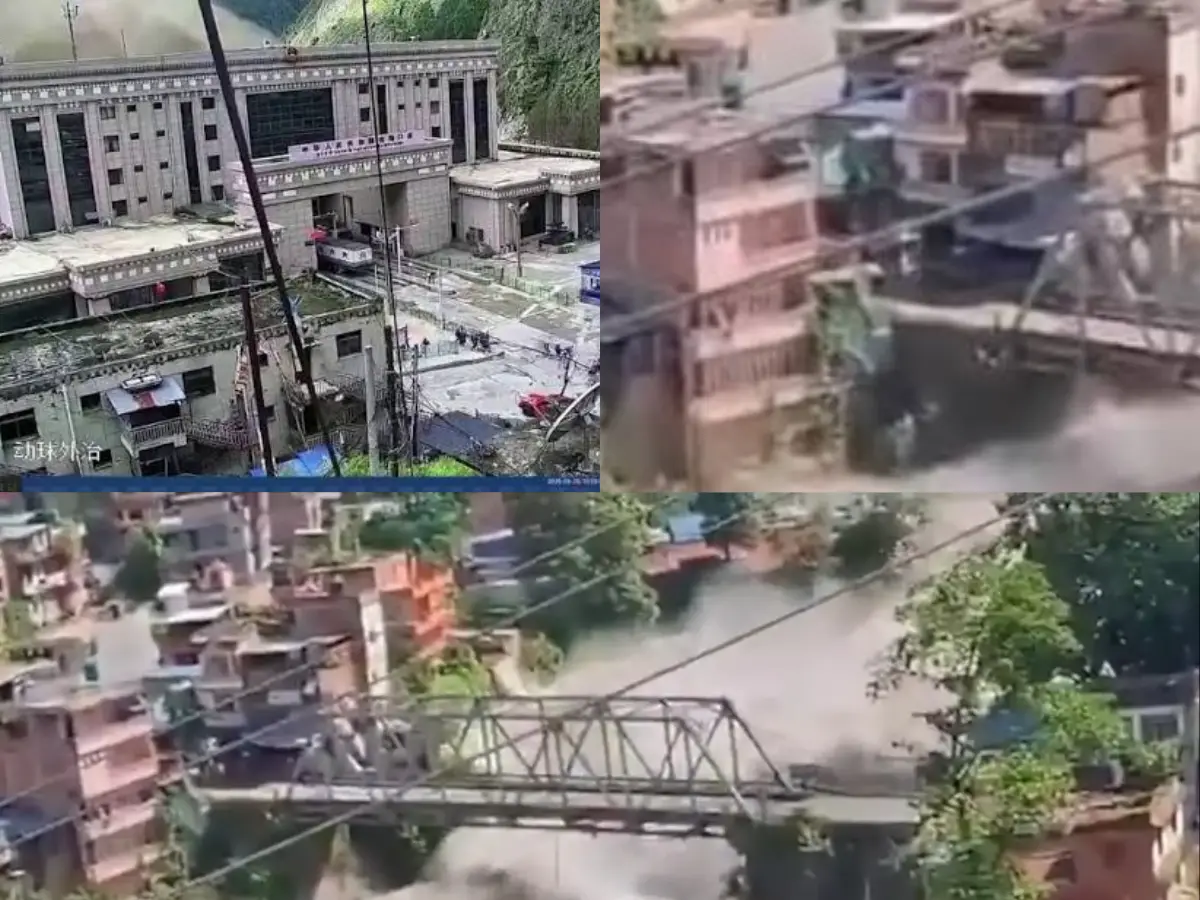)
Workers run for life while filming Nepal flash flood: Scary new visuals emerge from Rasuwa
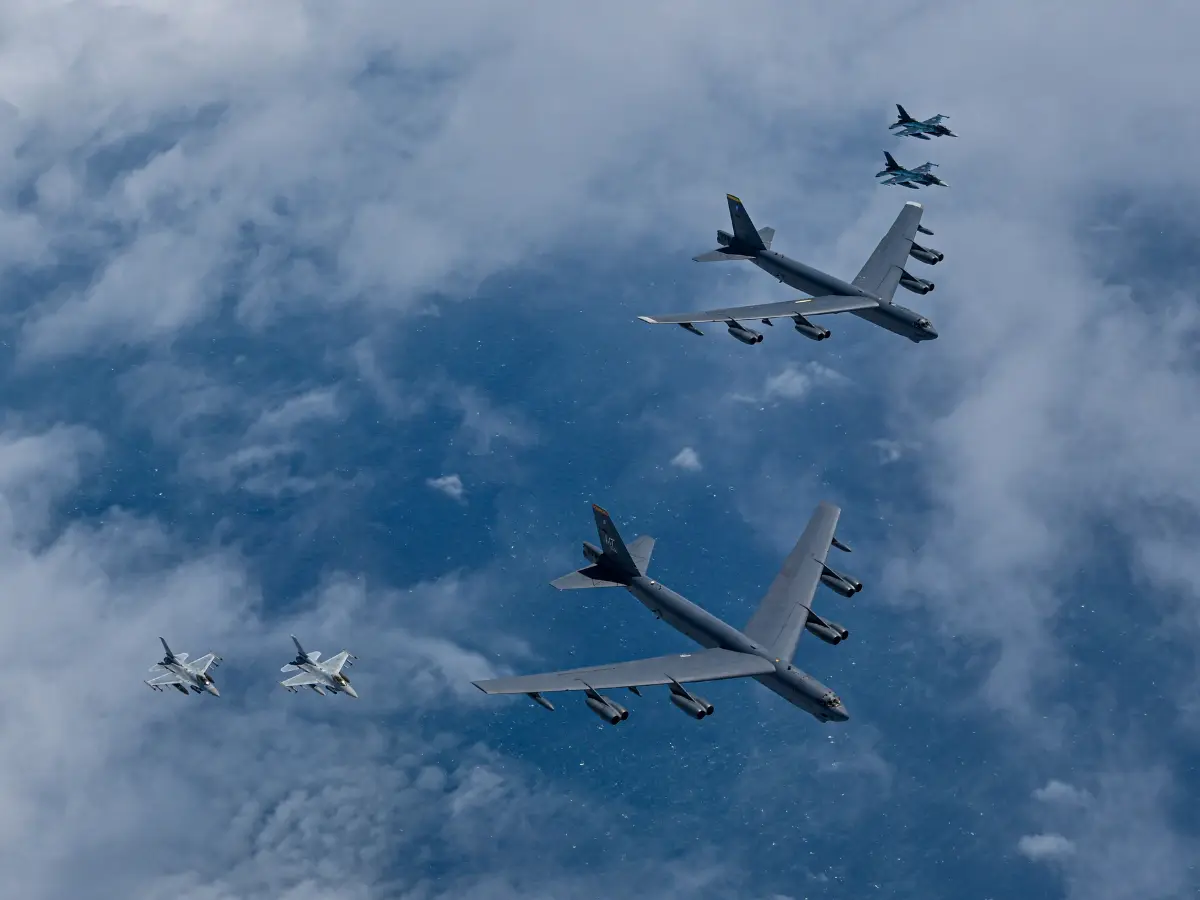)
Russian military planes enter South Korean air defence zone amid rising tensions with North Korea: What's happening
)
Ron Weasley Is Back! Rupert Grint set to return to Harry Potter universe on Broadway
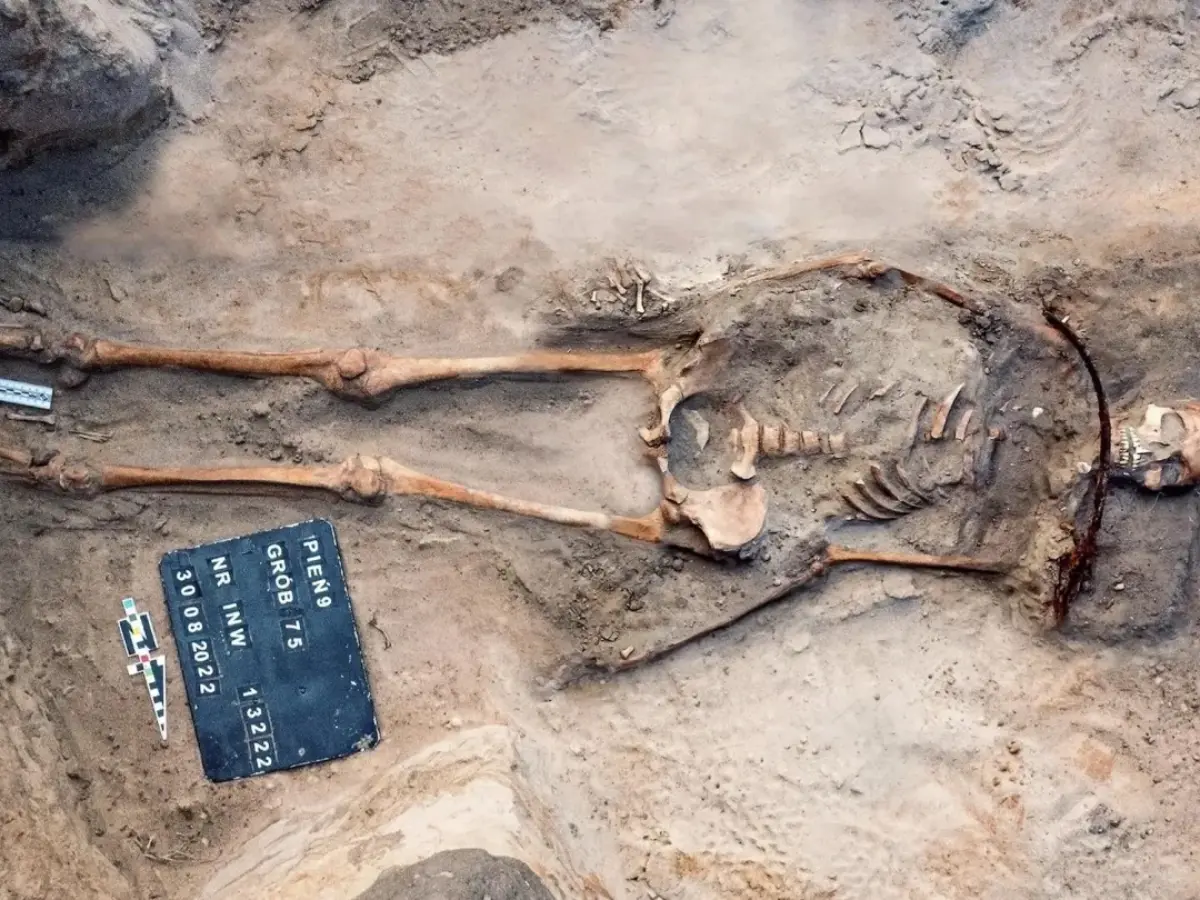)
400-year-old 'vampire' grave in Poland reveals non-existent genetic lineage
)
Dolly Parton, global icon and queen of country music, dies at 80
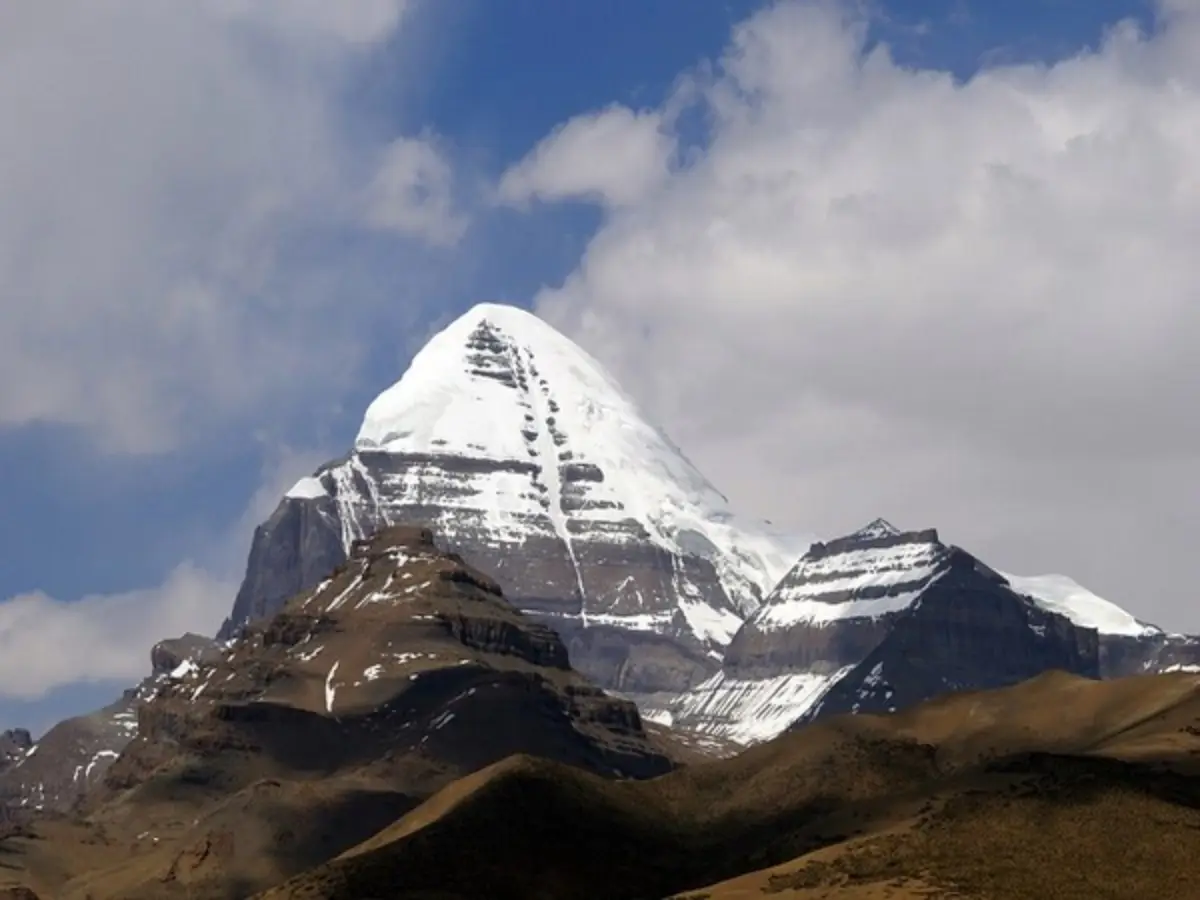)
Nepal flash floods: Kailash Mansarovar yatra affected, close to 400 pilgrims out of contact
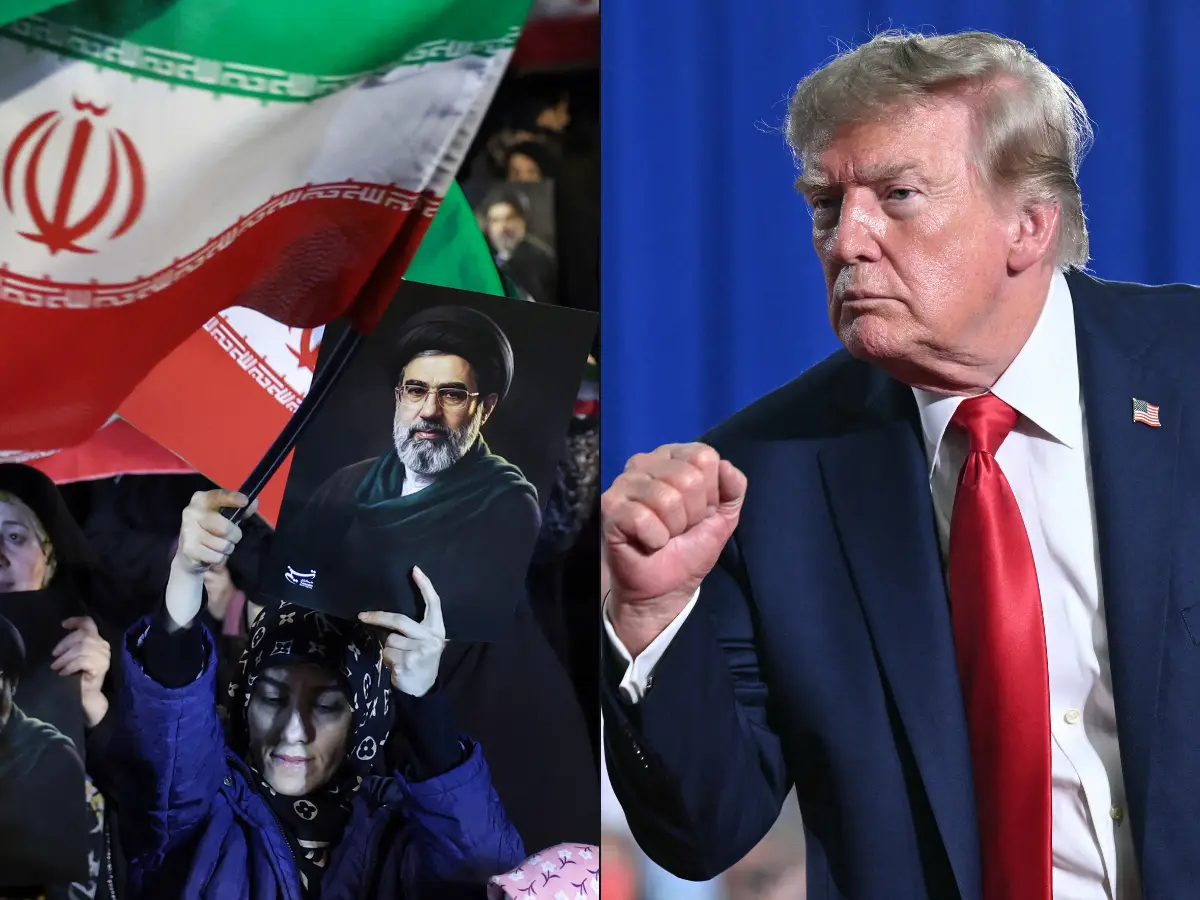)
'If he is dead, they're putting on a pretty good show': Trump casts fresh doubt over Mojtaba Khamenei's fate
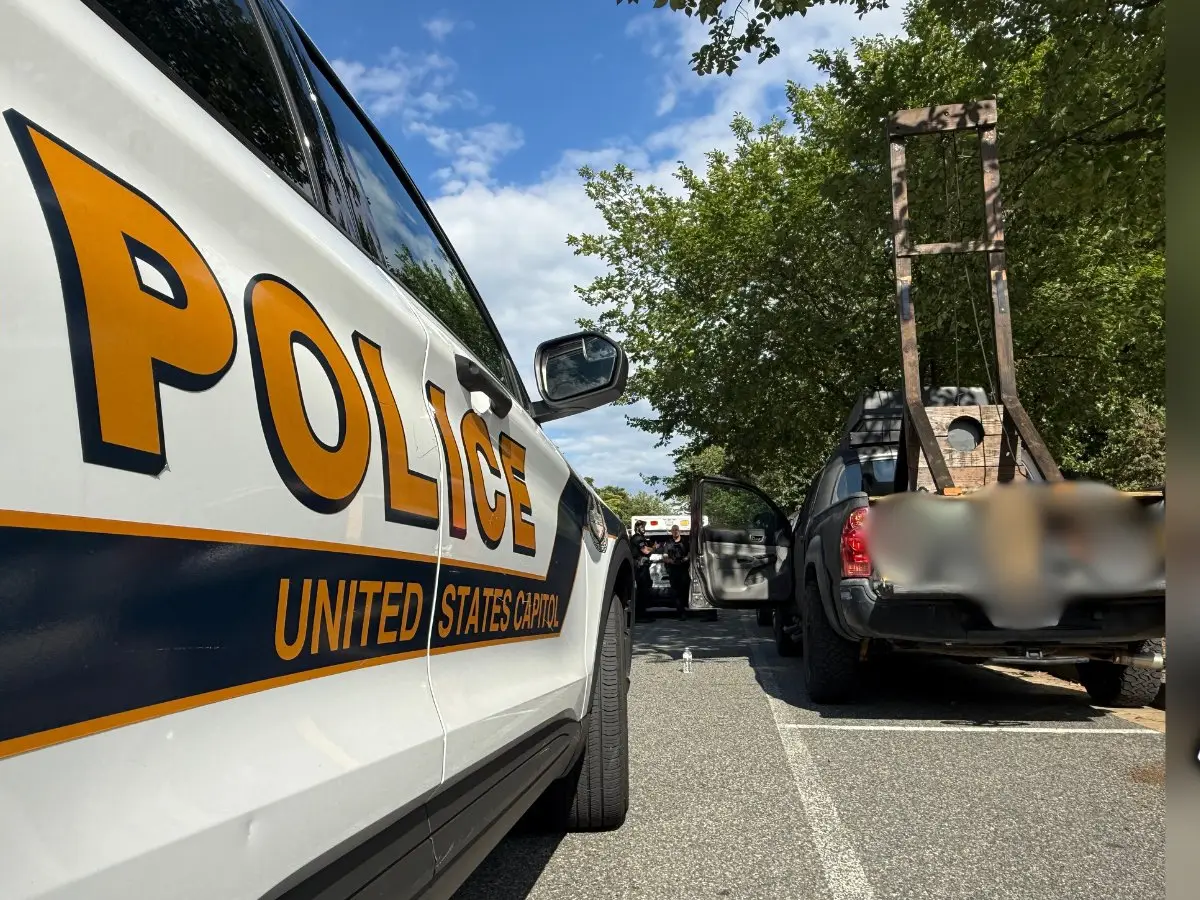)
Man arrested near US Capitol with guillotine in pickup truck: What happened?
&im=FitAndFill=(700,400))
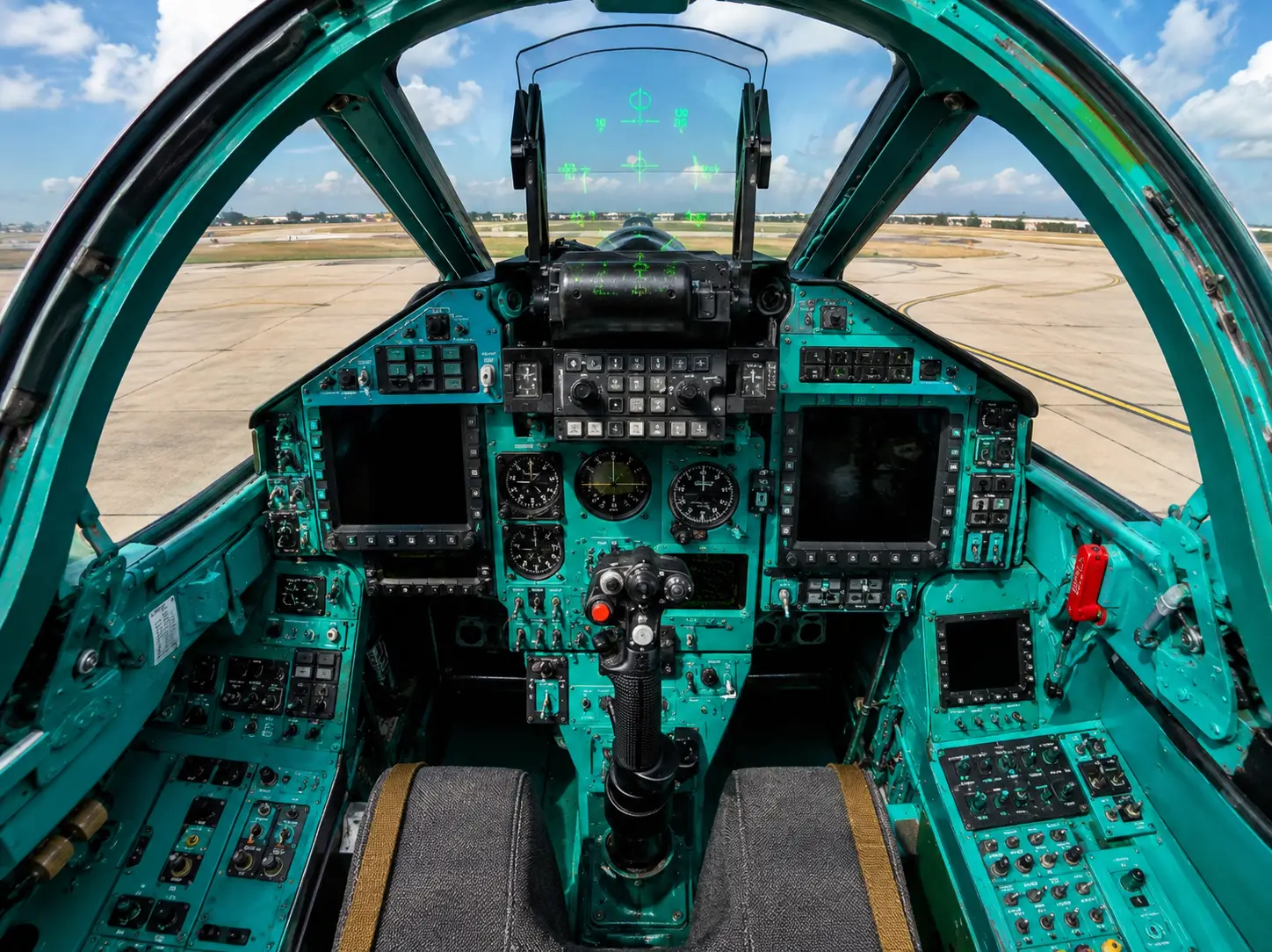
Why the Su-30MKI cockpit is painted bright turquoise green
Islam generally discourages chemical embalming, so, experts say his body was refrigerated or in cold storage.Counterterrorism expert Dr Mohammed Omar told Fox News Digital said, “Shia law allows delayed burial and preservation by cold in exceptional cases, and a clerical exemption for a supreme leader is easy to get.” "Iran's forensic morgues already hold bodies for months, so four months in freezing is not exotic. That is what 'religious and legal standards' cover," Mohammed further said.

