
&imwidth=800&imheight=600&format=webp&quality=medium "From football to foreign policy: Trump's five self-goals | Gravitas")
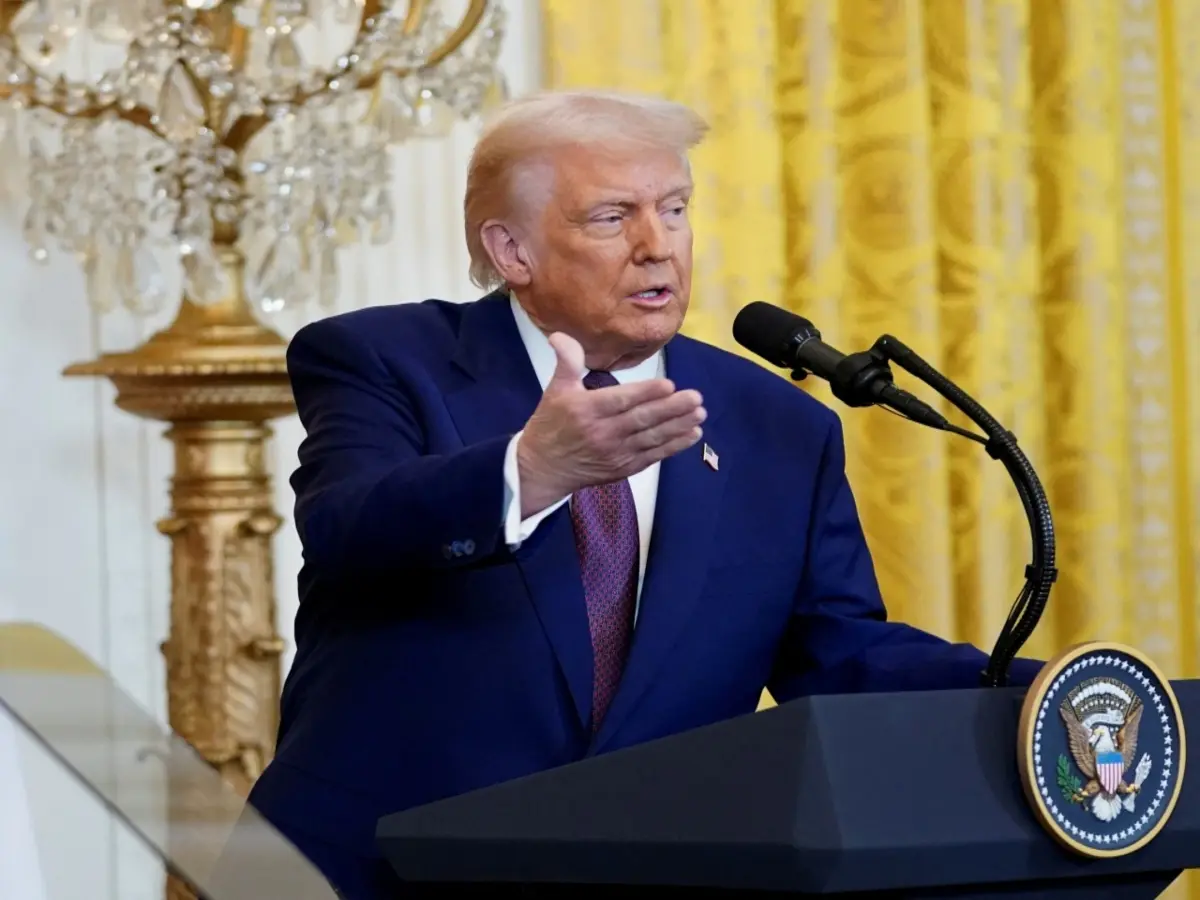
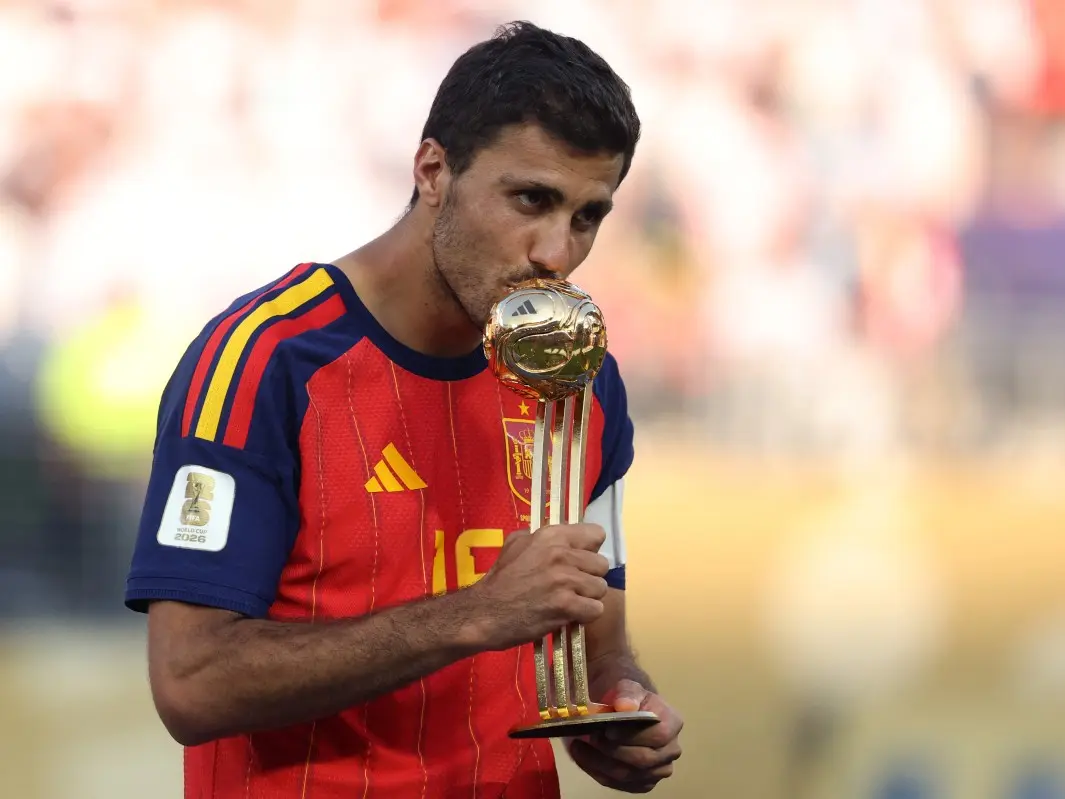
As Spain celebrated its historic FIFA World Cup triumph over Argentina, U.S. President Donald Trump appeared determined to grab a share of the spotlight. Instead of stepping aside after presenting the trophy, Trump lingered on the winners' podium, remaining front and centre as the Spanish players celebrated football's biggest prize.
The unusual moment quickly became one of the ceremony's biggest talking points, with critics accusing the U.S. president of turning a team's crowning glory into a personal photo opportunity.
The celebrations appeared awkward enough that FIFA President Gianni Infantino eventually guided Trump away, allowing the Spanish champions to have the stage to themselves.

For many observers, it was another unforced error—another self-goal in a presidency that has seen no shortage of headline-grabbing moments.
The man who recently criticised Spain's Prime Minister for not contributing enough to NATO spending, and called the country hopeless, suddenly found himself presenting the World Cup to Spain.
Trending Stories
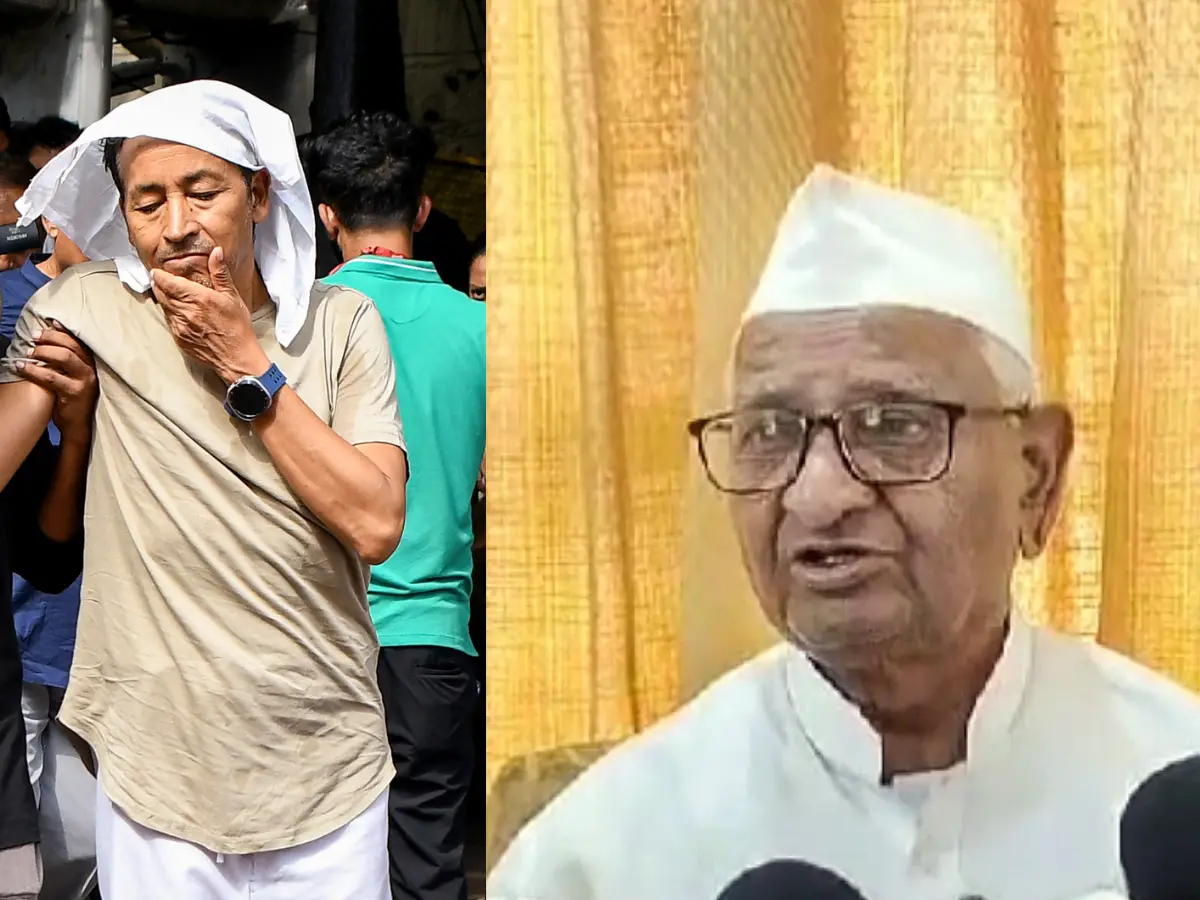)
'What is wrong...': Anna Hazare breaks silence on Sonam Wangchuk's protest, makes an appeal to Centre
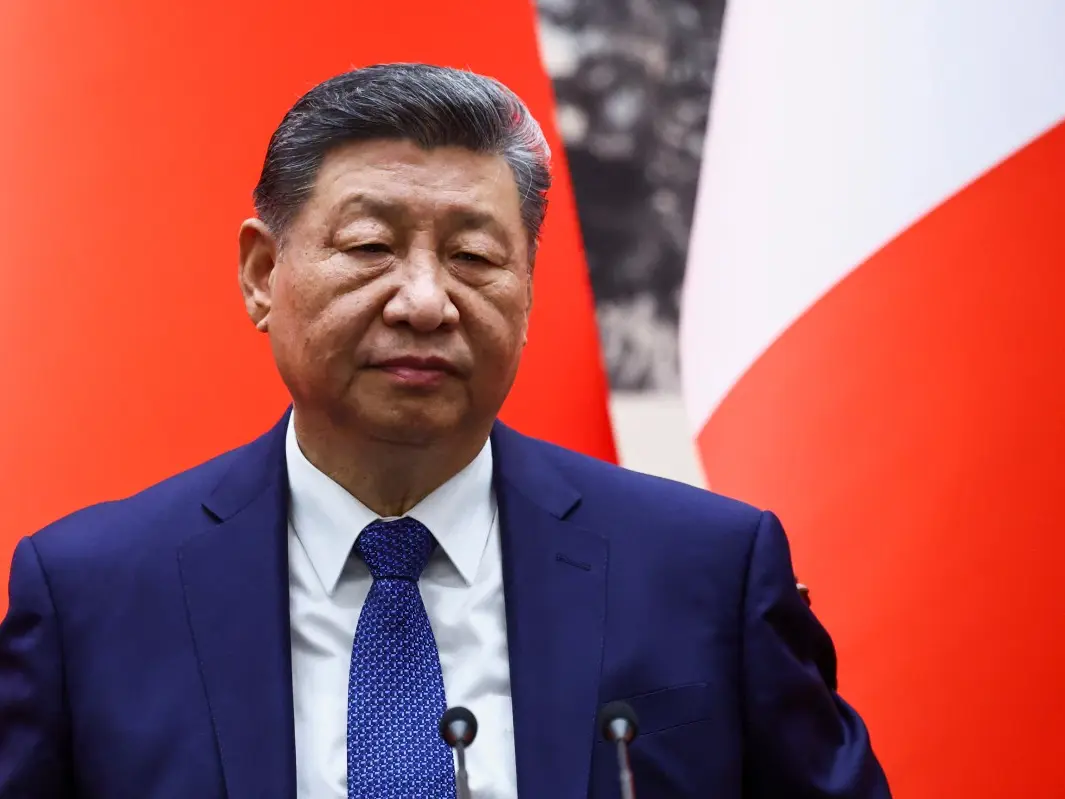)
Xi Jinping's new AI bloc: China launches 'World AI Body' with Pakistan and Russia in, India out
&im=FitAndFill=(700,400))
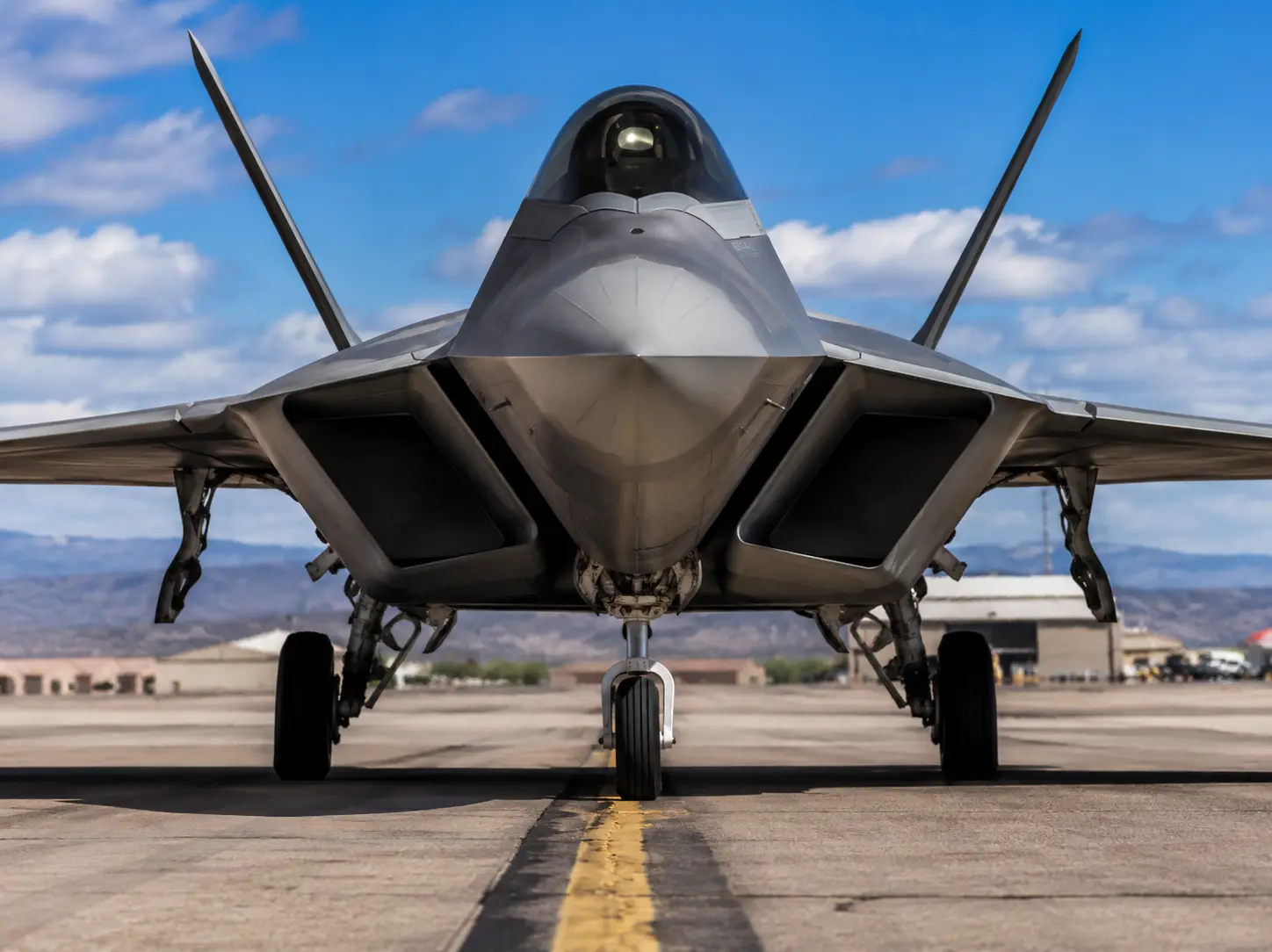
Why the F-22’s cockpit glass is thicker than a standard fighter jet
)
FACT CHECK: Was Abhijit Dipke detained during CJP's Parliament march? Here's what police say
&im=FitAndFill=(700,400))
FIFA World Cup 2026 team of the tournament: The best XI that ruled football’s biggest stage
)
'Guru is the...': Indian Education Minister Dharmendra Pradhan shares message on education amid calls for his resignation
&im=FitAndFill=(700,400))
Meet top 5 batters with most runs in India vs Zimbabwe T20Is
)
'George Soros playbook': Understanding the foreign funding network around Sonam Wangchuk
&im=FitAndFill=(700,400))
Why the S-400 uses solid rocket fuel instead of liquid fuel
)
Salman Khan breaks silence on health concerns after viral Mumbai appearance
)
Japan is selling a refrigerator to cool the human body for Rs 9 lakh. It is already a hit in Tokyo
)
Jail over Khamenei post: J&K youth returns home after 3 months in Saudi custody
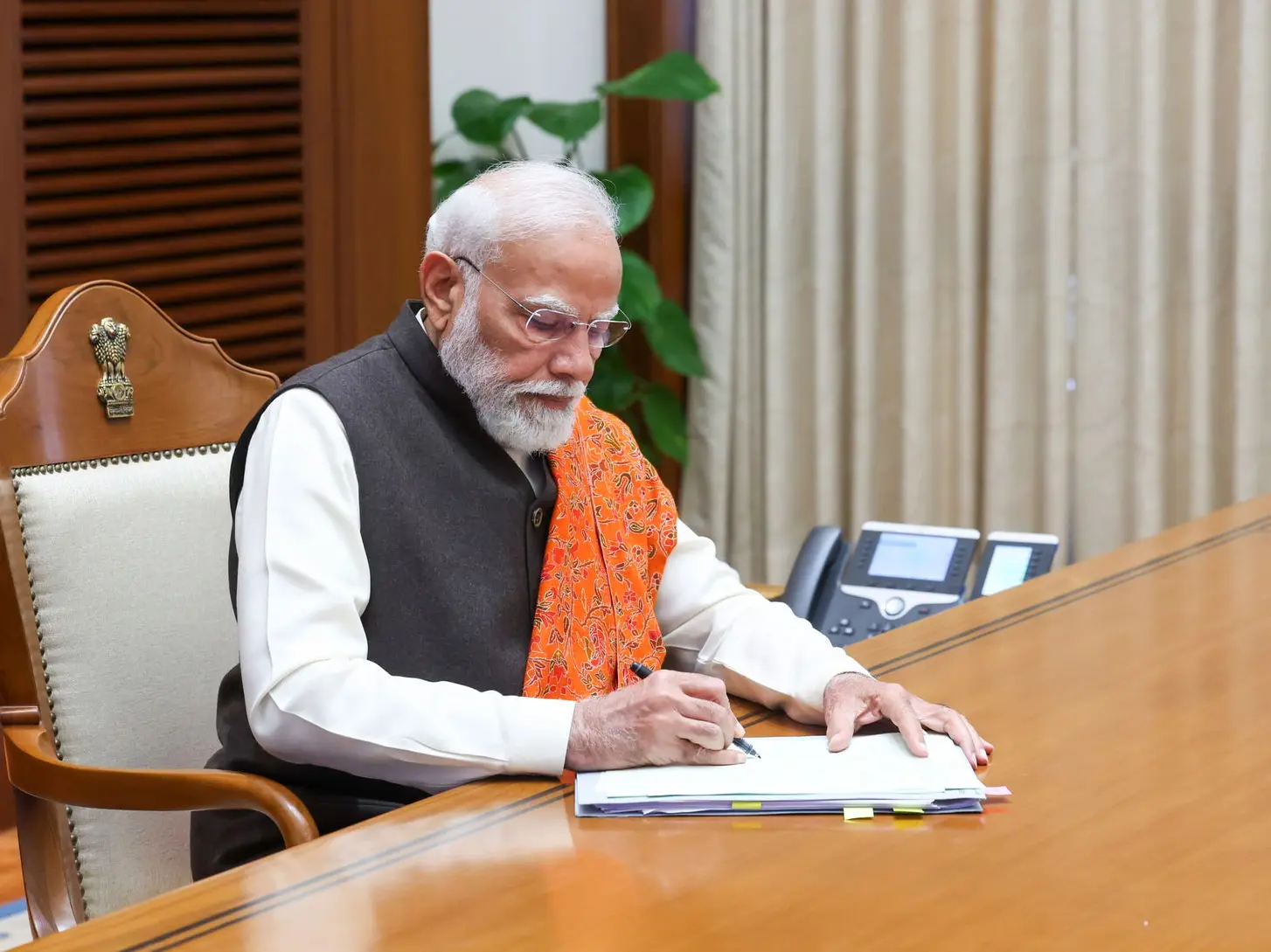)
'We acted immediately...': Indian PM Modi breaks silence on paper leaks as NEET protest, calls for Education Minister's resignation grows
&im=FitAndFill=(700,400))
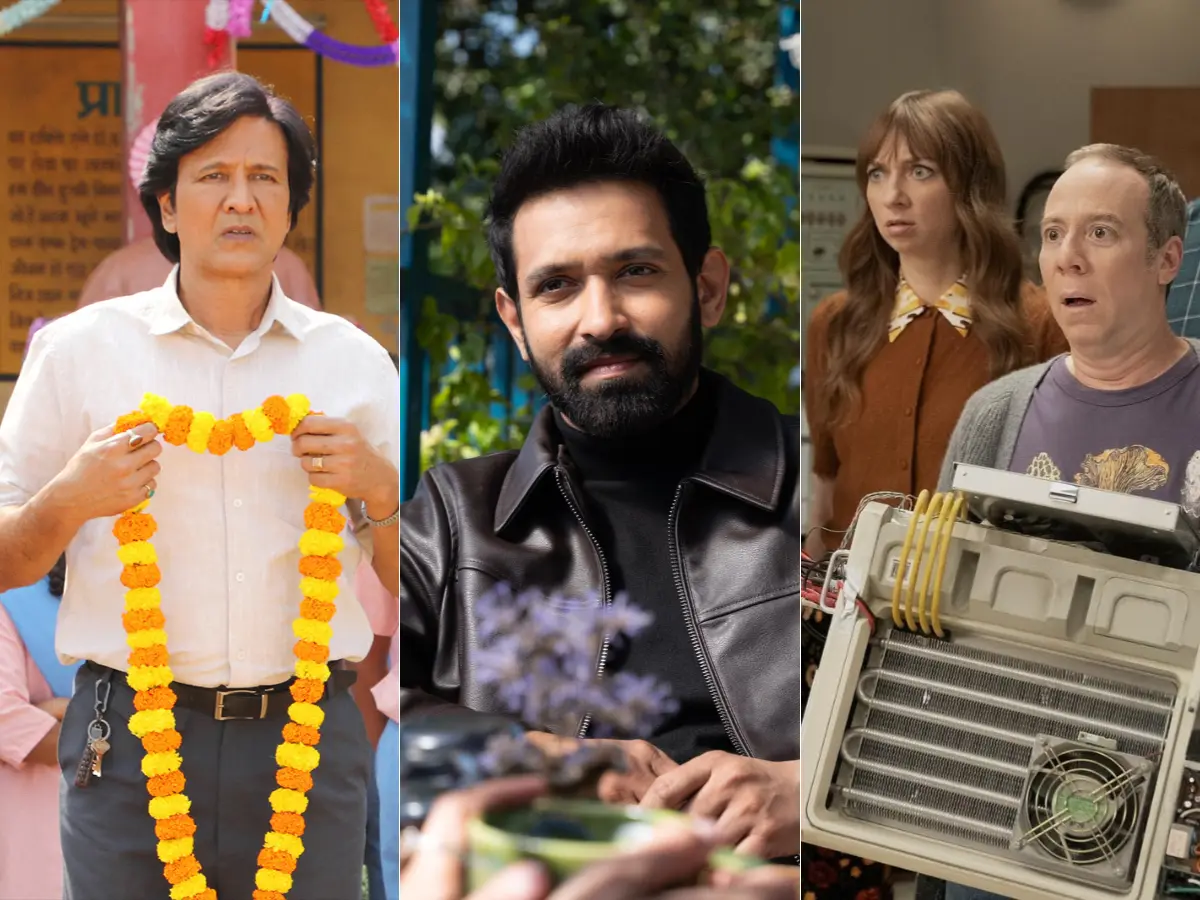
New OTT releases this week (July 20-26, 2026): Musafir Cafe, Adarsh Baal Vidyalaya, 72 Hours- 5 new titles coming on Netflix, Prime Video and more
&im=FitAndFill=(700,400))
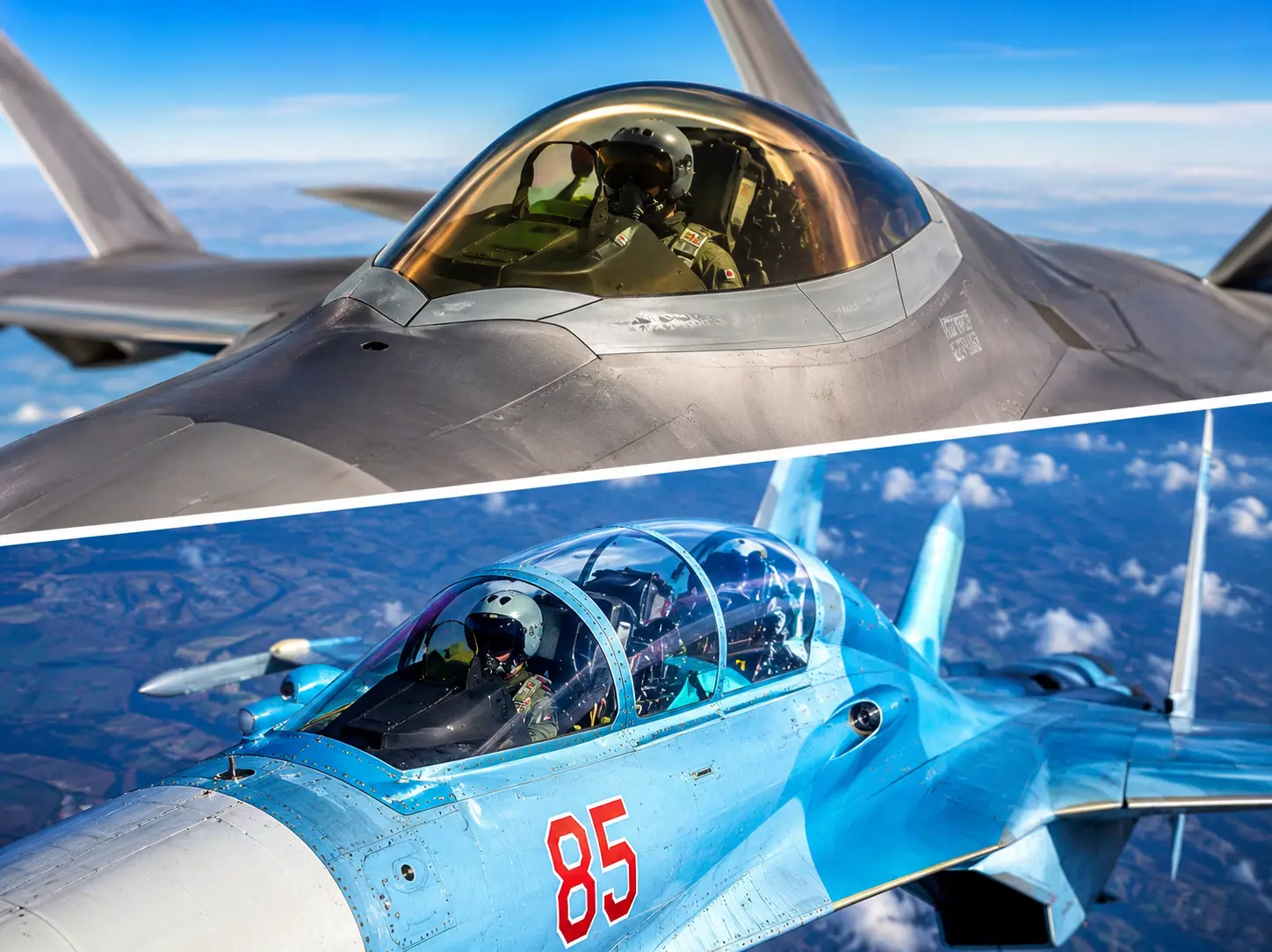
Why US fighter jets use seamless bubble canopies compared to Russian jets
)
Iran strikes Amazon data infrastructure in Bahrain, power, water desalination plants in Kuwait
)
Student union leaders call off hunger strike at Jantar Mantar after civil society appeal, but protest continues
&im=FitAndFill=(700,400))
2026 FIFA World Cup awards: Full list of Golden Boot, Golden Ball, Golden Glove and every major winner
)
UP BTech gold medalist dies by suicide after failing in nearly 50 govt job attempts, leaves note for father
)
Sonam Wangchuk's connection with George Soros and Ford Foundation explained!
)
'There is no need for...': PM Modi takes a veiled dig at Rahul Gandhi, sends big message amid Parliament March
)
Indus treaty can no longer function in its current form, says India; plans 5,500 mw of new J&K hydro projects
)
Truck loaded with stones, metro stations closed: What's happening at Jantar Mantar now
)
3.5-million-year-old mystery creature found in Japan is a 'giant' never seen before
)
'Now come to us': CJP resumes protest after Parliament march violence, calls meeting with Nadda 'waste of time'
As if this wasn't embarrassing enough, many of the 80,000-plus spectators greeted him with boos.
One incident that emerged as headline news and a focal point of controversy during the 2026 FIFA World Cup was Trump's personal intervention following the match ban on U.S. striker Folarin Balogun.
Following Balogun's red card, Trump called FIFA President Gianni Infantino to request a review of the suspension.
FIFA subsequently invoked Article 27 to suspend the one-match ban for a one-year probationary period.
Trump's World Cup intervention sparked global backlash, challenged FIFA's integrity, and fuelled concerns over America's soft power.
Trump's self-goals aren't limited to the football field. They're playing out on the battlefield too.
The renewed confrontation with Iran over the Strait of Hormuz is a case in point.
A conflict Trump once suggested would be over in days has dragged on, with Iran refusing to back down and negotiating from a position of strength. His broader objective of forcing regime change remains out of reach.
The cost is mounting. The Pentagon says nearly 100 U.S. troops have been injured in just the last two weeks of renewed fighting.
Trump announced the U.S. would control the Strait of Hormuz and charge ships for safe passage, a move critics said mirrored tactics long associated with Iran.
But less than 24 hours later, he abruptly scrapped the proposed 20 percent reimbursement fee.
Another dramatic reversal. Another self-goal.
Then comes Trump's face-off with NATO over defence spending.
Trump demanded that every NATO ally dramatically raise defence spending to 5% of GDP.
At the 2025 Hague Summit, allies agreed to work towards that level by 2035, with 3.5% earmarked for core military spending and 1.5% for broader security investments.
But Spain openly refused to sign up to the target, securing an exemption and sticking to its own spending plans despite Trump's public pressure and threats of economic retaliation.
Instead of projecting unquestioned authority, the episode highlighted the limits of his leverage over allies.
In February this year, the U.S. Supreme Court shut down a big chunk of the extra tariffs Trump had ordered, forcing the government to return money to the companies that had paid them.
According to budget data, the U.S. has paid out $81 billion in tariff refunds so far this fiscal year, which started in October 2025, compared with $5 billion during the same period last year.
As wildfires sent smoke billowing across the U.S. border, Trump threatened tariffs on Canadian imports, accusing Ottawa of failing to control the fires.
In a social media post, Trump wrote that the U.S. had been "invaded" by dirty air.
“The cost of this pollution must of necessity be added to the tariffs Canada is currently paying.”
The move stunned many observers.
Canada isn't just America's largest trading partner; it's also one of its closest allies, sharing the world's longest undefended border and deep military ties through NORAD and NATO.
Critics argued that targeting an ally over a natural disaster risked straining a crucial partnership without addressing the underlying crisis.
Instead of putting pressure on an adversary, Washington found itself locked in a dispute with one of its closest friends, turning another tough-talking threat into a diplomatic self-goal.