For the first time, mosquitoes are found in THIS country following record heat

&imwidth=600&imheight=450&format=webp&quality=medium "For the first time, mosquitoes are found in THIS country following record heat")
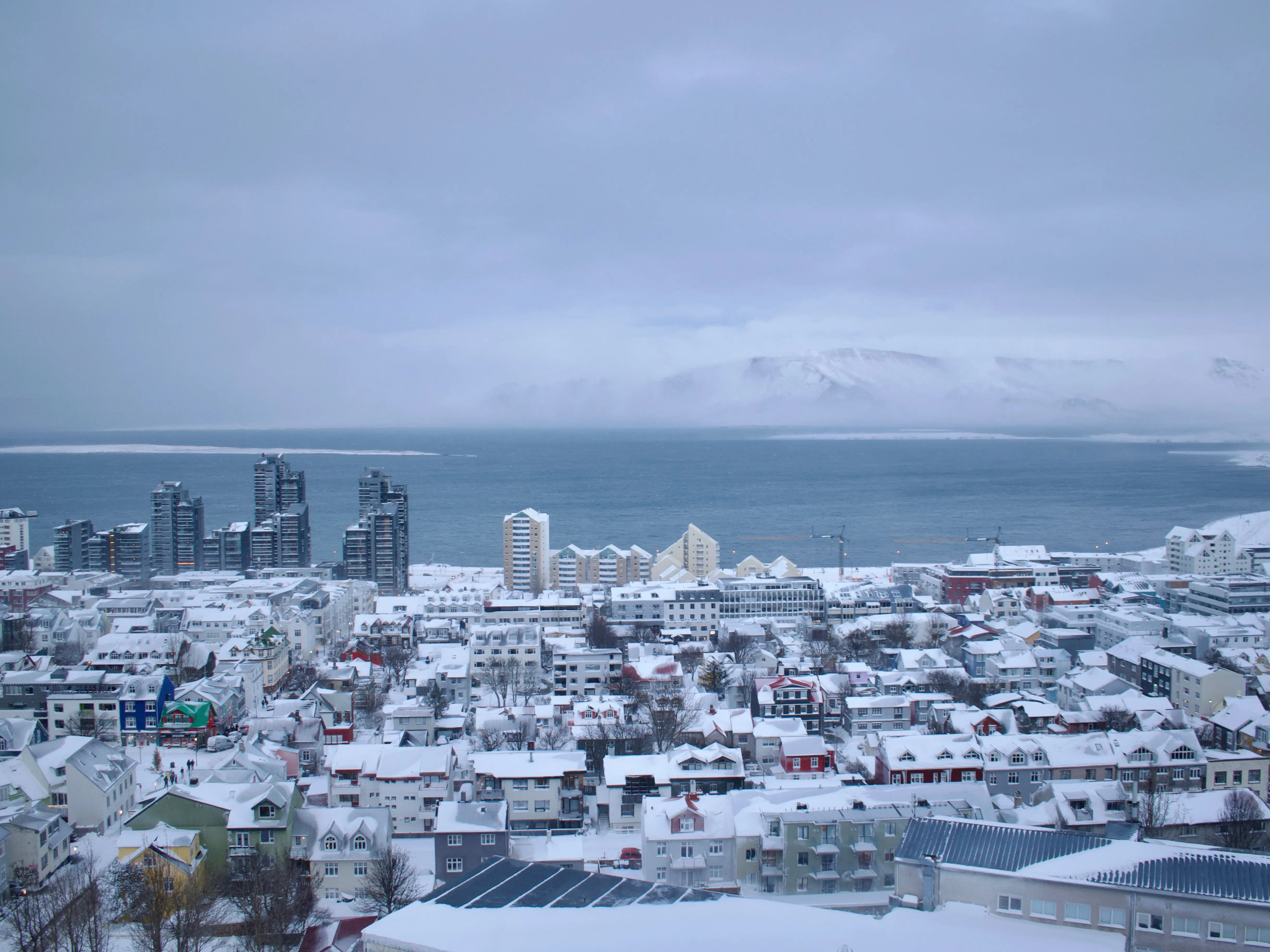
For the first time, mosquitoes are found in THIS country following record heat Photograph: (AFP)
For the first time, mosquitoes have appeared in Iceland, once known for being mosquito-free, after experiencing a record-breaking heatwave this spring
For the first time, mosquitoes have been spotted in Iceland, a country previously known for its mosquito-free status. The discovery came after an unusually warm spring, which saw temperatures break several records. Insect enthusiast Bjorn Hjaltason made the find during an observation session, where he was using wine-soaked ropes to attract moths. Over the course of several nights, he encountered two female mosquitoes and one male, which were later confirmed to be Culiseta annulata—a species capable of surviving colder winters.
Until now, Iceland, along with Antarctica, had been one of the few places on Earth without mosquitoes, thanks to its cold climate and lack of stagnant water where the insects typically breed. However, recent temperature spikes, including the hottest day ever recorded in May, have raised concerns about the impact of climate change on the delicate ecosystems of the island.
Also Read: WATCH | Photographers capture 'once-in-a-lifetime' rare red lightning over New Zealand's skies
Hjaltason shared the discovery on social media, describing his surprise at finding "a strange fly on a red wine ribbon" and later speculating that the mosquitoes may have arrived via shipping containers from the nearby Grundartangi industrial area. The insects were sent to the Icelandic Institute of Natural History for identification, where entomologist Matthias Alfredsson confirmed they were Culiseta annulata.
While it's still unclear how the mosquitoes made their way to Iceland, scientists will continue to monitor the situation, particularly as warmer temperatures could become more frequent in the coming years. The shift in climate could significantly affect local wildlife, which has long been adapted to colder conditions. Hjaltason's discovery marks a possible turning point for Iceland, with further investigation needed to determine whether these mosquitoes have become permanently established on the island.
&imwidth=280&imheight=210&format=webp&quality=medium)
&imwidth=280&imheight=210&format=webp&quality=medium)
&imwidth=280&imheight=210&format=webp&quality=medium)
&im=FitAndFill=(700,400)&imwidth=280&imheight=210&format=webp&quality=medium)
&imwidth=280&imheight=210&format=webp&quality=medium)
&imwidth=280&imheight=210&format=webp&quality=medium)
&imwidth=280&imheight=210&format=webp&quality=medium)
&imwidth=280&imheight=210&format=webp&quality=medium)
&imwidth=280&imheight=210&format=webp&quality=medium)
&imwidth=280&imheight=210&format=webp&quality=medium)
&imwidth=280&imheight=210&format=webp&quality=medium)
&imwidth=280&imheight=210&format=webp&quality=medium)
&imwidth=280&imheight=210&format=webp&quality=medium)
&imwidth=280&imheight=210&format=webp&quality=medium)
&imwidth=280&imheight=210&format=webp&quality=medium)
&imwidth=280&imheight=210&format=webp&quality=medium)
&imwidth=280&imheight=210&format=webp&quality=medium)
&imwidth=280&imheight=210&format=webp&quality=medium)
&imwidth=280&imheight=210&format=webp&quality=medium)
&imwidth=280&imheight=210&format=webp&quality=medium)
&im=FitAndFill=(700,400)&imwidth=280&imheight=210&format=webp&quality=medium)
&imwidth=280&imheight=210&format=webp&quality=medium)
&imwidth=280&imheight=210&format=webp&quality=medium)
&imwidth=280&imheight=210&format=webp&quality=medium)

&imwidth=280&imheight=210&format=webp&quality=medium)
&imwidth=280&imheight=210&format=webp&quality=medium)
&imwidth=280&imheight=210&format=webp&quality=medium)
&imwidth=280&imheight=210&format=webp&quality=medium)
&imwidth=280&imheight=210&format=webp&quality=medium)
&im=FitAndFill=(700,400)&imwidth=280&imheight=210&format=webp&quality=medium)
&imwidth=280&imheight=210&format=webp&quality=medium)


