Smit Machchhar attack aftermath: Israel bans United Airlines pilot over Iran links | All aviation actions taken by Jewish state so far


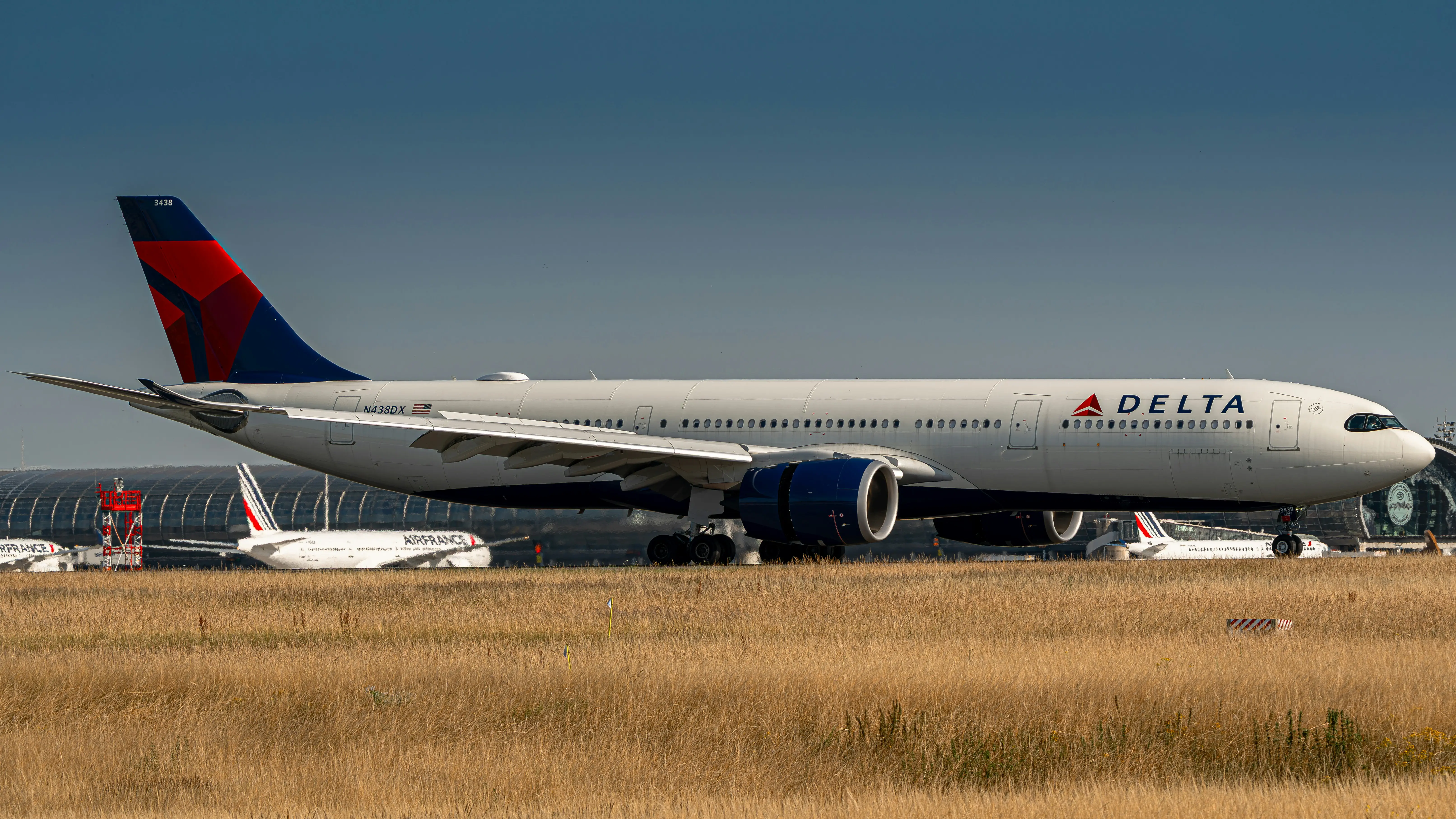
File pic of a United Airlines aircraft Photograph: (Others)
Israel has barred a United Airlines pilot over allegations of support for Iran and Hezbollah. This is the latest of tightened aviation security measures after the Flydubai cockpit attack targeting Indian captain Smit Machchhar
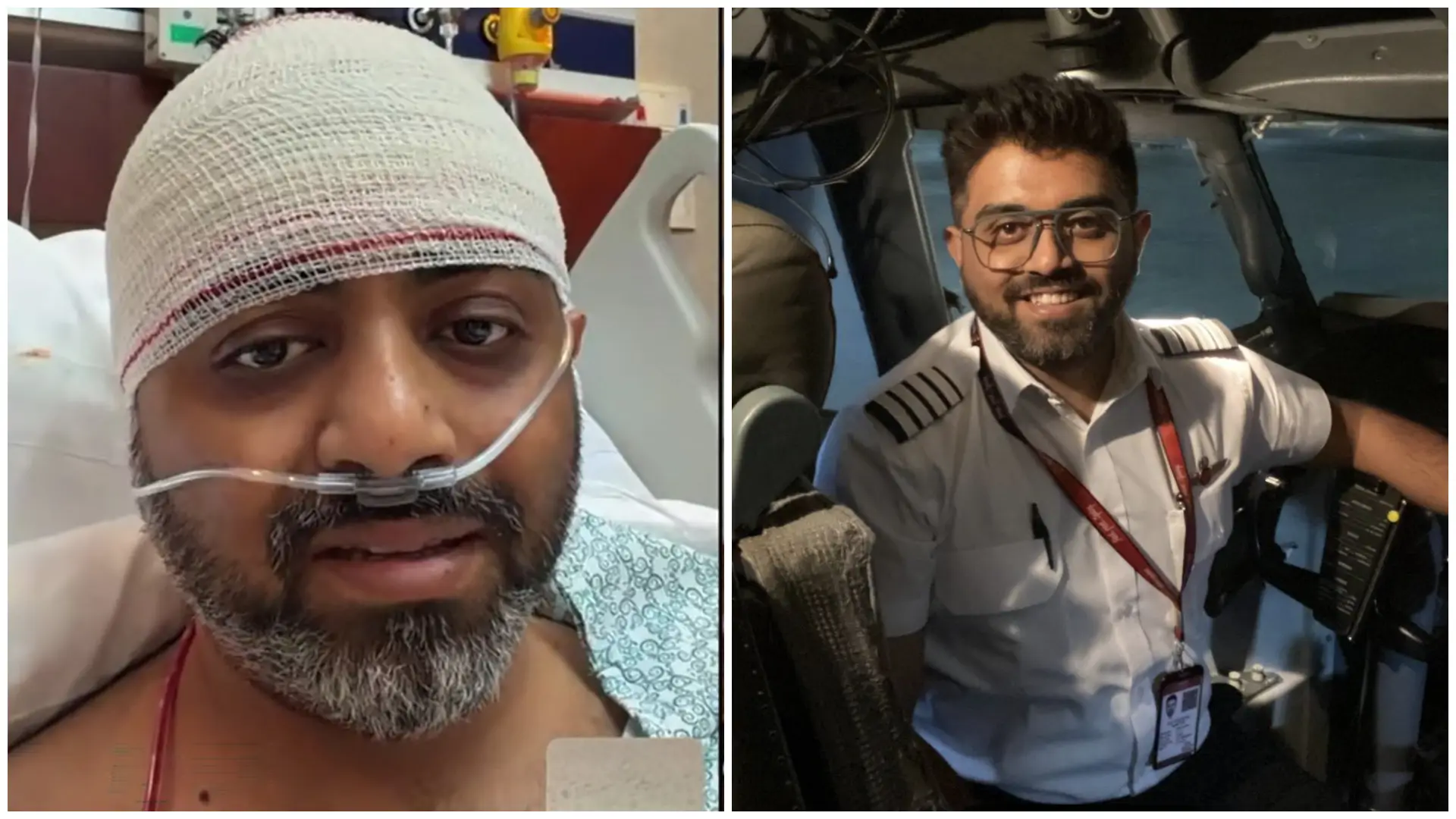
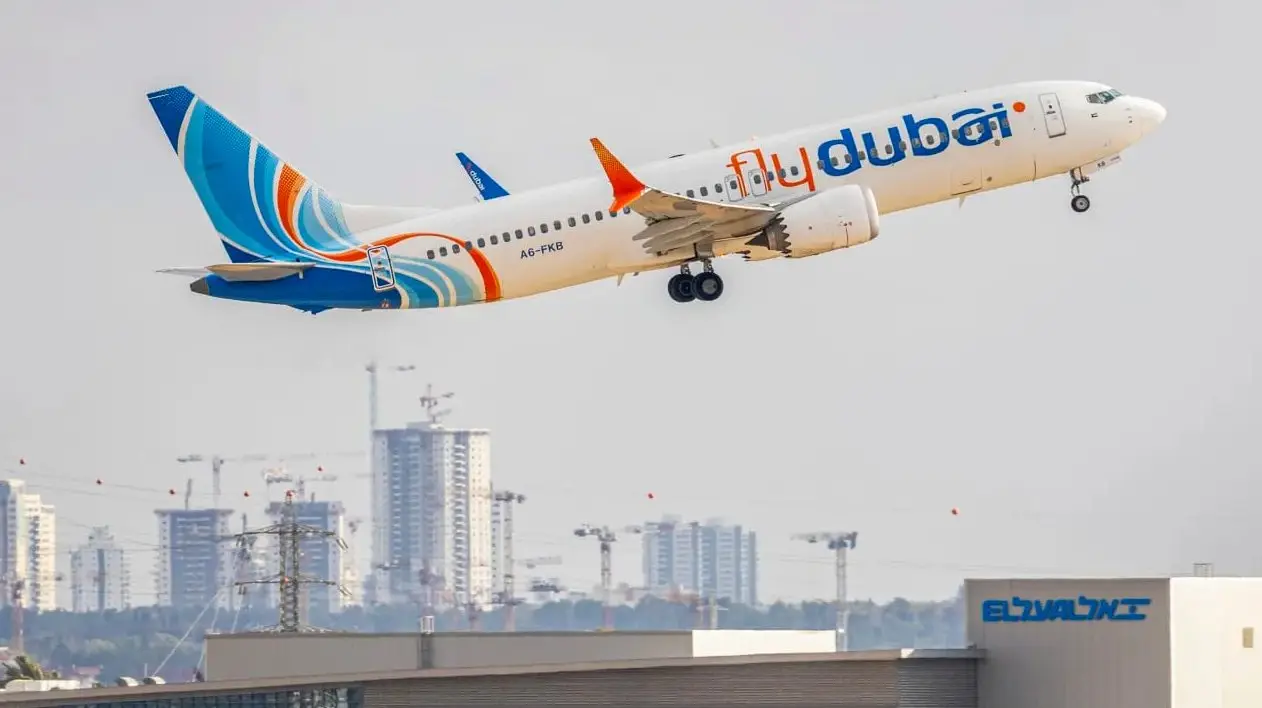
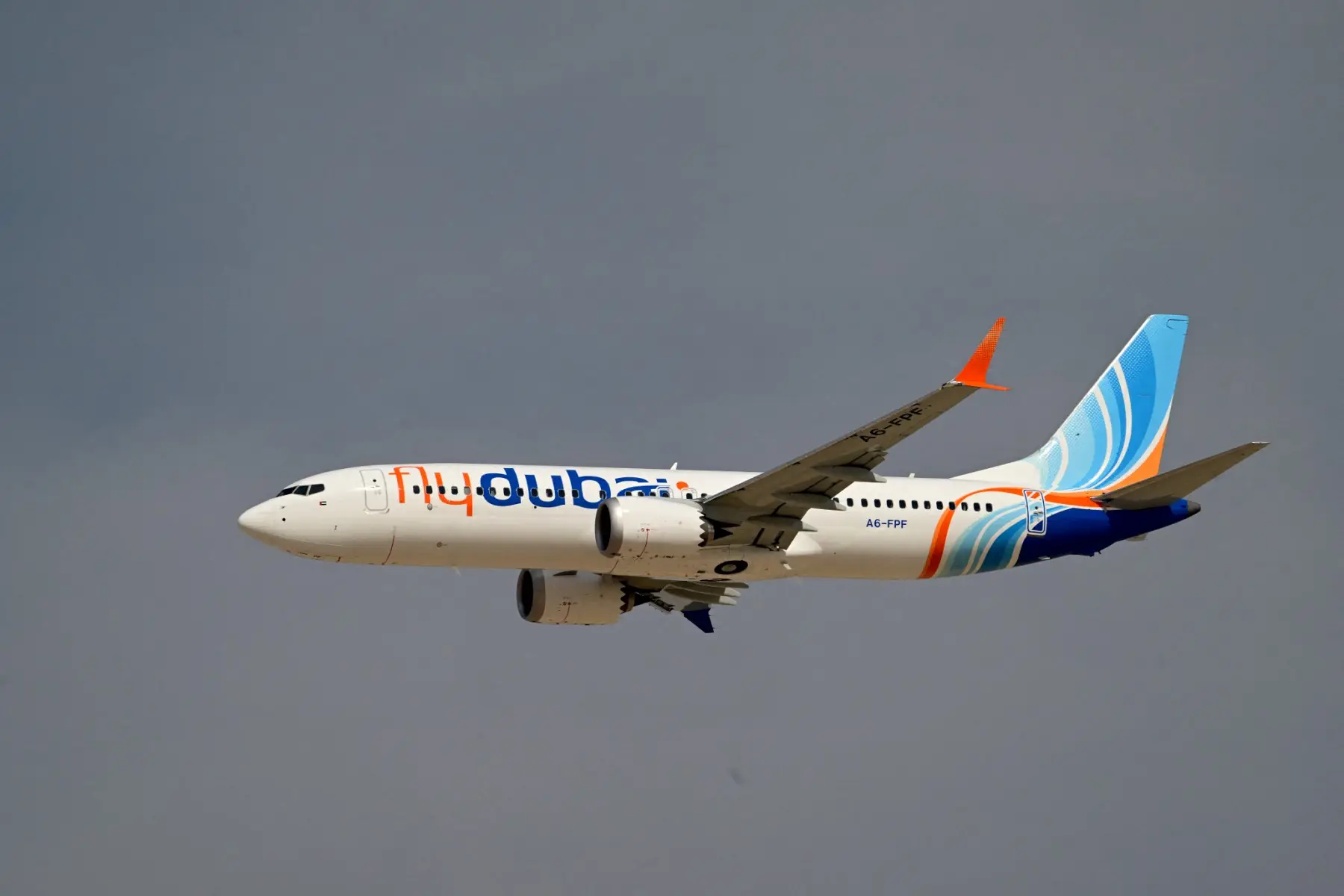
Israel has banned a United Airlines pilot from its airspace over alleged Iran links. This is the latest aviation security action taken by the Jewish nation since Indian captain Smit Machchhar was attacked in the cockpit by an Omani copilot. Machchar was hit with an axe on September 30 when piloting a Flydubai flight bound for Tel Aviv, but passengers, fellow crew, and pilots prevented the alleged attempt to crash the aircraft.
Israel's pilot bans continue
The latest among the bans is United Airlines pilot Sina Amjadian, who has been barred from entering Israeli airspace, Israeli media reported. This came after checking the pilot's social media posts that Israeli officials interpreted as showing support for Iran, the Islamic Revolutionary Guard Corps, and Hezbollah.
From October 1, Israel directed airlines to keep crew members who hold citizenship, including dual nationality, of countries without diplomatic relations with Israel off flights entering or crossing its airspace. This measure covers around 31 countries, including Muslim-majority ones like Pakistan, Oman, Iran, Saudi Arabia, Qatar, Indonesia, Malaysia, Algeria, Tunisia, and Niger.
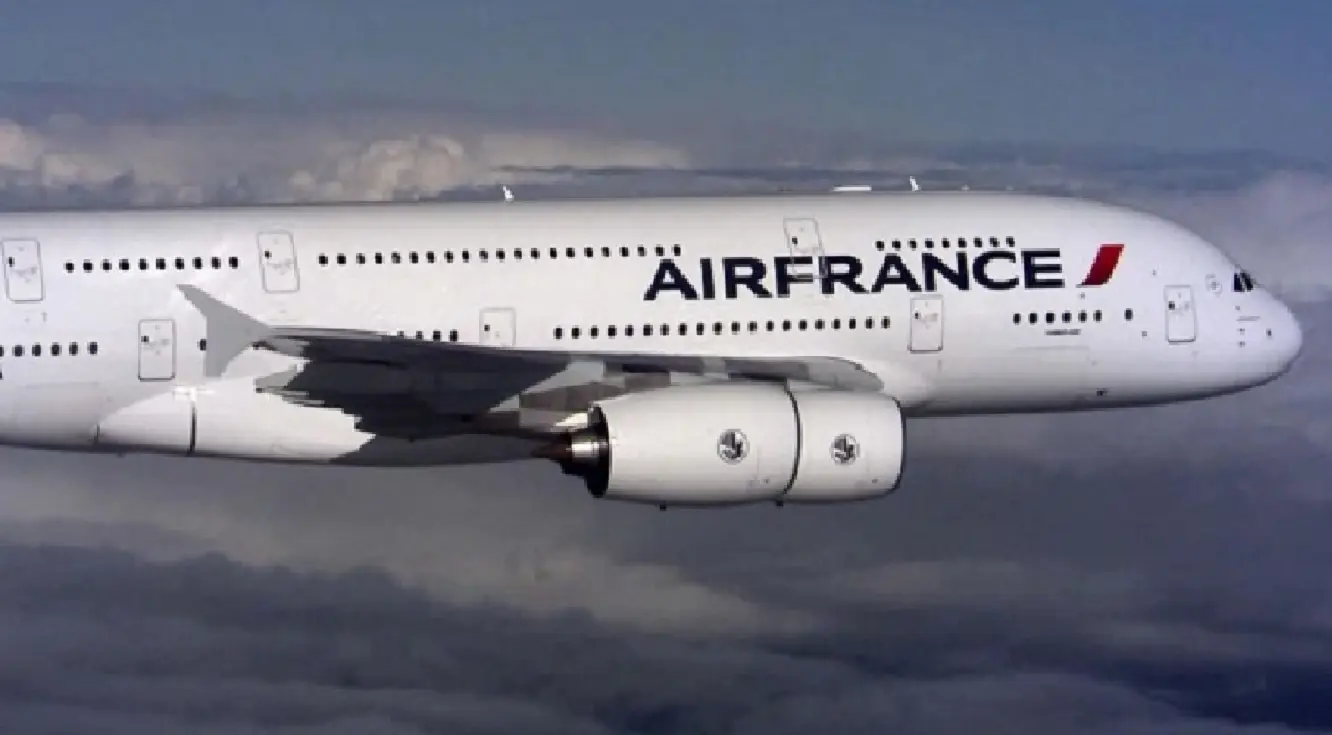
Air France warned staff to comply with the rules, and an Ethiopian Airlines cargo flight was denied entry after Israeli authorities found an Indonesian pilot in the cockpit. The aircraft was turned back to Addis Ababa so the crew could be changed.
Trending Stories


Israeli restrictions affect aviation
Since the attack, Israel has implemented tighter rules for wet-leased flights. In wet leasing, an airline rents an aircraft along with its crew from another operator. Israeli carriers that rely on foreign aircraft and crews have been affected by this move. For instance, Arkia and Israir halted ticket sales on some routes, including services to Marrakech, Morocco, amid uncertainty over the new security requirements.
Israel expands aviation security screening after the attack
Prime Minister Benjamin Netanyahu has ordered tighter aviation security, with authorities expanding identity checks. More comprehensive crew information is being sought for flights that enter Israel, after reports emerged that foreign crew manifests had not been consistently vetted.
The changes have affected individual pilots, airline staffing rosters, and wet-lease arrangements.