Elon Musk’s SpaceX plans 10,000 launches annually in 5 years; FAA says more reliability is required!

&imwidth=600&imheight=450&format=webp&quality=medium "Elon Musk’s SpaceX plans 10,000 launches annually in 5 years; FAA says more reliability is required!")
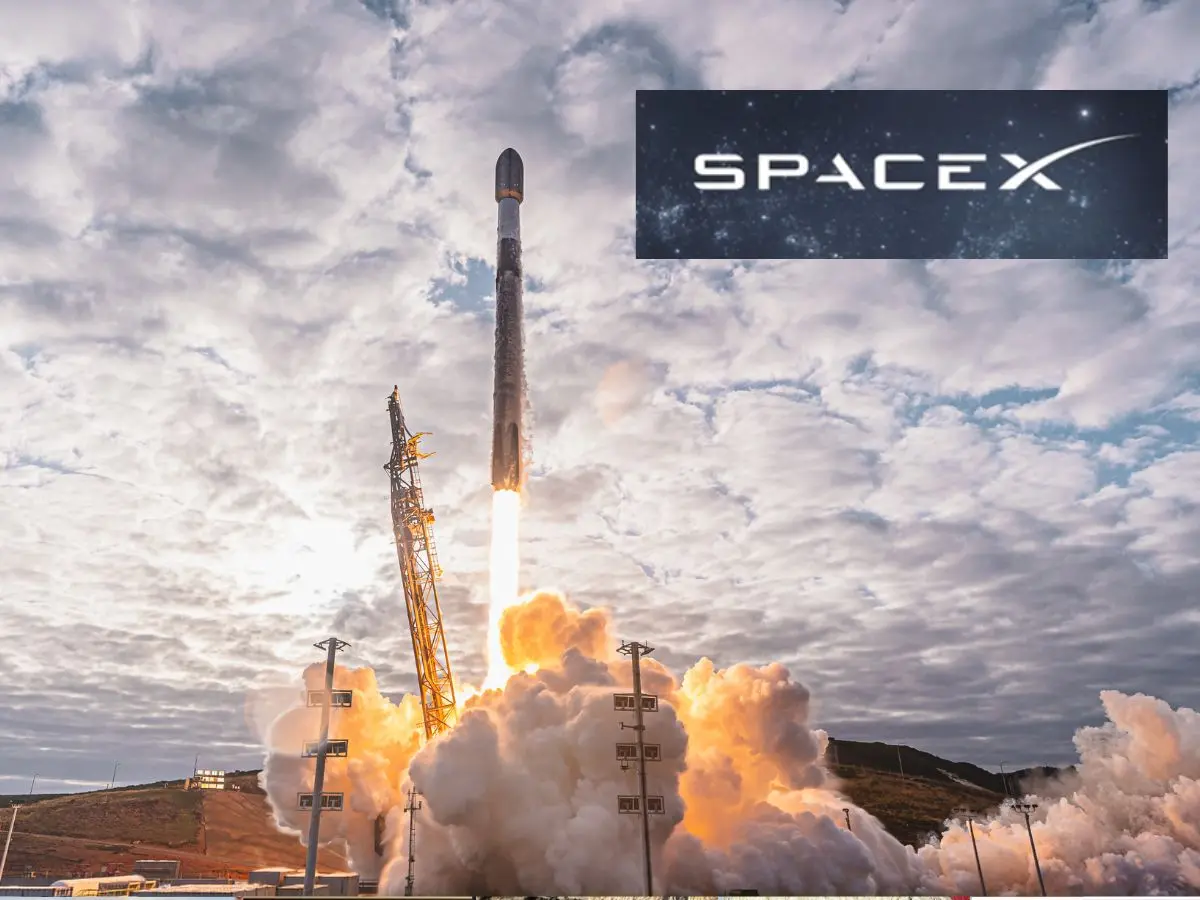
SpaceX outlines ambitious launch target Photograph: (SpaceX/ X)
Founded by Musk in 2002, SpaceX has grown into the world’s largest private space company through reusable rocket technology and its Starlink satellite internet business.
Elon Musk’s SpaceX is aiming to conduct 10,000 launches a year within the next five years, according to US Federal Aviation Administration Administrator Bryan Bedford, who revealed details of a recent meeting with SpaceX President Gwynne Shotwell. The target would represent a dramatic increase from the company’s current launch pace and further expand SpaceX’s dominance in the commercial space industry. Speaking after an aviation forum on Wednesday, Bedford said Shotwell discussed “the SpaceX five-year vision to get to 10,000 launches a year”. Reuters reported that SpaceX carried out 170 launches in 2025 and deployed roughly 2,500 satellites during the year.
In a separate Forbes interview released this week, Musk said SpaceX already has around 10,000 satellites in orbit and eventually plans to launch 10,000 communications satellites annually, though he did not specify a timeline.
FAA raises reliability and safety concerns
Despite the company’s expansion plans, the FAA signalled that regulatory approval would depend heavily on improved operational reliability. “We need to see a lot more reliability,” Bedford told Reuters reporters, adding that SpaceX and regulators had held ‘a very frank conversation’ about future launch demands.
The FAA licenses all commercial space launches in the United States and is responsible for ensuring launches do not interfere with passenger air traffic or create public safety risks. Bedford said the agency is currently reviewing data from previous launches to better assess potential hazards. He also noted that launch operations often require temporary flight restrictions, which ‘can be very disruptive’ to commercial aviation. According to Bedford, the FAA is not currently the main obstacle to launch growth, though he warned that insufficient funding for the agency’s space division could eventually become a limiting factor.
Trending Stories
&imwidth=280&imheight=210&format=webp&quality=medium)
&imwidth=280&imheight=210&format=webp&quality=medium)
&imwidth=280&imheight=210&format=webp&quality=medium)
&imwidth=280&imheight=210&format=webp&quality=medium)
&imwidth=280&imheight=210&format=webp&quality=medium)
&imwidth=280&imheight=210&format=webp&quality=medium)
&imwidth=280&imheight=210&format=webp&quality=medium)
&imwidth=280&imheight=210&format=webp&quality=medium)

&imwidth=280&imheight=210&format=webp&quality=medium)
&imwidth=280&imheight=210&format=webp&quality=medium)
&imwidth=280&imheight=210&format=webp&quality=medium)
&imwidth=280&imheight=210&format=webp&quality=medium)
&imwidth=280&imheight=210&format=webp&quality=medium)
&imwidth=280&imheight=210&format=webp&quality=medium)
&imwidth=280&imheight=210&format=webp&quality=medium)
&imwidth=280&imheight=210&format=webp&quality=medium)
&imwidth=280&imheight=210&format=webp&quality=medium)
&im=FitAndFill=(700,400)&imwidth=280&imheight=210&format=webp&quality=medium)
&imwidth=280&imheight=210&format=webp&quality=medium)
&imwidth=280&imheight=210&format=webp&quality=medium)
&imwidth=280&imheight=210&format=webp&quality=medium)
&imwidth=280&imheight=210&format=webp&quality=medium)
&imwidth=280&imheight=210&format=webp&quality=medium)
&imwidth=280&imheight=210&format=webp&quality=medium)
&im=FitAndFill=(700,400)&imwidth=280&imheight=210&format=webp&quality=medium)
&imwidth=280&imheight=210&format=webp&quality=medium)
&im=FitAndFill=(700,400)&imwidth=280&imheight=210&format=webp&quality=medium)
&imwidth=280&imheight=210&format=webp&quality=medium)
&im=FitAndFill=(700,400)&imwidth=280&imheight=210&format=webp&quality=medium)

&im=FitAndFill=(700,400)&imwidth=280&imheight=210&format=webp&quality=medium)
&imwidth=280&imheight=210&format=webp&quality=medium)
&imwidth=280&imheight=210&format=webp&quality=medium)
&imwidth=280&imheight=210&format=webp&quality=medium)
SpaceX’s broader ambitions
Founded by Musk in 2002, SpaceX has grown into the world’s largest private space company through reusable rocket technology and its Starlink satellite internet business. In January, the company said it hopes to eventually deploy a constellation of one million satellites capable of powering AI-focused infrastructure in space. SpaceX recently disclosed IPO-related financial details showing that Starlink remains its only profitable division, while investments linked to artificial intelligence continue to drive significant spending. Starlink network of about 10,000 satellites offers broadband internet to consumers, governments and enterprise customers.
Bedford added that the US government’s broader space ambitions, including plans backed by US President Donald Trump to return astronauts to the Moon before 2028, would require closer coordination between regulators and private industry.