WION Decodes| What is Trump’s $1.7B ‘weaponization’ fund? Proposal outlines compensation for alleged 'political targeting'

According to the US Justice Department, the fund would provide a formal process for people alleging political targeting to seek financial compensation, formal apologies and other forms of redress.
A Controversial Settlement
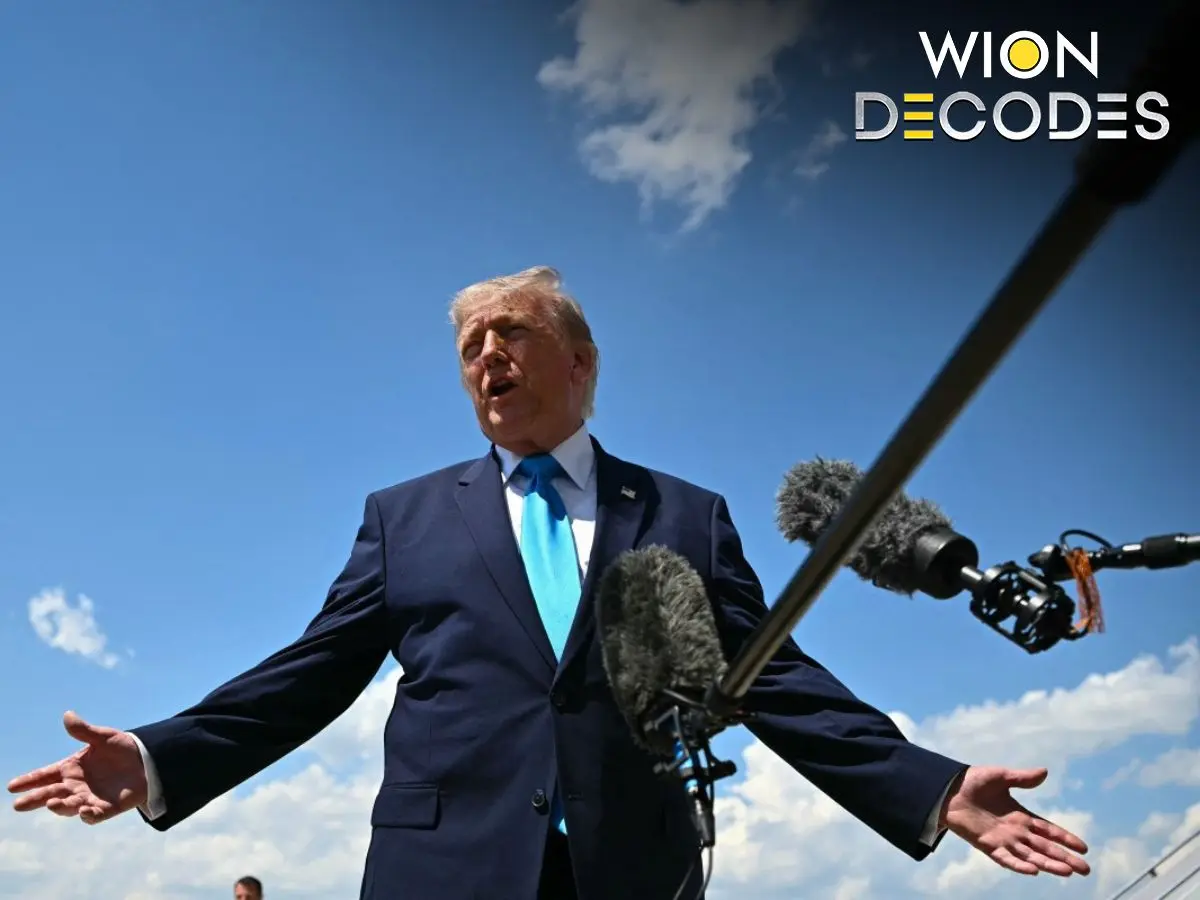
The Trump administration has announced a nearly $1.8 billion ‘Anti-Weaponization Fund’, a proposal that could compensate individuals who claim they were unfairly targeted by the US government for political or ideological reasons. The plan emerged as part of a settlement resolving Donald Trump’s $10 billion lawsuit against the Internal Revenue Service over the leak of his tax returns. According to the US Justice Department, the fund would provide a formal process for people alleging political targeting to seek financial compensation, formal apologies and other forms of redress. The proposal has immediately triggered political and legal backlash, with Democrats and ethics watchdogs calling it unconstitutional and politically motivated.

How the Fund Would Work
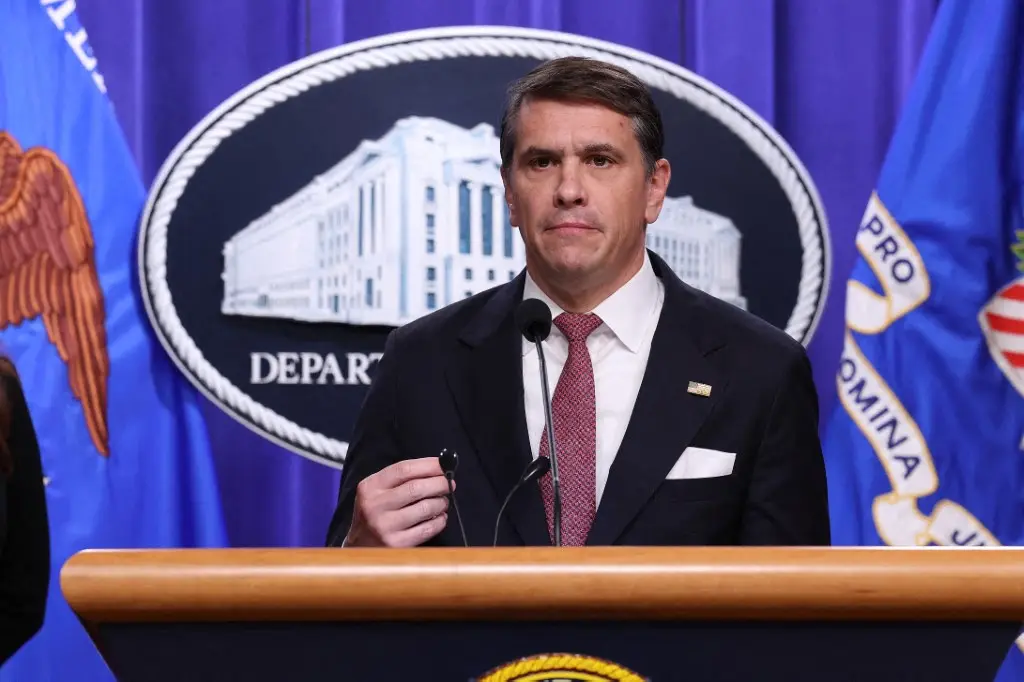
The Justice Department said the fund would receive $1.776 billion from the federal judgment fund, which is normally used to pay court judgments and settlements involving the government. The programme would operate until December 2028 and would be overseen by a five-member commission appointed by Acting Attorney General Todd Blanche. Blanche described the initiative as “a lawful process for victims of lawfare and weaponization to be heard and seek redress”. The department said claims could be filed by people or entities alleging they were targeted for “political, ideological or personal reasons”. However, officials have not clarified who would qualify for compensation or how claims would be assessed.
Why Critics Oppose It
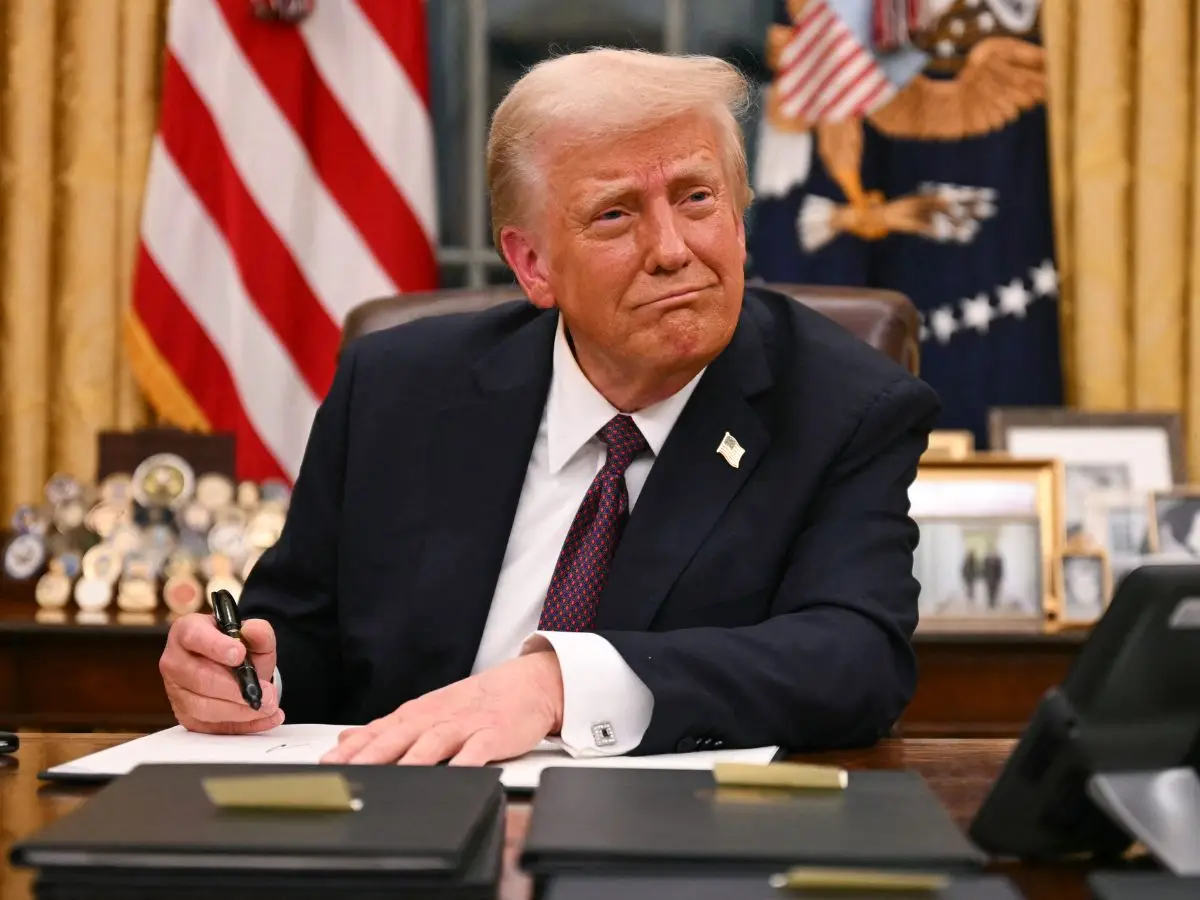
According to AP, Democratic lawmakers opposing the move argue the proposal could effectively become a taxpayer-funded compensation system for Trump allies and supporters. Representative Jamie Raskin, the top Democrat on the House Judiciary Committee, called the proposal “a racket designed to take $1.7 billion of taxpayer dollars out of the Treasury”. Legal experts cited by Reuters said challengers could argue the IRS settlement violates multiple laws if they establish standing in court. One key concern is whether the fund breaches the US Constitution’s Appropriations Clause, since Congress did not authorise the payments. Another question is whether the judgment fund can legally compensate individuals without active claims against the government. Experts have also raised concerns over Trump’s tax immunity provision and whether it conflicts with laws protecting IRS audits from political interference.
Jan. 6 Cases and Trump Allies
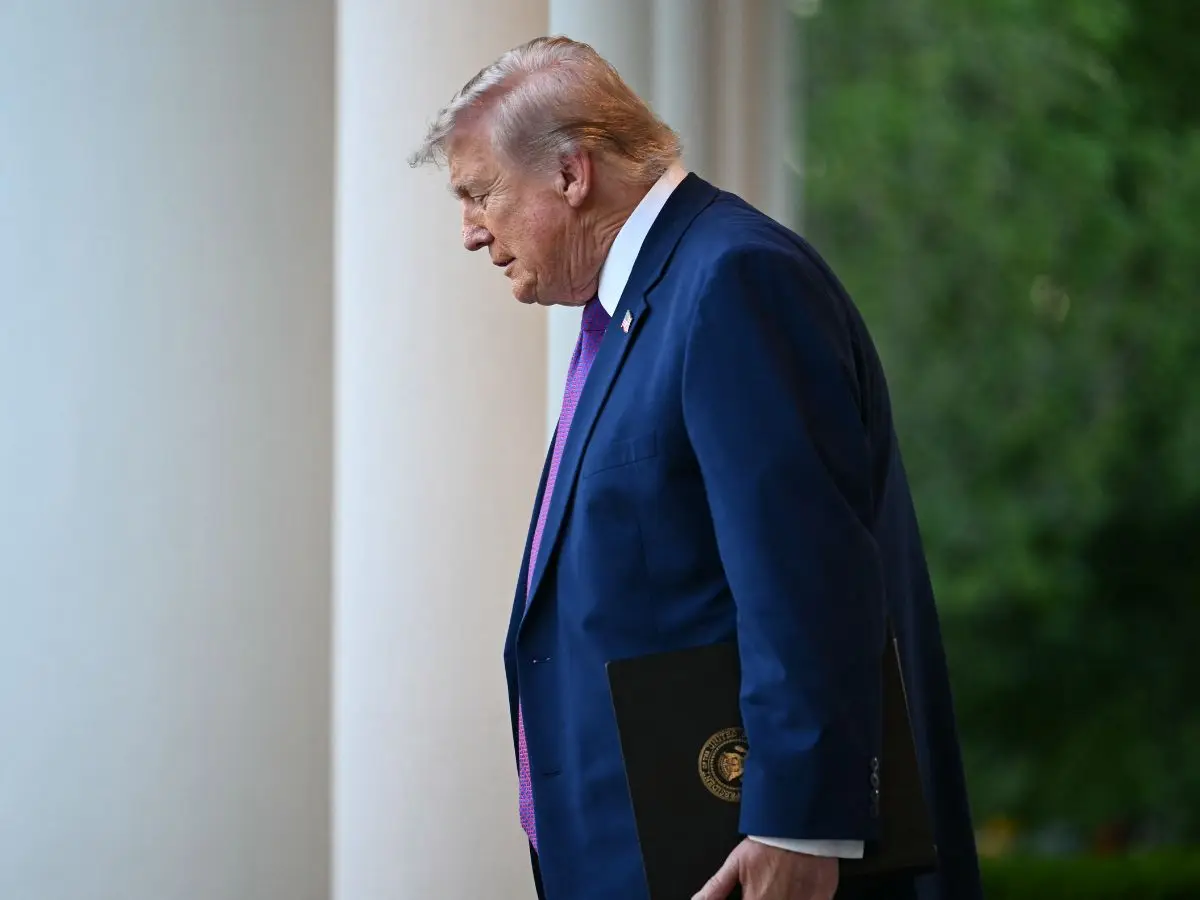
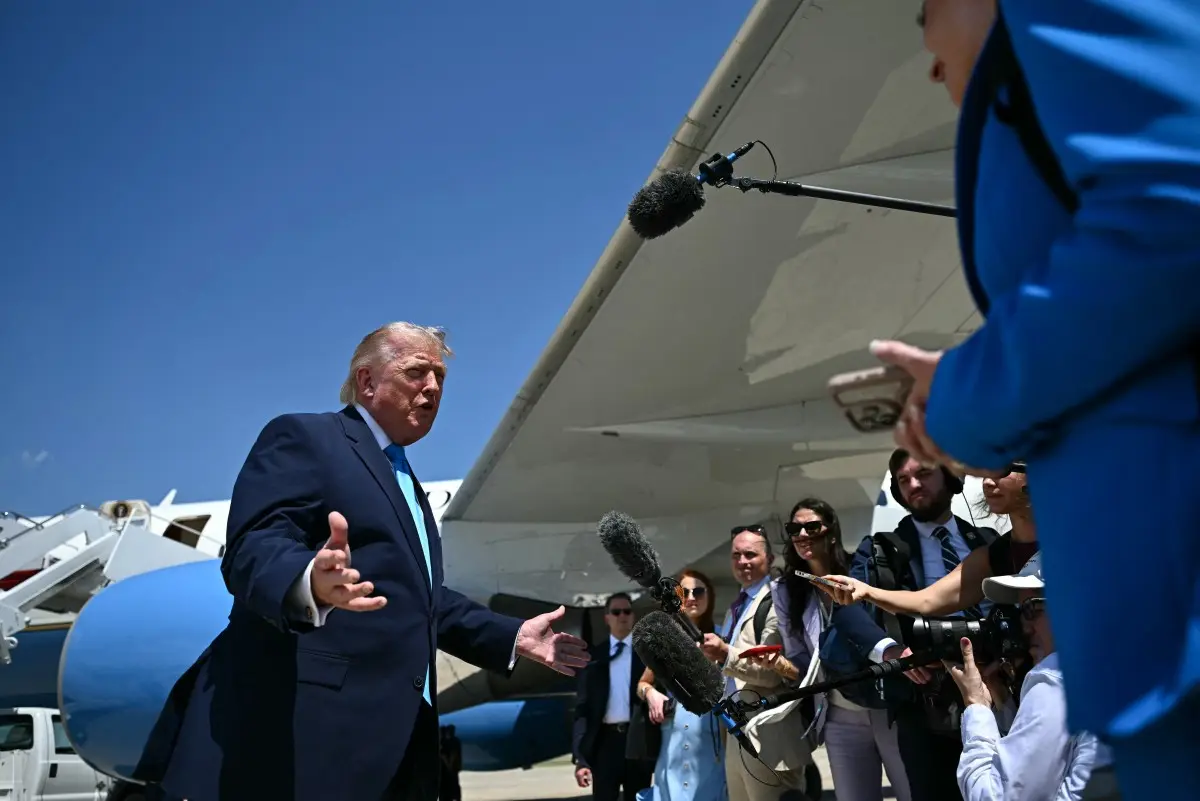
The Justice Department has not identified potential beneficiaries, but the proposal has drawn attention because of investigations involving Trump allies and January 6 Capitol riot defendants. More than 1,500 people were charged in connection with the 2021 Capitol riot, including over 250 convicted of assault offences. Trump, after returning to office, pardoned or commuted sentences for many defendants. Asked whether violent January 6 offenders could receive compensation, AP said that Trump told reporters: “It’ll all be dependent on a committee.” Other Trump allies investigated during the Biden administration included Steve Bannon and Peter Navarro, both of whom were convicted of contempt-related offences and later became prominent critics of what they described as politicised prosecutions.
Blanche-appointed commission
The Justice Department said the fund will receive $1.776 billion from the federal judgment fund, operate until Dec 15, 2028, and be managed by a five-member commission appointed by Blanche, including one member selected in consultation with congressional leadership. The department added that the president would have the authority to remove any commission member.
A Broader Political Argument
The proposal reflects Trump’s long-standing claim that the Justice Department under Joe Biden was ‘weaponized’ against him and his supporters. Critics, however, note that Biden himself was investigated over classified documents, while his son Hunter Biden faced gun and tax charges. The announcement has intensified debate over the boundaries of presidential power, political accountability and the use of taxpayer funds. Legal and political challenges to the proposal are expected to continue in the coming months.
)
)
)
)
)