Trump administration plans to cut US forces available to NATO during crises, yet retain nuclear shield

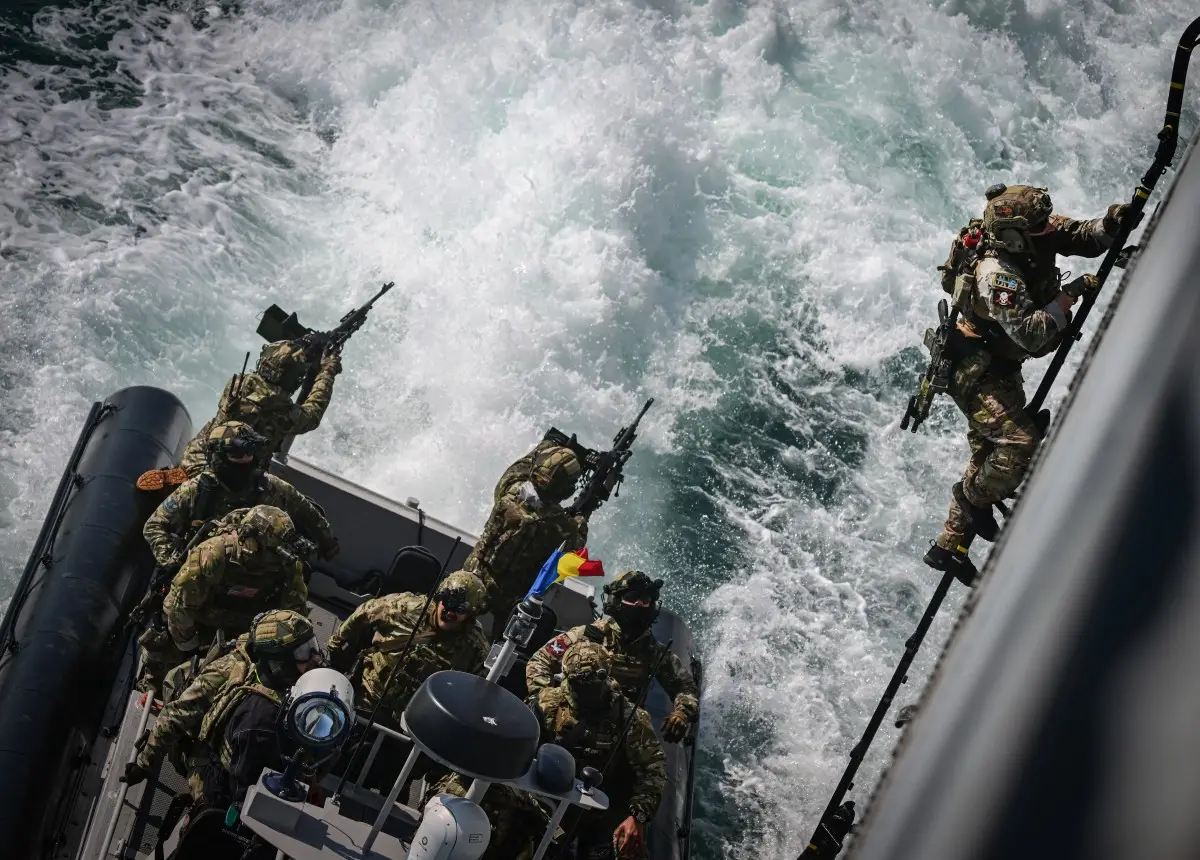
The move relates to adjustments under the NATO Force Model, which defines the pool of forces member states can activate in wartime or large-scale emergencies.
Shift in NATO force planning framework
The Trump administration is set to inform NATO allies of a significant reduction in the US military capabilities earmarked for alliance support during major crises, according to sources familiar with the matter cited by Reuters. The move relates to adjustments under the NATO Force Model, which defines the pool of forces member states can activate in wartime or large-scale emergencies. While the change alters planning commitments, it does not immediately reduce US troop numbers stationed in Europe.
Europe pivot and strategic recalibration
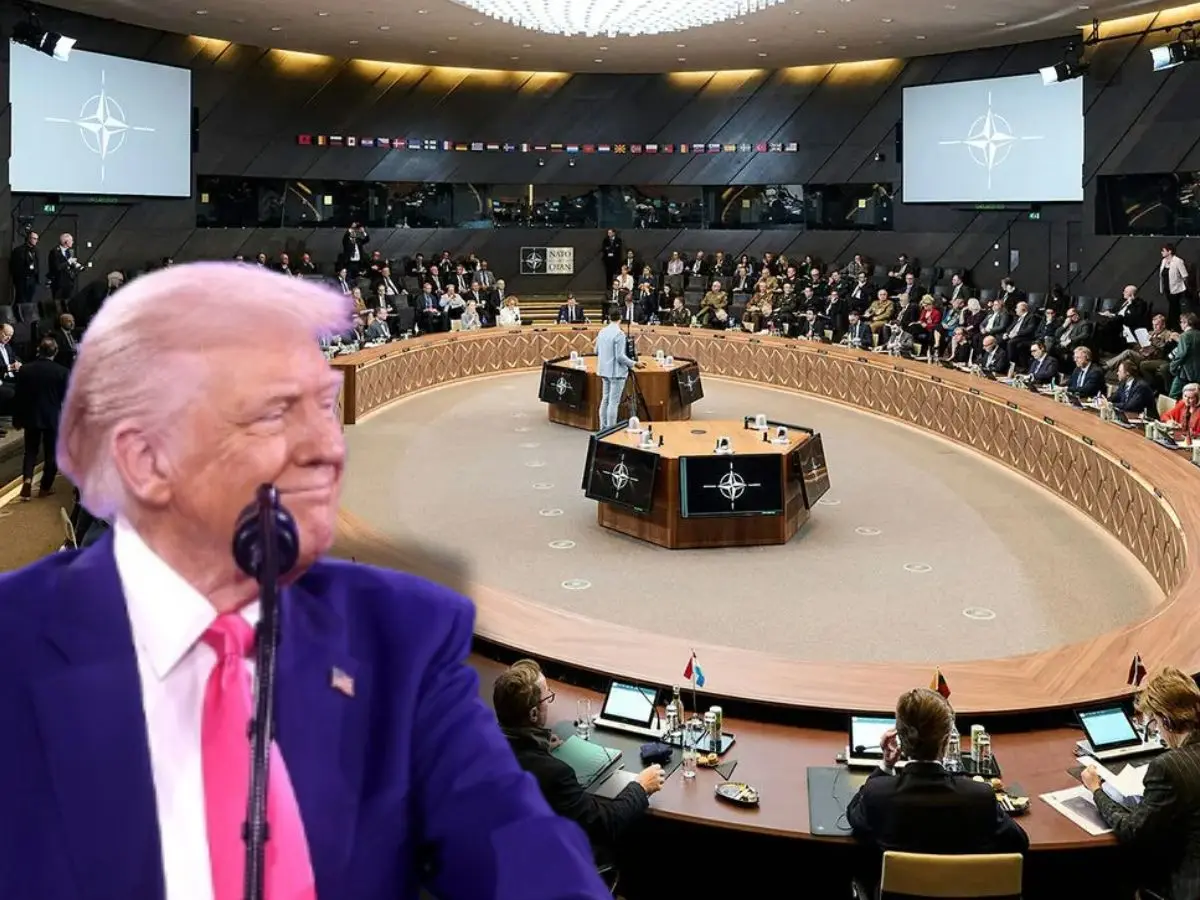
The planned reduction aligns with Washington’s broader ‘America First’ defence posture, under which European allies are expected to take greater responsibility for continental security. Euronews reported that the US currently maintains around 76,000 troops across NATO territory, the highest level since the Cold War, largely driven by Russia’s war in Ukraine. Officials say the announcement expected in Brussels will focus on revising available wartime capabilities rather than altering existing deployments.
Nuclear deterrence remains central
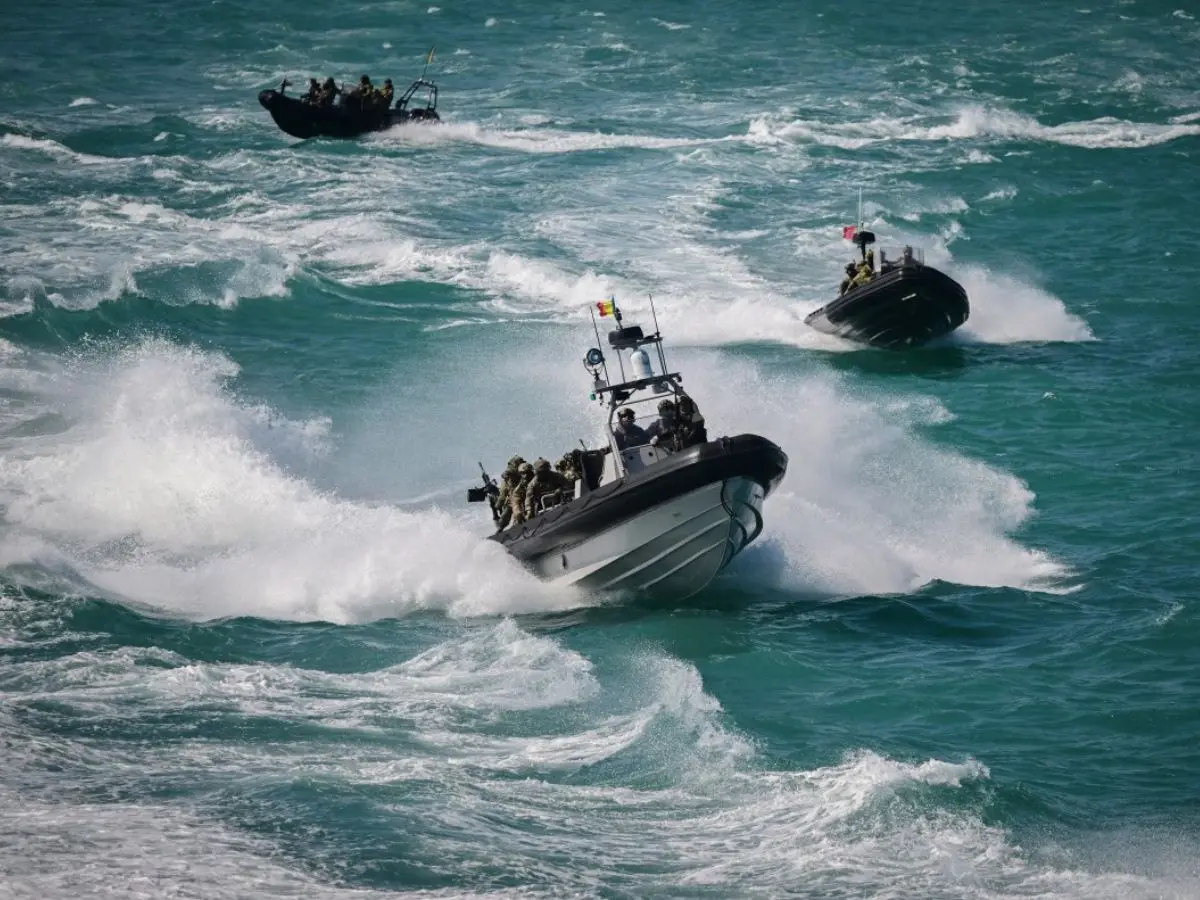
Despite the reduction in conventional force commitments, US policy will continue to extend nuclear protection to NATO allies. Pentagon policy chief Elbridge Colby has reiterated that the United States will maintain its nuclear umbrella, even as Europe assumes a larger role in conventional defence responsibilities. NATO senior military adviser Colonel Martin O’Donnell told Euronews that the adjustments are part of ongoing strategic coordination between US and NATO planners.
Growing transatlantic strain
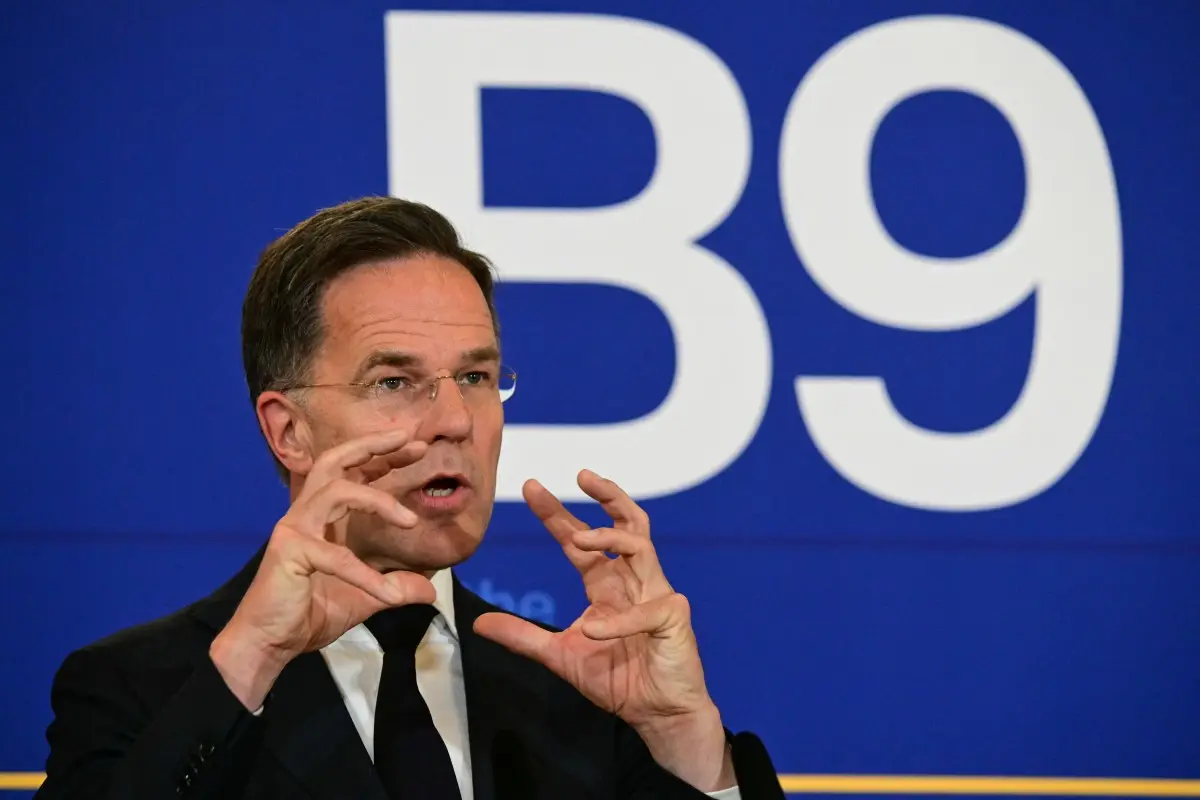
The announcement comes amid heightened tensions within the alliance, with some European members concerned about long-term US reliability. According to Reuters, NATO Secretary General Mark Rutte acknowledged the shift, saying it was “to be expected” as the alliance seeks to “end the over-reliance … on one ally.” He added that the adjustment reflects evolving burden-sharing expectations rather than a break in commitments.
Troop reductions and political pressure
Recent weeks have already seen Washington propose the withdrawal of roughly 5,000 troops from Europe and the cancellation of the planned deployment of a 4,000-strong force from the US Army’s 2nd Armoured Brigade Combat Team in Poland, moves that drew criticism from US lawmakers. A senior NATO diplomat also told the news agency that there remains an expectation that the United States would still respond in a crisis, even as allies reassess force dependencies.
Strategic uncertainty and alliance future
While European governments argue they are increasing defence spending, they acknowledge that capability gaps cannot be closed quickly. Meanwhile, Trump and his advisers have repeatedly criticised European reliance on US conventional forces. Additional tensions, including disputes over defence priorities and geopolitical flashpoints, continue to shape uncertainty over the long-term structure of NATO’s collective security framework.
)
)
)
)
)