Elon Musk loses OpenAI lawsuit as jury rules case filed too late

&imwidth=600&imheight=450&format=webp&quality=medium "Elon Musk loses OpenAI lawsuit as jury rules case filed too late")
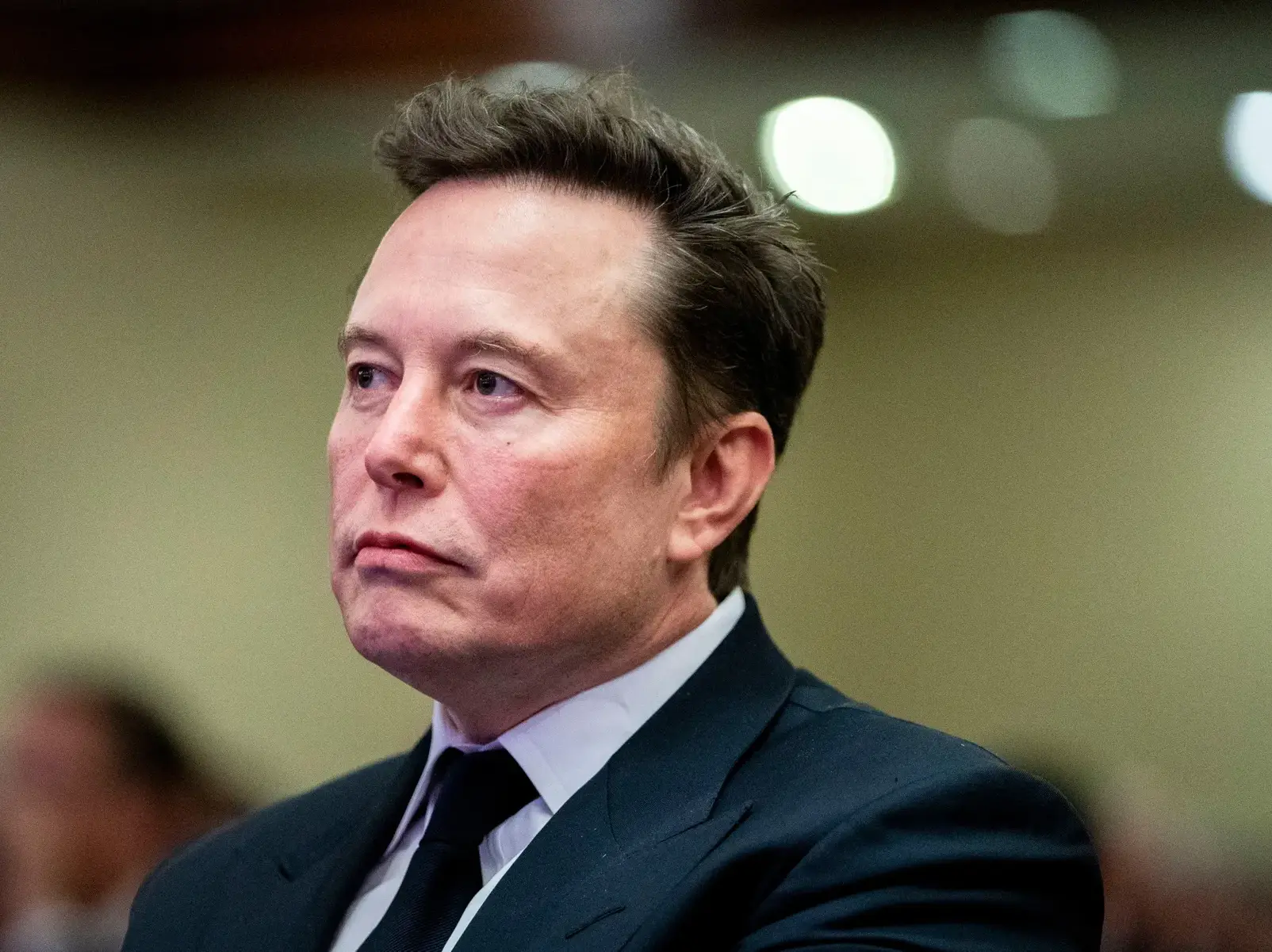
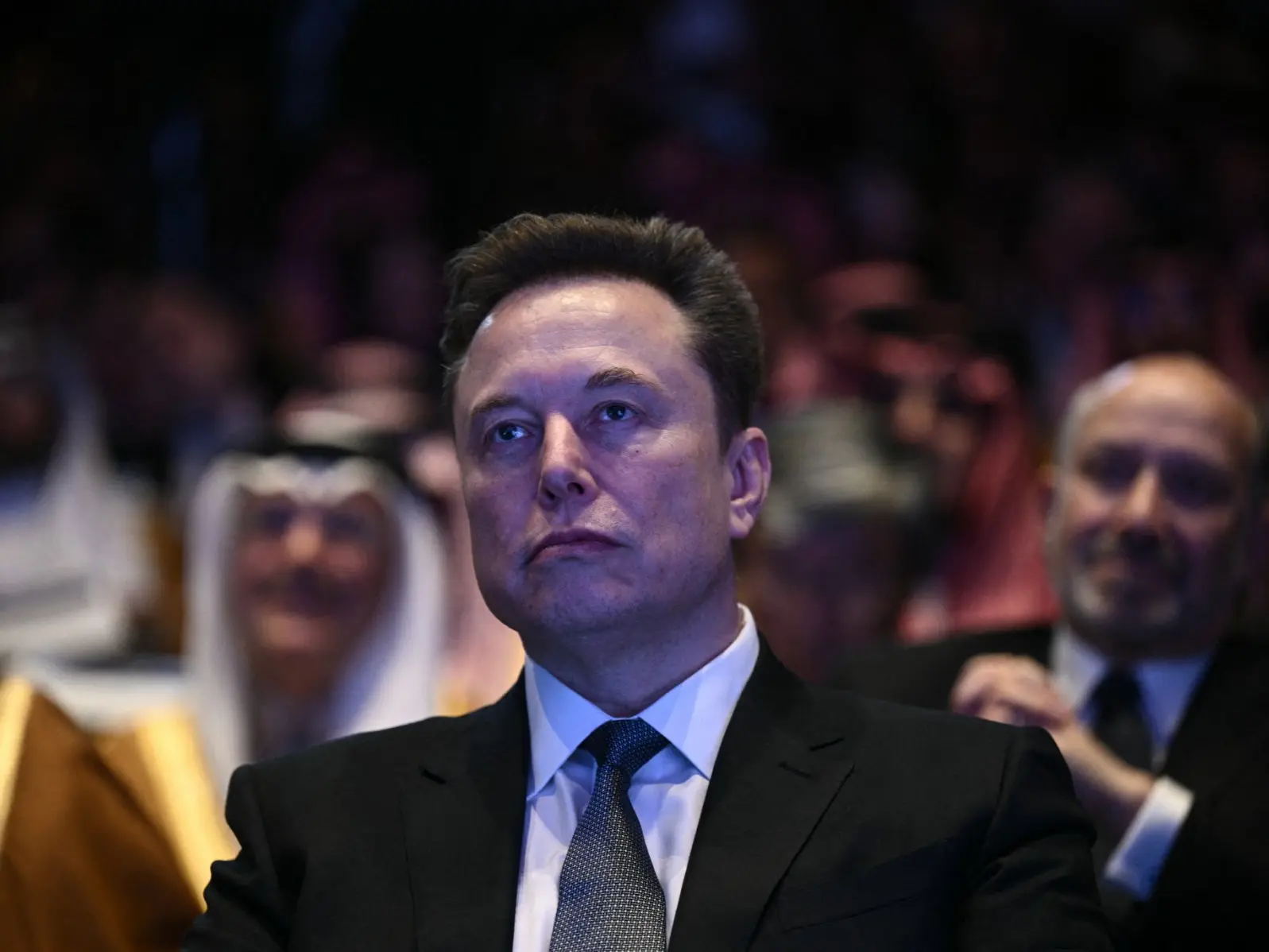
Elon Musk loses OpenAI lawsuit as jury rules case filed too late Photograph: (Credit: AFP)
Elon Musk loses his massive lawsuit against OpenAI as an Oakland jury unanimously rules the case was filed after the statute of limitations deadline.
A jury in California took less than two hours to decide that Elon Musk waited too long to file a lawsuit against his one-time business partner Sam Altman over the direction he steered the artificial intelligence company OpenAI, since the two had a falling out nearly a decade ago. Musk had sought up to $134 billion in damages and Altman's ouster from OpenAI, arguing the company abandoned its founding nonprofit mission in pursuit of profit. But after the judge accepted the jury's finding, Musk appears unlikely to get either. The jury found Altman, co-founder Greg Brockman and OpenAI not liable on all claims after a three-week trial that captivated the tech industry and could have reshaped the race to develop artificial intelligence. On the same statute of limitations grounds, the jury also rejected Musk's claim that Microsoft aided and abetted Altman and Brockman in allegedly breaching their duty to OpenAI.
Judge Yvonne Gonzalez Rogers confirmed the verdict, saying: "I think that there's a substantial amount of evidence to support the jury's finding, which is why I was prepared to dismiss on the spot." OpenAI was established in 2015 as a nonprofit aiming to create advanced AI for the benefit of humanity. But by 2017, the founders were convinced they needed to set up a for-profit arm to raise money and attract researchers. Musk wanted control, but the others disagreed, and he left the board in 2018. He sued Altman and OpenAI in 2024, alleging they violated their commitment to keep the AI lab as a nonprofit, and testified that he gave roughly $38 million to OpenAI on the understanding it would develop AI "for the benefit of humanity." The question of whether Musk dragged his feet before suing was a primary topic of the trial, including when Musk was on the witness stand for three days. The time limits were strict: three years for a claim that Altman and Brockman breached a duty of charitable trust, and two years for a claim that they unlawfully enriched themselves.
Also read: ‘Google will win the AI race in the West, China on Earth, and SpaceX in space,’ says Elon Musk
OpenAI's attorneys argued the company's mission hasn't changed, that it is still run by a non-profit foundation board, and that Musk waited to file the suit until after he founded his own competing artificial intelligence company, xAI. "The finding of the jury confirms that what this lawsuit was, was a hypocritical attempt to sabotage a competitor," said OpenAI attorney William Savitt. Musk's lawyer Steven Molo said the legal team was preserving Musk's right to appeal but had not yet decided how to proceed.
The trial shed light on the bitter falling-out between the two Silicon Valley titans and the origins of OpenAI, now a company valued at $852 billion and moving toward potentially one of the largest initial public offerings in history. The verdict also comes at a critical time for both men, as Musk's SpaceX, which now includes xAI and is expected to disclose its own IPO prospectus in the coming days, in what could rival OpenAI's record offering.
&imwidth=280&imheight=210&format=webp&quality=medium)
&imwidth=280&imheight=210&format=webp&quality=medium)
&im=FitAndFill=(700,400)&imwidth=280&imheight=210&format=webp&quality=medium)
&imwidth=280&imheight=210&format=webp&quality=medium)
&imwidth=280&imheight=210&format=webp&quality=medium)
&imwidth=280&imheight=210&format=webp&quality=medium)
&imwidth=280&imheight=210&format=webp&quality=medium)
&imwidth=280&imheight=210&format=webp&quality=medium)
&imwidth=280&imheight=210&format=webp&quality=medium)
&imwidth=280&imheight=210&format=webp&quality=medium)
&imwidth=280&imheight=210&format=webp&quality=medium)
&imwidth=280&imheight=210&format=webp&quality=medium)
&imwidth=280&imheight=210&format=webp&quality=medium)
&imwidth=280&imheight=210&format=webp&quality=medium)
&imwidth=280&imheight=210&format=webp&quality=medium)
&imwidth=280&imheight=210&format=webp&quality=medium)
&imwidth=280&imheight=210&format=webp&quality=medium)
&imwidth=280&imheight=210&format=webp&quality=medium)
&imwidth=280&imheight=210&format=webp&quality=medium)
&imwidth=280&imheight=210&format=webp&quality=medium)
&imwidth=280&imheight=210&format=webp&quality=medium)
&imwidth=280&imheight=210&format=webp&quality=medium)
&imwidth=280&imheight=210&format=webp&quality=medium)
&imwidth=280&imheight=210&format=webp&quality=medium)
&imwidth=280&imheight=210&format=webp&quality=medium)
&imwidth=280&imheight=210&format=webp&quality=medium)
&im=FitAndFill=(700,400)&imwidth=280&imheight=210&format=webp&quality=medium)
&imwidth=280&imheight=210&format=webp&quality=medium)
&imwidth=280&imheight=210&format=webp&quality=medium)
&imwidth=280&imheight=210&format=webp&quality=medium)
&imwidth=280&imheight=210&format=webp&quality=medium)
&imwidth=280&imheight=210&format=webp&quality=medium)
&imwidth=280&imheight=210&format=webp&quality=medium)
&imwidth=280&imheight=210&format=webp&quality=medium)
&imwidth=280&imheight=210&format=webp&quality=medium)

