Chinese chokehold on rarest of rare earths is squeezing US defence and semiconductor industries. Here is how

&imwidth=600&imheight=450&format=webp&quality=medium "Chinese chokehold on rarest of rare earths is squeezing US defence and semiconductor industries. Here is how")
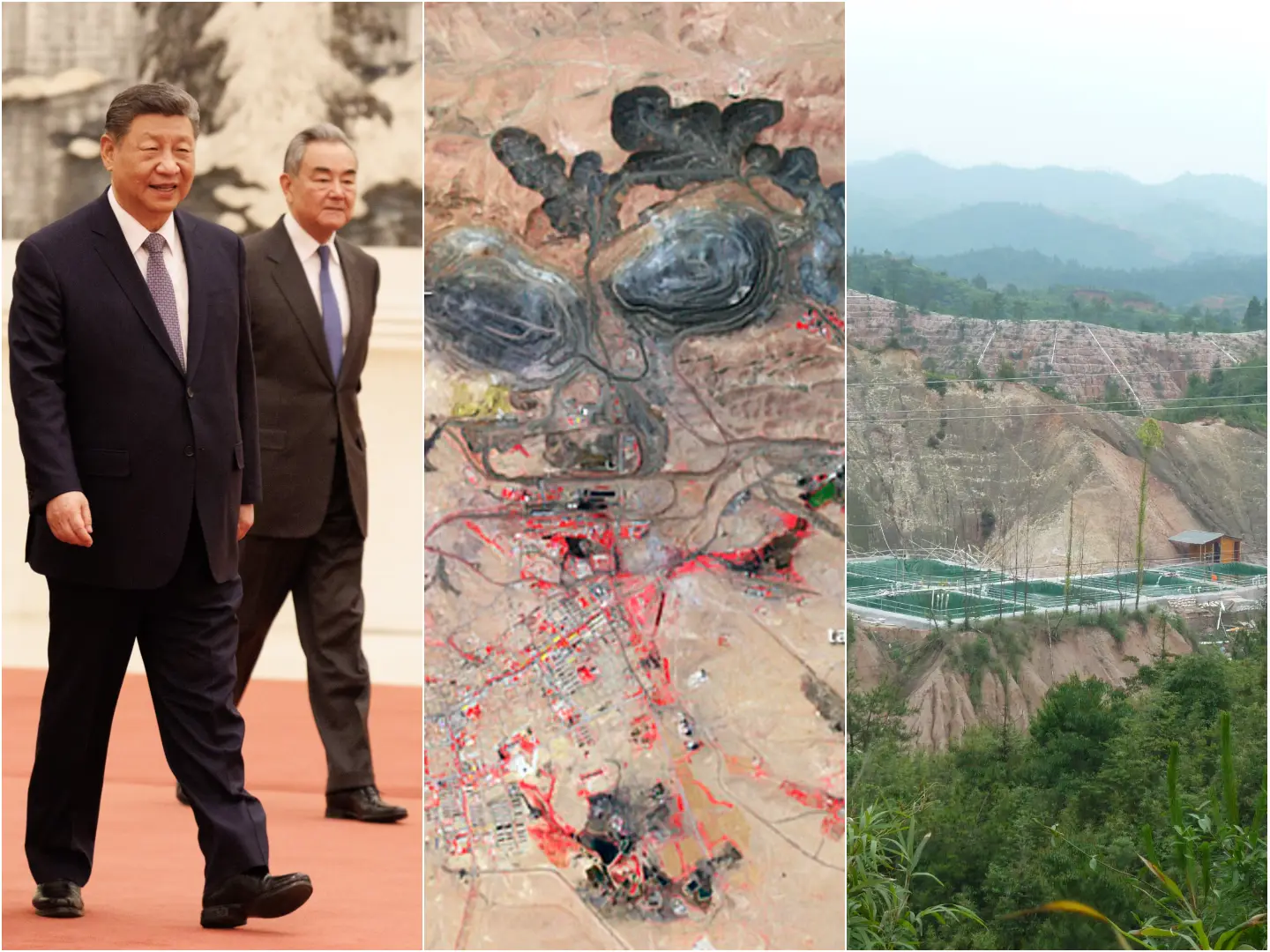
Chinese President Xi Jinping and some Chinese rare earth deposits are shown in this image Photograph: (Others)
China’s export curbs on rare earths like yttrium and scandium are causing supply shortages in US aerospace and chipmaker industries. Reliance on Chinese mining and processing of rare earths is emerging as a liability for these industries. And a solution is far away
China’s near-absolute dominance of some of the rarest rare-earth elements is choking US defence and semiconductor industries that depend on these critical minerals. According to a recent Reuters report, suppliers to US aerospace and chip-making firms are facing worsening shortages of certain rare earth elements, particularly niche ones like yttrium and scandium known. At least two suppliers have turned away some clients due to these constraints, the report said, citing sources.
Why are rare earths like yttrium and scandium important?
Yttrium and scandium are generally classified as heavy rare earths, a category that also includes elements such as dysprosium and terbium. Yttrium and scandium are critical for high-performance applications in aerospace and chips. They play vital roles in defence technology and aerospace components, and are used in coatings and other specialised parts.
In the semiconductor industry, these rare earths are used in next-generation 5G chips and other advanced components.
China’s export controls on rare earths
Amid trade tensions over critical minerals, China imposed export controls in April 2025 on several medium and heavy rare earths. This action sharply reduced overseas shipments, The shortages of rare earths mentioned above persisted despite a partial trade truce later in 2025.
Trending Stories
&imwidth=280&imheight=210&format=webp&quality=medium)
&imwidth=280&imheight=210&format=webp&quality=medium)
&imwidth=280&imheight=210&format=webp&quality=medium)
&imwidth=280&imheight=210&format=webp&quality=medium)
&imwidth=280&imheight=210&format=webp&quality=medium)
&imwidth=280&imheight=210&format=webp&quality=medium)
&imwidth=280&imheight=210&format=webp&quality=medium)
&imwidth=280&imheight=210&format=webp&quality=medium)
&imwidth=280&imheight=210&format=webp&quality=medium)
&imwidth=280&imheight=210&format=webp&quality=medium)
&imwidth=280&imheight=210&format=webp&quality=medium)
&imwidth=280&imheight=210&format=webp&quality=medium)
&imwidth=280&imheight=210&format=webp&quality=medium)
&imwidth=280&imheight=210&format=webp&quality=medium)
&imwidth=280&imheight=210&format=webp&quality=medium)
&imwidth=280&imheight=210&format=webp&quality=medium)
&imwidth=280&imheight=210&format=webp&quality=medium)
&imwidth=280&imheight=210&format=webp&quality=medium)
&imwidth=280&imheight=210&format=webp&quality=medium)
&imwidth=280&imheight=210&format=webp&quality=medium)
&imwidth=280&imheight=210&format=webp&quality=medium)
&imwidth=280&imheight=210&format=webp&quality=medium)
&imwidth=280&imheight=210&format=webp&quality=medium)
&imwidth=280&imheight=210&format=webp&quality=medium)
&imwidth=280&imheight=210&format=webp&quality=medium)
&im=FitAndFill=(700,400)&imwidth=280&imheight=210&format=webp&quality=medium)
&imwidth=280&imheight=210&format=webp&quality=medium)
&imwidth=280&imheight=210&format=webp&quality=medium)
&imwidth=280&imheight=210&format=webp&quality=medium)
&imwidth=280&imheight=210&format=webp&quality=medium)
&im=FitAndFill=(700,400)&imwidth=280&imheight=210&format=webp&quality=medium)
&imwidth=280&imheight=210&format=webp&quality=medium)
&imwidth=280&imheight=210&format=webp&quality=medium)
&imwidth=280&imheight=210&format=webp&quality=medium)
&imwidth=280&imheight=210&format=webp&quality=medium)
The Reuters report, citing Chinese customs data, said that US imports of yttrium products plunged to just 17 tonnes in the eight months after curbs were imposed, from 333 tonnes in the eight months before controls.
Also read: Modi and Lula sign rare earths deal, set target of over $20 billion bilateral trade in 5 years
From jet engines to chips: What is affected by Chinese dominance of rare earths?
China’s control over the rare earth supply chain is creating a strategic vulnerability for US aerospace, affecting avionics, engines and defence systems. However, there are no reports of jet engine or chip manufacturing being halted outright because of the rare-earth curbs by China.
A US official cited in the Reuters report said that some manufacturers face outright “shortages” of certain rare earths from China.
Semiconductor experts warned that low scandium supplies specifically risk next-generation chip production.
China’s leverage in the rare earths sector is growing
China’s responses to US tariffs and tech restrictions have included expanding export controls on rare earths. These curbs particularly targeted defence and chip uses of rare earth materials. China added elements such as holmium, erbium, thulium, europium and ytterbium to the restricted list.
China’s overwhelming dominance in rare earths supply chain
China accounts for a large share of global rare earth mining output. Estimates vary, but it is widely reported to be above 60 to 70 per cent of total production, depending on the minerals.
When it comes to processing and refining rare earths, China controls an even larger share of global capacity. Estimates suggest China dominates around 90 per cent of global separation, refining and processing capacity, making it difficult to bypass China for the high-purity materials needed downstream. For heavy rare earths such as yttrium and scandium, Chinese dominance in processing is often reported at extremely high levels.
China also produces a very large percentage of the global supply of permanent magnets, which are the key end products that use rare earths. These magnets are essential for electric vehicles, wind turbines, aerospace, defence and electronics.
US efforts to diversify are not yet succeeding
China’s export restrictions have disrupted US industries that depend on rare earths. The US has been trying to diversify supply chains with investments in domestic projects and partnerships, including efforts involving MP Materials and Department of Defence initiatives. However, such efforts take time, and processing facilities can take years to become operational. Dependency on China for heavy rare earths may well persist into the 2030s.