China’s ‘dark tourism’ boom: Why are young travelers paying to experience simulated disasters?

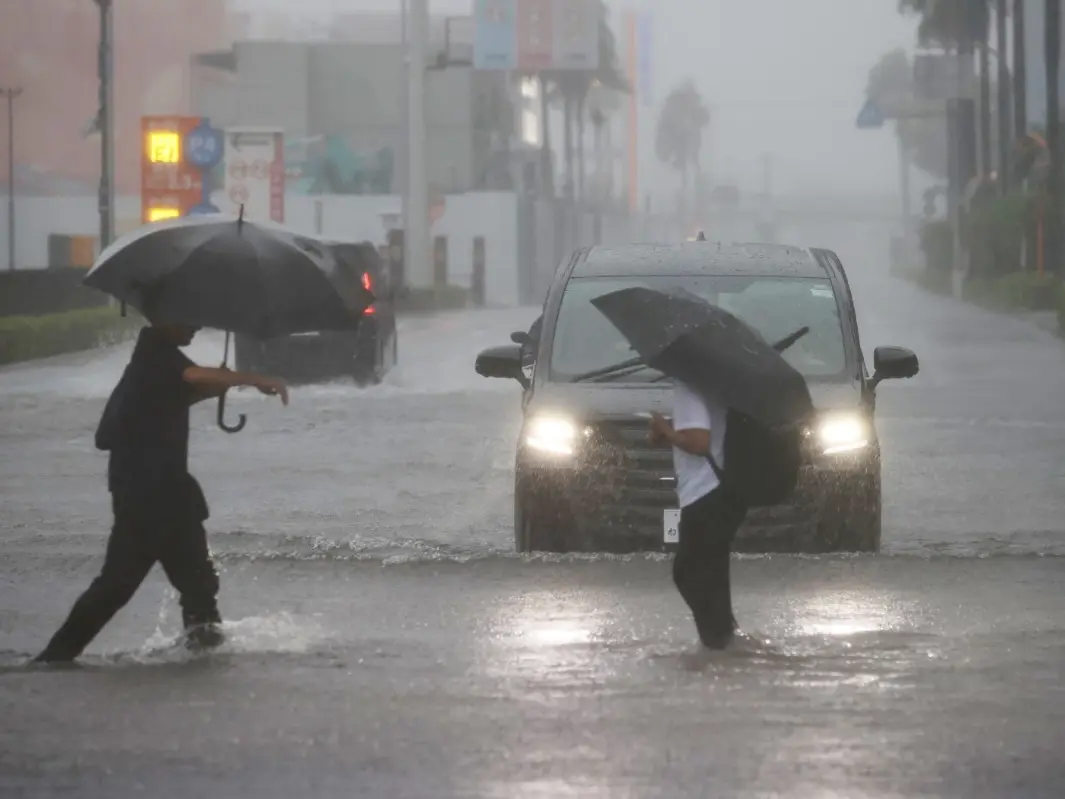&imwidth=600&imheight=450&format=webp&quality=medium "China’s ‘dark tourism’ boom: Why are young travelers paying to experience simulated disasters?")
Representative image. Photograph: (AFP)
The Hangzhou-based company behind Lv’s experience, Lvxing Base, has gone viral for its offerings. Its founders spent a decade making documentaries in some of the world’s most extreme environments before opening a 200,000-square-metre facility in 2024.
An increasing number of young travellers are seeking out simulated natural disasters for a firsthand, controlled taste of a high level of danger, fueling a wave of interest in what is being labelled as 'dark tourism'. The trend was discovered last year by Leon Lv, 28, from Chongqing in south-west China, who was searching the Chinese social media app RedNote for travel inspiration.
The app's algorithm surfaced videos of people battling typhoon-strength winds and flash floods, sparking her curiosity. “I never experienced a typhoon. I don’t know how it will feel and what will happen. I have seen it on the news,” says Leon Lv. “So that’s why I want to go there to have a safe place to experience it and learn something," she added.
Lv travelled more than 1,300km to Hangzhou in eastern China, joining a group of 20 participants in a disaster simulation featuring typhoon-fuelled flooding. As hundreds of tonnes of water swept through the simulated flood, sending people off their feet toward a safety barrier, Lv briefly forgot she was in a controlled environment. “One thing I learned is how to stay calm and protect myself during a flood. I learned how to use the right body position to stay safe,” she says. “No book and no school [can] teach me like that.”
Across Chinese social media platforms, phrases such as “paying to suffer” and “paying to buy fear” have trended online as part of this broader interest in disaster simulations.
Also read: US lawmaker Pramila Jaypal writes to Rubio, urges to raise handling of CJP protest with India
Documentaries in the world’s most extreme environments
Trending Stories
&imwidth=280&imheight=210&format=webp&quality=medium)
&imwidth=280&imheight=210&format=webp&quality=medium)
&imwidth=280&imheight=210&format=webp&quality=medium)
&imwidth=280&imheight=210&format=webp&quality=medium)
&imwidth=280&imheight=210&format=webp&quality=medium)
&imwidth=280&imheight=210&format=webp&quality=medium)
&imwidth=280&imheight=210&format=webp&quality=medium)
&imwidth=280&imheight=210&format=webp&quality=medium)
&imwidth=280&imheight=210&format=webp&quality=medium)
&imwidth=280&imheight=210&format=webp&quality=medium)

&imwidth=280&imheight=210&format=webp&quality=medium)
&imwidth=280&imheight=210&format=webp&quality=medium)
&imwidth=280&imheight=210&format=webp&quality=medium)
&imwidth=280&imheight=210&format=webp&quality=medium)
&imwidth=280&imheight=210&format=webp&quality=medium)
&imwidth=280&imheight=210&format=webp&quality=medium)
&im=FitAndFill=(700,400)&imwidth=280&imheight=210&format=webp&quality=medium)
&imwidth=280&imheight=210&format=webp&quality=medium)
&imwidth=280&imheight=210&format=webp&quality=medium)
&imwidth=280&imheight=210&format=webp&quality=medium)
&imwidth=280&imheight=210&format=webp&quality=medium)
&imwidth=280&imheight=210&format=webp&quality=medium)
&imwidth=280&imheight=210&format=webp&quality=medium)
&imwidth=280&imheight=210&format=webp&quality=medium)
&imwidth=280&imheight=210&format=webp&quality=medium)
&im=FitAndFill=(700,400)&imwidth=280&imheight=210&format=webp&quality=medium)
&imwidth=280&imheight=210&format=webp&quality=medium)
&imwidth=280&imheight=210&format=webp&quality=medium)
&imwidth=280&imheight=210&format=webp&quality=medium)
&imwidth=280&imheight=210&format=webp&quality=medium)
&imwidth=280&imheight=210&format=webp&quality=medium)
&imwidth=280&imheight=210&format=webp&quality=medium)

&imwidth=280&imheight=210&format=webp&quality=medium)
&im=FitAndFill=(700,400)&imwidth=280&imheight=210&format=webp&quality=medium)
The Hangzhou-based company behind Lv’s experience, Lvxing Base, has gone viral for its offerings. Its founders spent a decade making documentaries in some of the world’s most extreme environments before opening a 200,000-square-metre facility in 2024, where they recreate extreme weather conditions including typhoons and mudslides.
“I don’t deny that many people come because they want excitement,” said general manager Wang Kuanghan. "They want to see what this place is like, what a real typhoon and torrential rain feel like, and whether they can withstand it themselves. Most of our individual customers are between 20 and 30 years old," he added.
The company plans to open five more centres across China over the next three years, alongside new earthquake and fire simulations. Such experiences aren’t limited to private businesses. Beijing’s Haidian public safety museum offers simulated earthquakes, tsunamis and fires via a 4D theatre equipped with moving platforms and sound effects. Last year, the southern city of Guangzhou opened a five-storey centre that teaches visitors emergency response, including an earthquake simulator that can recreate tremors equivalent to a 7.2-magnitude quake.
The trend comes as extreme weather grows more frequent in China. In 2025, the country recorded its highest number of hot days since records began and was struck by 10 typhoons, well above the long-term annual average. China’s ministry of emergencies reported that 67 million people were affected by such disasters nationwide. In 2024, local governments were instructed to promote immersive disaster education, directing safety centres, museums and training bases to use simulations to teach the public how to respond during real emergencies.

