'Talking always better...': China's advice to Iran as Trump proposes peace plan to end war

&imwidth=600&imheight=450&format=webp&quality=medium "'Talking always better...': China's advice to Iran as Trump proposes peace plan to end war")
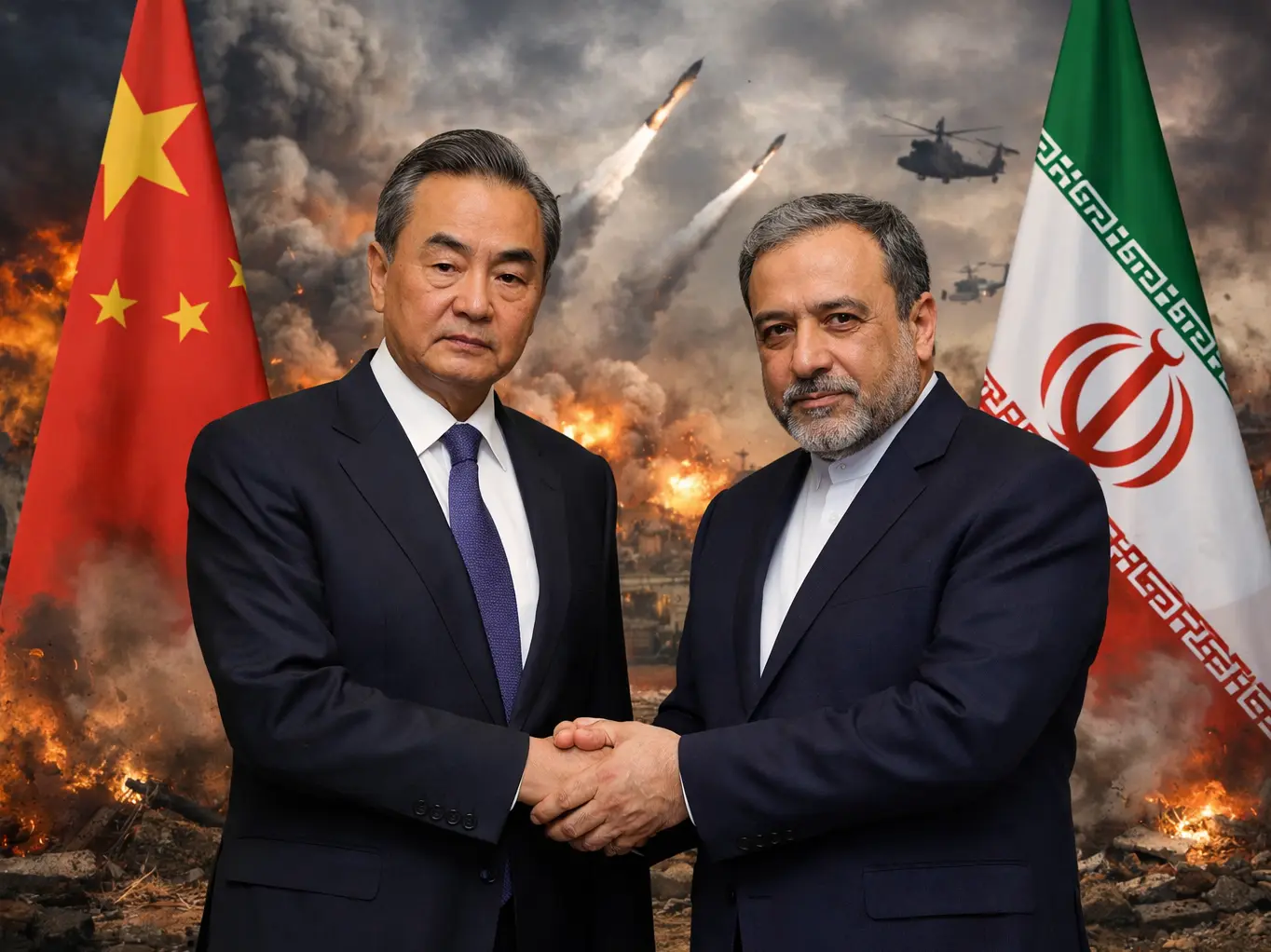
An AI image of Chinese foreign minister Wang Yi and Iranian counterpart Abbas Araghchi Photograph: (AI-generated image/ChatGPT)
Wang Yi urges Iran-US dialogue as Abbas Araghchi blames Washington and Israel for the crisis. China backs de-escalation while tensions over the Strait of Hormuz and US-China ties continue to rise.
As the US signalled at a ceasefire in the Iran war, Chinese foreign minister Wang Yi spoke with Iranian counterpart Abbas Araghchi and once again called for dialogue to end the ongoing war in West Asia, stressing that “talking is always better than fighting.” In the same call, Iranian FM Abbas Araghchi blamed the United States and Israel for triggering the current crisis including the Strait of Hormuz situation, describing their actions as “military aggression” and the “primary cause” of instability in the region. He maintained that Iran’s actions are “in full compliance with international law” and aimed at safeguarding its security. Wang Yi reiterated Beijing’s “principled stance” condemning what he described as the “illegal attack” by the United States and Israel on Iran but also called for de-escalation.
What Iran said
Abbas Araghchi said that while the strait is closed to “American and Zionist vessels and other parties involved in the aggression,” passage for other countries continues “with coordination from the relevant Iranian authorities.” Araghchi also criticised the United Nations Security Council, accusing it of failing to hold the US and Israel accountable. “Instead of safeguarding international peace and security… it is reprimanding Iran, which is defending itself,” he said, urging members including China and Russia to take a firmer stance against Washington.
What China said
Wang Yi said that “all parties can seize every opportunity and window for peace and start the peace talks process as quickly as possible.” He also emphasised that “talking is always better than fighting,” underscoring China’s push for diplomacy. He also extended condolences over the death of Iran's security chief Ali Larijani, describing him as an “intelligent, distinguished, and patriotic figure” who contributed to Iran’s national security and regional stability. After killing of Larijani, China in its first response had said that it was “unacceptable". Highlighting China’s ties with Iran, he stressed the need to “halt bullying behavior on the international stage” and called for resolving disputes through diplomacy and adherence to international law.
Trending Stories
&im=FitAndFill=(700,400)&imwidth=280&imheight=210&format=webp&quality=medium)
&imwidth=280&imheight=210&format=webp&quality=medium)
&imwidth=280&imheight=210&format=webp&quality=medium)
&imwidth=280&imheight=210&format=webp&quality=medium)
&imwidth=280&imheight=210&format=webp&quality=medium)
&imwidth=280&imheight=210&format=webp&quality=medium)
&imwidth=280&imheight=210&format=webp&quality=medium)
&imwidth=280&imheight=210&format=webp&quality=medium)
&imwidth=280&imheight=210&format=webp&quality=medium)
&imwidth=280&imheight=210&format=webp&quality=medium)
&imwidth=280&imheight=210&format=webp&quality=medium)
&imwidth=280&imheight=210&format=webp&quality=medium)
&imwidth=280&imheight=210&format=webp&quality=medium)
&imwidth=280&imheight=210&format=webp&quality=medium)
&imwidth=280&imheight=210&format=webp&quality=medium)
&imwidth=280&imheight=210&format=webp&quality=medium)
&imwidth=280&imheight=210&format=webp&quality=medium)
&imwidth=280&imheight=210&format=webp&quality=medium)
&imwidth=280&imheight=210&format=webp&quality=medium)
&imwidth=280&imheight=210&format=webp&quality=medium)
&imwidth=280&imheight=210&format=webp&quality=medium)
&imwidth=280&imheight=210&format=webp&quality=medium)
&imwidth=280&imheight=210&format=webp&quality=medium)
&imwidth=280&imheight=210&format=webp&quality=medium)
&imwidth=280&imheight=210&format=webp&quality=medium)
&imwidth=280&imheight=210&format=webp&quality=medium)
&imwidth=280&imheight=210&format=webp&quality=medium)
&imwidth=280&imheight=210&format=webp&quality=medium)
&im=FitAndFill=(700,400)&imwidth=280&imheight=210&format=webp&quality=medium)
&im=FitAndFill=(700,400)&imwidth=280&imheight=210&format=webp&quality=medium)
&imwidth=280&imheight=210&format=webp&quality=medium)
&imwidth=280&imheight=210&format=webp&quality=medium)
&imwidth=280&imheight=210&format=webp&quality=medium)
&imwidth=280&imheight=210&format=webp&quality=medium)
&im=FitAndFill=(700,400)&imwidth=280&imheight=210&format=webp&quality=medium)
&imwidth=280&imheight=210&format=webp&quality=medium)
China and US ties amid Iran war
Amid the ongoing Iran war, tensions shape ties between the US and China. Following Donald Trump’s request for help in securing the Strait of Hormuz, the Chinese Embassy in Washington says Beijing “wants an immediate cessation of hostilities” and stresses that “all parties have the responsibility to ensure stable and unimpeded energy supply.” Calling itself a sincere friend and strategic partner of Middle Eastern countries, China says it continues to engage with all sides to play a constructive role in de-escalation and restoring peace.
China’s stance in the Iran war emerges as a key factor influencing Trump’s planned visit to Beijing, which now appears likely to be delayed. Trump signals he is open to postponing the trip while seeking China’s cooperation on Hormuz security. At the same time, allegations persist that Beijing is quietly assisting Iran with satellite technology. While Trump maintains he shares a good relationship with Xi Jinping, ongoing issues such as Taiwan and the Iran conflict continue to complicate ties between the two countries.
Disclaimer: WION takes utmost care to accurately and responsibly report ongoing conflicts in West Asia involving Israel, Iran, US, Gulf nations and non-state actors like Hezbollah, Hamas, Houthis, Islamic State, and others. Claims and counterclaims, disinformation and misinformation are being made online and offline. Given this context, WION cannot independently verify the authenticity of all statements, social media posts, photos and videos.

