Ceasefire cracks widen: Israeli strikes kill 7 in Lebanon after Iran shuts Hormuz

&imwidth=600&imheight=450&format=webp&quality=medium "Ceasefire cracks widen: Israeli strikes kill 7 in Lebanon after Iran shuts Hormuz")
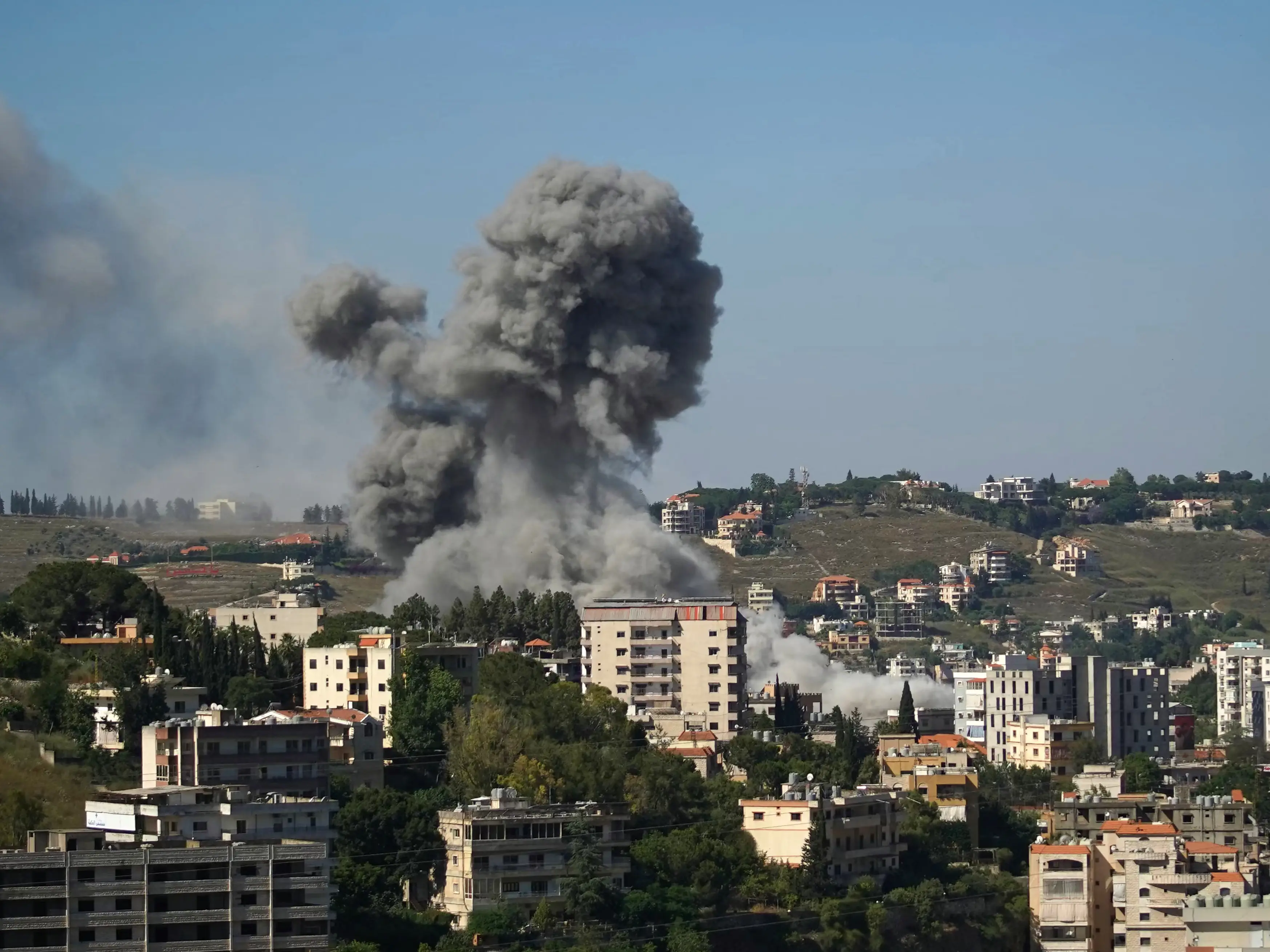
Smoke rises from the site of a string of Israeli airstrikes that targeted the southern Lebanese city of Nabatieh on June 20, 2026. Photograph: (AFP)
Earlier in the day, Iran's military announced a renewed closure of the Strait of Hormuz, raising pressure on a fragile truce already strained by allegations of Israeli ceasefire violations in southern Lebanon.
The latest developments in Lebanon have added fresh uncertainty to an already fragile regional situation, with new Israeli strikes reported just a day after a ceasefire agreement was reached between Israel and Hezbollah.
According to Lebanon's health ministry, Israeli strikes carried out late Saturday in the country's south and east killed seven people. Five of the victims, including a woman and a child, were killed in eastern Lebanon, while two Palestinians lost their lives in the southern Tyre region.
The attacks took place before a pause in hostilities was observed by AFP correspondent.
The Israeli military later said it had received instructions from the country's political leadership to halt fighting in southern Lebanon.
Hormuz closure adds to regional tensions
Earlier in the day, Iran's military command announced a fresh closure of the Strait of Hormuz, a move that threatened to further strain the diplomatic truce reached only days earlier following allegations of Israeli ceasefire violations in southern Lebanon.
Trending Stories
&imwidth=280&imheight=210&format=webp&quality=medium)
&im=FitAndFill=(700,400)&imwidth=280&imheight=210&format=webp&quality=medium)
&imwidth=280&imheight=210&format=webp&quality=medium)
&imwidth=280&imheight=210&format=webp&quality=medium)
&imwidth=280&imheight=210&format=webp&quality=medium)
&imwidth=280&imheight=210&format=webp&quality=medium)
&imwidth=280&imheight=210&format=webp&quality=medium)
&imwidth=280&imheight=210&format=webp&quality=medium)
&imwidth=280&imheight=210&format=webp&quality=medium)
&imwidth=280&imheight=210&format=webp&quality=medium)
&imwidth=280&imheight=210&format=webp&quality=medium)
&imwidth=280&imheight=210&format=webp&quality=medium)
&imwidth=280&imheight=210&format=webp&quality=medium)
&imwidth=280&imheight=210&format=webp&quality=medium)
&imwidth=280&imheight=210&format=webp&quality=medium)
&imwidth=280&imheight=210&format=webp&quality=medium)
&imwidth=280&imheight=210&format=webp&quality=medium)
&imwidth=280&imheight=210&format=webp&quality=medium)
&imwidth=280&imheight=210&format=webp&quality=medium)
&imwidth=280&imheight=210&format=webp&quality=medium)
&imwidth=280&imheight=210&format=webp&quality=medium)
&imwidth=280&imheight=210&format=webp&quality=medium)
&imwidth=280&imheight=210&format=webp&quality=medium)
&imwidth=280&imheight=210&format=webp&quality=medium)
&imwidth=280&imheight=210&format=webp&quality=medium)
&im=FitAndFill=(700,400)&imwidth=280&imheight=210&format=webp&quality=medium)
&imwidth=280&imheight=210&format=webp&quality=medium)
&imwidth=280&imheight=210&format=webp&quality=medium)
&imwidth=280&imheight=210&format=webp&quality=medium)
&imwidth=280&imheight=210&format=webp&quality=medium)
&imwidth=280&imheight=210&format=webp&quality=medium)
&imwidth=280&imheight=210&format=webp&quality=medium)
&imwidth=280&imheight=210&format=webp&quality=medium)
&imwidth=280&imheight=210&format=webp&quality=medium)
Iran argued that continued Israeli airstrikes and the failure to withdraw forces from southern Lebanon amounted to a breach of the first clause of the Memorandum of Understanding, which calls for an immediate and permanent end to military operations across all fronts, including Lebanon.
However, the US Central Command (CENTCOM) challenged the claim that an effective blockade was in place. CENTCOM said maritime traffic was continuing under close monitoring and reported that 55 merchant vessels passed through the strait on the day of the announcement, transporting more than 17 million barrels of oil to global markets.
Ceasefire faces early challenges
On Friday, Israel and Hezbollah agreed to a ceasefire, according to a US official, after renewed fighting in Lebanon put pressure on efforts to end the wider conflict in the Middle East less than two days after the agreement was signed.
The violence also led to the postponement of planned talks between the US and Iran in Switzerland, where both sides were expected to discuss steps toward a longer-term settlement.
Meanwhile, the Lebanese presidency said President Joseph Aoun thanked US Secretary of State Marco Rubio for American support but stressed: "the need for Israeli attacks on Lebanese territory to cease through the achievement of a comprehensive ceasefire".
