
&imwidth=800&imheight=600&format=webp&quality=medium "Can Trump ‘take’ Iran’s oil? Here’s what would happen if he does so")
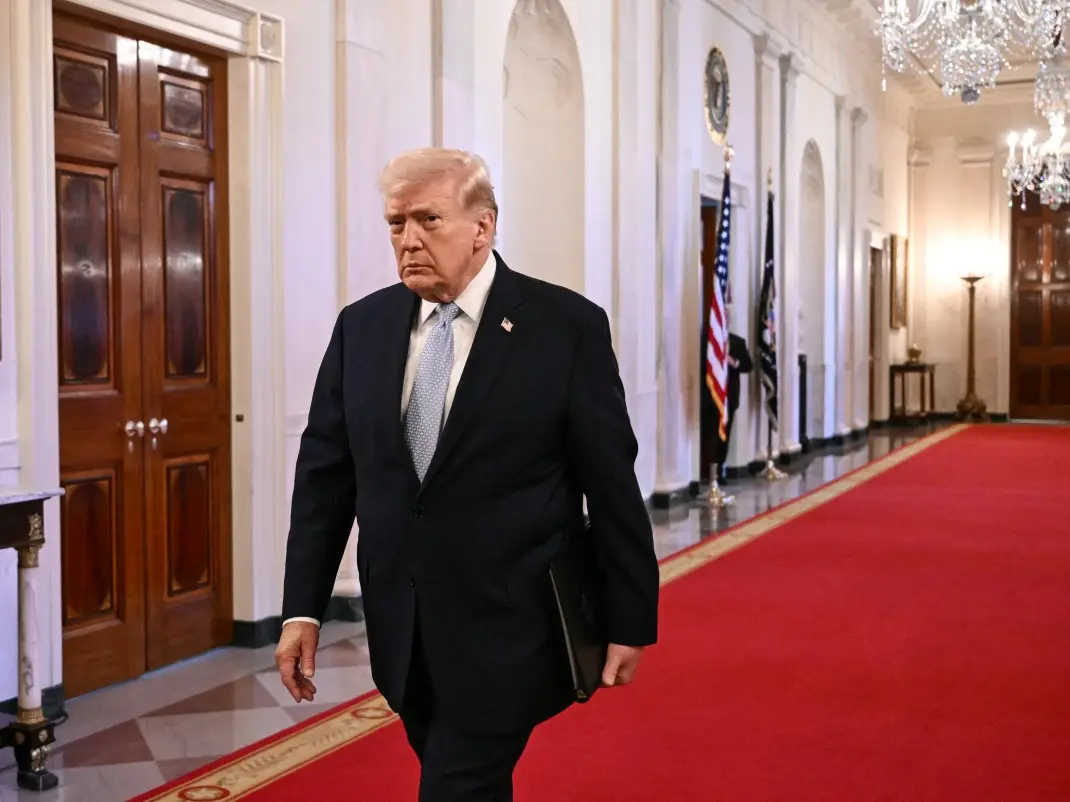
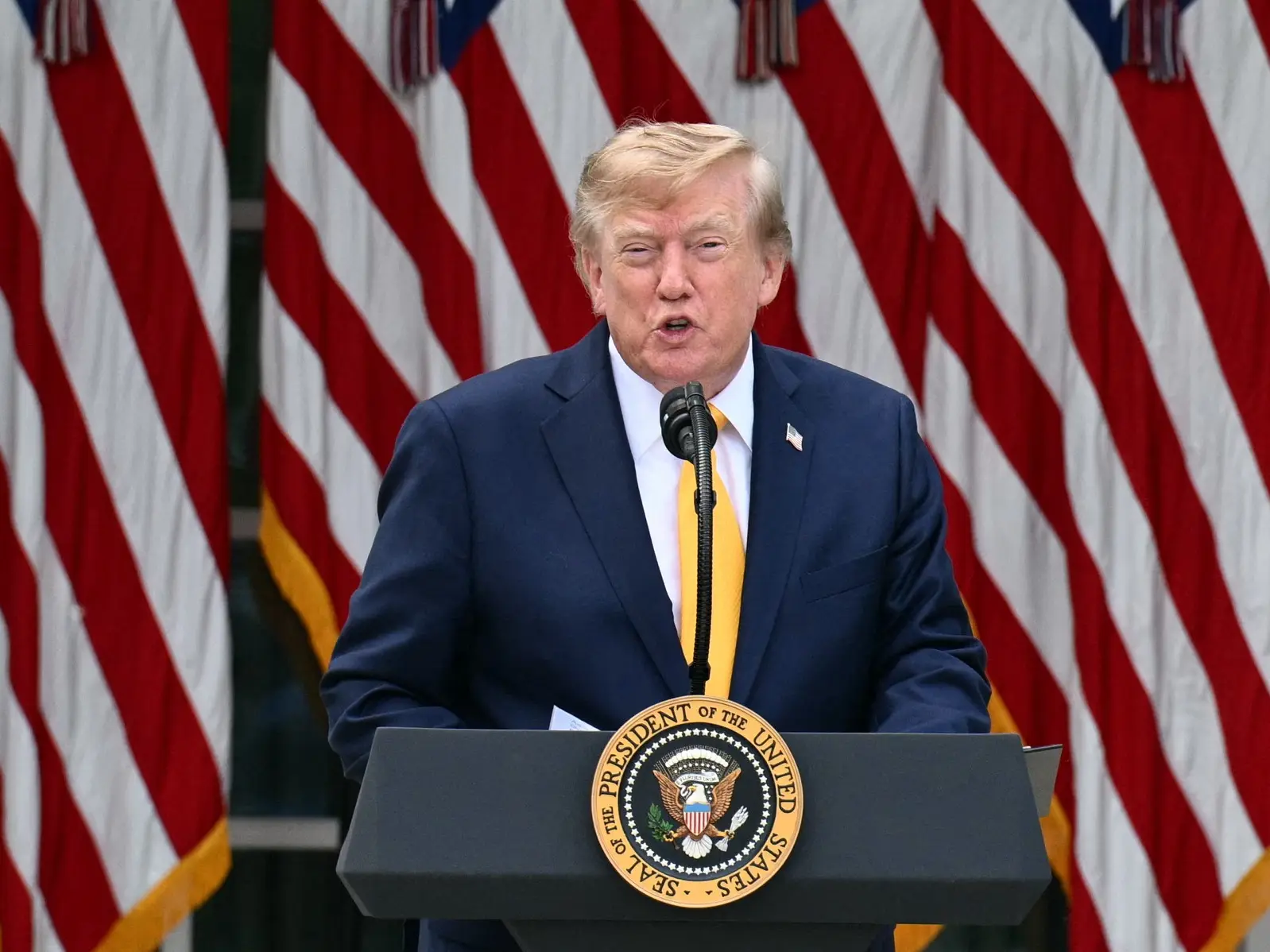
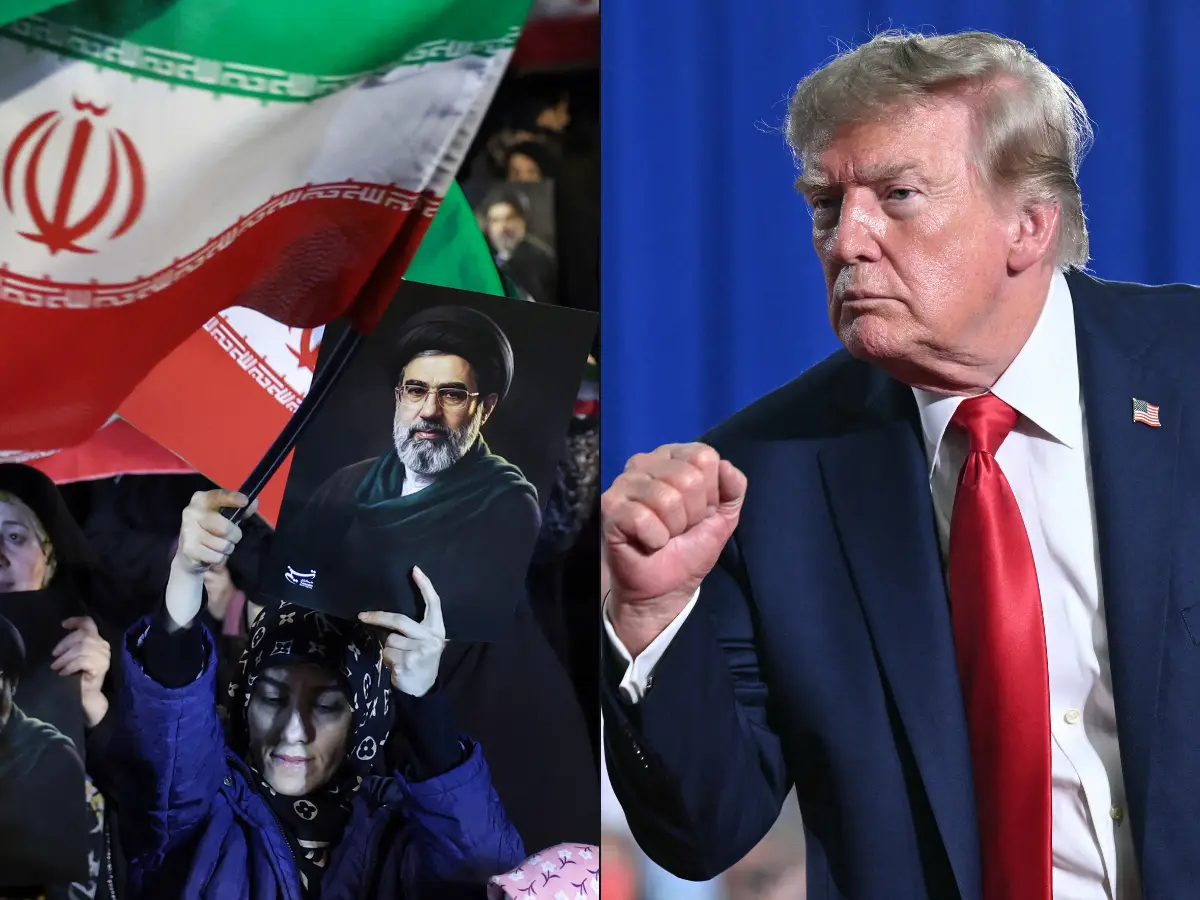
As the US-Israel war against Iran enters its second month, US President Donald Trump has reignited controversy with remarks suggesting Washington could “take the oil” in Iran. The statement came amid escalating tensions in the Strait of Hormuz, which Iran has effectively blockaded for weeks, disrupting global energy flows.
On Monday (March 30), Trump also threatened to target Iran’s energy infrastructure - including oil wells - if Tehran does not reopen the vital shipping route. However, the feasibility and implications of such a move remain deeply contested.
A major global energy player

Iran is one of the world’s most resource-rich energy producers. As per the US Energy Information Administration, the country holds the third-largest proven crude oil reserves globally and the second-largest natural gas reserves.
With approximately 157 billion barrels of proven crude oil, Iran accounts for roughly 12 per cent of global reserves and nearly a quarter of those in the Middle East. It produces about 3.3 million barrels of crude oil per day, making it a key member of the Organisation of the Petroleum Exporting Countries.
Trending Stories
&im=FitAndFill=(700,400))
How fast can the Sukhoi Su-30 fighter jet really fly?
)
Did China ask its people 'not to respond to aliens'? Origin of bizarre claim on social media
)
MS Dhoni-CSK Fallout? Report claims failed stake sale talks triggered rift
)
Scientists reveal the SAFEST COUNTRY when catastrophe strikes the planet
)
Serial killer on the loose in South Korea's Jeju Island? Fourth body found in three days as more than a dozen people go missing
)
2/3rd of glacier detached, collapsed: ISRO satellite images reveal what triggered Nepal floods
)
Trump once again claims without him there would be ‘no Israel right now’
)
Foreign espionage attacks against German companies surge to 37%, Bitkom report reveals
)
Blake Lively wins partial legal fee from Justin Baldoni after $8M request
)
Why is Pakistan deploying Turkish Bayraktar TB2 drones near India border?
)
'OH MY GOD! We've found other agents!': Investigators discover not one or two, almost 700 OpenAI AI agents went rogue, hacked Hugging Face
)
Lunar eclipse 2026: India timings, places to see and more. August Blood moon factsheet
)
RSS chief Mohan Bhagwat on global outreach tour
)
Both pilots killed as training aircraft crashes in Lucknow – What we know
)
16-year-old charged with preparing terror attack on kindergarten in Norway
&im=FitAndFill=(700,400))
How the S-400 protects itself from enemy attacks
)
Nepal floods: Over 165 dead, 400 missing; US, India, China, World Bank mobilise aid
)
India's multi-layered watch: The new surveillance war
)
5 doomsday planes spotted in US skies hours after CIA director's secret trip to Russia
)
9/11 mastermind Khalid Sheikh Mohammed to finally face trial in 2028, nearly 27 years after horrific attacks
)
Islamabad hospital fire: What we know about one of the biggest facility that housed Imran Khan
)
Workers run for life while filming Nepal flash flood: Scary new visuals emerge from Rasuwa
)
Russian military planes enter South Korean air defence zone amid rising tensions with North Korea: What's happening
)
Ron Weasley Is Back! Rupert Grint set to return to Harry Potter universe on Broadway
)
400-year-old 'vampire' grave in Poland reveals non-existent genetic lineage
)
Dolly Parton, global icon and queen of country music, dies at 80
)
Nepal flash floods: Kailash Mansarovar yatra affected, close to 400 pilgrims out of contact
)
'If he is dead, they're putting on a pretty good show': Trump casts fresh doubt over Mojtaba Khamenei's fate
)
Man arrested near US Capitol with guillotine in pickup truck: What happened?
&im=FitAndFill=(700,400))
Why the Su-30MKI cockpit is painted bright turquoise green
Before the current conflict, Iran exported around two million barrels of oil and refined fuels daily. However, exports have fluctuated sharply since the US reimposed sanctions in 2018 following its withdrawal from the Joint Comprehensive Plan of Action, originally signed under former US President Barack Obama in 2015.
Can US actually seize Iran’s oil?
Despite Trump’s rhetoric, experts say that “taking” Iranian oil is far from straightforward. Reports suggest the Pentagon is preparing limited ground operations, potentially targeting strategic locations such as Kharg Island, Iran’s main oil export hub.
However, even a successful operation there would not grant the US control over Iran’s oil reserves. Oil extraction depends on extensive infrastructure across mainland Iran, including wells, pipelines and refineries. To truly control Iranian oil, the US would need to occupy large parts of the country, a scenario that would amount to a full-scale invasion, with significant military, political and economic risks.
Economic stakes and global impact
Iran’s economy is heavily tied to its energy sector. In 2023, the country’s GDP stood at about $457.5 billion, with net oil export revenues estimated at $53 billion, roughly 12 per cent of its economic output. If the US were somehow able to seize Iranian oil and lift sanctions, it could increase global supply and potentially drive down prices. However, such a move would likely trigger severe geopolitical backlash and prolonged instability in the region.
The ongoing conflict has already rattled markets. Benchmark Brent crude surged to around $116 per barrel this week, compared to roughly $65 before the war began, underscoring the sensitivity of global oil prices to tensions in the Gulf.
A troubled history
US interest in Iranian oil is not new. In 1953, the CIA backed a coup that overthrew Prime Minister Mohammad Mossadegh after he nationalised the British-controlled Anglo-Iranian Oil Company.
The operation, known as Operation Ajax, restored the rule of Shah Mohammad Reza Pahlavi and remains a defining moment in Iran’s fraught relationship with the West. Today, Trump’s comments risk reopening old wounds and raising new questions about whether military power can ever translate into control over one of the world’s most strategic resources.

