Mirza Fakhrul Islam Alamgir elected Bangladesh’s 23rd president

&imwidth=600&imheight=450&format=webp&quality=medium "Mirza Fakhrul Islam Alamgir elected Bangladesh’s 23rd president")
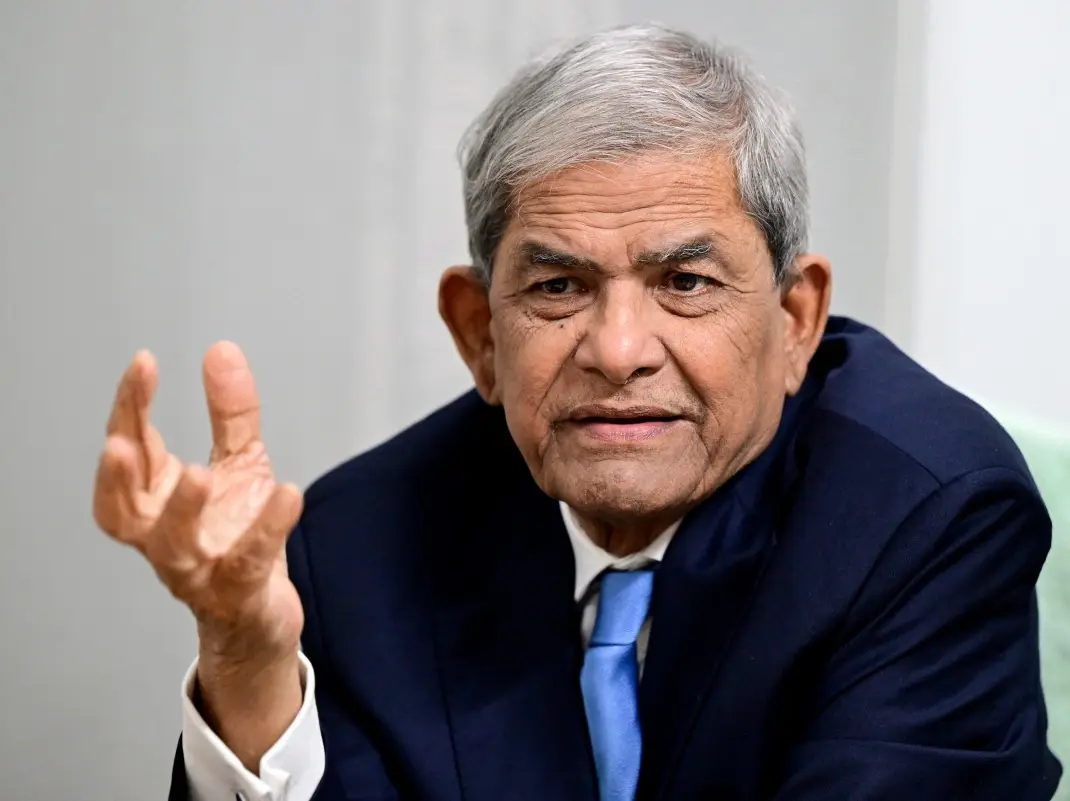
Bangladesh Nationalist Party (BNP) general secretary Mirza Fakhrul Islam Alamgir speaks during an interview with AFP in Dhaka on August 21, 2024. Photograph: (AFP)
Lawmakers elected BNP leader Mirza Fakhrul Islam Alamgir as Bangladesh’s 23rd president with 255 parliamentary votes. He defeated Oli Ahmed following the resignation of former president Mohammed Shahabuddin.
Bangladesh’s parliament on Thursday (Aug 20) elected veteran Bangladesh Nationalist Party (BNP) leader Mirza Fakhrul Islam Alamgir as the country’s 23rd President, in the first contested presidential election in 35 years.
The 78-year-old BNP Secretary General (who stepped down from the post upon his nomination) secured 255 votes, defeating retired Colonel Oli Ahmed, the candidate backed by the Jamaat-e-Islami-led 11-party opposition alliance, who received 88 votes. Of the 349 eligible lawmakers, 343 cast ballots in an open vote held in the Jatiya Sangsad chamber from 2:00 p.m. to 5:00 p.m.; six MPs did not vote. Chief Election Commissioner AMM Nasir Uddin, serving as returning officer, announced the results after the count and declared Alamgir duly elected. The Election Commission is to publish the official gazette.
Voting began with Acting President Hafiz Uddin Ahmad and Acting Speaker Barrister Kayser Kamal casting the first ballots, followed shortly by Prime Minister Tarique Rahman and Alamgir himself. The last contested presidential poll took place in 1991, when BNP’s Abdur Rahman Biswas defeated an Awami League candidate; subsequent elections were uncontested with a single nominee.
Alamgir, born January 26, 1948, in Thakurgaon, is a long-time opposition figure who served as BNP Secretary General from 2016 (and acting from 2011), making him the party’s longest-serving holder of that office. He entered politics as a student activist, worked as an economics lecturer, and later held roles including Thakurgaon municipality chairman, state minister for agriculture and for civil aviation and tourism (2001–2006), and, after BNP’s return to power in the February 2026 general election, Local Government, Rural Development and Cooperatives Minister and MP from Thakurgaon-1. He resigned from party posts after his presidential nomination on August 13.
The election followed the resignation last month of President Mohammed Shahabuddin on health grounds. Speaker Hafiz Uddin Ahmad had been serving as acting president. Under the Constitution, a new president must be elected within 90 days of a vacancy.
Trending Stories
&imwidth=280&imheight=210&format=webp&quality=medium)
&imwidth=280&imheight=210&format=webp&quality=medium)
&imwidth=280&imheight=210&format=webp&quality=medium)
&imwidth=280&imheight=210&format=webp&quality=medium)
&imwidth=280&imheight=210&format=webp&quality=medium)
&imwidth=280&imheight=210&format=webp&quality=medium)
&imwidth=280&imheight=210&format=webp&quality=medium)
&imwidth=280&imheight=210&format=webp&quality=medium)
&imwidth=280&imheight=210&format=webp&quality=medium)
&imwidth=280&imheight=210&format=webp&quality=medium)
&imwidth=280&imheight=210&format=webp&quality=medium)
&im=FitAndFill=(700,400)&imwidth=280&imheight=210&format=webp&quality=medium)
&imwidth=280&imheight=210&format=webp&quality=medium)
&imwidth=280&imheight=210&format=webp&quality=medium)
&imwidth=280&imheight=210&format=webp&quality=medium)
&imwidth=280&imheight=210&format=webp&quality=medium)
&imwidth=280&imheight=210&format=webp&quality=medium)
&im=FitAndFill=(700,400)&imwidth=280&imheight=210&format=webp&quality=medium)
&imwidth=280&imheight=210&format=webp&quality=medium)
&imwidth=280&imheight=210&format=webp&quality=medium)
&imwidth=280&imheight=210&format=webp&quality=medium)
&imwidth=280&imheight=210&format=webp&quality=medium)
&imwidth=280&imheight=210&format=webp&quality=medium)
&imwidth=280&imheight=210&format=webp&quality=medium)
&imwidth=280&imheight=210&format=webp&quality=medium)
&imwidth=280&imheight=210&format=webp&quality=medium)
&imwidth=280&imheight=210&format=webp&quality=medium)
&imwidth=280&imheight=210&format=webp&quality=medium)
&imwidth=280&imheight=210&format=webp&quality=medium)
&im=FitAndFill=(700,400)&imwidth=280&imheight=210&format=webp&quality=medium)
&imwidth=280&imheight=210&format=webp&quality=medium)
&imwidth=280&imheight=210&format=webp&quality=medium)
&imwidth=280&imheight=210&format=webp&quality=medium)
&imwidth=280&imheight=210&format=webp&quality=medium)
&imwidth=280&imheight=210&format=webp&quality=medium)
Bangladesh operates a parliamentary system in which executive power rests primarily with the Prime Minister and Cabinet. The President is the constitutional head of state, takes precedence over all others, serves as commander-in-chief of the armed forces, and formally appoints the Prime Minister (based on parliamentary confidence) and the Chief Justice. In most other functions, the President acts on the advice of the Prime Minister. The office is largely ceremonial but carries constitutional significance, including the power of mercy (pardons and remissions).
Alamgir is scheduled to take the oath of office at Bangabhaban on Friday, August 21 (reported as 7:30 p.m.), with Acting Speaker Kayser Kamal administering it. Preparations are underway at the presidential palace. His elevation comes as Bangladesh continues to navigate the political transition and challenges following the 2024 uprising that ended the previous government and the BNP’s subsequent return to power under Prime Minister Tarique Rahman.
China’s embassy in Dhaka was among those offering congratulations, expressing readiness to deepen bilateral ties.
