Black Thursday? Stocks tumble in worst crash of 2026 as Iran 'toll booth' pushes oil past $100

&imwidth=600&imheight=450&format=webp&quality=medium "Black Thursday? Stocks tumble in worst crash of 2026 as Iran 'toll booth' pushes oil past $100")
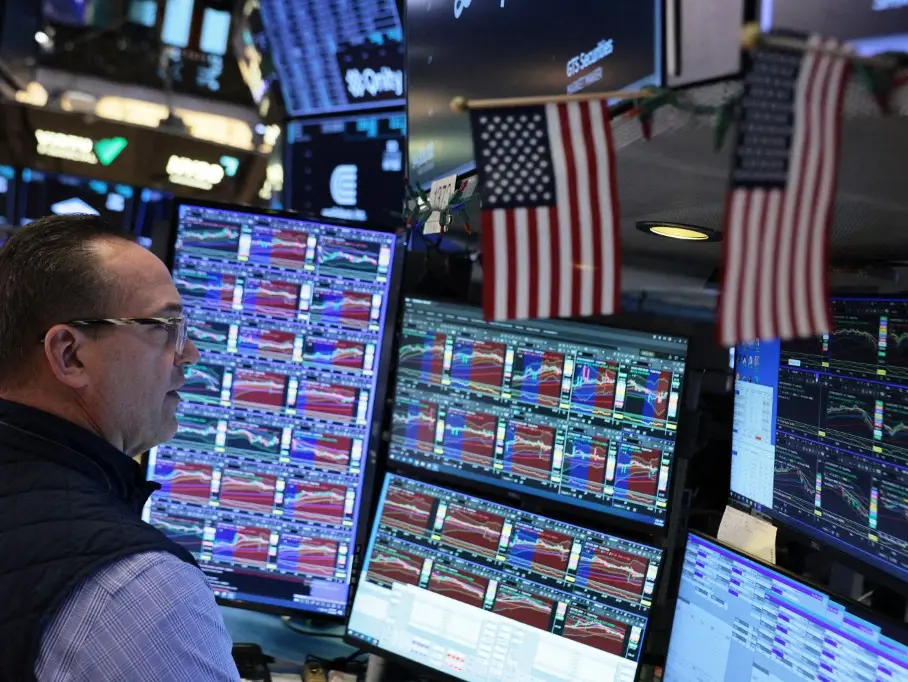
Traders work on the floor of the New York Stock Exchange during morning trading on March 25, 2026 in New York City. Photograph: (AFP)
Global markets faced a "Black Thursday" reckoning on March 26, suffering their most brutal sell-off since the Iran conflict ignited on February 28.
Stocks tumbled Thursday (Mar 27), suffering the worst day since the start of the Iran conflict on February 28. The S&P 500 dropped 1.7 per cent, its worst single day since January, and is now staring down a fifth consecutive losing week. That's the longest such streak in nearly four years, and it stretches back to before the Iran war even started. The Dow shed 469 points. The Nasdaq fell 2.4 per cent, slipping more than 10 per cent below its record high from earlier this year. Markets across Asia and Europe followed suit. On Wall Street, they have a word for that kind of drop: a "correction." Here's what it means.
Also read | 'Iran War - The Movie': On social media platforms near you, playing now. Watch viral video!
So what happened?
It's been a whiplash kind of week. Monday opened with genuine optimism after US President Donald Trump said talks on ending the war between the US, Israel and Iran were going well. Markets rallied. Then Iran said no direct talks were happening. Tehran rejected a US ceasefire proposal that had been delivered through Pakistan. And just like that, the mood curdled.
By Thursday, the fighting hadn't stopped. Thousands more US troops were moving toward the region. And Iran, for its part, appeared to be tightening its grip on the Strait of Hormuz, the narrow waterway through which roughly a fifth of the world's oil passes. Reports suggested Tehran may be setting up something resembling a "toll booth" for tankers trying to get through.
Subsequently, Brent crude jumped 4.8 per cent to settle at $101.89 a barrel. For context, it was around $70 before the war began. US benchmark crude rose 4.6 per cent to $94.48.
Trending Stories
&imwidth=280&imheight=210&format=webp&quality=medium)
&imwidth=280&imheight=210&format=webp&quality=medium)
&imwidth=280&imheight=210&format=webp&quality=medium)
&imwidth=280&imheight=210&format=webp&quality=medium)
&imwidth=280&imheight=210&format=webp&quality=medium)
&im=FitAndFill=(700,400)&imwidth=280&imheight=210&format=webp&quality=medium)
&imwidth=280&imheight=210&format=webp&quality=medium)
&imwidth=280&imheight=210&format=webp&quality=medium)
&imwidth=280&imheight=210&format=webp&quality=medium)
&imwidth=280&imheight=210&format=webp&quality=medium)
&imwidth=280&imheight=210&format=webp&quality=medium)
&imwidth=280&imheight=210&format=webp&quality=medium)
&im=FitAndFill=(700,400)&imwidth=280&imheight=210&format=webp&quality=medium)
&imwidth=280&imheight=210&format=webp&quality=medium)
&imwidth=280&imheight=210&format=webp&quality=medium)
&imwidth=280&imheight=210&format=webp&quality=medium)
&imwidth=280&imheight=210&format=webp&quality=medium)
&im=FitAndFill=(700,400)&imwidth=280&imheight=210&format=webp&quality=medium)
&im=FitAndFill=(700,400)&imwidth=280&imheight=210&format=webp&quality=medium)
&imwidth=280&imheight=210&format=webp&quality=medium)
&imwidth=280&imheight=210&format=webp&quality=medium)
&imwidth=280&imheight=210&format=webp&quality=medium)
&imwidth=280&imheight=210&format=webp&quality=medium)
&imwidth=280&imheight=210&format=webp&quality=medium)
&im=FitAndFill=(700,400)&imwidth=280&imheight=210&format=webp&quality=medium)
&imwidth=280&imheight=210&format=webp&quality=medium)
&imwidth=280&imheight=210&format=webp&quality=medium)
&imwidth=280&imheight=210&format=webp&quality=medium)
&imwidth=280&imheight=210&format=webp&quality=medium)
&imwidth=280&imheight=210&format=webp&quality=medium)
&imwidth=280&imheight=210&format=webp&quality=medium)
&imwidth=280&imheight=210&format=webp&quality=medium)
&imwidth=280&imheight=210&format=webp&quality=medium)
&imwidth=280&imheight=210&format=webp&quality=medium)
'NO TURNING BACK'
Trump, for his part, seems to be in no mood to be diplomatic. On Thursday (Mar 26) morning, he posted on Truth Social, "They better get serious soon, before it is too late," he wrote, warning that once a certain line is crossed, there's "NO TURNING BACK, and it won’t be pretty!."
Then, minutes after markets closed, he softened. He said he was pushing back his threat to "obliterate" Iranian power plants to April 6, allowing more time for talks he insists are "going very well," despite what he called "erroneous statements" from the "Fake News Media". Following this, oil prices dipped slightly, with Treasury yields also pulling back a little.
How important are Treasury yields?
Notably, the yield on the 10-year Treasury had surged to 4.43 per cent during the day, up from 3.97 per cent before the war. Higher yields mean higher mortgage rates, pricier loans, and slower economic growth.
Tech took the worst of it on Thursday. Meta fell 8 per cent. Alphabet dropped 3.4 per cent per cent. Both had just survived a landmark social media addiction verdict the day before. NVIDIA lost 4.2 per cent. Amazon dropped 2 per cent. Apple, somehow, edged up 0.1 per cent.
The S&P 500 closed at 6,477 — down 7.2 per cent from its all-time high. The Dow closed at 45,960 — down 469 points on the day. The Nasdaq finished at 21,408, having shed 521 points. Overseas, it wasn't much better. Germany's DAX fell 1.5 per cent. Hong Kong's Hang Seng dropped 1.9 per cent. South Korea's Kospi took the worst of it, sliding 3.2 per cent per cent. Japan's Nikkei 225 was the rare exception — down just 0.3 per cent.

