Bangladesh’s first female PM Khaleda Zia dies after prolonged illness: From democracy icon to years in jail – Here's all about her

&imwidth=600&imheight=450&format=webp&quality=medium "Bangladesh’s first female PM Khaleda Zia dies after prolonged illness: From democracy icon to years in jail – Here's all about her")
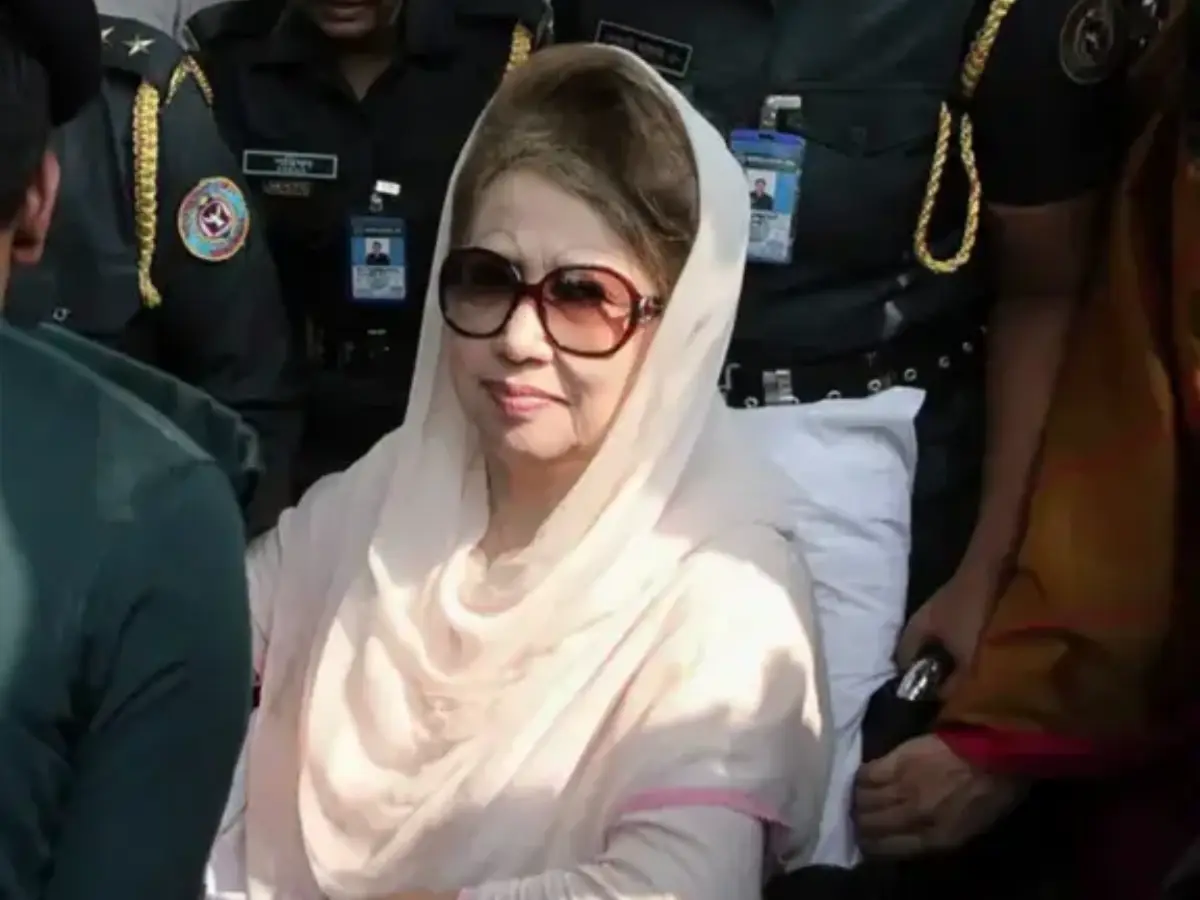
Khaleda Zia Photograph: (AFP)
Bangladesh’s first woman Prime Minister Khaleda Zia died at 80 after a prolonged illness, BNP announced on Dec 30. A key figure in Bangladesh politics, she led the BNP, served twice as PM, and played a major role in the pro-democracy movement.
Bangladesh’s first woman Prime Minister Khaleda Zia, has passed away at the age of 80, after a prolonged illness, her Bangladesh Nationalist Party (BNP) announced on Tuesday (Dec 30). Her personal physician on Sunday had said that she was in an "extremely critical" condition. She was admitted in Dhaka's Evercare Hospital since November 23 and was on ventilator support since December 11. In a statement, the BNP said that she passed away today at 6:00 a.m., shortly after the Fajr prayer. “We pray for the forgiveness of her soul and request everyone to offer prayers for her departed soul,” it wrote in a post on X. Zia's death comes at a time when Bangladesh is going through a political turmoil, with elections scheduled in February, 2026. Khaleda Zia's son Tarique Rahman has returned to Bangladesh after 17 years in self-imposed exile and is being seen as a frontrunner for the upcoming polls.
Begum Khaleda Zia and her life
Daughter of Iskandar Majumder and Taiyaba Majumder, Khaleda Zia was born on August 15, 1946. Her father had migrated to what was then West Pakistan following Partition from Jalpaiguri in India where he had run a tea business. The family originally hails from Feni, a southeastern district of the country. She studied at Dinajpur Government Girls High School and later at Surendranath College. In 1960, she married Ziaur Rahman. The first time she came close to power was when Ziaur Rahman Bir Uttam became the President of Bangladesh in 1977.
In 1981, Ziaur Rahman was killed in a military coup. Khaleda Zia took over BNP and became the face of democratic movement in Bangladesh. She became the architect of forming a seven-party alliance in 1983 to put an end to dictatorship. She rejected the rigged election of 1986 and did not participate in the election while her rivals from Awami League, Jamaat-e-Islami and Communist Party of Bangladesh joined the election under Jatiya Party-led rule to endorse the government. She was detained seven times from 1983 to 1990. She made BNP's student front, Jatiotabadi Chatra Dal (JCD) a strong entity and they won 270 of 321 student unions across the country. In 1991, Khaleda Zia became the country's first woman prime minister through a free and fair general election on February 27 of the year. However in 1996, the party lost the polls, but won 116 seats to become the largest opposition in the parliament in the history of Bangladesh.
Trending Stories
&imwidth=280&imheight=210&format=webp&quality=medium)
&imwidth=280&imheight=210&format=webp&quality=medium)
&imwidth=280&imheight=210&format=webp&quality=medium)
&imwidth=280&imheight=210&format=webp&quality=medium)
&imwidth=280&imheight=210&format=webp&quality=medium)
&imwidth=280&imheight=210&format=webp&quality=medium)
&imwidth=280&imheight=210&format=webp&quality=medium)
&imwidth=280&imheight=210&format=webp&quality=medium)
&im=FitAndFill=(700,400)&imwidth=280&imheight=210&format=webp&quality=medium)
&imwidth=280&imheight=210&format=webp&quality=medium)
&imwidth=280&imheight=210&format=webp&quality=medium)
&imwidth=280&imheight=210&format=webp&quality=medium)
&im=FitAndFill=(700,400)&imwidth=280&imheight=210&format=webp&quality=medium)
&imwidth=280&imheight=210&format=webp&quality=medium)
&imwidth=280&imheight=210&format=webp&quality=medium)
&imwidth=280&imheight=210&format=webp&quality=medium)
&imwidth=280&imheight=210&format=webp&quality=medium)
&imwidth=280&imheight=210&format=webp&quality=medium)
&im=FitAndFill=(700,400)&imwidth=280&imheight=210&format=webp&quality=medium)
&imwidth=280&imheight=210&format=webp&quality=medium)
&imwidth=280&imheight=210&format=webp&quality=medium)
&imwidth=280&imheight=210&format=webp&quality=medium)
&imwidth=280&imheight=210&format=webp&quality=medium)
&im=FitAndFill=(700,400)&imwidth=280&imheight=210&format=webp&quality=medium)
&imwidth=280&imheight=210&format=webp&quality=medium)
&imwidth=280&imheight=210&format=webp&quality=medium)
&imwidth=280&imheight=210&format=webp&quality=medium)
&imwidth=280&imheight=210&format=webp&quality=medium)
&imwidth=280&imheight=210&format=webp&quality=medium)
&imwidth=280&imheight=210&format=webp&quality=medium)
&imwidth=280&imheight=210&format=webp&quality=medium)
&imwidth=280&imheight=210&format=webp&quality=medium)
&im=FitAndFill=(700,400)&imwidth=280&imheight=210&format=webp&quality=medium)
&imwidth=280&imheight=210&format=webp&quality=medium)
Aiming to return to power, the BNP formed a four-party opposition alliance in 1999 with the Jatiya Party, the Jamaat-e-Islami, and the Islami Oikya Jote and launched several agitation programs against the ruling Awami League. Begum Khaleda Zia was re-elected in 2001. At that time, Forbes magazine ranked her at number 29 in 2005 in its list of the hundred most powerful women in the world. In 2006, she stepped down from office, passing power to a caretaker administration. In September 2007, she was arrested by Sheikh Hasina-led government on charges of corruption. Zia was sentenced to 17 years in prison in 2018 for the Zia Orphanage Trust and Zia Charitable Trust corruption cases. She was released from imprisonment in August 2024 after student uprising in the country led to the fall of Sheikh Hasina's government and she fled Bangladesh.

