Bangladesh interim government bans activities of ousted PM Sheikh Hasina’s Awami League party

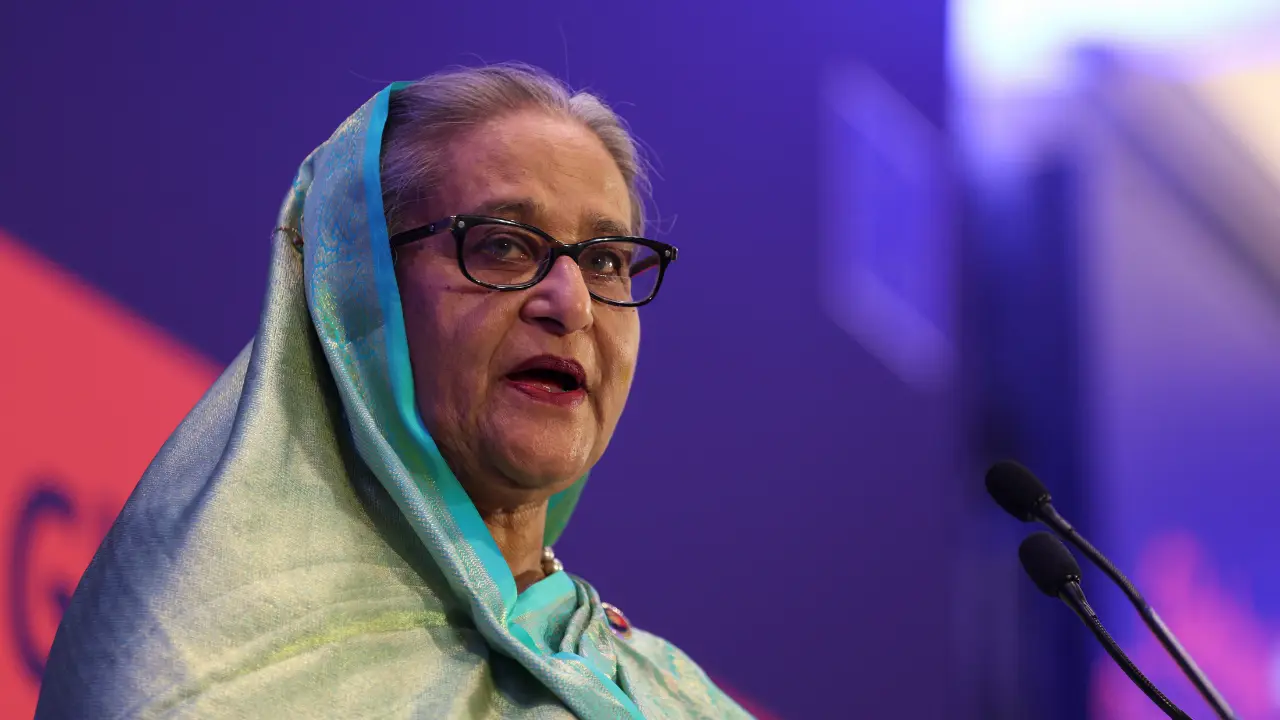
World: The announcement to ban Hasina’s party came after student-led National Citizen Party activists protested and carried out blockades across Dhaka demanding the ban
In a significant political development, Bangladesh's interim government on Saturday banned the Awami League, the party long led by former Prime Minister Sheikh Hasina. This move follows a period of growing tension and political unrest in the country, as the interim administration—backed by prominent civil society members and former Nobel laureate Muhammad Yunus—seeks to overhaul the nation's governance system.
“The official gazette notification will be issued in this regard on the next working day,” Yunus’s office said, describing it as a “statement of the Council of Advisers” or the Cabinet.
The statement said the Council decided that the ban would remain effective until the completion of the “trial of the Awami League and its leaders in Bangladesh’s International Crimes Tribunal in the interest of protecting the country’s security and sovereignty”.
The Advisory Council also resolved to finalise and publish the July Declaration within the next 30 working days.
The ban comes just months after Sheikh Hasina was removed from office in a political shake-up that has sharply divided public opinion. The interim government has accused the Awami League of widespread corruption, suppression of dissent, and manipulation of democratic institutions during its years in power.
Trending Stories
&imwidth=280&imheight=210&format=webp&quality=medium)
&imwidth=280&imheight=210&format=webp&quality=medium)
&imwidth=280&imheight=210&format=webp&quality=medium)
&im=FitAndFill=(700,400)&imwidth=280&imheight=210&format=webp&quality=medium)
&im=FitAndFill=(700,400)&imwidth=280&imheight=210&format=webp&quality=medium)
&imwidth=280&imheight=210&format=webp&quality=medium)
&imwidth=280&imheight=210&format=webp&quality=medium)
&imwidth=280&imheight=210&format=webp&quality=medium)
&imwidth=280&imheight=210&format=webp&quality=medium)
&imwidth=280&imheight=210&format=webp&quality=medium)
&im=FitAndFill=(700,400)&imwidth=280&imheight=210&format=webp&quality=medium)
&imwidth=280&imheight=210&format=webp&quality=medium)
&imwidth=280&imheight=210&format=webp&quality=medium)
&imwidth=280&imheight=210&format=webp&quality=medium)
&imwidth=280&imheight=210&format=webp&quality=medium)
&imwidth=280&imheight=210&format=webp&quality=medium)
&imwidth=280&imheight=210&format=webp&quality=medium)
&imwidth=280&imheight=210&format=webp&quality=medium)
&imwidth=280&imheight=210&format=webp&quality=medium)
&imwidth=280&imheight=210&format=webp&quality=medium)
&imwidth=280&imheight=210&format=webp&quality=medium)
&imwidth=280&imheight=210&format=webp&quality=medium)
&imwidth=280&imheight=210&format=webp&quality=medium)
&imwidth=280&imheight=210&format=webp&quality=medium)
&imwidth=280&imheight=210&format=webp&quality=medium)
&imwidth=280&imheight=210&format=webp&quality=medium)
&im=FitAndFill=(700,400)&imwidth=280&imheight=210&format=webp&quality=medium)
&imwidth=280&imheight=210&format=webp&quality=medium)
&imwidth=280&imheight=210&format=webp&quality=medium)
&im=FitAndFill=(700,400)&imwidth=280&imheight=210&format=webp&quality=medium)
&imwidth=280&imheight=210&format=webp&quality=medium)
&imwidth=280&imheight=210&format=webp&quality=medium)
&imwidth=280&imheight=210&format=webp&quality=medium)
&imwidth=280&imheight=210&format=webp&quality=medium)
&imwidth=280&imheight=210&format=webp&quality=medium)
Awami League toppled last year
Hasina’s 16-year-long Awami League regime was toppled on August 5 last year in a student-led violent mass uprising prompting the 77-year-old former prime minister to flee to India.Three days after her ouster, Yunus took charge as the chief adviser of the interim government.
A large part of Students against Discrimination (SAD), which led the last year’s movement that ousted Hasina, crystalised as the National Citizen Party (NCP) earlier this year.
Formed in 1949, the Awami League led the movement for the autonomy of Bengalis in the then East Pakistan for decades and eventually led the Liberation War in 1971.
The United Nations human rights office in a report said in February 2025 that up to 1,400 people may have been killed during three weeks of anti-Hasina protest.

