Pakistan signs another defence pact even as Makkah Alliance shows no teeth. This time, it's with Qatar, Indonesia, Turkey


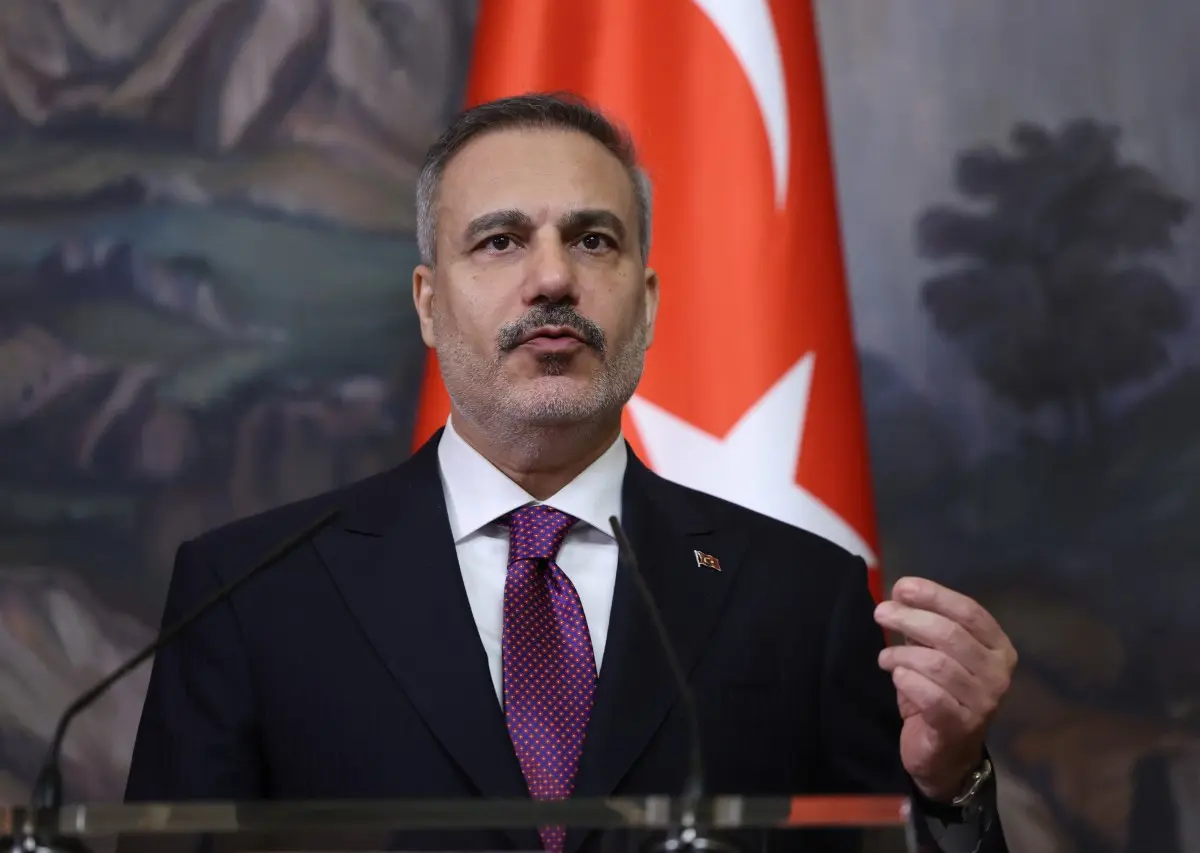
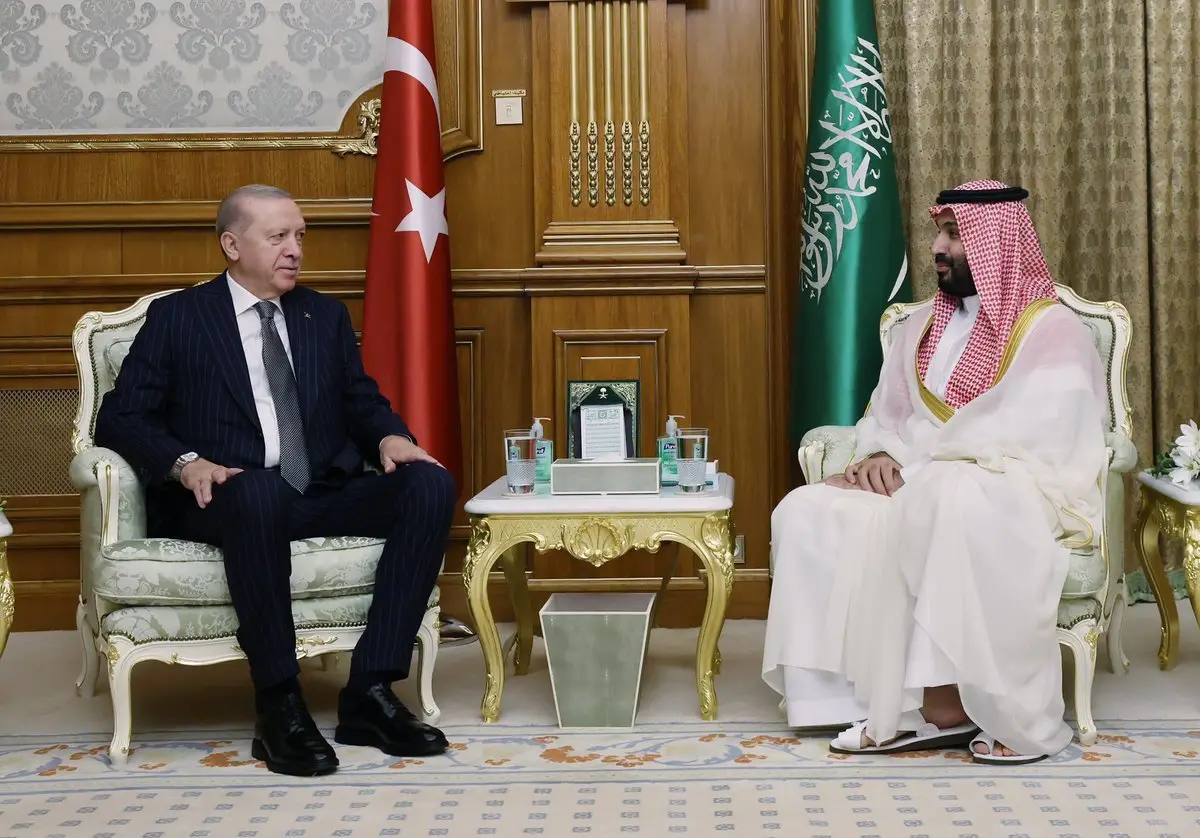
Signing of the Badr MoU by Pakistan, Qatar, Turkey and Indonesia Photograph: (Others)
Pakistan, Qatar, Turkey and Indonesia signed the Badr MoU to expand joint defence manufacturing, technology sharing, research and military training amid regional tensions. Here is why it is significant
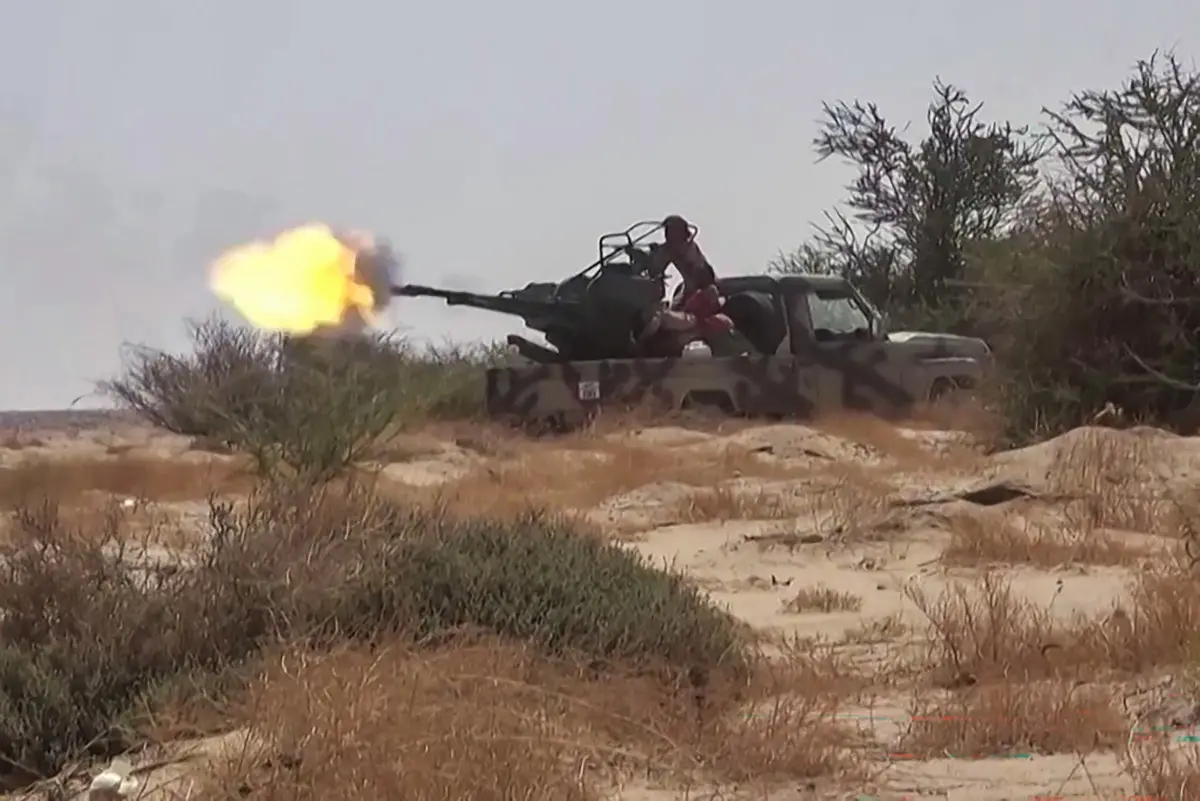
Pakistan, Qatar, Turkey and Indonesia have signed a defence industry cooperation agreement to expand joint manufacturing, research and development, technology sharing and military training. It is a unique pact that connects the defence departments and industries of four Muslim-majority nations located across the Gulf, South Asia and Southeast Asia. The deal comes even as the mutual defence vision of the Makkah Alliance, Pakistan's separate agreement with Saudi Arabia and Turkey, didn't take off after Houthi rebel attacks on the Arab kingdom in the wake of the US-Israel-Iran war.
What's in the Badr Memorandum of Understanding?
The Badr Memorandum of Understanding (MoU), signed in Doha on Wednesday (Oct 21) brings together the four countries' defence ministries, Pakistan's defence production organisation and Turkey's Presidency of Defence Industries (SSB). The aim is to combine their defence industrial capabilities, strengthen domestic production and develop equipment and technologies suited to modern warfare.
Joint production, technical training, research and development, and the exchange or transfer of technology are all within the scope of the MoU. The aim is to build defence industrial capacity and improve self-reliance rather than depend on overseas suppliers.
Unlike the Makkah pact, the agreement is not a mutual defence pact and does not oblige the signatories to help one another in the event of an attack.
Trending Stories


The Badr MoU was signed by Pakistan's Defence Minister Khawaja Muhammad Asif; Qatar's Deputy Prime Minister and Minister of State for Defence Affairs, Sheikh Saoud bin Abdulrahman bin Hassan Al Thani; Turkish National Defence Minister Yaşar Güler; and Indonesia's Deputy Defence Minister for Logistics, Defence Industries and Technology Affairs, Marshal Yusuf Jauhari.
Haluk Görgün, head of Turkey's Presidency of Defence Industries, said the agreement could turn the partners' complementary capabilities into practical projects. Asif said Pakistan viewed cooperation with trusted partners as a way to advance self-reliance.
Significant defence pact for four Muslim-majority countries
The framework may also support products and solutions for allied and friendly countries, opening up potential export opportunities. The four countries have not announced specific projects or a detailed implementation timetable.
All four signatories are Muslim-majority countries, and the name "Badr" carries historical Islamic resonance. However, the pact is being framed as a practical industrial and technological partnership, not as a pan-Islamic military alliance.
Deal comes amid US-Israel-Iran conflict even as Houthi attacks test Makkah pact
The Makkah Joint Defence Agreement, signed in August 2026 by Pakistan, Saudi Arabia and Turkey, includes a collective defence commitment. The Badr MoU is not officially being described as a response to the Iran conflict. It comes as countries in the Middle East and South Asia reassess security partnerships and seek to strengthen domestic defence capabilities. Its focus is defence production and cooperation, not joint combat operations or obligations to intervene in conflicts.