Kathleen Folbigg: Freedom after two decades for Australian mother wrongfully jailed for death of four babies


Kathleen Folbigg
A 56-year-old Australian woman who had served a 20-year prison sentence for the death of her four children had her convictions formally quashed by a court, her lawyers said.
On Thursday (Dec 14), the New South Wales (NSW) Supreme Court found that Kathleen Folbigg was wrongfully convicted declaring that the evidence originally used against her was “not reliable”.
She is expected to seek compensation from the NSW government after the court overturned her conviction.

Often described as one of “Australia's greatest miscarriages of justice”, Folbigg tried to legally challenge the charges through a string of appeals, but they wereturned down every time.
The matter was taken up again earlier this year after a landmark inquiry by a retired judge found reasonable doubt over her guilt.
'How can I kill my own children?'
)
China thinned Himalayan troop presence in 2025, India defence report says; terms border situation 'stable'
)
Israeli minister calls to strip Gaza film directors of citizenship
)
China discovers vast gold and silver 'mine' in the Pacific with unheard-of deposits
)
Crude oil prices jump more than $107 per barrel following Houthi attacks on Saudi
)
Ganesh Chaturthi 2026: Devotees throng the iconic Lalbaugcha Raja pandal in Mumbai
)
Did China give Iran intel before US base strike that killed 3 troops? Trump says, 'You’re right...'
)
Did India risk its US trade deal despite softer stance at BRICS?
)
Turkish Airlines plane flies through a storm three times, triggering severe turbulence
)
Trump says Canada eager to reach a deal, it could come ‘fairly soon’ if Ottawa treats US farmers better
)
Russian drone hits Warsaw-bound train near Polish border, Zelensky accuses Moscow of ‘deliberate’ targeting
)
First naval drone battle? Ukraine says Sargan 3000 sank Russian unmanned boat
)
Video of Pakistani lawmaker struggling to read English tribute to Jinnah goes viral - WATCH
&im=FitAndFill=(700,400))
New OTT releases this week (September 14-20, 2026): Lust Stories 3, Waiting Hai, Irumudi- 5 new titles coming on Netflix, Prime Video and more
)
‘Want to reset ties with India, have engagement based on mutual interests,’ says Bangladesh minister
&im=FitAndFill=(700,400))
Why Chinese PL-15 air-to-air missiles use dual-pulse motors compared to European interceptors
)
Iran, India agree to deepen humanitarian and political ties, President Pezeshkian says
)
Plane carrying prominent figure crashes at Libya’s Misrata airport: Report
)
Natural caffeine sources gain popularity; matcha & botanicals offer calm energy
)
Saudi Arabia discovers 110 million tonnes of Uranium-rich ore in Madinah region
)
Humans may lose control of AI: Anthropic CEO calls for slowdown, Altman, Musk back him
)
Practical Magic 2 breaks Spidey spell over North American box office
)
‘Let’s go’: Newly declassified videos show dramatic rescue of US Air Force officers downed in Iran
)
800 million years old - Scientists discover 'fingerprints' of supercontinent Gondwana in ancient rocks
)
Russia proposes to build 360 kmph Ivolga FG trains in India: What happened on sidelines of BRICS
)
Women's Asia Cup 2026: India denied trophy once again despite winning the title
)
'Huge destructive power': North Korea calls its latest missile launches 'live-fire drill' even as US dismisses 'immediate threat'
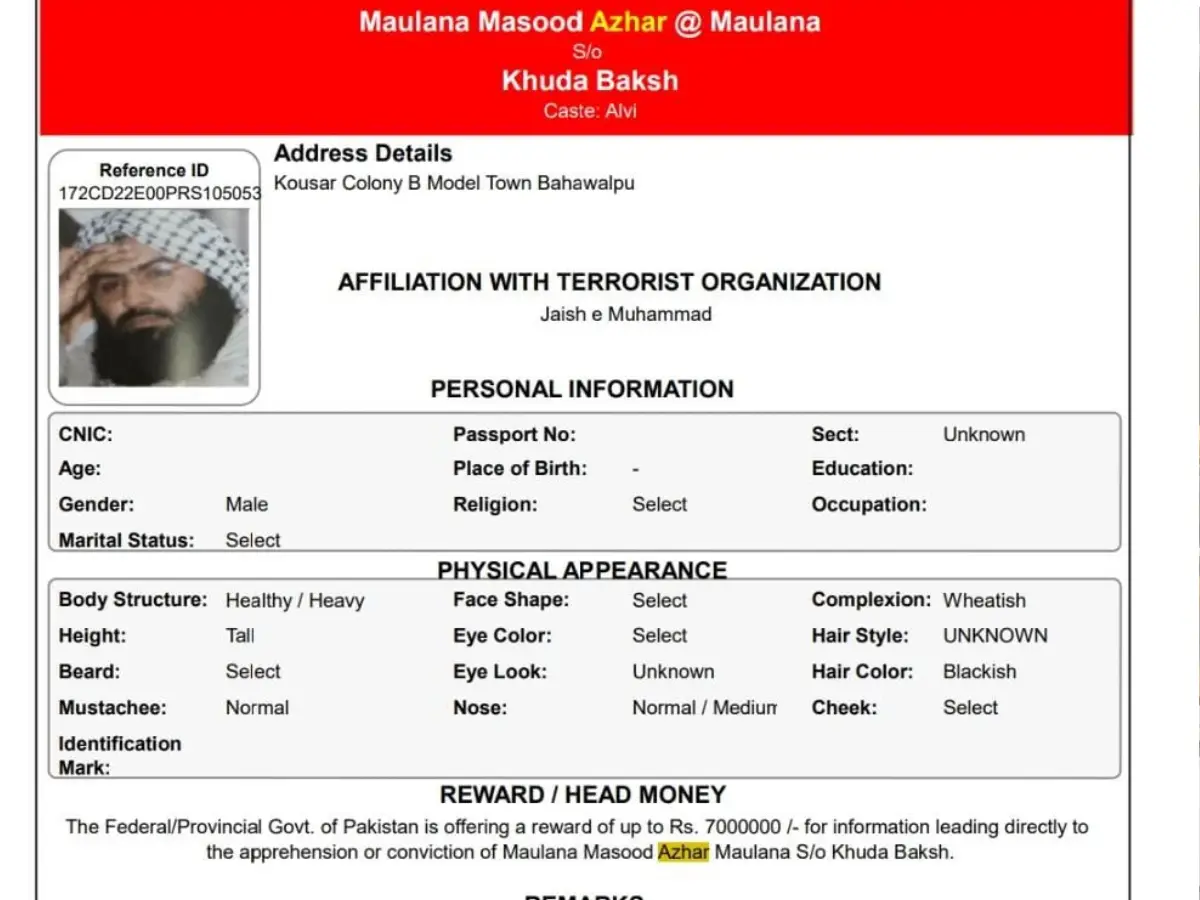)
Pakistan puts Pak Rs 70 lakh bounty on UN terrorist Masood Azhar; move draws skepticism in Delhi
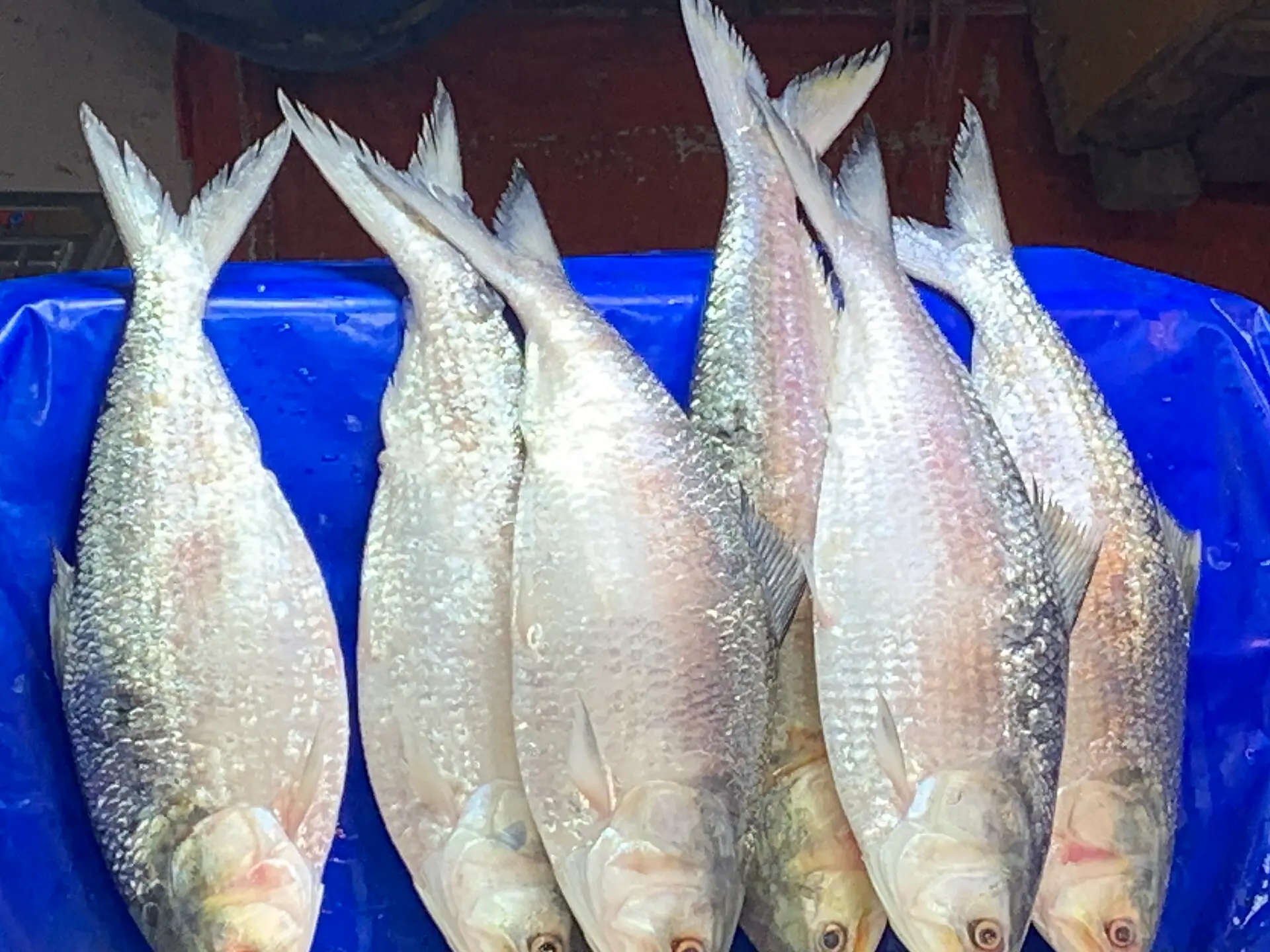)
Indian importers urge Bangladesh to lift export ban on 'Hilsa' fish ahead of Durga Puja
)
Delhi’s balancing act: BRICS serves as a stage for West Asia diplomacy
)
Liam Neeson sparks romance rumours after holding hands with Stella Stocker at TIFF 2026
&im=FitAndFill=(700,400))
Why European Meteor missiles use ramjet engines compared to standard US solid rockets
)
Veteran Bollywood actress Nafisa Ali shares health update as Stage 4 cancer progresses, starts targeted therapy
)
Orlando Bloom addresses Pirates of the Caribbean comeback and reunion with Johnny Depp
On Thursday, she burst into tears outside the court as she thanked the “updated science and genetics” saying that it had given her “answers” as to how her children died.
She also criticised the “system” for wrongly blaming her for murdering her children.
“My children are here with me today and they will be close to my heart for the rest of my life,” she told reporters.
“The system and society need to think before they blame a parent of hurting their children.”
“However, even in 1999, we had legal answers to prove my innocence, but they were ignored and dismissed,” she said.
The court had jailedFolbigg in 2003 on three counts of murder and one of manslaughter after the deaths of her four babies—Caleb, Patrick, Sarah, and Laura —each of whom died suddenly between 1989 and 1999, aged between 19 days and 18 months.
Media declared her 'Australia’s worst serial killer'
The first three deaths were initially attributed to Sudden Infant Death Syndrome (SIDS), a term used when babies less than a year old die for no apparent reason.
At 18 months, Laura was the longest-lived of Folbigg’s children, and police began investigating after a forensic pathologist determined the cause of her death as “undetermined".
She was charged and convicted as newspaper headlines declared her to be “Australia’s worst serial killer.”
Also read |Russia: Deputy editor of Putin's 'favourite' newspaper found dead under mysterious circumstances
The prosecutors at that time relied on circumstantial evidence, using Folbigg's diaries to paint her as an unstable mother, prone to rage. Notably, the diaries were not examined by psychologists or psychiatrists.
In 2003, she was sentenced to 40 years in jail which was later downgraded to 30 years on appeal.
(With inputs from agencies)