Argentina parliament approves IMF deal to restructure $45 billion debt


Argentina Parliament
Argentina'sSenateon Thursday gave final approval to an agreement with the International Monetary Fund that restructures a $45billiondebt, clearing the country's short-term financial horizon but leaving a serious inflationary challenge.
The late-night vote greenlights the new credit program ironed out betweenArgentineofficials andIMFstaff as they sought to finalize thedebt, the legacy of a record loan contracted in 2018 under former president Mauricio Macri.
Outside theSenate, several hundred people demonstrated, called by unions and leftist movements to oppose the restructuring.

Last week, the agreement won the approval of theChamber of Deputieswith a broad consensus between the center-left ruling coalition and the center-right opposition, a rarity inArgentina.
Faced with the spectre of a ruinous payment default if the agreement was not approved, theSenategreenlit it by a vote of 56 to 13, with three abstentions.
)
US Supreme Court backs Trump administration's use of SAVE database to check voter citizenship
)
Beijing to Washington! Ivanka Trump makes a style statement in Chinese designer Guo Pei for President Xi Jinping’s White House welcome
)
Heart of the Beast review: Brad Pitt leads a gripping tale of survival and loyalty
)
Outrage erupts after 3-year-old is married to 60-year-old man in Pakistan, link to her sister's murder being probed
)
Pakistan deploys over 20,000 security personnel as PTI vows march for Imran Khan's release
)
‘Not just a local tragedy’: Nepal PM Shah warns UN of growing climate threat, says Nepal floods were 'a warning to the world'
)
Asian Games: Shooting spree continues as India win silver in women’s 50m rifle 3P team event
)
India-New Zealand FTA is ‘an expression of trust’, NZ High Commissioner Patrick John Rata says
)
OpenAI AI Agents hacked 4 websites before Hugging Face, researchers reveal
)
Pentagon quietly adds 37 wounded troops to Iran war tally without explaining when or how
&im=FitAndFill=(700,400))
New Friday OTT releases (September 25, 2026): Don’t Be Shy, Hunkkaar: The Roar, Mango Pachcha- 6 movies and TV shows on Netflix, Prime Video and more
)
Yemen's war escalates: Saudi-backed leader calls for general mobilisation against the Houthis
)
‘Attack on Mecca a red line for Pakistan’: Shehbaz Sharif warns Houthis at UN
)
Tesla is preparing something big for Optimus: new Gen 3 models surface in app
)
Bias or safety concerns? Bengaluru CEO says firm will not hire men from UP, Bihar, Rajasthan, MP. Here's why
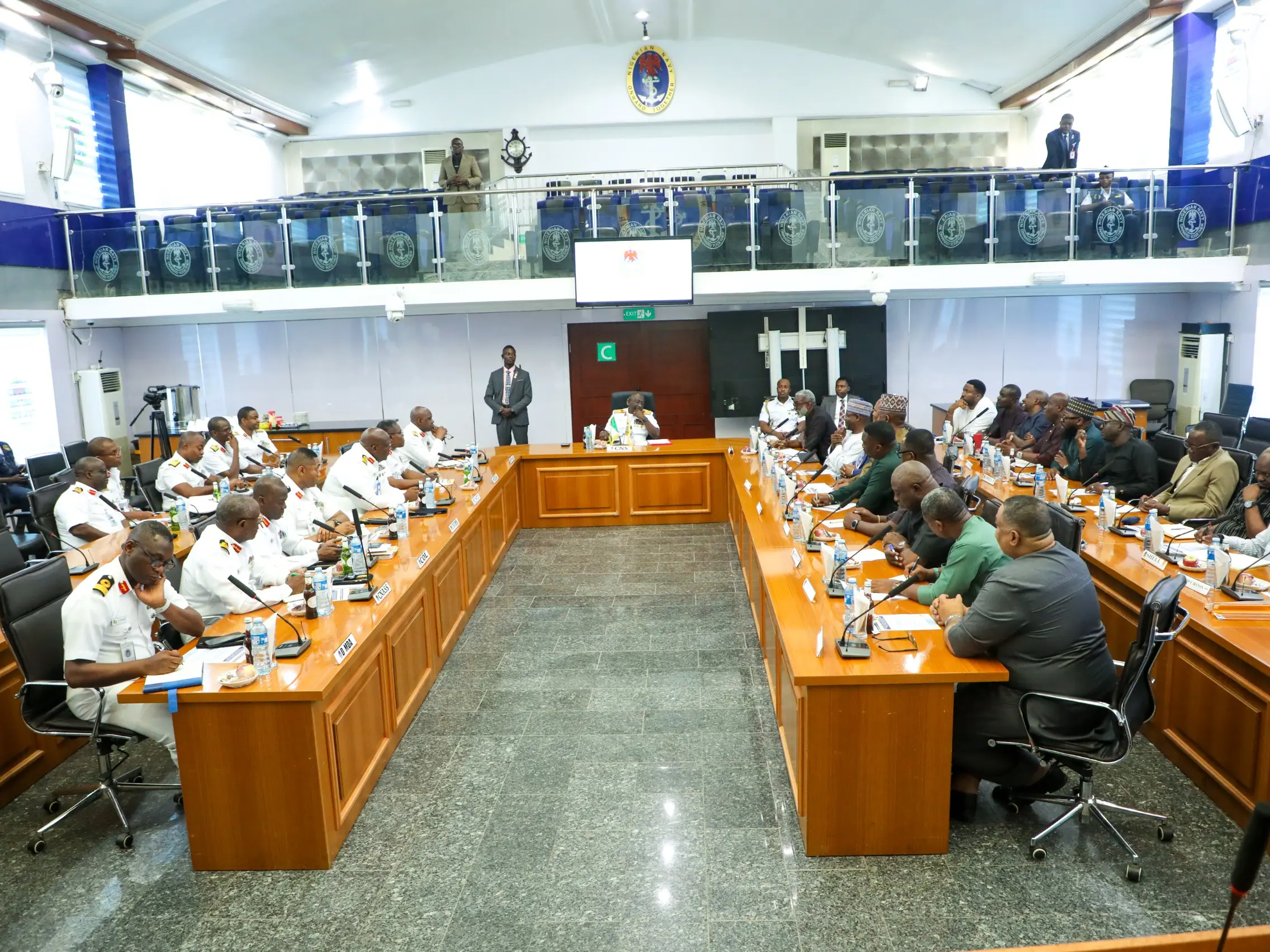)
Nigeria Navy moves to boost oil security, tackle crude theft and infrastructure threats
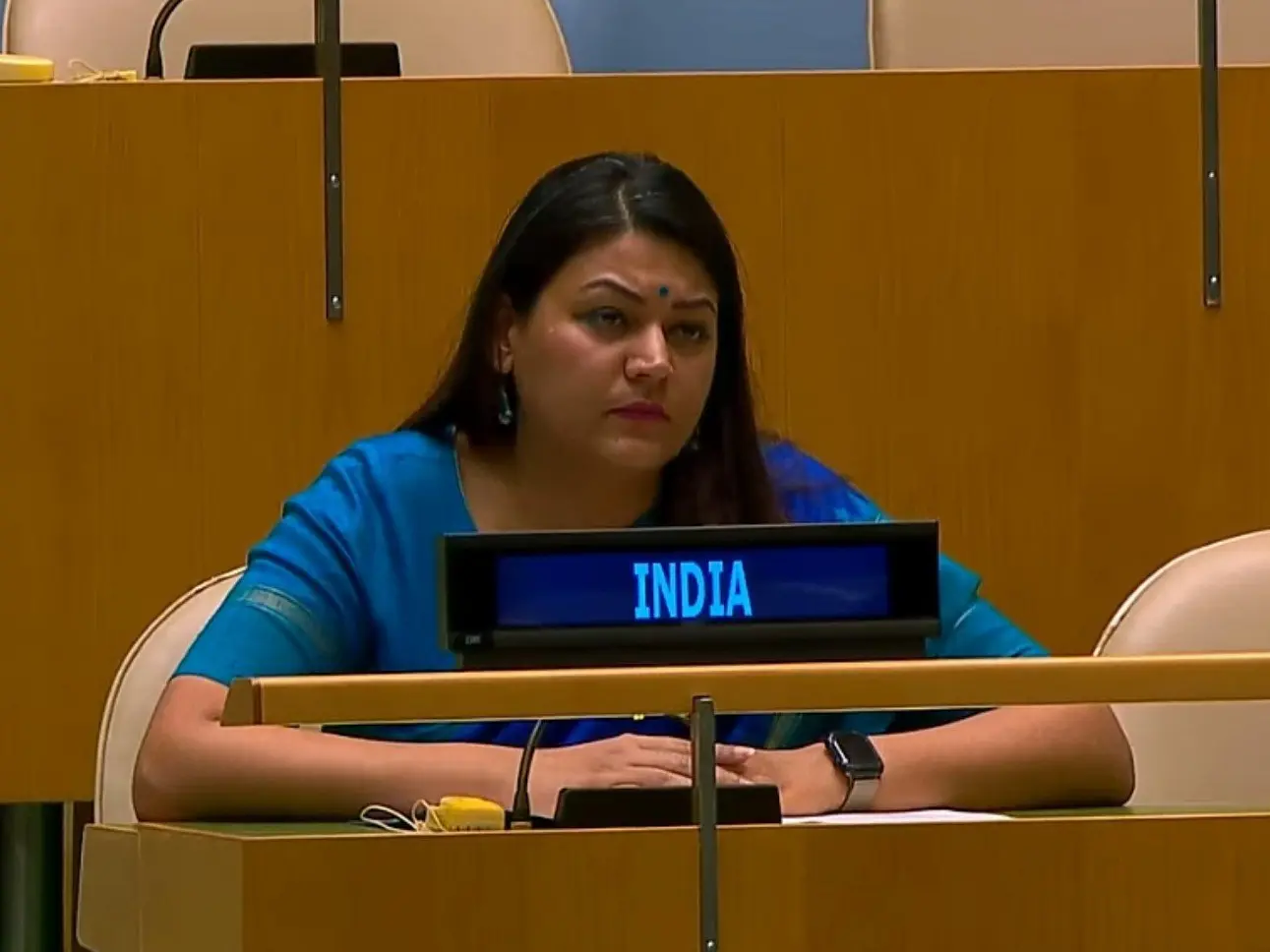)
Indian diplomat Petal Gahlot raises deteriorating situation in Pakistan-occupied Kashmir in right of reply at UN
)
Scientists detect first radio signals directly from faraway planet
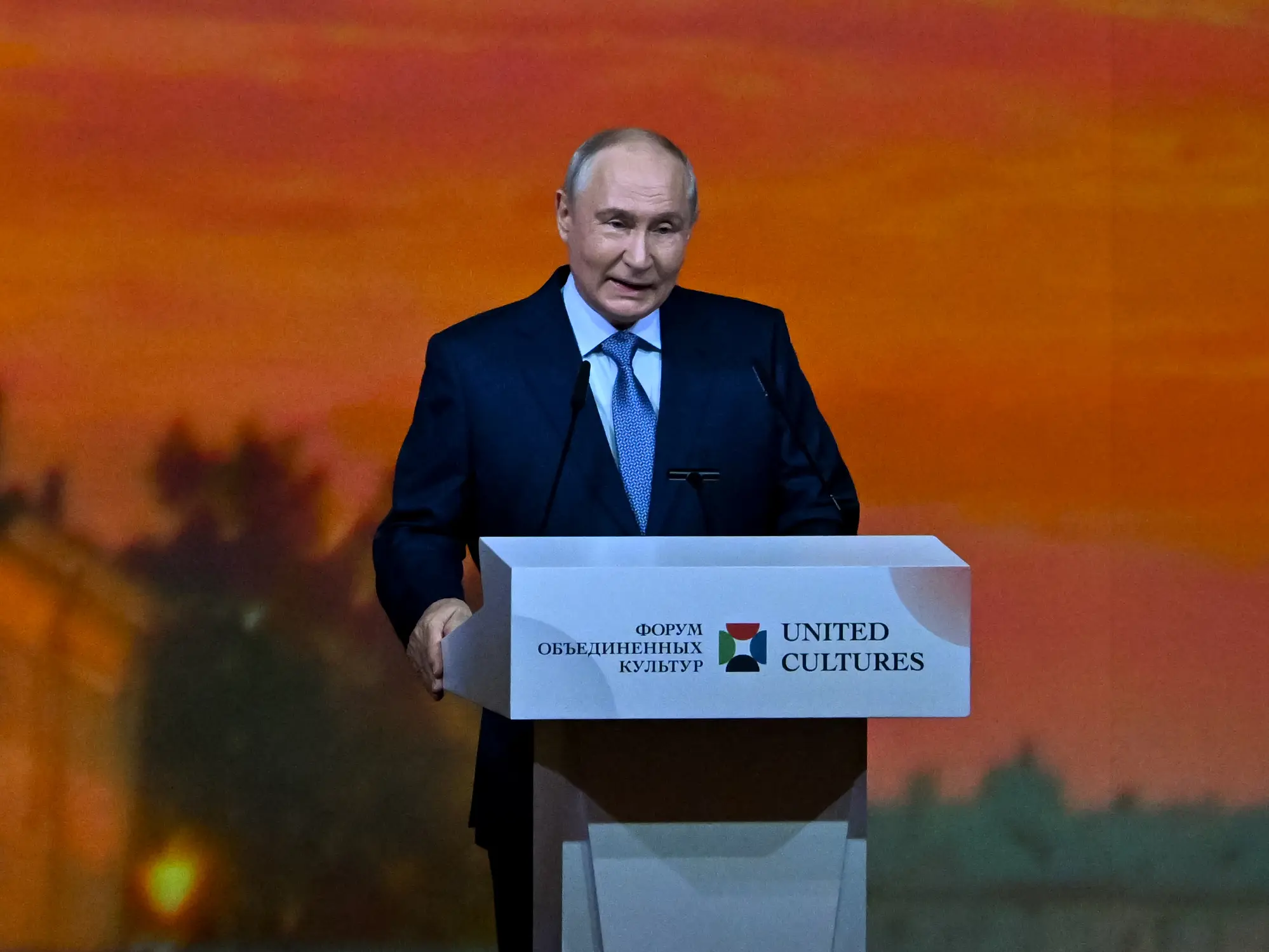)
‘It is all possible’: Putin weighs next steps on Ukraine talks, rules out Europe conflict
)
10,000 gather in support of 87-year-old forcefully evicted from home of 71 years
)
Trump rejects Iran's 7-day ceasefire proposal as US weighs renewed bombing after midterms: Report
)
Red Sea crisis: Houthis promise not to target European ships; UNSC condemns Saudi attacks
)
Gaza's war turned environmental damage into second crisis
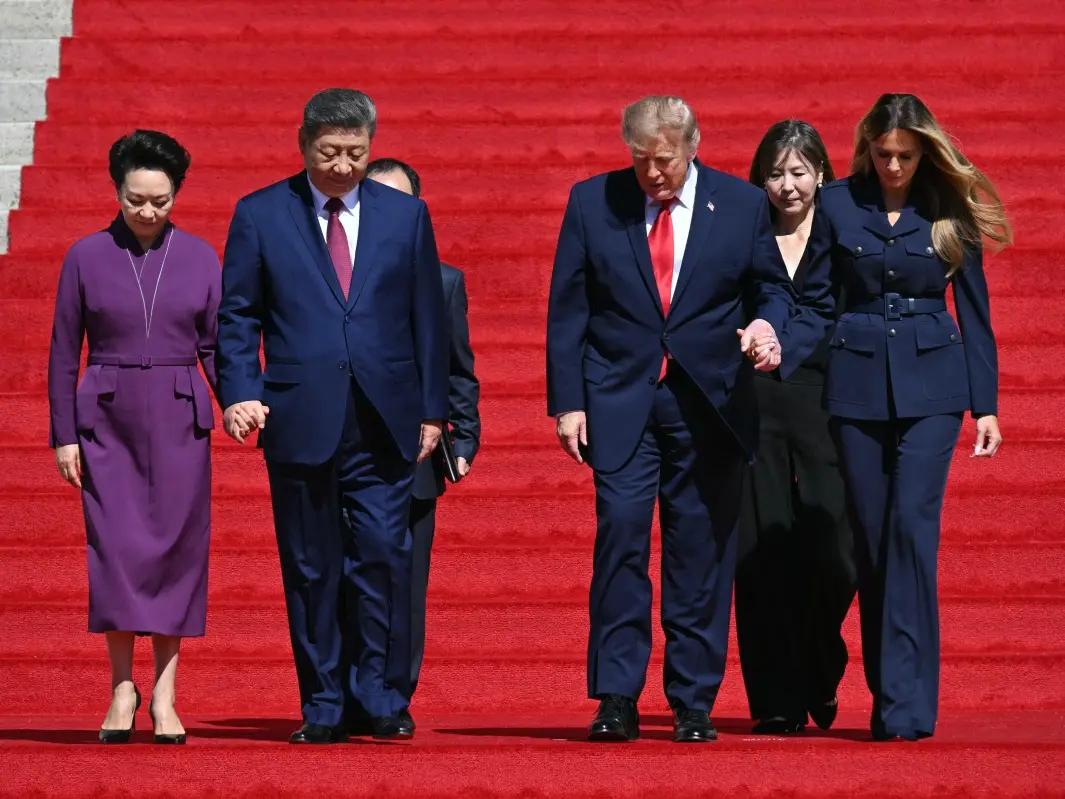)
Trump-Xi summit wrap: Big pageantry, Iran talks, few major developments and more meetings planned
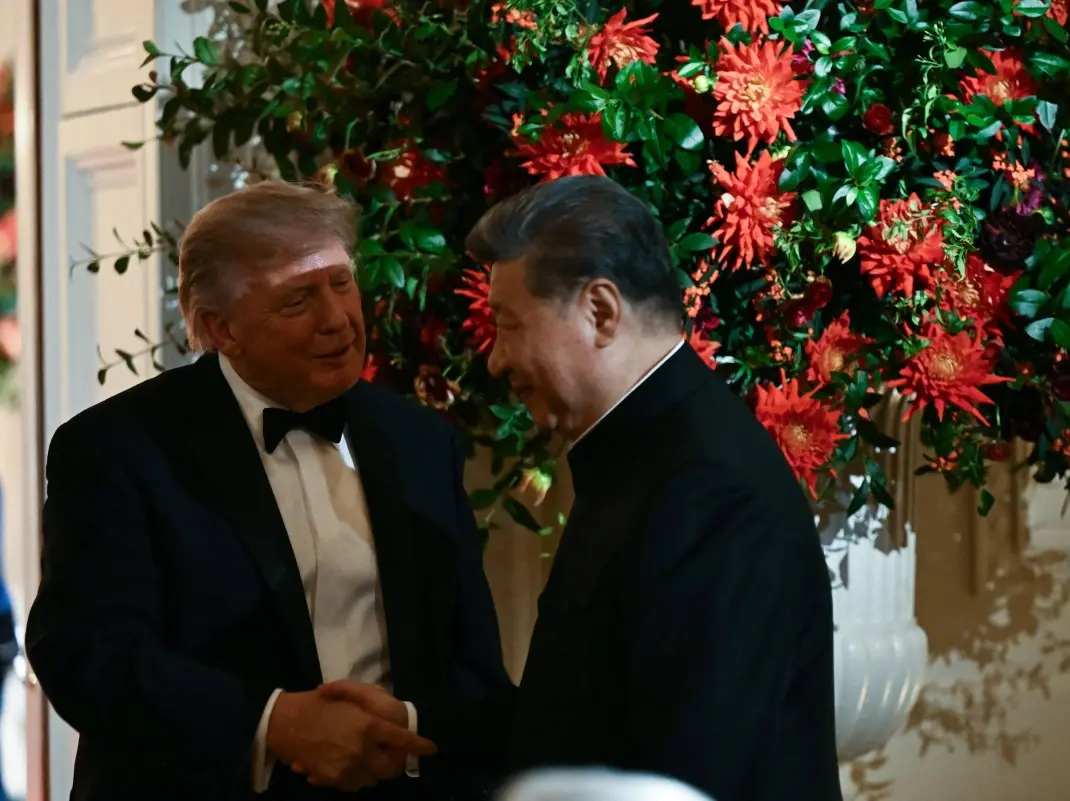)
'Making history': Xi Jinping praises Trump as US-China leaders dine at White House
)
'We do not wish to continue. It's America that must choose': Iran president Pezeshkian calls on US to end war
)
India's UN Envoy slams Pakistan: 'They claim security by day, terrorism by night'
)
Bollywood mourns Mushtaq Khan: Sunny Deol, Rajpal Yadav and others pay tribute
)
Myanmar training camp case: US national, 6 Ukrainians allowed to meet their families abroad
)
'FIRST LOOK from inside Noah’s Ark': Researchers share video from inside mysterious mound in Turkey
)
Cindy Crawford’s son Presley Gerber cremated as death probe continues
)
WATCH | As Shehbaz Sharif claims Pakistan’s ‘victory’ during 2025 conflict, Indian diplomat R Srinivas laughs at UN
)
'A terrorist country is asking me that question?': Jaishankar hits back at Pakistani journalist at UN; flags attacks on commercial shipping
)
Army chief reviews operational preparedness along LoC, visits mega eye camp in Tangdhar
&im=FitAndFill=(700,400))
‘Absolutely savage, sickening’: Zelensky slams Russia as daytime strikes kill 5 in Kyiv
)
US court backs Pentagon's decision to exclude Anthropic over Claude AI restrictions
"It is the responsibility of our government to build certainty in a context of uncertainty," Economic Minister Martin Guzman, thedeal's chief architect, said in defending the package before senators.
The agreement provides for a series of macroeconomic measures to control the country's chronic inflation (50.9 percent in 2021) and reduce its budget deficit of three percent of GDP last year until it is balanced in 2025.
Under the agreement, which must also be ratified by theIMFboard of directors before it comes into force, the fund will monitorArgentina's progress regularly.
In 2018, under the government of center-right Macri, theIMFapproved its biggest-ever loan of $57billiontoArgentina. The country received $44billionof that amount.
Macri's successor, Alberto Fernandez, refused to accept the rest and sought to renegotiate repayment terms.
Payments of $19billionand $20billionwere due this year -- a timeline the government considered impossible.
Argentinais just emerging from three years of economic recession and battling rising inflation and a high poverty rate.
The country recorded a 4.7 percent jump in its consumer price index in February compared to January, with a 7.5 percent rise in the cost of food.
Under the newdeal-- the 13th that Buenos Aires has signed with theIMFsince the return of democracy in 1983 -- repayments will be made from 2026 to 2034 after a grace period.
Argentinahas committed to reducing its fiscal deficit from 3.0 percent of GDP today to 0.9 percent by 2024.
IMFspokesman Gerry Rice said the aim of thedealwas to "reduce persistently high inflation" but warned of the challenges faced by the global economy following Russia's invasion of Ukraine.
Theparliamentbuilding was fenced off ahead of theSenatevote last week, following protests when the lower house approved the bill, with some demonstrators burning rubbish and throwing stones towards the building entrance.
A police officer was struck by a Molotov cocktail and some windows were hit with stones, including those at the offices of theSenatepresident and Vice President Cristina Kirchner.