A trade war’s ripple effect: How the US-China tariff clash shakes the world and India

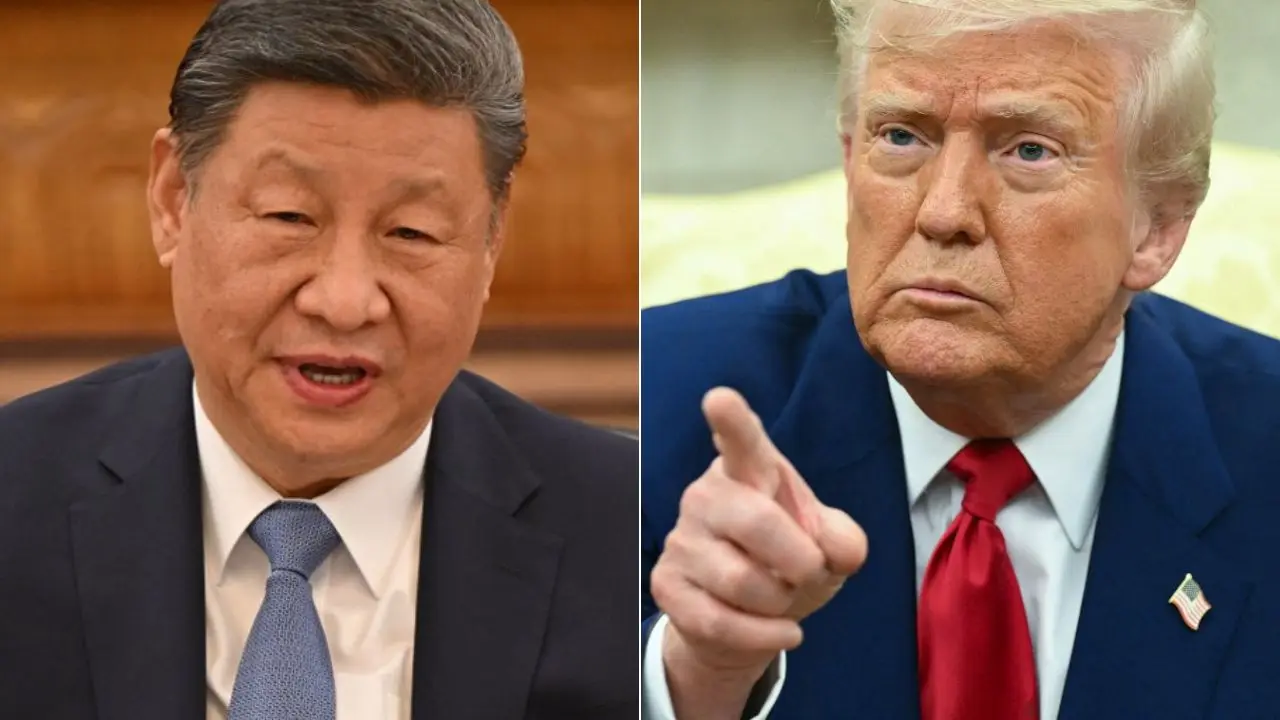
The global economy is reeling from this trade war. The US tariffs, which CNBC reports as effectively 145 per cent on Chinese imports, and China’s 125 per cent counter-tariffs, are making goods costlier. World | India news
The US-China trade war, now raging with 145 per cent US tariffs on Chinese goods and 125 per cent retaliatory tariffs from China as of April 2025, is sending shockwaves through the global economy. This escalating conflict, described as a “monumental split” by The New York Times, is not just a tussle between two superpowers—it’s a crisis that threatens to reshape trade, prices, and growth worldwide. For India, caught in the crossfire with its massive trade ties to both nations, this war brings both golden opportunities and daunting challenges. As an Indian, I see this as a moment for us to navigate carefully, balancing ambition with caution.
The global economy is reeling from this trade war. The US tariffs, which CNBC reports as effectively 145 per cent on Chinese imports, and China’s 125 per cent counter-tariffs, are making goods costlier. From electronics to raw materials, prices are climbing, stoking inflation fears. Reuters notes that consumer inflation expectations in the US have hit a 40-year high, with fears of “tarifflation” pushing prices up further. Supply chains, heavily dependent on China—the world’s factory—are in chaos. Shortages and delays are looming, as CNN Business warns, disrupting everything from car manufacturing to smartphone production. Financial markets are jittery too. India Today reports a $180 billion wipeout in Indian stocks in early 2025, reflecting global investor panic. If this continues, economists warn of a possible recession, with the IMF flagging a potential 0.5 per cent hit to global GDP, translating to billions in lost output.

India, with its US$118.40 billion trade with China in FY24 (IBEF), feels the heat acutely. As China’s top trading partner, surpassing even the US (Trading Economics), India relies heavily on Chinese imports—US$117.68 billion worth in 2023 alone. These include critical components for electronics, pharmaceuticals, and machinery. With tariffs driving up costs, Indian businesses and consumers could face higher prices. For instance, smartphones and medicines, heavily dependent on Chinese parts, may become pricier, as India Today points out. Rising oil prices, spurred by trade tensions, could further inflate India’s import bill, adding to inflation woes. India warns that this could weaken demand for Indian goods, especially in labour-intensive sectors like textiles and gems, already hit by global slowdowns.
Yet, there’s a silver lining. The trade war is pushing companies to rethink their supply chains, and India stands to gain. The Tribune highlights how firms like Apple and Tesla are shifting manufacturing to India, drawn by its large workforce and growing infrastructure. This could boost jobs and foreign investment, aligning with the “Make in India” vision. Wright Research notes that India’s electronics sector, especially telecom equipment like iPhones, has already seen a tenfold rise in US import share since 2017. If India secures trade deals with the US, as CNBC suggests, it could replace Chinese goods in American markets, boosting exports. China’s restrictions on US markets may also redirect its exports to India, offering cheaper goods for Indian importers, per Wright Research.
&imwidth=180&imheight=135&format=webp&quality=medium)
India’s naval priorities: Ex-Navy Chief calls for third aircraft carrier, more warships and submarines
&imwidth=180&imheight=135&format=webp&quality=medium)
Portland stabbing: Multiple people reportedly stabbed hours after deadly Bend school shooting
&imwidth=180&imheight=135&format=webp&quality=medium)
US business activity grows in June, but tariffs and inflation cloud outlook
&im=FitAndFill=(700,400)&imwidth=180&imheight=135&format=webp&quality=medium)
Inside the Peshawar school tragedy: 34 dead, building's condition under scrutiny and owner arrested. Here's what all happened
&imwidth=180&imheight=135&format=webp&quality=medium)
Arijit Singh 9-city India stadium tour to start from January: Check venue and ticket prices
&imwidth=180&imheight=135&format=webp&quality=medium)
Nine former FBI employees fired over investigation into Trump's classified records sue Kash Patel, DOJ over alleged unlawful dismissal
&imwidth=180&imheight=135&format=webp&quality=medium)
Yemen’s govt says PM, cabinet survived Houthi missile attack on presidential palace in Aden
&im=FitAndFill=(700,400)&imwidth=180&imheight=135&format=webp&quality=medium)
World's 7 most innovative countries in 2026 REVEALED: Did India make the list? | In Pics
&imwidth=180&imheight=135&format=webp&quality=medium)
‘False accusations’: Maduro, wife plead not guilty to new US torture charges
&imwidth=180&imheight=135&format=webp&quality=medium)
US midterms 2026: FBI investigates suspicious mailings containing 'unknown substance' sent to election offices
&imwidth=180&imheight=135&format=webp&quality=medium)
Australian woman charged for adding snail poison to lover's curry at work
&imwidth=180&imheight=135&format=webp&quality=medium)
Central Park in Delhi shut on October 16, 17 amid CJP's protest call
&imwidth=180&imheight=135&format=webp&quality=medium)
Russian woman and Bihar boy's love story goes viral after she reaches India to marry him
&imwidth=180&imheight=135&format=webp&quality=medium)
Who is Abu Dhabi royal Mahrah Al Nahyan, found unconscious on London street with toddler after cocaine use
&imwidth=180&imheight=135&format=webp&quality=medium)
Netanyahu defies Trump, blocks Gaza military base for Board of Peace | Gravitas
&imwidth=180&imheight=135&format=webp&quality=medium)
Iranian woman, 23, handed death sentence for ‘blasphemy’ in social media post; appeals for help
&imwidth=180&imheight=135&format=webp&quality=medium)
Ukraine blinded: Musk deflects blame on Trump, Putin sharpens attack | Gravitas
&imwidth=180&imheight=135&format=webp&quality=medium)
'Ukraine must get all it needs to protect civilians and infrastructure': Macron
&imwidth=180&imheight=135&format=webp&quality=medium)
Saudi Arabia executes two Bangladeshi nationals over ‘immoral acts’ inside Mecca mosque
&imwidth=180&imheight=135&format=webp&quality=medium)
Katie Zacharia, White House Press Secretary admits she never passed bar exam amid credentials controversy
&imwidth=180&imheight=135&format=webp&quality=medium)
'Turn approver, resign, we'll forgive you': Rahul Gandhi claims receiving messages from CEC Gyanesh Kumar
&imwidth=180&imheight=135&format=webp&quality=medium)
'White supremacist' terror plot against Illinois Hindu temple foiled by jammed gun: Who is Alexandros Paporakis?
&imwidth=180&imheight=135&format=webp&quality=medium)
US sanctions Cuban state-owned bank BICSA over alleged financial links to Iran
&imwidth=180&imheight=135&format=webp&quality=medium)
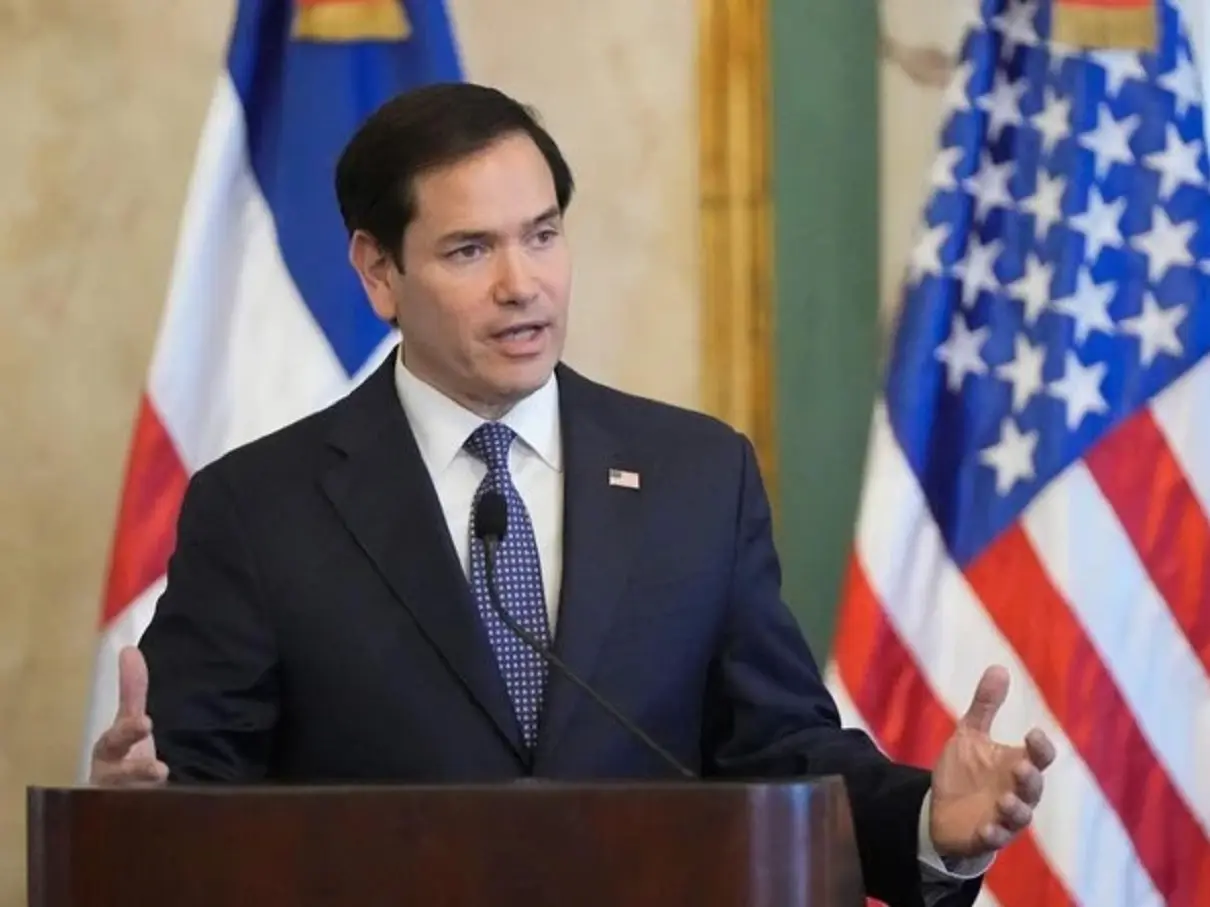
Mumbai gears up for Marco Rubio’s visit as US Secretary of State prepares for India trip
&imwidth=180&imheight=135&format=webp&quality=medium)
Girl 'dead' for 8 hours wakes up at her own funeral, dad insists she wasn't breathing

Kashmir scholars oppose Waqf Board’s common 'khutbah' proposal, allege political interference in mosques
&imwidth=180&imheight=135&format=webp&quality=medium)
Trump's tariff strategy faces new test: India wants preferential access and tariff stability
&imwidth=180&imheight=135&format=webp&quality=medium)
Abhishek Sharma sets all-time record for most T20I sixes in a year
&imwidth=180&imheight=135&format=webp&quality=medium)
'Don't ever mess with nature!': Trump’s tiger attack post triggers social media backlash as victim's family issues heartbreaking tribute
&imwidth=180&imheight=135&format=webp&quality=medium)
‘My president, I mean my husband’: Trump's new press secretary Katie Zacharia's first briefing goes off the rails in 14 minutes
&imwidth=180&imheight=135&format=webp&quality=medium)
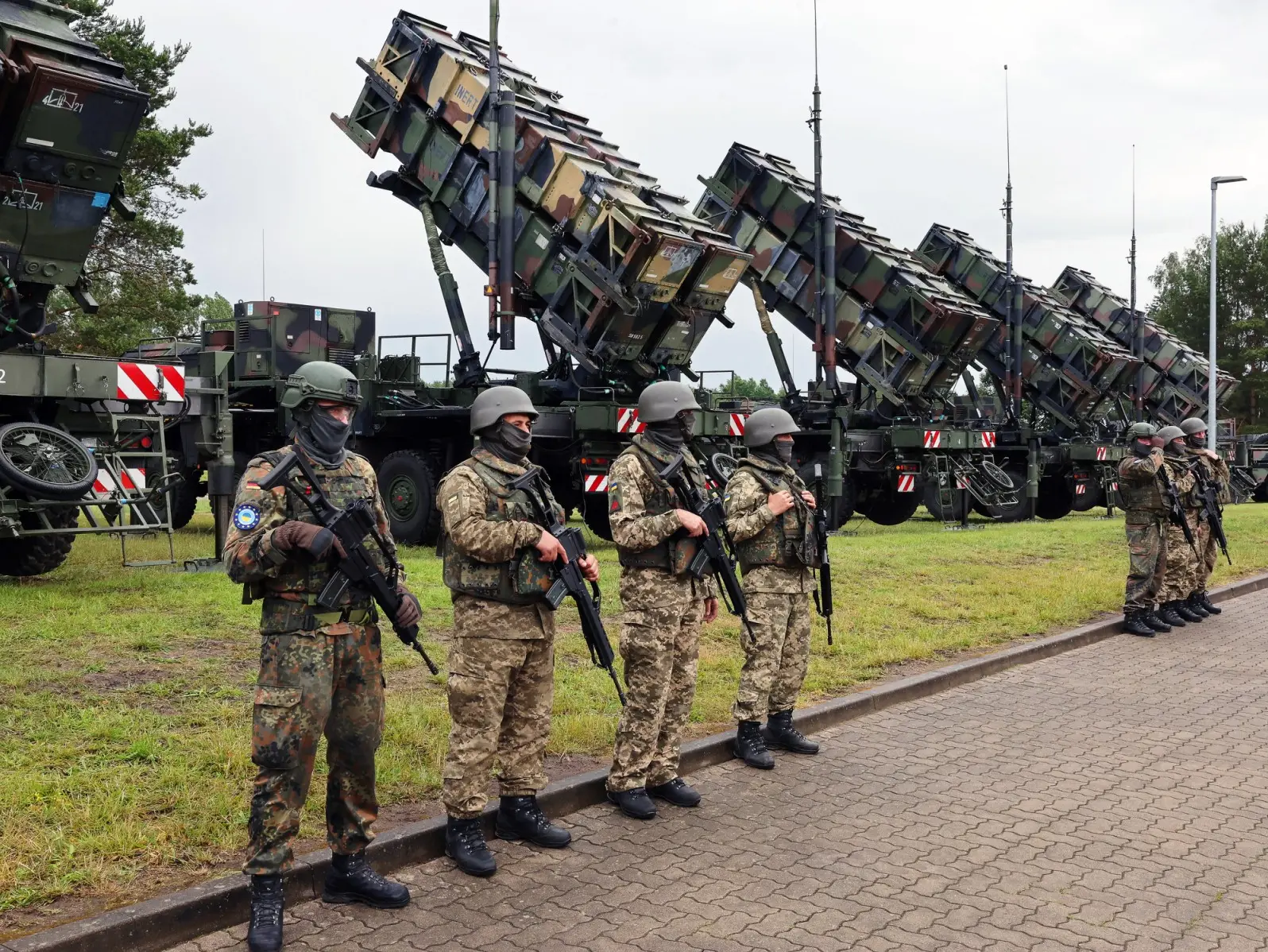
Ukraine running out of patriot missiles as Russian ballistic attacks intensify: Report
&imwidth=180&imheight=135&format=webp&quality=medium)
NASA captures strange structure with tentacle-like formation from space
&imwidth=180&imheight=135&format=webp&quality=medium)
Oregon school shooting: 16-year-old identified as suspect after at least four killed, including three children
&imwidth=180&imheight=135&format=webp&quality=medium)
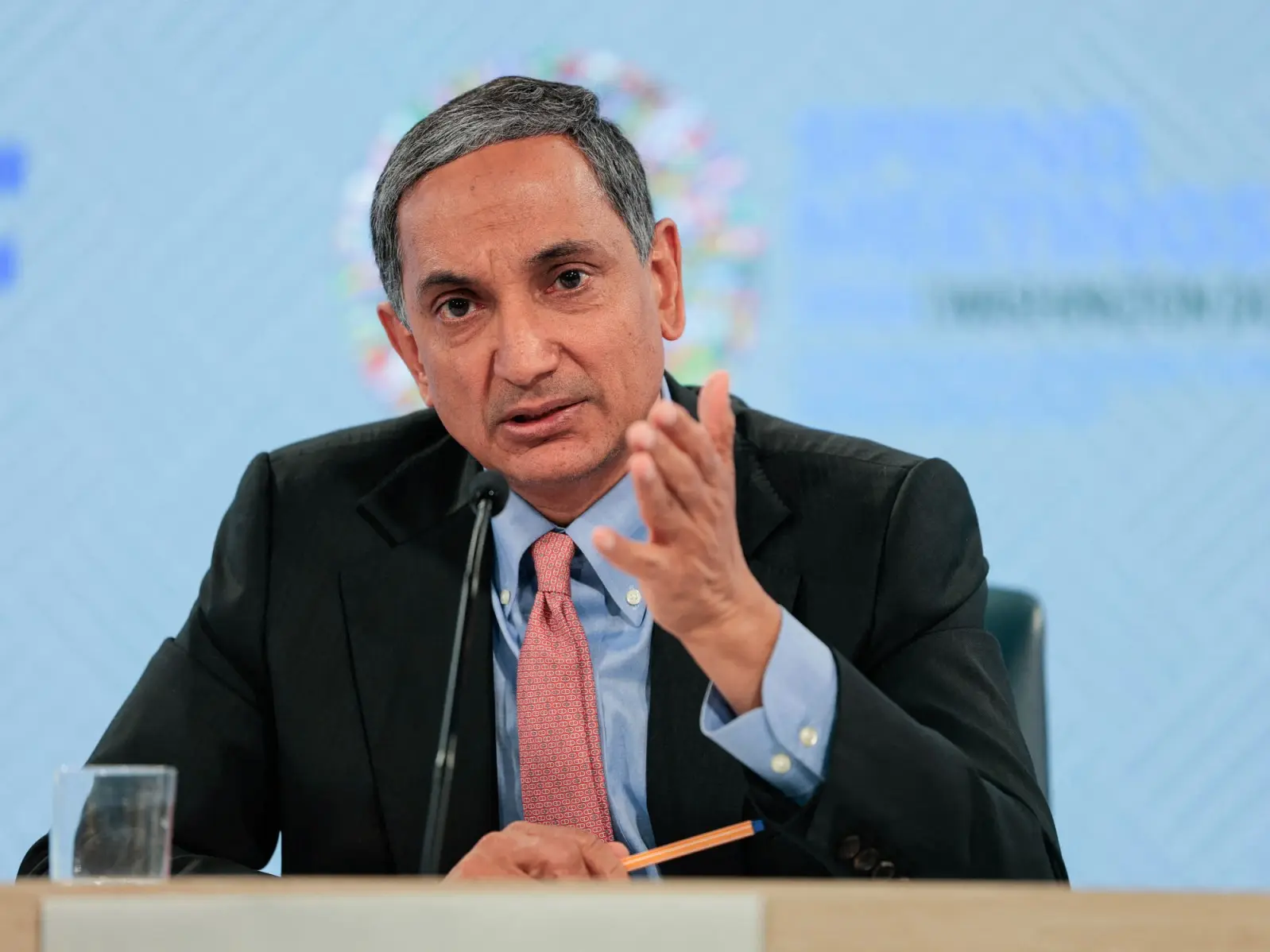
India to overtake Japan, become 4th-largest economy by 2027? What IMF’s latest projection reveals
&imwidth=180&imheight=135&format=webp&quality=medium)
Turkey Floods: Heavy rains flood homes and submerge vehicles in Istanbul
&imwidth=180&imheight=135&format=webp&quality=medium)
Leap second could go by 2027. What it means, as timekeepers gather in Versailles
&imwidth=180&imheight=135&format=webp&quality=medium)
Was Trump in danger at Alaska rally? Viral video shows Secret Service agents reacting
But seizing these opportunities isn’t easy. India’s exporters, particularly in metals, are at risk. Wright Research reports a 5.6 per cent plunge in the Nifty Metal Index in just three trading sessions in 2025, a sign of global trade contraction. India Today recalls how past trade wars hurt Indian exporters, and this round could be worse. Infrastructure bottlenecks and red tape, as The New York Times notes, hinder India’s ability to fully replace China as a manufacturing hub. Geopolitically, India must tread carefully. The US is a key ally in security and technology, but Indian Express quotes Chinese calls for India to stand against US “tariff abuses.” Balancing these ties while protecting trade interests is a tightrope walk, as The Tribune emphasizes.
So, what should India do? First, it must fast-track reforms to attract foreign investment. Easing business regulations and improving infrastructure, as CNBC suggests, could make India a magnet for companies fleeing China. Second, boosting domestic manufacturing is crucial to cut reliance on Chinese imports. The “Make in India” push needs more momentum, with incentives for local production in electronics and pharmaceuticals. Third, India should ramp up diplomatic efforts. The Tribune notes ongoing talks with the US for a trade deal by autumn 2025, aiming for $500 billion in two-way trade by 2030. Exploring deals with other nations, like the EU or Vietnam, could diversify trade and cushion global shocks.
This trade war is a wake-up call for India. The global economy faces turbulent times, with inflation, supply chain woes, and recession risks looming large. India, with its strategic position, can turn this crisis into a chance to shine as a manufacturing and trade hub. But it must act swiftly—streamlining policies, strengthening industries, and navigating geopolitics with finesse. As Reuters warns, the world is watching a trade war that could redefine economic power. For India, the choice is clear: adapt and thrive, or risk being swept away by the storm.
