‘A lie’: Iran rejects report alleging assassination plot against Trump’s son

&imwidth=600&imheight=450&format=webp&quality=medium "‘A lie’: Iran rejects report alleging assassination plot against Trump’s son")
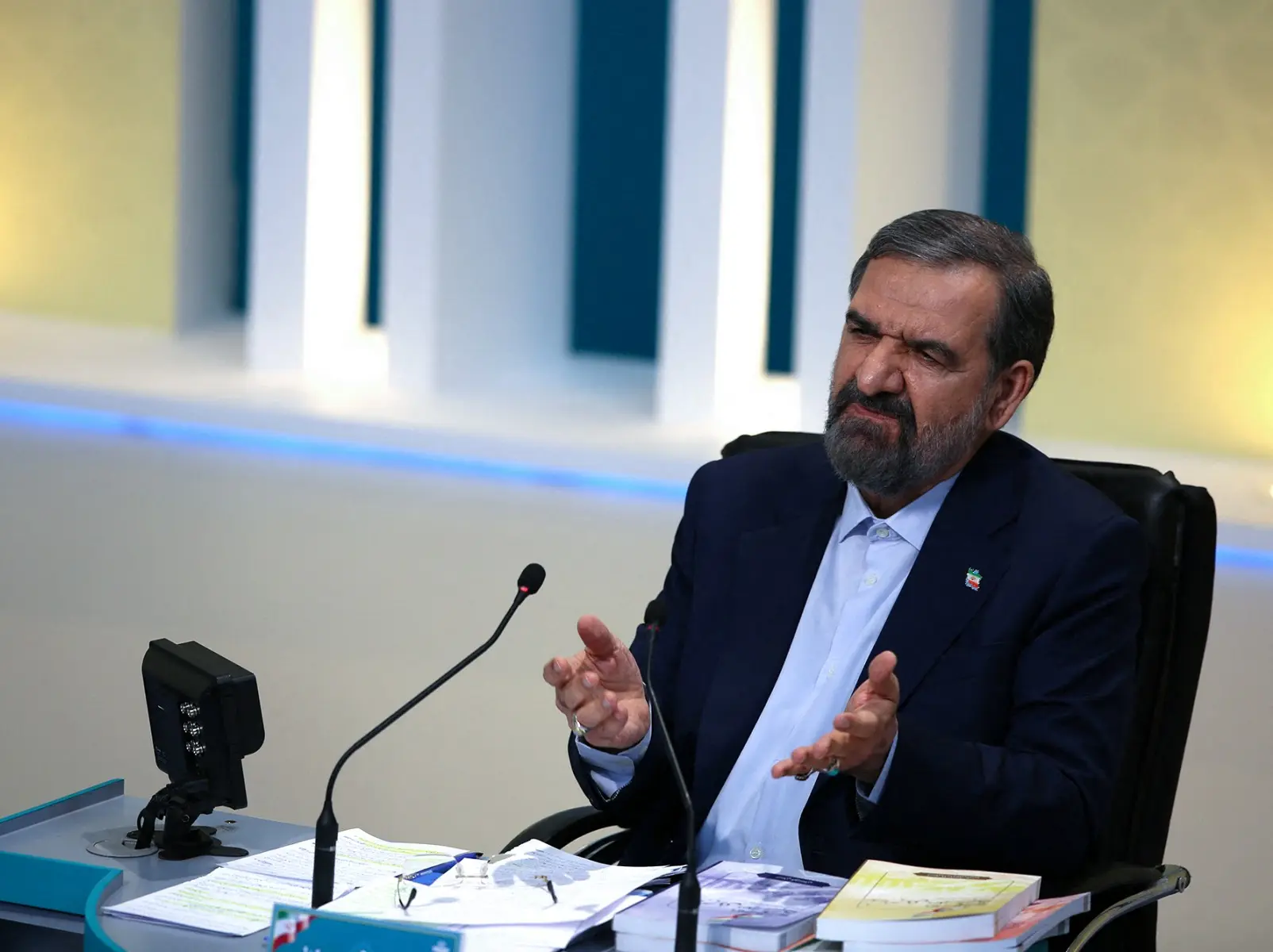
File photo: Iran’s security chief Mohsen Rezaei Photograph: (AFP)
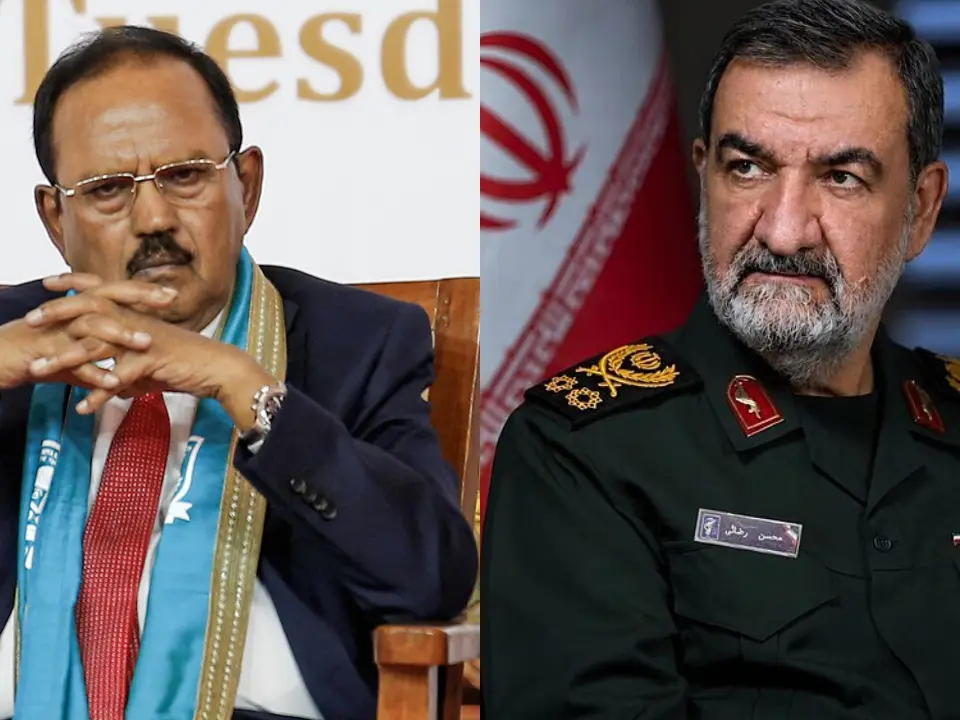
Iran’s security chief Mohsen Rezaei has denied a report alleging a plot to assassinate Barron Trump, calling it “a lie”, as Tehran weighs conditions for reopening the Strait of Hormuz.
Iran’s security chief Mohsen Rezaei rejected a report suggesting a possible plot to assassinate Barron Trump, the youngest son of US President Donald Trump, calling it false. This comes as tensions between Washington and Tehran continue to shadow efforts to reopen the Strait of Hormuz.
Speaking in an interview broadcast by Lebanon’s Al Manar TV on Thursday, Rezaei rejected the claim outright, calling the reported plot “a lie”.
The remarks came days after the US Secret Service said it was aware of a video aired by Iranian state television that discussed a potential plot targeting Barron Trump.
The controversy unfolded against the backdrop of delicate negotiations over the Strait of Hormuz, one of the world’s most strategically important shipping routes.
Rezaei, who serves as secretary of Iran’s Supreme National Security Council, said Tehran was preparing a list of conditions for reopening the waterway after mediators asked Iran to spell out its demands. Ending the regional war, he said, was among those conditions.
According to Rezaei, Iran has reached an understanding with Oman on a shipping corridor through the strait. Parts of the proposed route would pass through Omani waters, while others would fall under Iranian jurisdiction. Ships would use a designated central channel if Washington agreed to Tehran’s conditions, he said through an interpreter.
Trending Stories
&imwidth=280&imheight=210&format=webp&quality=medium)
&imwidth=280&imheight=210&format=webp&quality=medium)
&imwidth=280&imheight=210&format=webp&quality=medium)
&imwidth=280&imheight=210&format=webp&quality=medium)
&imwidth=280&imheight=210&format=webp&quality=medium)
&imwidth=280&imheight=210&format=webp&quality=medium)
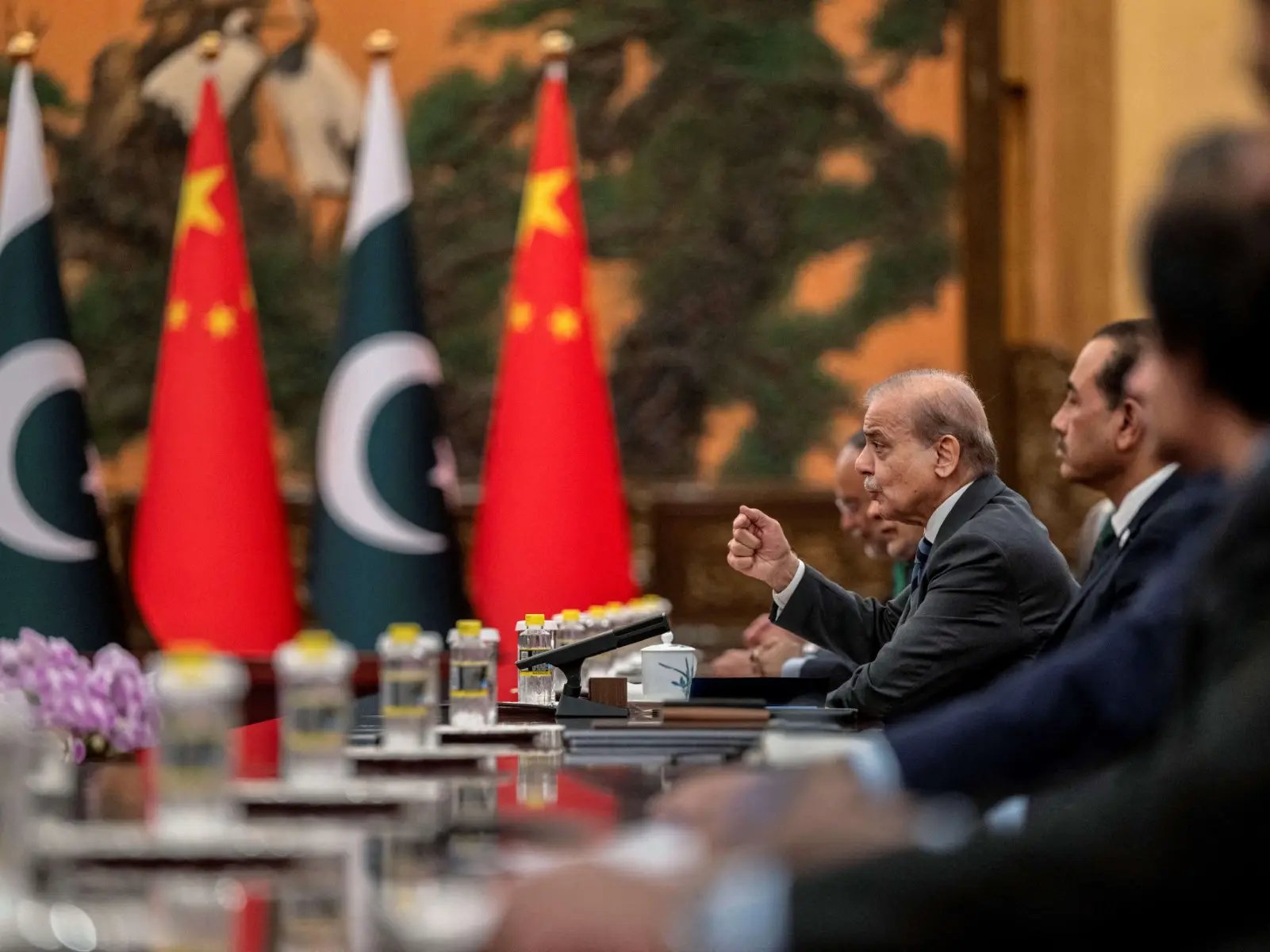&imwidth=280&imheight=210&format=webp&quality=medium)
&imwidth=280&imheight=210&format=webp&quality=medium)
&im=FitAndFill=(700,400)&imwidth=280&imheight=210&format=webp&quality=medium)
&im=FitAndFill=(700,400)&imwidth=280&imheight=210&format=webp&quality=medium)
&imwidth=280&imheight=210&format=webp&quality=medium)
&imwidth=280&imheight=210&format=webp&quality=medium)
&im=FitAndFill=(700,400)&imwidth=280&imheight=210&format=webp&quality=medium)
&imwidth=280&imheight=210&format=webp&quality=medium)
&imwidth=280&imheight=210&format=webp&quality=medium)
&imwidth=280&imheight=210&format=webp&quality=medium)
&imwidth=280&imheight=210&format=webp&quality=medium)
&imwidth=280&imheight=210&format=webp&quality=medium)
&imwidth=280&imheight=210&format=webp&quality=medium)
&imwidth=280&imheight=210&format=webp&quality=medium)
&imwidth=280&imheight=210&format=webp&quality=medium)
&imwidth=280&imheight=210&format=webp&quality=medium)
&imwidth=280&imheight=210&format=webp&quality=medium)
&imwidth=280&imheight=210&format=webp&quality=medium)
&imwidth=280&imheight=210&format=webp&quality=medium)
&imwidth=280&imheight=210&format=webp&quality=medium)
&imwidth=280&imheight=210&format=webp&quality=medium)
&imwidth=280&imheight=210&format=webp&quality=medium)
&imwidth=280&imheight=210&format=webp&quality=medium)
&imwidth=280&imheight=210&format=webp&quality=medium)
&imwidth=280&imheight=210&format=webp&quality=medium)
A senior source said on Wednesday that Iran and Oman were still working through details of the proposed arrangement, despite earlier claims by Iran’s Revolutionary Guards that the two sides had agreed on sharing control of the waterway and its revenues.
Iran has insisted that the strait will not reopen unless Washington lifts what Tehran calls a blockade on Iranian ports, pays compensation and removes sanctions.
Before the war erupted in February, the Strait of Hormuz carried roughly a fifth of the world’s oil and liquefied natural gas shipments. Traffic has largely stopped since then.
Ceasefire agreements announced in April and June were meant to restore maritime movement, but both ultimately failed to hold, leaving one of the world’s key energy arteries in limbo.

