

&imwidth=800&imheight=600&format=webp&quality=medium "'The history, politics and strategy': Why Trump picked Alaska for Putin talks, and not Washington or New York")
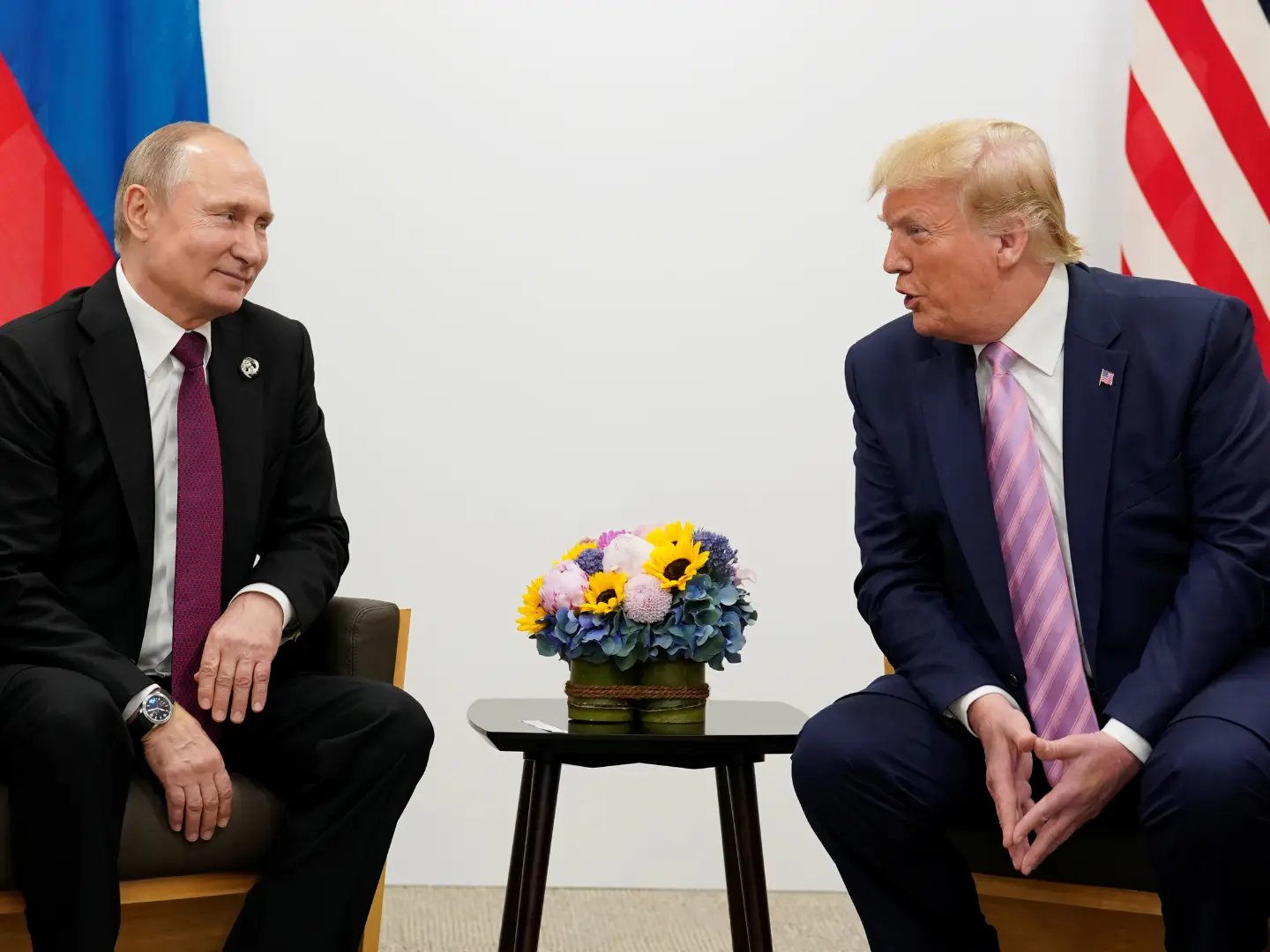
US President Donald Trump is set to meet Russian President Vladimir Putin on Friday (August 15), and they chose Alaska as their place of choice for their business, and it is anything but random. From 1737 until 1867, Alaska was part of the Russian Empire, separated from the rest of Russia yet sharing a border with another country. Tsar Alexander II sold the territory to the United States for $7.2 million, a move designed to keep it out of British hands and strengthen ties with Washington.
From wartime ally to cultural legacy
During the Second World War, Fairbanks played a vital role in the Lend-Lease programme, which saw US aircraft and supplies sent to the Soviet Union. Today, Alaska remains the “most Russian” of US states, home to Orthodox churches, Russian place names, and descendants of settlers known as Old Believers.
Keeping intermediaries away
For Trump, Alaska is not only about history. By picking the most remote US state, far from any Euro-Atlantic capital, he avoids the presence of intermediaries such as Türkiye’s Recep Tayyip Erdogan or the UAE’s Mohammed bin Zayed Al Nahyan, whose involvement could alter the tone of the summit. The isolation also underscores Trump’s distance from NATO allies and Democratic critics, many of whom are sceptical of any breakthrough with Moscow.
Trending Stories
&imwidth=180&imheight=135&format=webp&quality=medium)
India moves to buy 10,000 more AI chips for a national compute pool open to startups
&imwidth=180&imheight=135&format=webp&quality=medium)
Cattle-feed bran in biscuits, detergent in milk: FSSAI acts against 3 companies
&imwidth=180&imheight=135&format=webp&quality=medium)
The Verdict | Trump, Putin and Xi: A superpower triangle that could reshape global diplomacy
&imwidth=180&imheight=135&format=webp&quality=medium)
France protests: 'Block everything' movement escalates as public fury over austerity grows; over 200 arrested. Here's all you to need to know
&imwidth=180&imheight=135&format=webp&quality=medium)
Over 100 US lawmakers urge FBI to probe foiled Hindu temple shooting as hate crime
&imwidth=180&imheight=135&format=webp&quality=medium)
Elon Musk will give away one SpaceX share to each American child. That comes to $10.5bn
&imwidth=180&imheight=135&format=webp&quality=medium)
'What's wrong with you? Are you a sick person?': Trump at it again as he snaps at reporters, faces backlash
&imwidth=180&imheight=135&format=webp&quality=medium)
After France unrest, Italy tightens security amid violent protests in Milan
&imwidth=180&imheight=135&format=webp&quality=medium)
'US will never part with niche technology' former IAF assistant chief on India's fighter jet ambitions
&imwidth=180&imheight=135&format=webp&quality=medium)
WATCH | Albania protesters set Supreme Court on fire as anti-Rama riots escalate
&imwidth=180&imheight=135&format=webp&quality=medium)
Iran rejects US talks until demands are met, rules out moving enriched uranium out of the country
&imwidth=180&imheight=135&format=webp&quality=medium)
What the Mecca Joint Defence Agreement says about withdrawal and military support. Read full text of the pact here
&imwidth=180&imheight=135&format=webp&quality=medium)
Pujara says 'Samson and Vaibhav cannot be in Playing XI' for India on NZ tour
&imwidth=180&imheight=135&format=webp&quality=medium)
Trump considers removing White House press corps to restore historic indoor swimming pool
&imwidth=180&imheight=135&format=webp&quality=medium)
US midterms 2026: With Republicans spending big, Bloomberg opens his wallet for Democrats. Here's how much he is pouring
&imwidth=180&imheight=135&format=webp&quality=medium)
Man marries off wife of 17 years to her lover in Uttar Pradesh
&imwidth=180&imheight=135&format=webp&quality=medium)
Trump says Ilhan Omar 'could go to jail' amid federal probe, calls Somalia a 's***house'
&imwidth=180&imheight=135&format=webp&quality=medium)
Boeing 737 MAX10 gets FAA certification, deliveries expected to begin in 2027
&im=FitAndFill=(700,400)&imwidth=180&imheight=135&format=webp&quality=medium)
What is the real meaning behind Pete Hegseth's tattoos?
&imwidth=180&imheight=135&format=webp&quality=medium)
Tiger Shroff firing incident: Four arrested in arms supply probe, two women allegedly sent weapons to Mumbai
&imwidth=180&imheight=135&format=webp&quality=medium)
Musk ordered Starlink restrictions that caught Ukraine off guard amid escalating tensions: Report
&imwidth=180&imheight=135&format=webp&quality=medium)
Ramayana advance booking: Ranbir Kapoor, Yash's film cross $500K ahead of Diwali release
&imwidth=180&imheight=135&format=webp&quality=medium)
PAK vs ENG: Arafat Minhas, Hasan Nawaz shine as Pakistan beat England by 87 runs
&imwidth=180&imheight=135&format=webp&quality=medium)
US midterms 2026: Red seats once deemed safe now appear shaky as Republicans spend big on ads
&imwidth=180&imheight=135&format=webp&quality=medium)
Trump calls Le Pen France’s ‘conservative voice’ after riots, but holds back on endorsement
&imwidth=180&imheight=135&format=webp&quality=medium)
'They are not even telling us' - Mysterious metallic object discovered in Minnesota field
&imwidth=180&imheight=135&format=webp&quality=medium)
Shastri backs Shami comeback; lauds Bhuvi and warns Bumrah on format workload ahead of World Cup
&imwidth=180&imheight=135&format=webp&quality=medium)
Trump says he wants Zelensky to 'make a deal' with Russia, asks Putin to release American prisoner Stephen Hubbard
&im=FitAndFill=(700,400)&imwidth=180&imheight=135&format=webp&quality=medium)
Priyanka Chopra to Shilpa Shetty: 6 Bollywood actresses and their fitness secrets
&imwidth=180&imheight=135&format=webp&quality=medium)
Punjab CM Bhagwant Mann allegedly detained for three hours at Delhi airport, fined ₹50,000: AAP
&imwidth=180&imheight=135&format=webp&quality=medium)
Gravitas | People who nap frequently have 48% higher risk of developing dementia: Study
&imwidth=180&imheight=135&format=webp&quality=medium)
Dandiya Nite ’26: Indian High Commissioner hails diaspora as bridge between India and Nigeria
&im=FitAndFill=(700,400)&imwidth=180&imheight=135&format=webp&quality=medium)
New OTT releases this week (October 19-25, 2026): Gajab Raat to Chaar Yaar-8 titles to watch during Dussehra week on Netflix, Prime Video and more
&imwidth=180&imheight=135&format=webp&quality=medium)
Feds obtain DNA evidence that could prove Ilhan Omar married her brother: Report
&imwidth=180&imheight=135&format=webp&quality=medium)
Far-left parties, global networks among 54 groups linked to France protests, only 16 are youth outfits: Report
Security and legal considerations
Alaska’s sparse population makes it easier for security teams to guard against terrorist threats or provocations. It also sidesteps any complications linked to the International Criminal Court’s arrest warrant for Putin, as the US does not recognise the ICC’s jurisdiction.
The Arctic factor
As America’s only Arctic state, Alaska plays into the strategic interests of both Washington and Moscow. The two powers have overlapping concerns in the high north, from shipping routes like the Northern Sea Route to offshore oil and gas reserves. Projects in the Arctic could foster cooperation, though the region could just as easily become another front for military rivalry.
Ukraine’s war in the background
The conflict in Ukraine will overshadow the talks. Western reports have suggested potential territorial swaps, with Russia potentially offering concessions in some regions in return for Ukraine’s withdrawal from others. Alaska, with its own history of a major territorial transfer, serves as a symbolic place to discuss such possibilities.
A test for direct diplomacy
This summit is more than a meeting. It is a return to direct talks without mediators, a nod to shared history, and a chance to explore whether Washington and Moscow can work together where their interests align. Alaska’s story began as Russian, became American, and now could serve as the stage for a new chapter in US–Russia relations.
