‘Send her back’: BNP to formally seek Sheikh Hasina’s extradition from India after election win

&imwidth=600&imheight=450&format=webp&quality=medium "‘Send her back’: BNP to formally seek Sheikh Hasina’s extradition from India after election win")
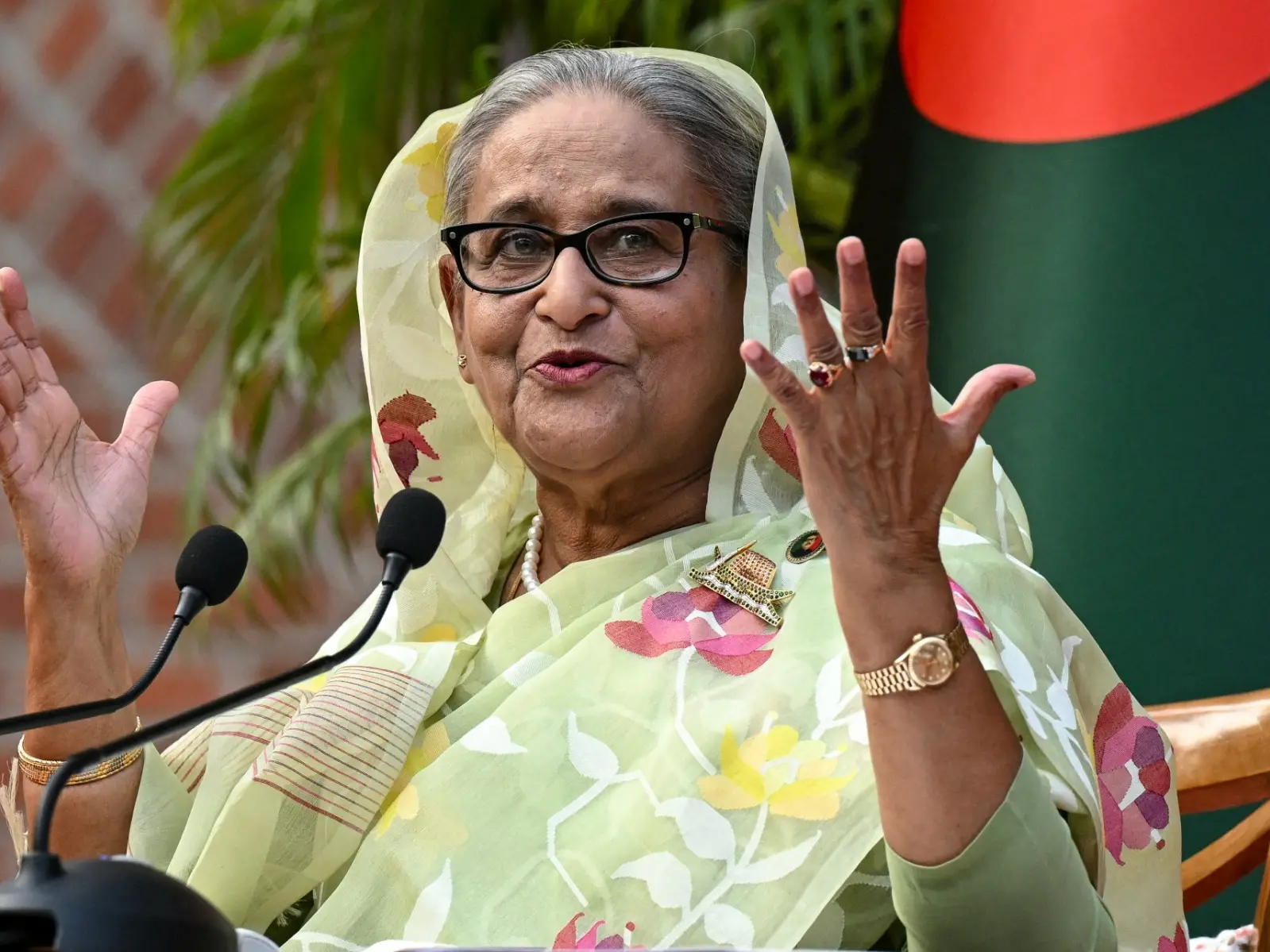
Sheikh Hasina (File) Photograph: (AFP)
After a landslide win, Bangladesh’s BNP said it will seek Sheikh Hasina’s extradition from India, while Hasina rejected the election as illegal, citing low turnout and alleged violence.
After the Bangladesh Nationalist Party (BNP) secured a landslide victory in the national election, the party announced on Friday (Feb 13) that it will formally seek the extradition of ousted prime minister Sheikh Hasina from India. Salahuddin Ahmed, party official, told a press briefing in Dhaka that the BNP would “press for her extradition in accordance with the law."
“It is a matter between the Foreign Ministry of Bangladesh and the Foreign Ministry of India. We will urge the government of India to send her back to face trial," he said.
Hasina's first reaction on election
Hasina called for the “cancellation of this voterless, illegal, and unconstitutional election" on Thursday (Feb 12). In a statement, Hasina thanked voters for “boycotting and rejecting this election without the Awami League". By 2 in the afternoon, voter turnout was recorded at less than 50 per cent, according to the Bangladesh Election Commission (EC) Senior Secretary Akhtar Ahmed.
After the polling ended, Hasina issued the statement and said that the number of voters on the voter list, especially in Dhaka, “has increased abnormally, which is highly questionable and unbelievable".
Trending Stories
&im=FitAndFill=(700,400)&imwidth=280&imheight=210&format=webp&quality=medium)
&imwidth=280&imheight=210&format=webp&quality=medium)
&imwidth=280&imheight=210&format=webp&quality=medium)
&im=FitAndFill=(700,400)&imwidth=280&imheight=210&format=webp&quality=medium)
&imwidth=280&imheight=210&format=webp&quality=medium)
&imwidth=280&imheight=210&format=webp&quality=medium)
&imwidth=280&imheight=210&format=webp&quality=medium)
&imwidth=280&imheight=210&format=webp&quality=medium)
&imwidth=280&imheight=210&format=webp&quality=medium)
&imwidth=280&imheight=210&format=webp&quality=medium)
&imwidth=280&imheight=210&format=webp&quality=medium)
&imwidth=280&imheight=210&format=webp&quality=medium)
&imwidth=280&imheight=210&format=webp&quality=medium)
&imwidth=280&imheight=210&format=webp&quality=medium)
&imwidth=280&imheight=210&format=webp&quality=medium)
&imwidth=280&imheight=210&format=webp&quality=medium)
&imwidth=280&imheight=210&format=webp&quality=medium)
&imwidth=280&imheight=210&format=webp&quality=medium)
&imwidth=280&imheight=210&format=webp&quality=medium)
&imwidth=280&imheight=210&format=webp&quality=medium)
&imwidth=280&imheight=210&format=webp&quality=medium)
&imwidth=280&imheight=210&format=webp&quality=medium)
&imwidth=280&imheight=210&format=webp&quality=medium)
&imwidth=280&imheight=210&format=webp&quality=medium)
&imwidth=280&imheight=210&format=webp&quality=medium)
&imwidth=280&imheight=210&format=webp&quality=medium)
&imwidth=280&imheight=210&format=webp&quality=medium)
&imwidth=280&imheight=210&format=webp&quality=medium)
&imwidth=280&imheight=210&format=webp&quality=medium)
&imwidth=280&imheight=210&format=webp&quality=medium)
&imwidth=280&imheight=210&format=webp&quality=medium)
&imwidth=280&imheight=210&format=webp&quality=medium)
&imwidth=280&imheight=210&format=webp&quality=medium)
&imwidth=280&imheight=210&format=webp&quality=medium)
&imwidth=280&imheight=210&format=webp&quality=medium)
“Today’s so-called election, organised by Yunus, who took power through illegal and unconstitutional means, was essentially a carefully planned farce. Disregarding the people’s voting rights, democratic values, and the spirit of the constitution, a deceptive election was arranged without the Awami League and without voters," she said.
She also said that the elections were marred by violence. “From the evening of February 11, this farce began through the capture of polling centres, gunfire, the widespread use of money to buy votes, stamping ballot papers, and taking agents’ signatures on result sheets. From the morning of February 12, voter turnout in most polling centers across the country was extremely low. Many polling stations in the capital and other parts of the country were completely empty of voters," she further said.

