‘Nobody thought they were going to hit’: Trump on Iran’s strikes on Gulf nations. But experts clearly warned him beforehand

&imwidth=600&imheight=450&format=webp&quality=medium "‘Nobody thought they were going to hit’: Trump on Iran’s strikes on Gulf nations. But experts clearly warned him beforehand")
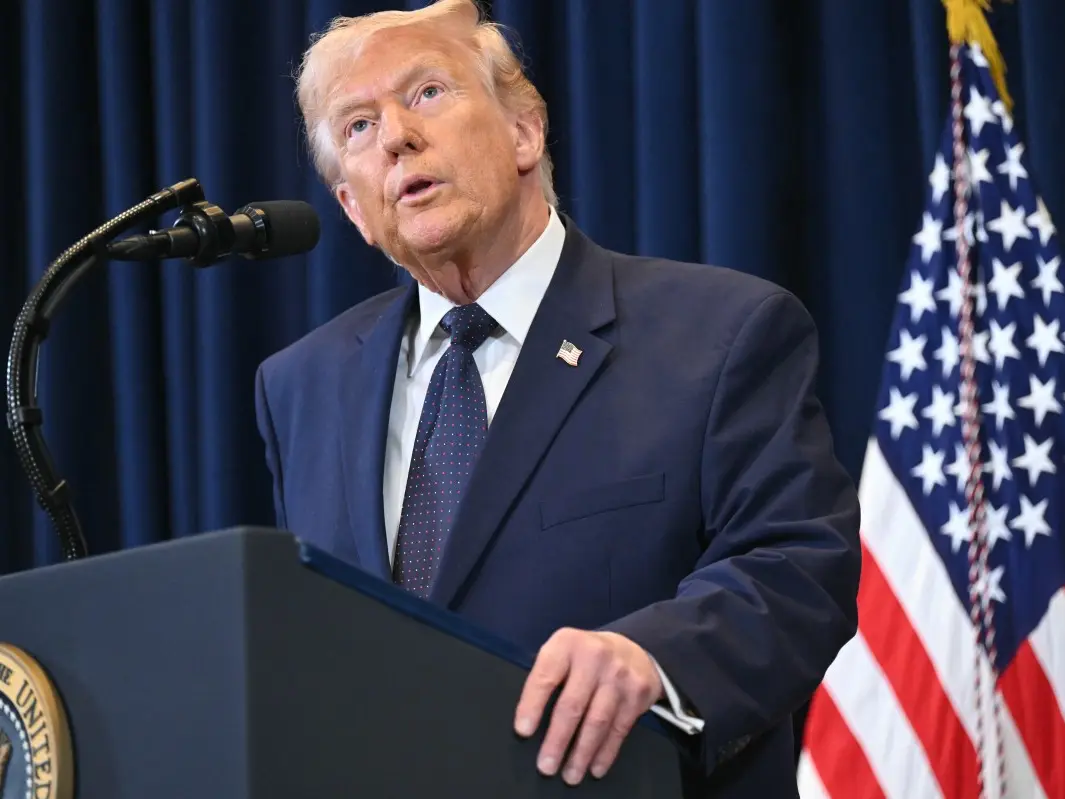
US President Donald Trump in a press briefing (File) Photograph: (AFP)
US President Donald Trump claimed Iran’s Gulf strikes were unforeseen, but intelligence briefings and expert warnings had already flagged escalation risks, exposing a disconnect between available assessments and the administration’s public narrative of surprise.
US President Donald Trump has said that Iran’s retaliatory strikes on Gulf nations hosting US military bases caught Washington by surprise. He said that "nobody" could have predicted the escalation. But this claim stands in direct contrast to intelligence reports and expert warnings delivered to the White House before the operation.
While the American president characterised the moves as a shock, intelligence assessments shared with the administration had already flagged several Gulf states, including Qatar, Saudi Arabia, the UAE, Bahrain, and Kuwait, as high-risk targets. While a regional strike wasn't guaranteed, it was a prominent fixture on the list of potential Iranian responses.
Beyond physical strikes, officials warned Trump that Tehran might attempt to shut down the Strait of Hormuz, a move capable of triggering a global economic crisis by bottlenecking the world’s primary oil artery. The warnings weren't confined to classified briefings. High-profile West Asia analysts and former administration officials had been sounding the alarm for days.
Nate Swanson, a 20-year State Department veteran and former member of Trump’s Iran negotiating team, explicitly predicted an escalation in Foreign Affairs four days before the attacks. Swanson argued that Iranian fragility would lead to aggression rather than surrender.
Swanson noted that Tehran feels backed into a corner, believing that the US and Israel intend to systematically dismantle its ballistic missile program. To avoid a "perpetual assault" that could topple the regime, Iran has shifted to a more aggressive deterrent posture.
Trending Stories
&imwidth=280&imheight=210&format=webp&quality=medium)
&imwidth=280&imheight=210&format=webp&quality=medium)
&imwidth=280&imheight=210&format=webp&quality=medium)
&imwidth=280&imheight=210&format=webp&quality=medium)
&imwidth=280&imheight=210&format=webp&quality=medium)
&imwidth=280&imheight=210&format=webp&quality=medium)
&imwidth=280&imheight=210&format=webp&quality=medium)
&imwidth=280&imheight=210&format=webp&quality=medium)
&imwidth=280&imheight=210&format=webp&quality=medium)
&imwidth=280&imheight=210&format=webp&quality=medium)
&imwidth=280&imheight=210&format=webp&quality=medium)
&imwidth=280&imheight=210&format=webp&quality=medium)
&imwidth=280&imheight=210&format=webp&quality=medium)
&imwidth=280&imheight=210&format=webp&quality=medium)
&imwidth=280&imheight=210&format=webp&quality=medium)
&imwidth=280&imheight=210&format=webp&quality=medium)
&imwidth=280&imheight=210&format=webp&quality=medium)
&imwidth=280&imheight=210&format=webp&quality=medium)
&imwidth=280&imheight=210&format=webp&quality=medium)
&imwidth=280&imheight=210&format=webp&quality=medium)
&imwidth=280&imheight=210&format=webp&quality=medium)
&imwidth=280&imheight=210&format=webp&quality=medium)
&imwidth=280&imheight=210&format=webp&quality=medium)
&imwidth=280&imheight=210&format=webp&quality=medium)
&imwidth=280&imheight=210&format=webp&quality=medium)
&imwidth=280&imheight=210&format=webp&quality=medium)
&im=FitAndFill=(700,400)&imwidth=280&imheight=210&format=webp&quality=medium)
&im=FitAndFill=(700,400)&imwidth=280&imheight=210&format=webp&quality=medium)
&imwidth=280&imheight=210&format=webp&quality=medium)
&imwidth=280&imheight=210&format=webp&quality=medium)
&imwidth=280&imheight=210&format=webp&quality=medium)
&imwidth=280&imheight=210&format=webp&quality=medium)
&imwidth=280&imheight=210&format=webp&quality=medium)
&imwidth=280&imheight=210&format=webp&quality=medium)
Interestingly, reports suggest a "brain drain" of expertise may have impacted the administration's readiness. Ilan Goldenberg of the Centre for a New American Security pointed out that Swanson was among several National Security Council staffers dismissed last year, reportedly following influence from outside activists on personnel decisions.
‘Nobody thought they were going to hit’
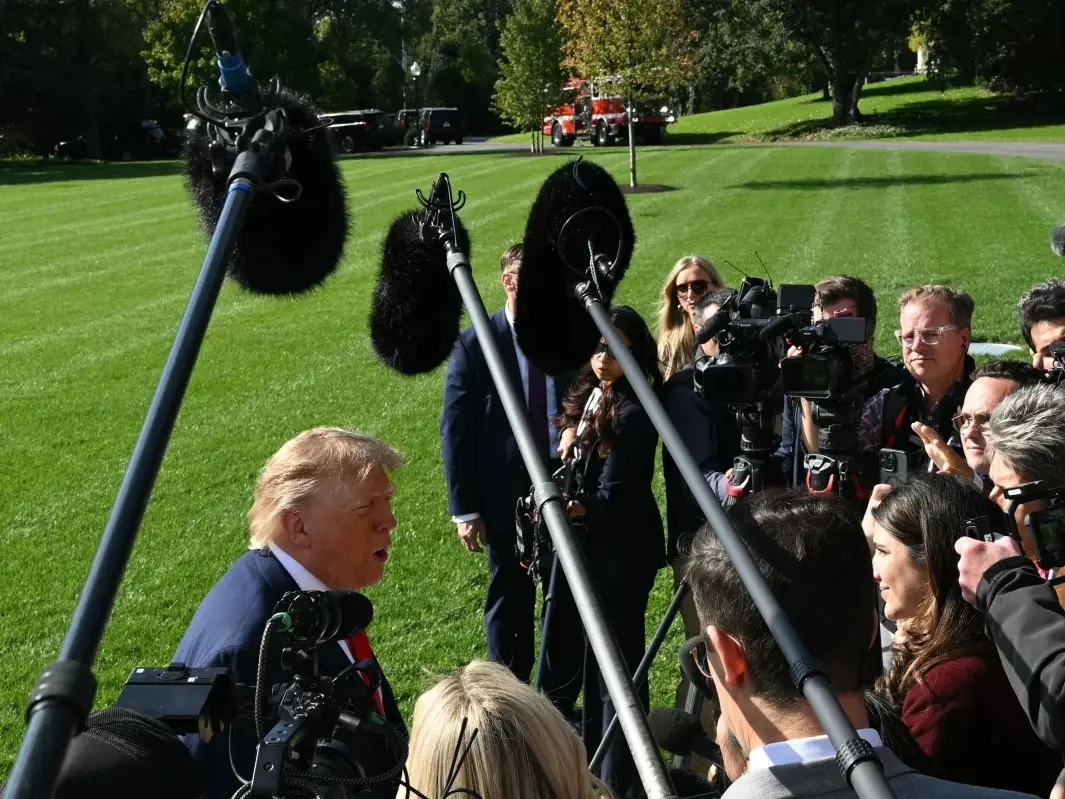
Despite the paper trail of warnings, Trump doubled down on the narrative of a total intelligence blind spot during a press gaggle on Monday (March 16). When pressed on whether he had been briefed on the risks to Gulf allies, the President was dismissive.
"Nobody, nobody, no, no, no. The greatest experts, nobody thought they were going to hit," replied Trump, adding: “They weren’t supposed to go after all these other countries in the Middle East. Nobody expected that. We were shocked."
Trump further justified the surprise by describing the targeted Gulf nations as largely "neutral" in their dealings with Iran, suggesting there was no logical reason for them to be caught in the crossfire.
Disclaimer: WION takes utmost care to accurately and responsibly report ongoing conflicts in West Asia involving Israel, Iran, US, Gulf nations and non-state actors like Hezbollah, Hamas, Houthis, Islamic State, and others. Claims and counterclaims, disinformation and misinformation are being made online and offline. Given this context, WION cannot independently verify the authenticity of all statements, social media posts, photos and videos.

