'Far stronger & more respected': Trump claims US will receive over $600 billion in tariffs, hits out at media

&imwidth=600&imheight=450&format=webp&quality=medium "'Far stronger & more respected': Trump claims US will receive over $600 billion in tariffs, hits out at media")
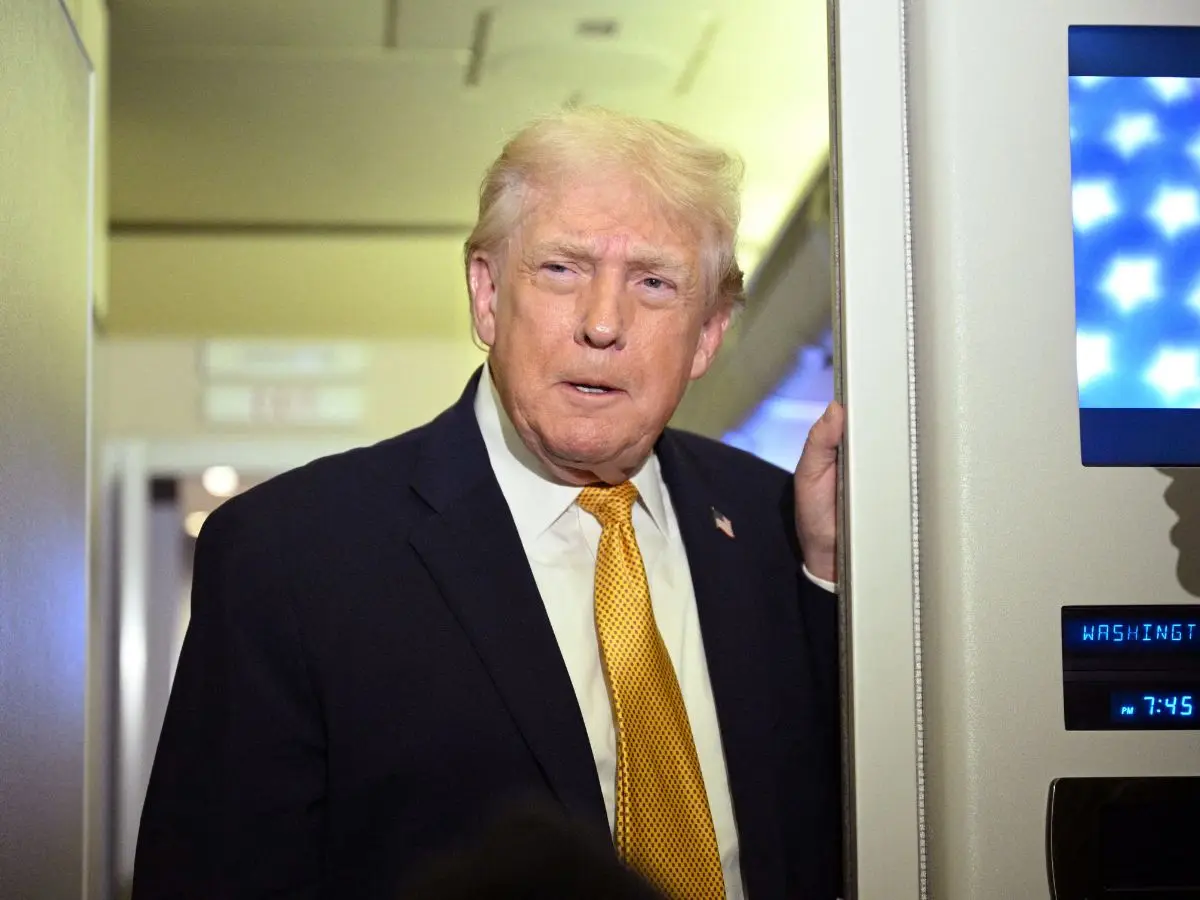
File photo of the US President Donald Trump. Photograph: (AFP)
After Trump came to power in January 2025, he used tariffs as a national security and foreign policy tool, imposing huge tariffs on countries globally on imports of their products. In addition, he has also imposed a 50 per cent tariff on the import of products from India.
President Donald Trump said on Monday that the US has already collected, and is likely to receive over $600 billion from tariffs, claiming the policy has strengthened America's finances and bolstered national security. He also accused the media of playing down the issue ahead of an important Supreme Court decision.
In a post on his social media platform on Truth Social app, Trump said, "We have taken in, and will soon be receiving, more than 600 Billion Dollars in Tariffs, but the Fake News Media refuses to talk about it because they hate and disrespect our Country, and want to interfere with the upcoming Tariff decision, one of the most important ever, of the United States Supreme Court."
He also asserted in the post that framed trade measures are directly connected to the global standing of the nation. "Because of Tariffs, our Country is financially, AND FROM A NATIONAL SECURITY STANDPOINT, FAR STRONGER AND MORE RESPECTED THAN EVER BEFORE," Trump wrote.
After Trump came to power in January 2025, he used tariffs as a national security and foreign policy tool, imposing huge tariffs on countries globally on imports of their products. In addition, he has also imposed a 50 per cent tariff on the import of products from India.
India pushes ahead to diversify exports
India is planning to extend the country's exports away from the US, and it is likely to gather pace in the coming ahead, according to an article in the South China Morning Post. The article shows that New Delhi has maintained a resolute approach to the punitive levies, ever since US President Donald Trump imposed penal import tariffs of 50 per cent on India last year. However, India still kept the door open to negotiations.
Trending Stories
)
)
)
)
)
)
)
)
)
)
)
)
)
)
)
)
)
)
)
)
)
)
)
)
)
)
)
)
)
)
)
)
)
)
&im=FitAndFill=(700,400))
)
)
)
)
The US is the biggest export destination for India, accounting for around 18 per cent of the country’s total goods exports, including apparel and leather items, with a large Indian diaspora driving demand for these products.
However, the article notes that it is uncertain whether New Delhi and Washington can reach a trade agreement, given India’s resistance to opening sensitive sectors like agriculture and dairy to US imports. Experts also doubt that the US will make any major reductions to its tariffs.

