

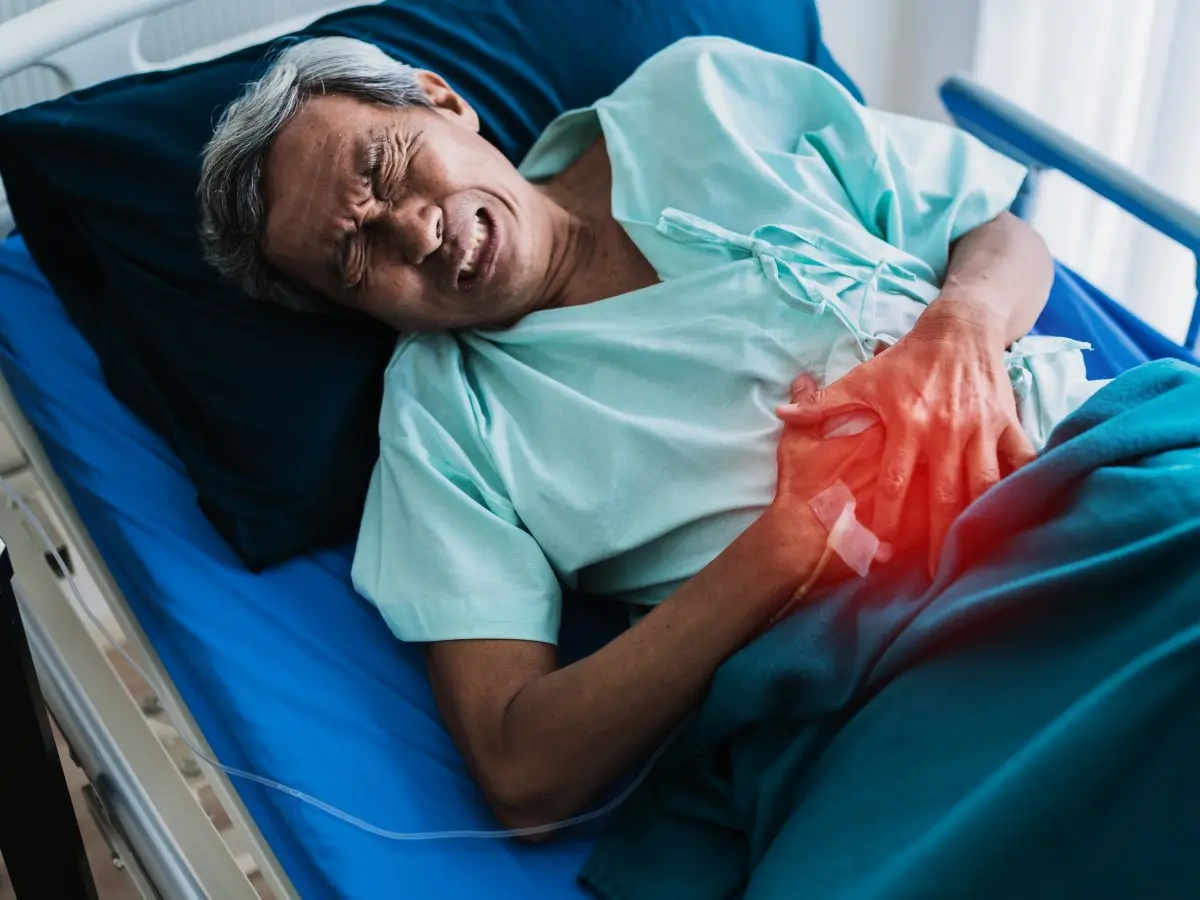
&imwidth=800&imheight=600&format=webp&quality=medium "Why is non-alcoholic fatty liver disease emerging as global public health challenge? Experts explain")
Metabolic dysfunction-associated steatotic liver disease (MASLD), also known as nonalcoholic fatty liver disease (NAFLD), is a condition of the liver that affects people with excess weight, obesity or other metabolic conditions, including type 2 diabetes, high blood pressure or high cholesterol. The disease is getting more common, especially in Middle Eastern and Western nations, as the number of people with obesity increases.
It is considered the most common form of liver disease in the world, ranging from hepatic steatosis, or formerly fatty liver infiltration or simply fatty liver, to a more severe level of disease known as metabolic dysfunction-associated steatohepatitis (MASH), also known as nonalcoholic steatohepatitis (NASH).
MASH causes the liver to swell and enlarge, a condition medically termed hepatomegaly. The disease triggers fat accumulation within the liver, which directly leads to cellular damage. Over time, MASH can progress to severe liver scarring, known as cirrhosis, or potentially develop into liver cancer. Notably, the resulting injury to the liver tissue closely mirrors the damage typically caused by heavy alcohol consumption.
In its early stages, NAFLD is a "silent" disease that rarely causes noticeable symptoms. If any issues do arise, they generally include fatigue, weakness, or mild pain/discomfort in the upper right side of the abdomen. As the disease progresses into NASH/Cirrhosis, more severe symptoms can develop, including yellowing of the skin or eyes (jaundice), swelling in the legs and belly, severe itching, and spider-like blood vessels under the skin.
Experts explain how NAFLD happens
Trending Stories
&im=FitAndFill=(700,400)&imwidth=180&imheight=135&format=webp&quality=medium)
Navratri 2026: 9 days, 9 forms of Goddess Durga and 9 colours- Check the complete list
&imwidth=180&imheight=135&format=webp&quality=medium)
Korean peninsula tensions escalate as North Korea launches multiple ballistic missiles, PACOM says 'no threat to US personnel'
&imwidth=180&imheight=135&format=webp&quality=medium)
Trump weighs firing Kimberly Guilfoyle as US ambassador to Greece amid misconduct allegations: Report
&imwidth=180&imheight=135&format=webp&quality=medium)
Anti-SIR protest in Mumbai: Protestors wear black masks & ribbons in Mumbai
&imwidth=180&imheight=135&format=webp&quality=medium)
UK PM Andy Birnham renews claims of Russian meddling in Brexit vote
&imwidth=180&imheight=135&format=webp&quality=medium)
BCCI rejects venue shift reports, India vs Sri Lanka 1st ODI to remain in Delhi
&imwidth=180&imheight=135&format=webp&quality=medium)
1,500 drones illuminate Mumbai sky as Cordelia Cruises unveils second ship, Cordelia Sky
&imwidth=180&imheight=135&format=webp&quality=medium)
Houthis warns US of 'painful response' if Washington joins Saudi war in Yemen as airlines suspend flights to Saudi Arabia
&imwidth=180&imheight=135&format=webp&quality=medium)
India Rejects Pakistan-China Boundary Commission, Tells Islamabad to Drop 'Theatrics' | GRAVITAS
&imwidth=180&imheight=135&format=webp&quality=medium)
Congress demands action against chief election commissioner
&imwidth=180&imheight=135&format=webp&quality=medium)
Apple HomeView smart home hub may launch soon with A18 chip, display and Siri controls: What to expect
&imwidth=180&imheight=135&format=webp&quality=medium)
'Turn approver, resign, we'll forgive you': Rahul Gandhi claims receiving messages from CEC Gyanesh Kumar
&imwidth=180&imheight=135&format=webp&quality=medium)
'I will not be silenced': Ilhan Omar alleges political intimidation after federal officers search her Washington home
&imwidth=180&imheight=135&format=webp&quality=medium)
Use AI as your ‘second brain’: Meta AI chief Alexandr Wang’s message to young people
&imwidth=180&imheight=135&format=webp&quality=medium)
Robotic surgery, advanced treatment: What is coming to this small Gujarat town?
&imwidth=180&imheight=135&format=webp&quality=medium)
US federal agents raid Dem Rep Ilhan Omar’s home ahead of midterms
&imwidth=180&imheight=135&format=webp&quality=medium)
Pakistan's government blames PTI for rise of terrorism in Khyber Pakhtunkhwa
&imwidth=180&imheight=135&format=webp&quality=medium)
‘This is just the start’: Maaya Rajeshwaran on historic ITF title, confidence boost and future goals
&im=FitAndFill=(700,400)&imwidth=180&imheight=135&format=webp&quality=medium)
How does a robot decide what to do next?
&imwidth=180&imheight=135&format=webp&quality=medium)
Trump says he 'may' meet North Korean leader Kim Jong Un during upcoming Asia trip
&imwidth=180&imheight=135&format=webp&quality=medium)
'Ouch!!! That must hurt': Kangana Ranaut hails Kamal Haasan's sharp reply to Elon Musk over Starlink row
&imwidth=180&imheight=135&format=webp&quality=medium)
Sidhu Moose Wala’s younger brother wins hearts by recreating late singer’s signature move at Toronto Hologram Show
&imwidth=180&imheight=135&format=webp&quality=medium)
UK school ditches technology, shifts from screen to pen and paper for learning
&imwidth=180&imheight=135&format=webp&quality=medium)
Opposition’s 10 demands in Supreme Court petition range from stay on SIR to audit of voter rolls
&imwidth=180&imheight=135&format=webp&quality=medium)
'I am thoroughly unamused': Judge slams Trump administration after 400 trees cut at Washington golf course
&imwidth=180&imheight=135&format=webp&quality=medium)
Portugal Federation confirms Cristiano Ronaldo’s return to national team despite suspension
&im=FitAndFill=(700,400)&imwidth=180&imheight=135&format=webp&quality=medium)
New OTT releases this week (October 12-18, 2026): Sacrifice, Koffee with Karan S9, Roadies Rebirth- 6 titles coming on Netflix, JioHotstar and more
&imwidth=180&imheight=135&format=webp&quality=medium)
Rishabh Pant ruled out of India A squad for New Zealand tour, Kumar Kushagra named replacement
&imwidth=180&imheight=135&format=webp&quality=medium)
India's Ajit Doval, Iran's Mohsen Rezaei hold talks amid escalating West Asia tensions, discuss 'issues of mutual interest'
&imwidth=180&imheight=135&format=webp&quality=medium)
'Almost certainly': UK Prime Minister Andy Burnham says Iran's IRGC behind RAF Fairford threat
&imwidth=180&imheight=135&format=webp&quality=medium)
Elon Musk pumps $276 million into Republican campaigns ahead of US midterm elections
In response, experts highlighted that the condition is heavily impacting global healthcare, with "as much as 15-20 per cent of liver transplants happening due to NAFLD-related liver failures." They also explain that NAFLD happens when excess fat infiltrates liver cells (hepatocytes), disrupting their normal activity, which causes inflammation and cell damage.
Dr Ankur Garg, Liver Transplant & GI Surgeon, Paras Health Hospital, Gurgaon, said, " To understand non-alcoholic fatty liver disease (NAFLD), we need to have one basic understanding that NAFLD is just like excess fat deposition in liver cells (hepatocytes), similarly as it happens in obesity, where excess fat deposits under the skin and around internal organs. When this excess fat infiltrates hepatocytes, it hampers their normal functioning; not only this, it also leads to inflammation and cell damage due to fatty acid oxidation. Not that being overweight or obese is a criterion to have NAFLD, even normal weight people can have NAFLD, it depends on our lifestyle, choices of foods and very important but not common age-appropriate physical activity. Now, the answer to the above question of why incidence is increasing lies in our life patterns, with increasing urbanisation and more use of packaged food, along with a lack of physical activity is major cause of this, and NAFLD is a silent rising epidemic leading to more and more liver diseases. Today, as much as 15-20% of liver transplants are happening due to NAFLD-related liver failures."
Similarly, Lakshmi Kale, Head Nutritionist at Nutrition In Sync, highlighted the surge in fatty liver diseases over the past few decades. She noted that this disease develops quietly in the body, forcing people to maintain early awareness and take all the more important.
"Fatty liver disease now affects nearly one in three adults worldwide, and the numbers have continued to rise over the past few decades. While that's concerning, it isn't a reason to fear your body. More often than not, fatty liver is the result of everyday modern habits: ultra-processed foods, excess added sugars, poor sleep, chronic stress, and too little movement. It's the liver quietly reflecting the way many of us live today. What makes fatty liver a growing global challenge is that it develops silently. Most people don't experience obvious symptoms until the condition has progressed, making early awareness and prevention all the more important," she said.
She also emphasises that the condition is highly manageable if caught early. The liver possesses a unique and remarkable ability among major internal organs to regenerate and repair itself when given the right support.
"The hopeful part? The liver is extraordinary. Among our major internal organs, it's unique in its remarkable ability to regenerate and repair itself when given the right support. Nourish it with real, whole foods, balanced nutrition, regular movement, restorative sleep, and sustainable lifestyle habits, and in many cases - especially in the early stages - it can reverse fat accumulation and heal. There are no miracle pills or quick fixes. Just small, consistent choices that allow your body to do what it was designed to do. Your body isn't working against you. It's constantly trying to protect and heal you. Give it the right environment, and it will often respond in truly remarkable ways," she added.

