
&imwidth=800&imheight=600&format=webp&quality=medium "Who were the founding fathers of the US? Monuments, cities and places named after them")
A group of predominantly wealthy plantation owners, including businessmen and united 13 disparate colonies, have fought for independence from Britain. Later, they penned a series of influential governing documents, leading the US to this day, as without them, there would be no United States of America.
According to the History, it is noted that there is no official agreement on who should be considered a Founding Father. However, historians applied these tags to those leaders who initiated the Revolutionary War and framed the Constitution. Based on this, there are 8 most influential characters in the origin story of America:
- George Washington: Once a British commander in the French, he became the leader of the Continental Army during the American Revolution. Despite frequent defeats, he united his troops, secured victory with French help, and expelled the British in 1783. In 1789, he became the first U.S. president, hailed as the “Father of His Country.”
- Alexander Hamilton: He served as the first US treasury secretary, a position he used to advocate for the creation of a national bank. He also wrote the majority of the highly persuasive Federalist Papers, which argued for the ratification of the Constitution.
- Benjamin Franklin: Benjamin Franklin was a skilled author, printer, scientist, inventor and diplomat, who was appointed to the five-member committee that drafted the Declaration of Independence. He also travelled to France and secured French assistance for the war effort, helping to negotiate the 1783 Treaty of Paris.
- John Adams: He was a distinguished Massachusetts lawyer who became a relatively early proponent of the revolutionary cause. Similar to Benjamin Franklin, he also served on the committee that wrote the Declaration of Independence. In addition, Adams travelled overseas to secure French military aid and helped negotiate the Treaty of Paris.
- Samuel Adams: A political firebrand who led massive protests against British policies in Boston, a bastion of resistance.
- Thomas Jefferson: A lawyer who famously declared that “all men are created equal” and “that they are endowed by their Creator with certain unalienable rights," while writing the Declaration of Independence.
- James Madison: He proved to be the most influential delegate, who developed a plan to divide the federal government into three branches—legislative, executive and judicial—each with checks and balances on its power at the 1787 Constitutional Convention.
- John Jay: A lawyer who originally preferred reconciling with Britain rather than fighting for independence.

Many other figures include John Hancock, known for his flashy signature on the Declaration of Independence; Gouverneur Morris, for writing the Constitution; Thomas Paine, the British-born author of Common Sense; Paul Revere, a Boston silversmith whose “midnight ride” warned of approaching redcoats; and George Mason, who helped in crafting the Constitution but ultimately refused to sign it.
Charles Carroll, the lone Catholic, signed the Declaration of Independence; Patrick Henry famously declared, “Give me liberty, or give me death!”; John Marshall, a Revolutionary War veteran and longtime chief justice of the Supreme Court; and Abigail Adams, implored her husband, John, to “remember the ladies” while shaping the new country.
List of Monuments, Cities and Places Named After the Founding Fathers of the USA
Trending Stories
)
Trump says Russia has ‘lost control’ of its diesel industry, calls for end to ‘ridiculous, never-ending’ war
)
Asian Games: Indian women's hockey team thrash Indonesia 17-1, blasts 36 goals in 2 matches
)
Putin's United Russia party wins 355 seats in Duma election; 4 other parties cross threshold to enter parliament
)
Delhi Air pollution: Strict crackdown on waste burning
)
'I never imagined…': Bihar-born Japan cricketer Abhishek Anand on historic India clash
)
‘0% chance’: Nvidia CEO Jensen Huang dismisses AI extinction fears by 2030
)
Samay Raina-Mukesh Chhabra controversy explained: What happened over girlfriend joke on India's Got Latent?
)
Four decades after leaving Kolkata, the Birlas may be coming back for more
)
BTS' fans question iHeartRadio’s treatment of group after brief festival set
)
Glitch in the matrix caught on camera: Woman vanishes after talking to reporter
)
Samsung raises Galaxy S26 prices by Rs 20,000: Here’s what each model now costs
)
IIT Bombay tensions ease after three-hour open house; director’s assurances pacify students
)
J&K Assembly Session begins amid chaos: BJP, ruling alliance clash as statehood demand dominates
)
8,000 bees worth over $20,000 stolen from hives in Queensland
)
Four Hands, Two Sonatas ep (5-8) review: Song Kang Lee, Jun Young elevate the emotional stakes after a tragic turn
)
The Verdict | The Mecca Agreement is under scrutiny as Houthis attack Saudis
)
Who was Sheikh Ahmed bin Rashid Al Maktoum? From Dubai Royal family to police, sports and racing
)
Saudi Arabia exits China-led mBridge digital currency platform amid Saudi-Houthi conflict
)
Maharashtra TET paper leak: Chargesheet reveals papers smuggled in shoe insoles for Rs 8,000
)
'Lot of things to learn from experienced players': Jayasuriya backs Rohit, Virat for 2027 ODI World Cup
)
Taylor Swift has a 'proud wife' moment as Travis Kelce scores first touchdown of season: 'That’s my husband!'
)
North Korea's nuclear tests triggered 1,399 earthquakes: Earth is still shaking | Gravitas
)
Mahabharat actor Saurav Gurjar arrested in Hyderabad, sent to 14-day judicial custody in sexual exploitation case
&im=FitAndFill=(700,400))
New OTT releases this week (September 21-27, 2026): Shaque: Trust No One, Hunkkaar, Don’t Be Shy- 5 new titles coming to Netflix, Prime Video and more
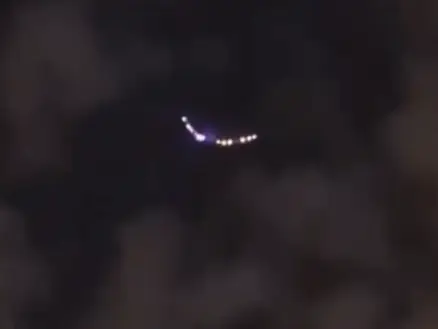)
WATCH | Mysterious lights over Tehran caught on video. Drone, aircraft or something else?
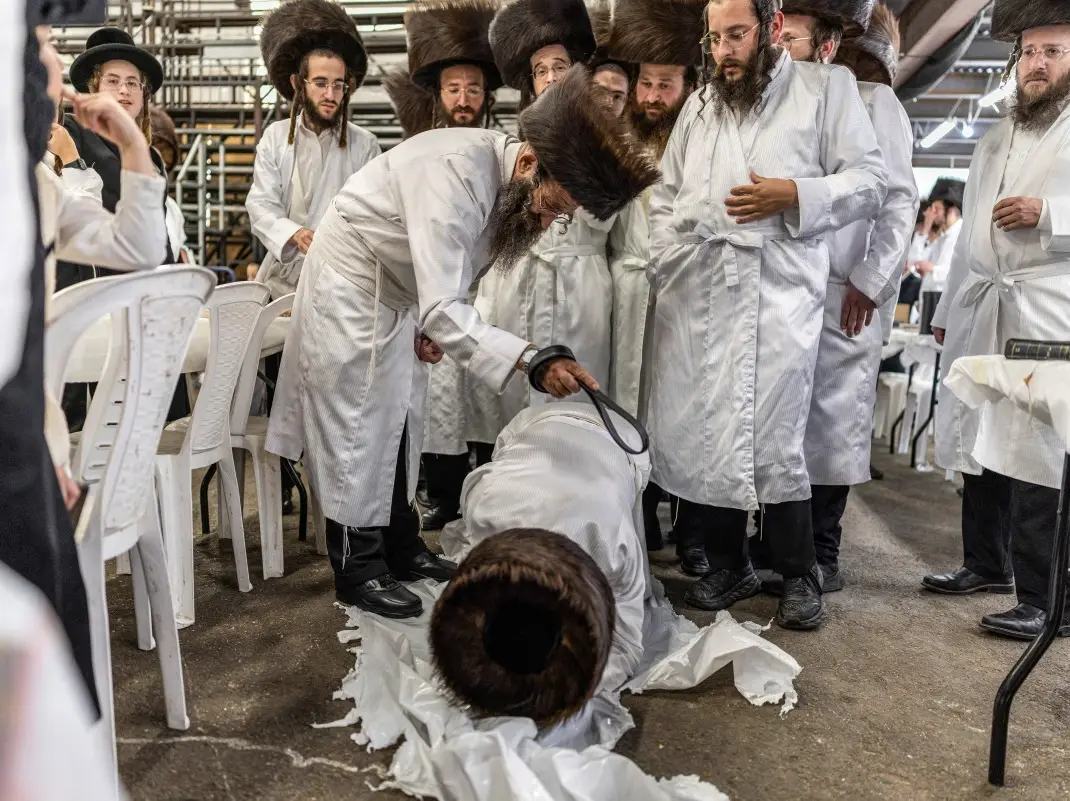)
What is Yom Kippur and why is it celebrated? All you need to know about the Jewish Day of Atonement
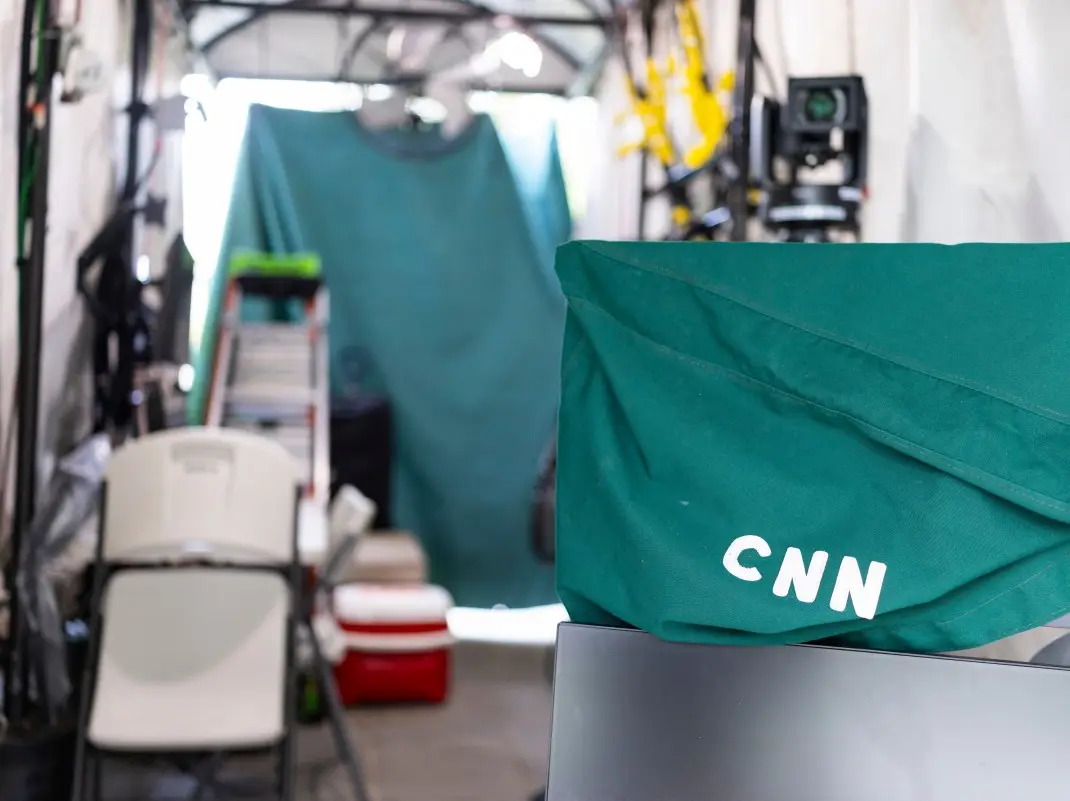)
White House TV pool halts Trump coverage after CNN barred from UNGA events
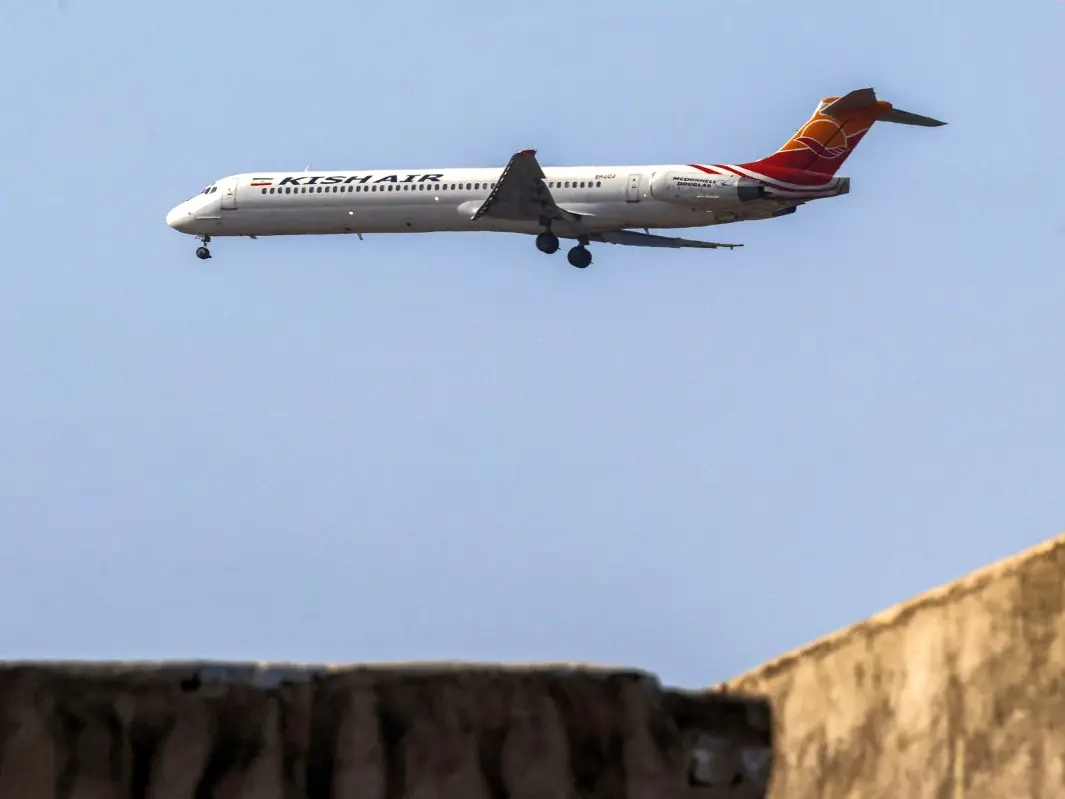)
Iranian airlines to shut worldwide on Sept 23, Bessent warns of US banking ban
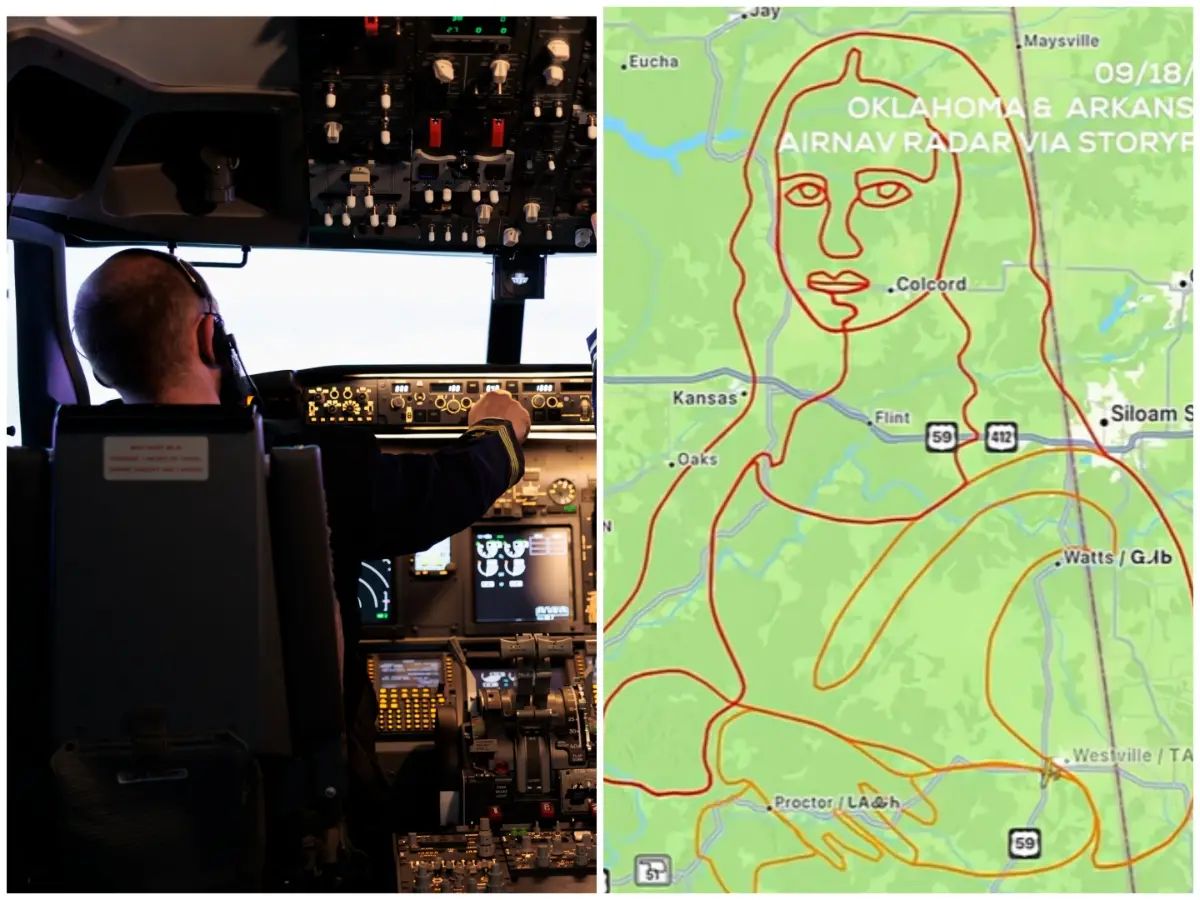)
Pilot recreates Mona Lisa in sky over Oklahoma and Arkansas in four-hour flight: VIDEO
)
Fitna Al-Khawarij: Decoding biggest security threat to Pakistan | Gravitas
)
Jailer 2: Vidya Balan joins Rajinikanth's upcoming film as Kantha | Watch
)
Microsoft executive called AI training the ‘largest theft of labour in human history’
)
40-foot waves crash into cruise ship in dangerous stretch near Antarctica. Watch
)
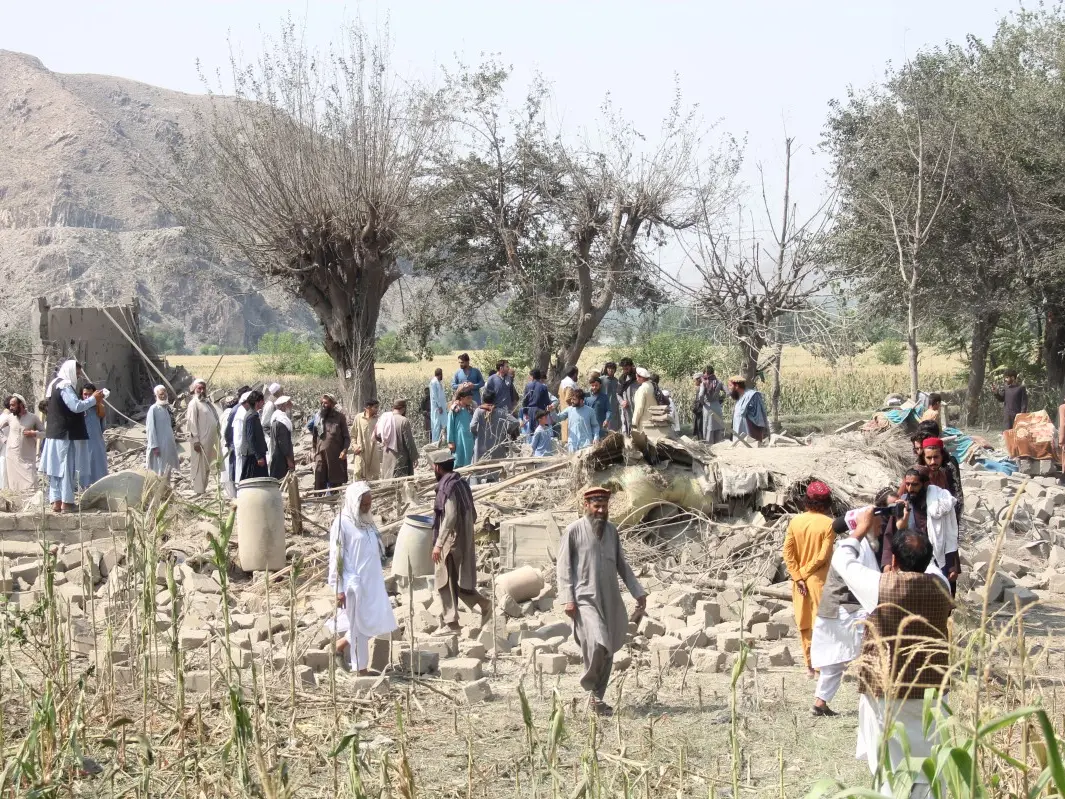
Mystery explosions rock Aleppo, residents told to stay indoors
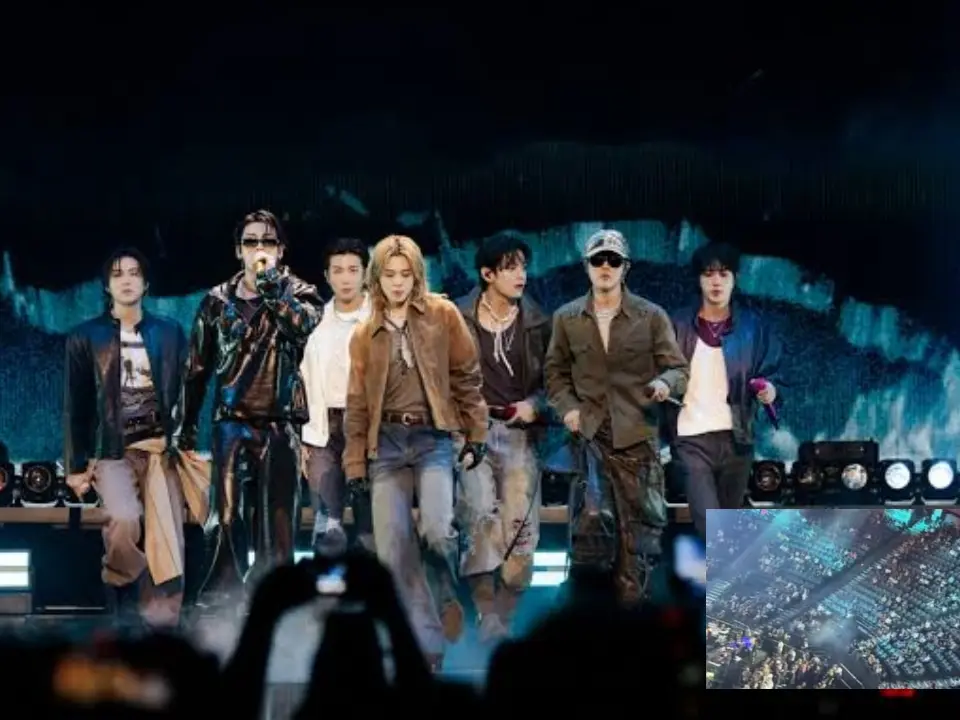)
BTS fans mock iHeartRadio’s day 2 turnout after short set controversy
)
The Scandal, why so scandalous? Ji Chang Wook leaves you gasping for air
Monuments & Memorials
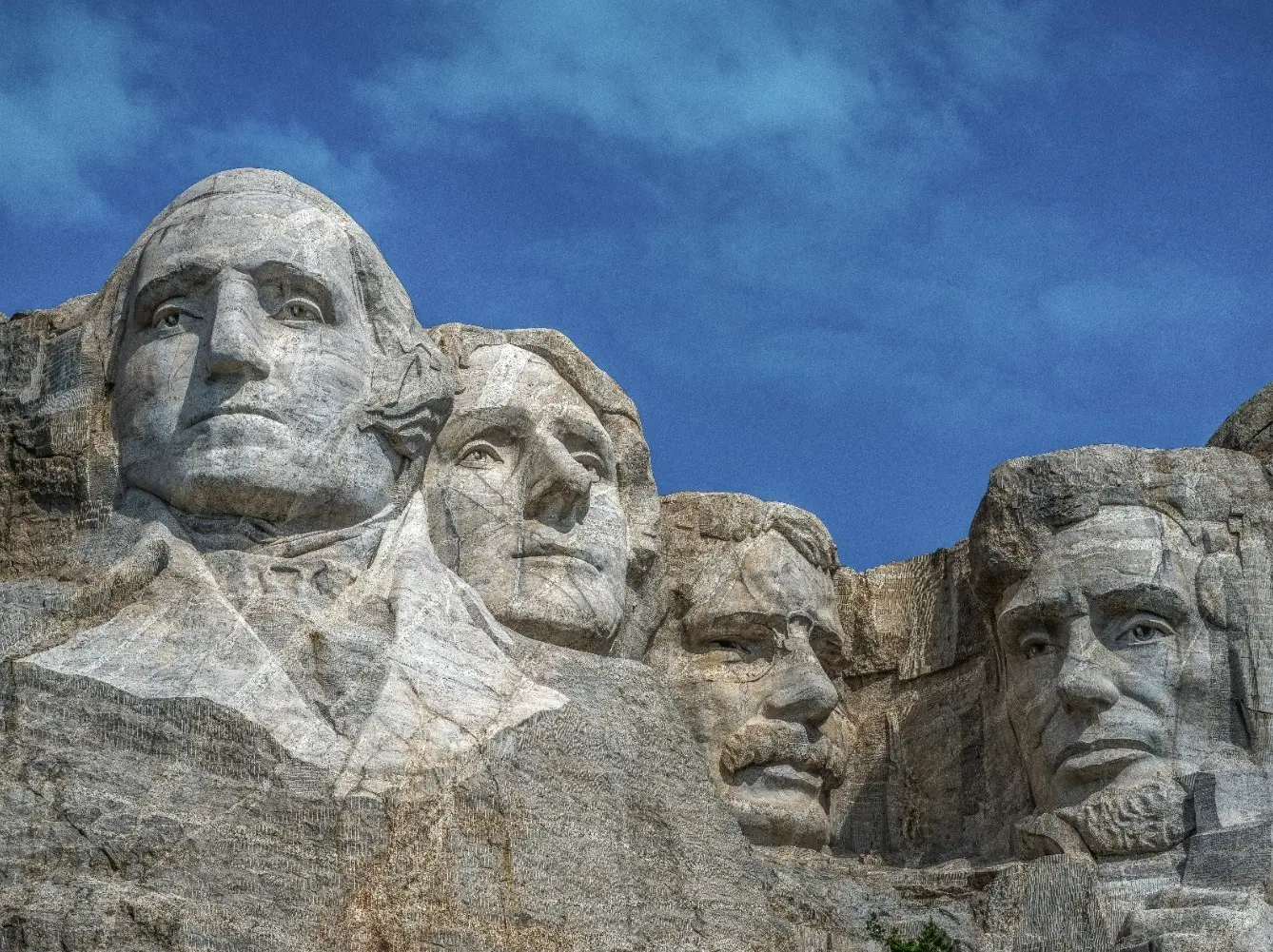
Mount Rushmore National Memorial: Carved into the Black Hills of South Dakota, this iconic memorial features monumental likenesses of George Washington and Thomas Jefferson, two of the Founding Fathers, alongside later presidents.
Signers Monument (Augusta, Georgia): A granite obelisk honouring Georgia’s Declaration of Independence signers, Button Gwinnett, Lyman Hall, and George Walton, counted among the Founding Fathers of the USA.
Major Capital City
Washington, D.C: Named for George Washington, the first President, selected and authorised in the early 1790s.
Jefferson City, Missouri: Named in 1821 after Thomas Jefferson, whose Louisiana Purchase included the Missouri territory.
Madison, Wisconsin: It is named after James Madison, the fourth President and “Father of the Constitution,” when it became the territory’s capital in the 1830s.
Jackson, Mississippi: It was named in 1821 for Andrew Jackson, lauded as a military hero and later President. Though not a Founding Father, the city holds presidential significance.
Other Cities
Jefferson, Maine: Incorporated in 1807 and named after then-President Thomas Jefferson.
Madison, Maine: Incorporated in 1804, named for James Madison.
Washington, Maine: Formerly Putnam, renamed in 1825 to honour George Washington.
List of Counties
George Washington: Approximately 30 counties (and one parish) are named in his honour across the U.S.
Thomas Jefferson: Around 22 counties (plus one parish) bear his name.

