Volcano that erupted with strength of a million atomic bombs discovered in England

&imwidth=600&imheight=450&format=webp&quality=medium "Volcano that erupted with strength of a million atomic bombs discovered in England")
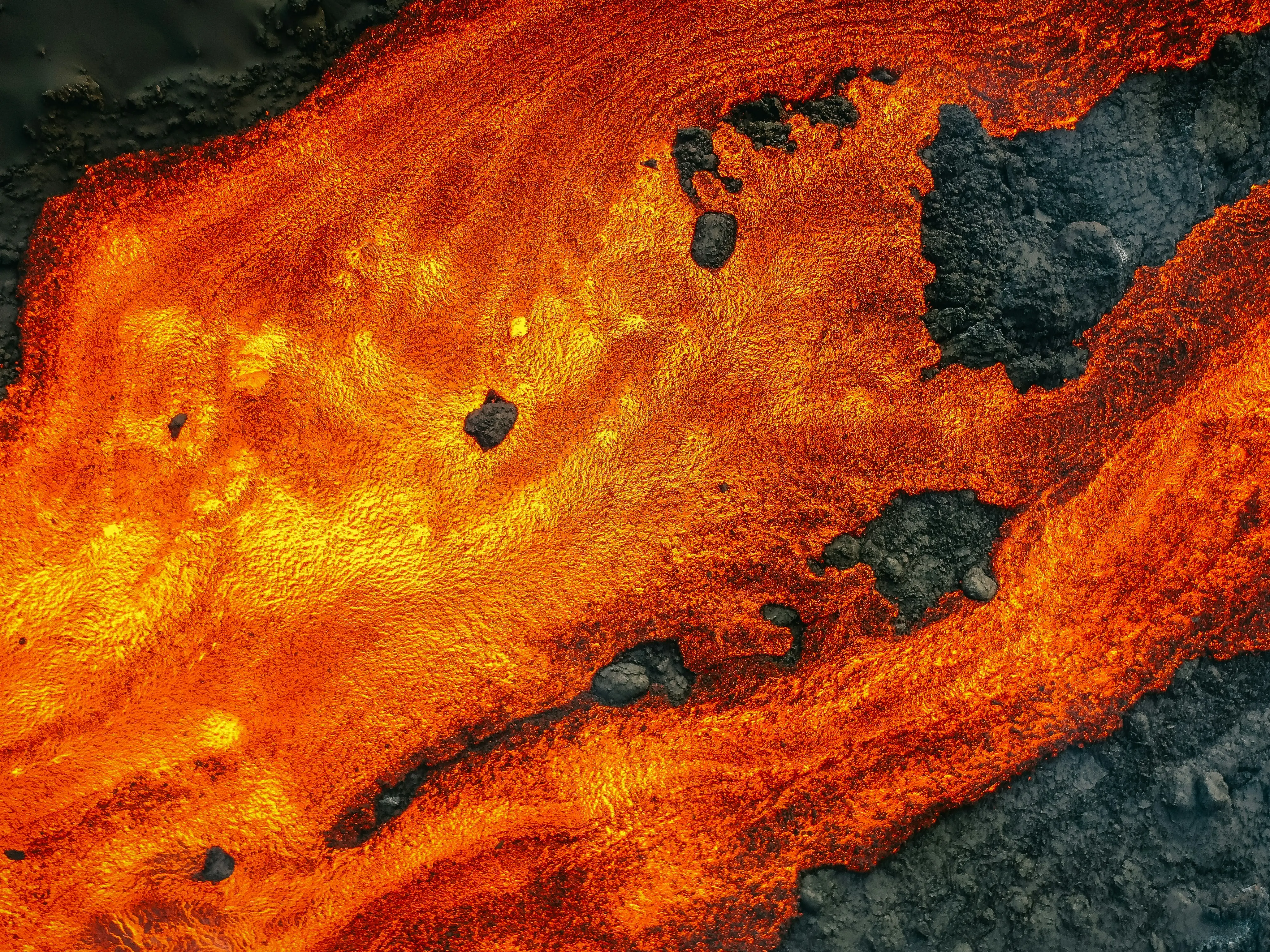
Ancient volcano spread over 64 kilometres discovered buried under England. Photograph: (Unsplash)
England is home to a massive volcano that erupted 454 million years ago. The eruption was so massive that the ash spread not only in England but also in Belarus, Poland, and Scandinavia. This explosion was equivalent to a million atomic bombs. Can it erupt again?
A volcano that erupted with the power of one million atomic bombs around 454 million years ago has been discovered deep under England. Scientists say this supervolcano is buried under the east coast of England, with the centre right beneath The Wash. The volcano spans an area of 64 kilometres and is responsible for a layer of volcanic ash found in many countries. This ash layer is present in Poland, Belarus, and also Sweden and Norway. Can it erupt again?
The discovery was made following a fresh analysis of rock samples gathered 80 years ago from North Creake in Norfolk and Claxby in Lincolnshire. The researchers said that the finding changes human understanding of "England's deep geological past". Prof Jenni Barclay, a volcanologist at the University of Bristol, said, "This work is an important step forward in piecing together the geological history of the UK."
The team took the old specimen during COVID and tried using new technology to study it since they could not get their hands on new samples because of the lockdowns. These included crystals as wide as a human hair that formed in molten magma before the eruption. During their analysis, scientists found that the samples taken from Norfolk and Lincolnshire had come from the same volcano and formed at the same time.
This eruption was also extremely powerful, and the proof was found in Norway. These samples were exactly the same as the ones collected from Norway and Sweden and analysed by researchers at the University of Oslo. This showed that the material from this volcano spread across a large area, including the present-day Scandinavian countries.
Trending Stories
&im=FitAndFill=(700,400)&imwidth=280&imheight=210&format=webp&quality=medium)
&imwidth=280&imheight=210&format=webp&quality=medium)
&imwidth=280&imheight=210&format=webp&quality=medium)
&imwidth=280&imheight=210&format=webp&quality=medium)
&imwidth=280&imheight=210&format=webp&quality=medium)
&imwidth=280&imheight=210&format=webp&quality=medium)
&imwidth=280&imheight=210&format=webp&quality=medium)
&imwidth=280&imheight=210&format=webp&quality=medium)
&imwidth=280&imheight=210&format=webp&quality=medium)
&imwidth=280&imheight=210&format=webp&quality=medium)
&imwidth=280&imheight=210&format=webp&quality=medium)
&imwidth=280&imheight=210&format=webp&quality=medium)
&imwidth=280&imheight=210&format=webp&quality=medium)
&imwidth=280&imheight=210&format=webp&quality=medium)
&imwidth=280&imheight=210&format=webp&quality=medium)
&imwidth=280&imheight=210&format=webp&quality=medium)
&imwidth=280&imheight=210&format=webp&quality=medium)
&imwidth=280&imheight=210&format=webp&quality=medium)
&imwidth=280&imheight=210&format=webp&quality=medium)
&imwidth=280&imheight=210&format=webp&quality=medium)
&imwidth=280&imheight=210&format=webp&quality=medium)
&imwidth=280&imheight=210&format=webp&quality=medium)
&imwidth=280&imheight=210&format=webp&quality=medium)
&imwidth=280&imheight=210&format=webp&quality=medium)
&im=FitAndFill=(700,400)&imwidth=280&imheight=210&format=webp&quality=medium)
&imwidth=280&imheight=210&format=webp&quality=medium)
&imwidth=280&imheight=210&format=webp&quality=medium)
&imwidth=280&imheight=210&format=webp&quality=medium)
&imwidth=280&imheight=210&format=webp&quality=medium)
&imwidth=280&imheight=210&format=webp&quality=medium)
&imwidth=280&imheight=210&format=webp&quality=medium)
&imwidth=280&imheight=210&format=webp&quality=medium)
&imwidth=280&imheight=210&format=webp&quality=medium)
&imwidth=280&imheight=210&format=webp&quality=medium)
&imwidth=280&imheight=210&format=webp&quality=medium)
Can this super volcano erupt again?
The finding causes obvious concerns among the common man. What if it erupts again? Allaying all such fears, scientists have assured that this volcano has gone extinct and will never erupt again. Dr Tim Pharaoh of the British Geological Survey (BGS), said, "Unlike faults, which can be seismically reactivated, a volcano can't." He added, "Once it's gone extinct, that's it. Nobody needs to worry about the supervolcano erupting again."

