The genetic roots of Tamils: 75,000 DNA markers decoded in latest study of Sangam-era settlement

&imwidth=600&imheight=450&format=webp&quality=medium "The genetic roots of Tamils: 75,000 DNA markers decoded in latest study of Sangam-era settlement")
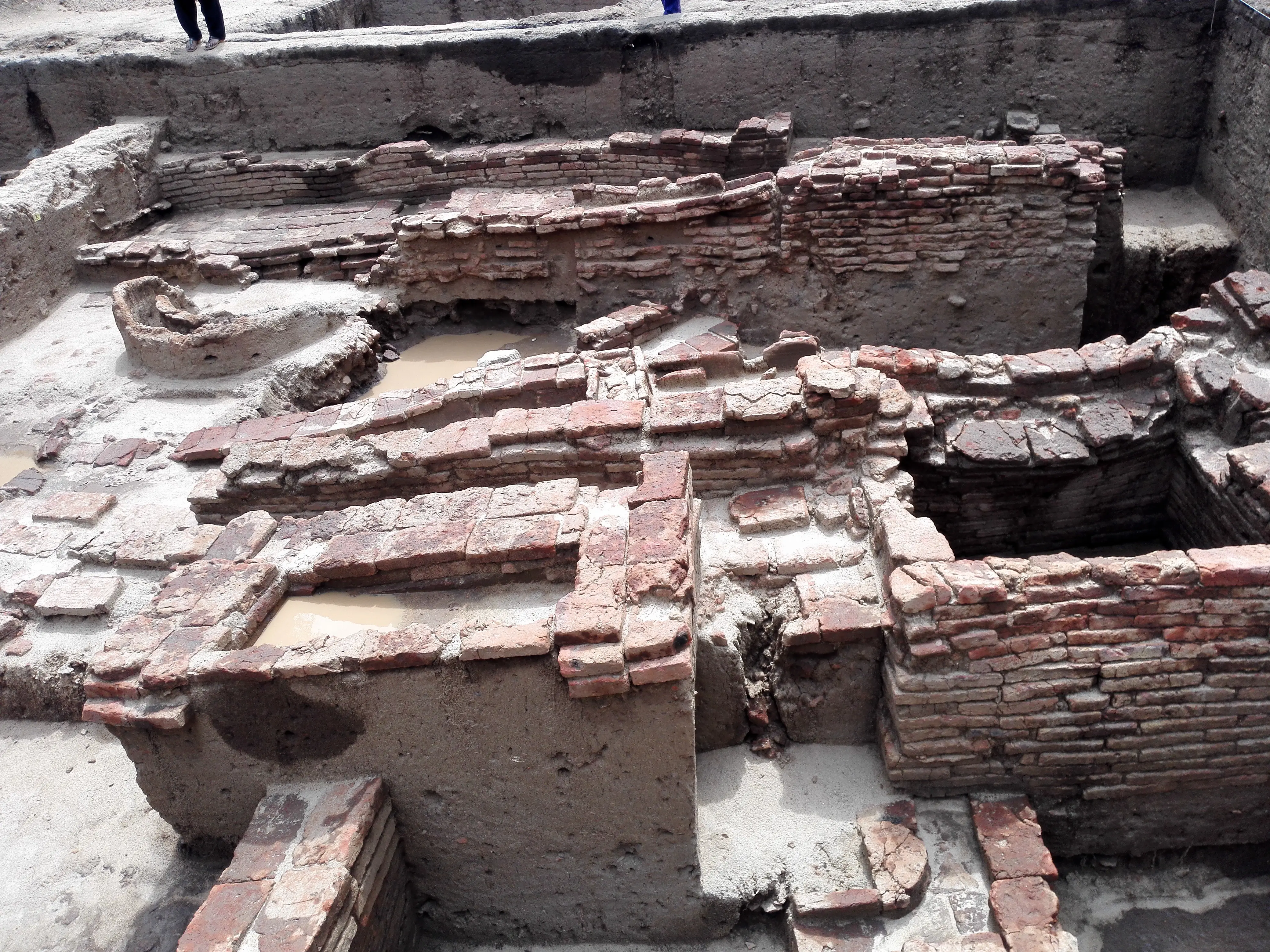
Keeladi, the Sangam era settlement site Photograph: (Others)
New DNA research decoding 75,000 genetic markers from Keeladi, Konthagai, Adichanallur and Sivagalai has revealed links between ancient Tamils and South Asian populations, alongside insights into Sangam-era life. What was life like those days?
Fresh genetic evidence has linked ancient Tamil settlements with present-day South Indian, Sri Lankan Tamil and broader South Asian populations, in one of the most significant breakthroughs in the study of Sangam-era ancestry. Researchers at the Ancient DNA Lab in the Department of Genetics at Madurai Kamaraj University successfully extracted and analysed more than 75,000 genetic markers from human remains recovered from Konthagai, the burial site associated with Keeladi, along with samples from Adichanallur and Sivagalai. The lab was established in November 2022 to support Tamil Nadu's archaeological excavations. The latest findings are expected to be published in peer-reviewed international journals by December 2026, according to reports in Deccan Herald and other media outlets.
Besides the 75,000 markers from Konthagai, about 9,000 and 6,000 markers were extracted from DNA samples at Adichanallur and Sivagalai, showing genetic proximity with South Indians, Sri Lankans and South Asians, said Prof G Kumaresan, Head of the Department of Genetics at MKU.
From processing 4,000-5,000 markers in 2025, the researchers have made a major leap this year to around 75,000 markers.
The results have consistently aligned with ancestry patterns in the 1000 Genomes Project, one of the world's largest catalogues of human genetic variation.
Kumaresan said the team plans additional rounds of analysis before releasing the complete dataset and publishing the findings.
Trending Stories
)
&im=FitAndFill=(700,400))
)
)
&im=FitAndFill=(700,400))
)
)
)
)
)
)
)
)
)
)
)
)
)
)
)
)
)
)
)
)
)
)
)
)
)
)
)
)
)
The department is preparing nine research papers covering ancient Tamil ancestry, agriculture, cuisine, textile production and other aspects of Sangam-era civilisation.
Keeladi, a major site for tracing Sangam-era Tamil ancestry
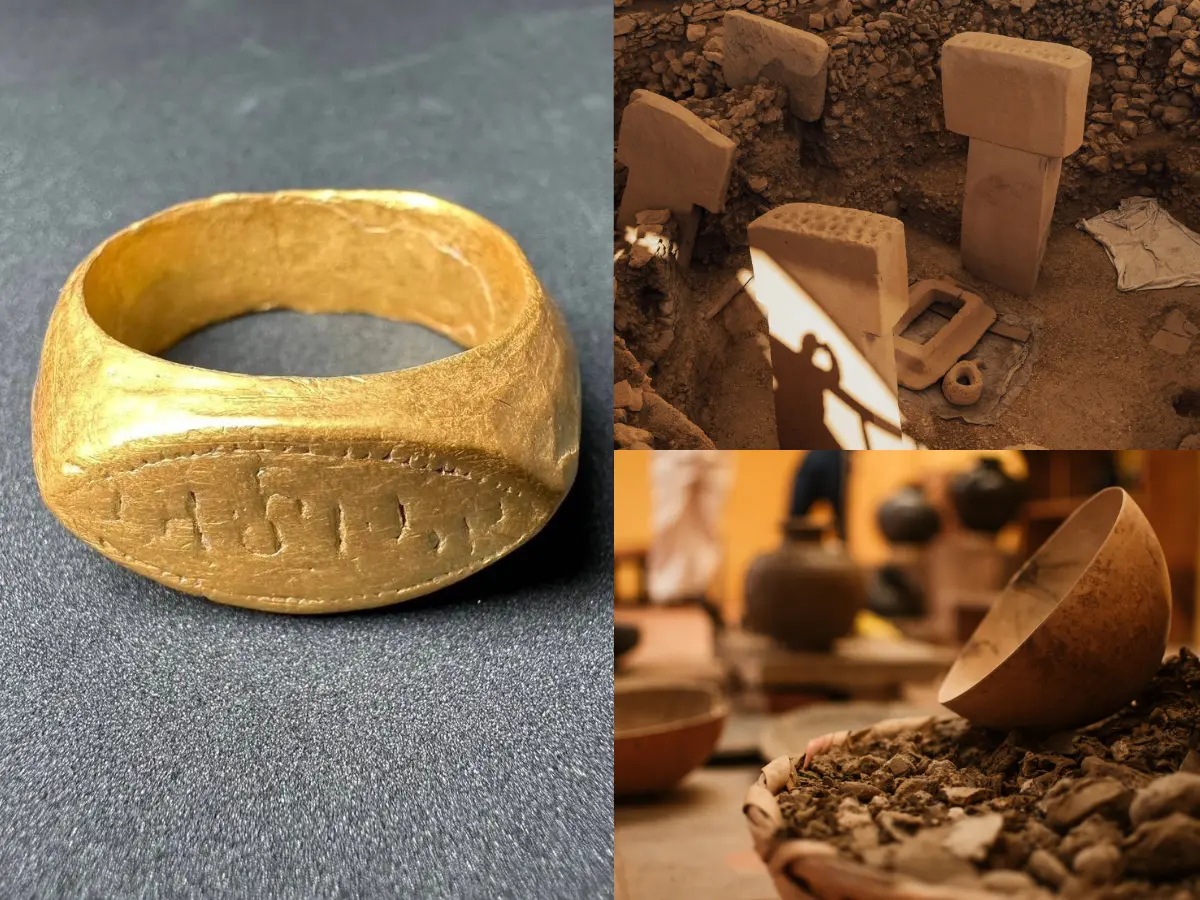
The new study adds to a growing body of evidence from Keeladi, a Sangam-era urban settlement discovered in 2014 by archaeologist K Amarnath Ramakrishna of the Archaeological Survey of India (ASI). Keeladi has been carbon-dated to around 2,600 years ago. Iron artefacts recovered from nearby Sivagalai have been dated to 3345 BCE, making them among the world's earliest known examples of smelted iron.
Excavations at Keeladi have uncovered brick structures, drainage systems, industrial activity and Tamil-Brahmi inscriptions, suggesting the existence of an organised urban settlement in southern India during the Sangam period.
Separately, researchers from Liverpool John Moores University reconstructed the facial features of individuals buried at Konthagai around 2,500 years ago, providing a visual complement to the ongoing genetic studies and offering a glimpse into the appearance of people who lived in the ancient settlement.
Keeladi life: Meat consumption, rice cultivation
The Madurai Kamaraj University team has also analysed proteins and biochemical residues to reconstruct the everyday life of the settlement's inhabitants. Cholesterol detected in ancient pottery suggests that meat formed part of their diet. The studies also indicate that ancient Tamils cultivated multiple varieties of rice and ‘thinai’ or foxtail millet.
Organic molecules recovered from archaeological samples point to meals featuring rice with ghee, beans, spinach, milk, cucumber, groundnut and coconut. These findings are corroborated by references in Sangam-era literary works, including Kurunthokai, Purananuru, Agananuru and Porunararruppadai.
Kumaresan said Sangam literature had been a massive help in drawing conclusions from the archaeological and scientific evidence, as its references supported many of the findings from the excavations and laboratory analyses.