Peru conehead mummies: Another DNA analysis bites the dust as scientists fail to rule out 'extraterrestrial' origins

&imwidth=600&imheight=450&format=webp&quality=medium "Peru conehead mummies: Another DNA analysis bites the dust as scientists fail to rule out 'extraterrestrial' origins")
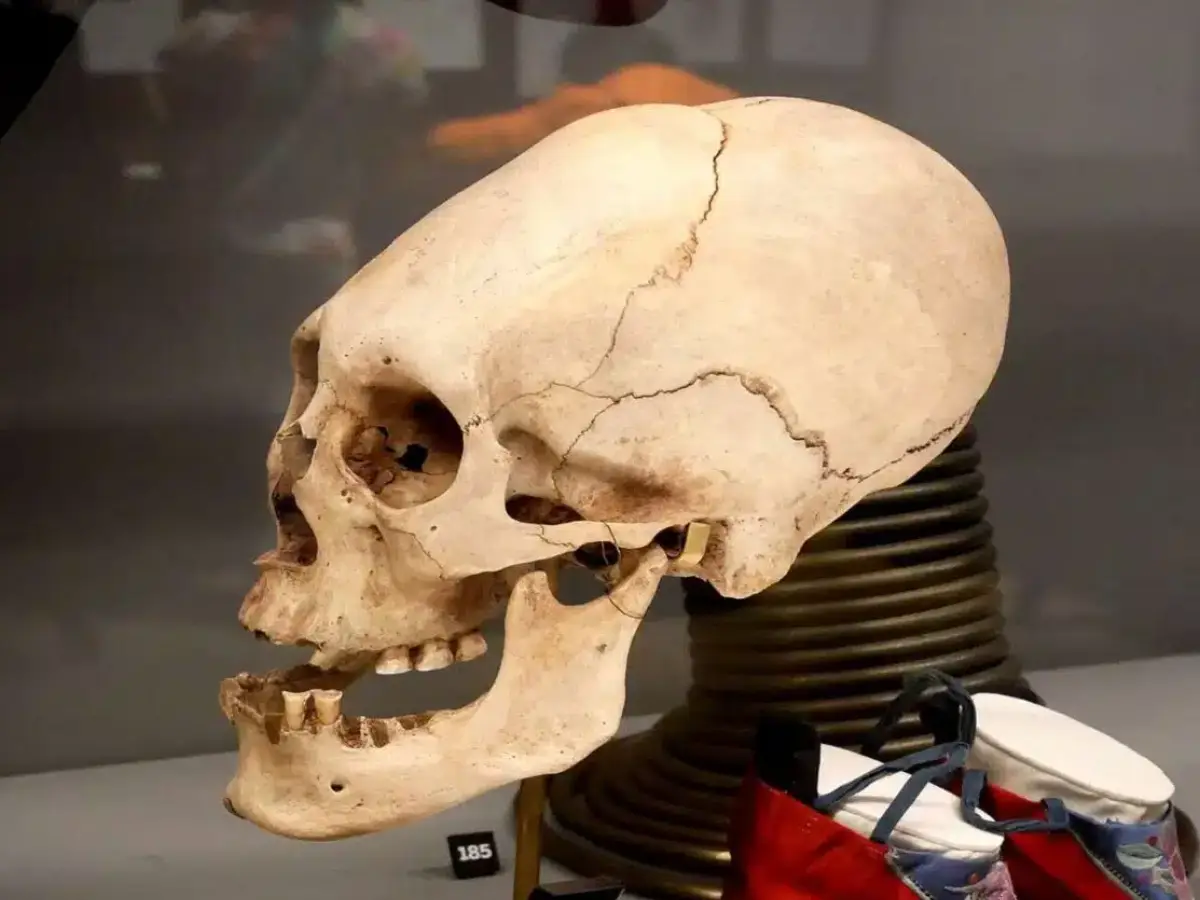
Peru conehead mummies Photograph: (Wikimedia Commons)
Mummies with conical heads discovered in Peru 100 years ago still do not have a genetic match. Scientists have failed to deduce their origins after yet another DNA analysis. The mystery over the years has led to speculation that they are not human.
Scientists from Liberty University in Virginia have failed to pinpoint the origin of the "conehead" mummies after carrying out a DNA analysis. The mummies were discovered in the 1920s in Peru and have since been the subject of speculation because of the strange shape of their heads. Since many similar analyses have failed to prove exactly who they were, the belief that they are of extraterrestrial origin with non-human DNA has continued to float around. The mummies have continued to garner scientific interest in the bid to understand who the Peruvian mummies were. Researcher Abigail McDowell says, some believe that the "conehead mummies were proof of extraterrestrial visitors, claiming the mummies were descendants from non-humanoid species or actual aliens themselves."
Also Read: Mummies of children from at least 1,000 years ago unearthed near residential area in Peru
Were the Peruvian mummies an alien civilisation living on Earth?
One of the theories previously proposed stated that a civilisation practised cranial binding, a cultural practice in which intense pressure is put on the heads of those who held high places in society. This group of humans lived more than 2,000 years ago, between 800 BC and 100 BC. Since every other DNA analysis failed to find their true origins, the Virginia researchers used a different approach and took samples from the teeth of the Paracas skulls. But even that did not work. They said that despite sampling multiple Paracas Conehead teeth, there was still not enough genetic material to definitively rule out the possibility that the skulls belong to an alien civilisation.
DNA analysis of mummy tooth
DNA collection was also done in two ways, both of which failed to provide the necessary amount of material. The researchers used a gentle method where they removed small bits of powder from inside the tooth root. In the second method, they ground the entire tooth in a coffee grinder. The gentle method produced 2.3 units of DNA, while the harsher method yielded 14.1 units, or about 2,100 to 2,400 cells. For a proper analysis, scientists needed at least 20 units of DNA, and so another experiment in the quest to uncover the origins of the mummies bit the dust.
Trending Stories
&im=FitAndFill=(700,400)&imwidth=280&imheight=210&format=webp&quality=medium)
&imwidth=280&imheight=210&format=webp&quality=medium)
&imwidth=280&imheight=210&format=webp&quality=medium)
&imwidth=280&imheight=210&format=webp&quality=medium)
&imwidth=280&imheight=210&format=webp&quality=medium)
&imwidth=280&imheight=210&format=webp&quality=medium)
&imwidth=280&imheight=210&format=webp&quality=medium)
&imwidth=280&imheight=210&format=webp&quality=medium)
&imwidth=280&imheight=210&format=webp&quality=medium)
&imwidth=280&imheight=210&format=webp&quality=medium)
&imwidth=280&imheight=210&format=webp&quality=medium)
&imwidth=280&imheight=210&format=webp&quality=medium)

&imwidth=280&imheight=210&format=webp&quality=medium)
&imwidth=280&imheight=210&format=webp&quality=medium)
&imwidth=280&imheight=210&format=webp&quality=medium)
&imwidth=280&imheight=210&format=webp&quality=medium)
&im=FitAndFill=(700,400)&imwidth=280&imheight=210&format=webp&quality=medium)
&im=FitAndFill=(700,400)&imwidth=280&imheight=210&format=webp&quality=medium)
&imwidth=280&imheight=210&format=webp&quality=medium)
&im=FitAndFill=(700,400)&imwidth=280&imheight=210&format=webp&quality=medium)
&imwidth=280&imheight=210&format=webp&quality=medium)
&imwidth=280&imheight=210&format=webp&quality=medium)
&imwidth=280&imheight=210&format=webp&quality=medium)
&imwidth=280&imheight=210&format=webp&quality=medium)
&imwidth=280&imheight=210&format=webp&quality=medium)
&imwidth=280&imheight=210&format=webp&quality=medium)
&imwidth=280&imheight=210&format=webp&quality=medium)
&im=FitAndFill=(700,400)&imwidth=280&imheight=210&format=webp&quality=medium)
&imwidth=280&imheight=210&format=webp&quality=medium)
&imwidth=280&imheight=210&format=webp&quality=medium)
&imwidth=280&imheight=210&format=webp&quality=medium)
&im=FitAndFill=(700,400)&imwidth=280&imheight=210&format=webp&quality=medium)
&imwidth=280&imheight=210&format=webp&quality=medium)

&imwidth=280&imheight=210&format=webp&quality=medium)
&im=FitAndFill=(700,400)&imwidth=280&imheight=210&format=webp&quality=medium)
They will now try a new grinding method called demineralisation to get more and better quality DNA. It will be compared to the DNA taken from the mummies' hair to trace their genetic origin.

