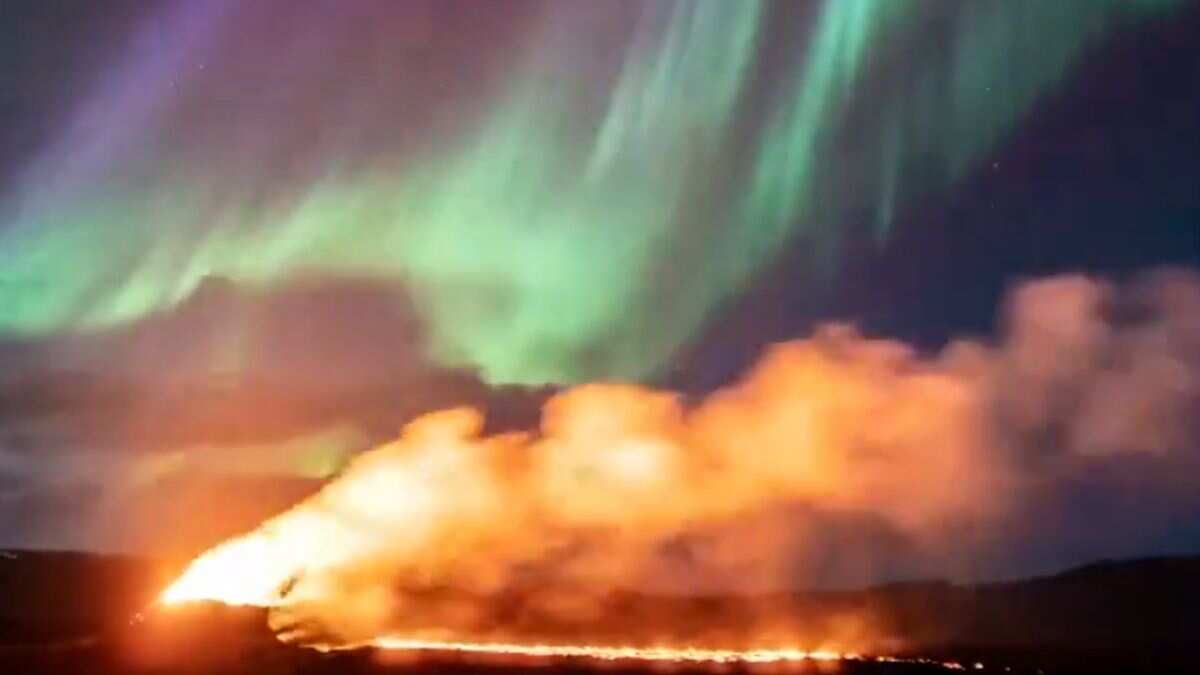
Nature’s grand theatre: Volcanic eruption and northern lights create stunning visuals in Iceland. Watch!

Indonesia volcano display
The quote "Mother Nature is the greatest artist" was proven and how in Iceland's southwest coast where spectators were awed by the most spectacular display of colours as burning orange lava spewed from earth as the sky was painted with the ethereal northern lights.
Volcanic eruption
The volcano responsible for this magnificent display was Sundhnukagigar, which, as per the Washington Post report, has erupted four times since December.

Watch the spectacular display here:
Its eruptions have caused multiple evacuations and have also razed several houses in the nearby Grindavik, a fishing town. The eruptions also breached some access routes but largely missed critical infrastructure.
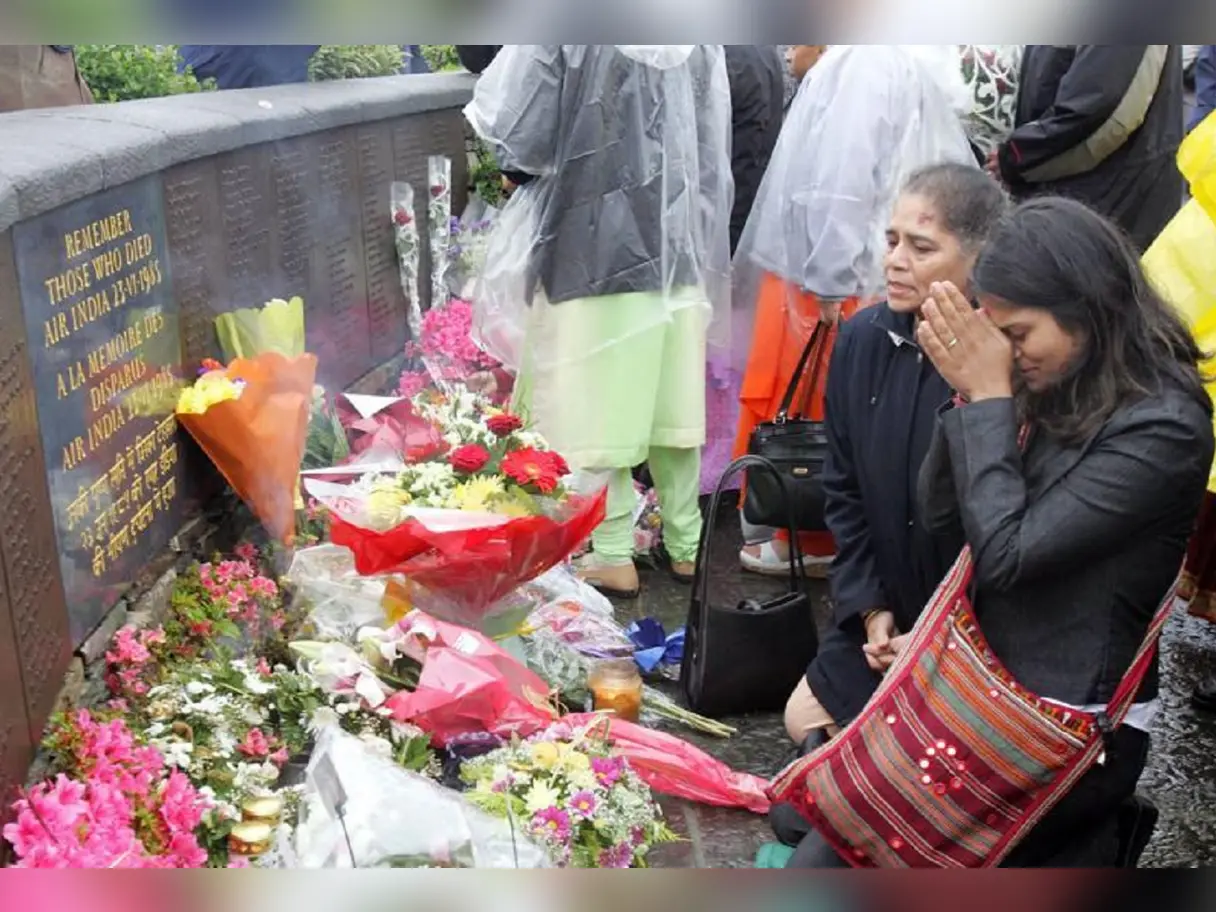)
Justice eludes Air India 1985 bombing victims as Canada probe goes 'inactive' | Gravitas
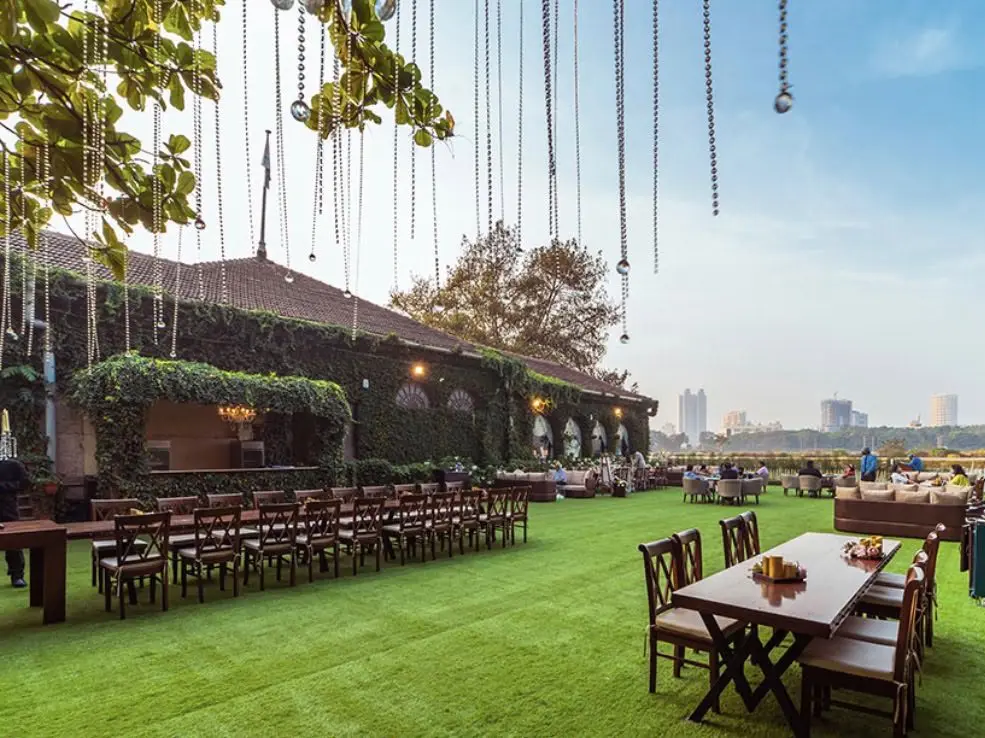)
Mumbai: Gallops restaurant at Mahalaxmi Racecourse licence suspended over food safety violations
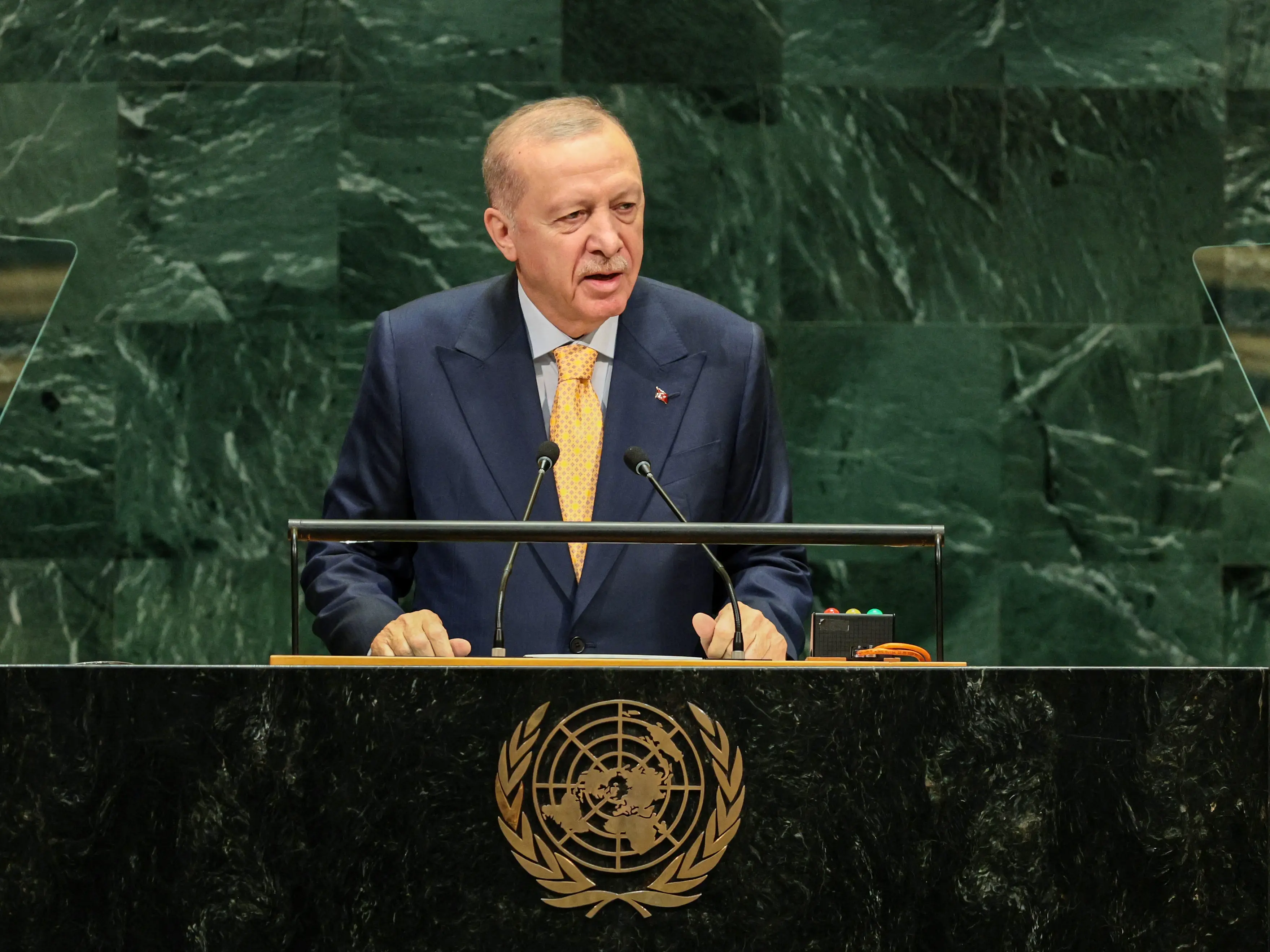)
Erdogan again raises Kashmir issue at UNGA, calls for dialogue under UN Charter
)
'Our team opened the gate of gold medals': Harmanpreet Kaur on India’s Asian Games final win
)
'Needs time away from the international scene': England white-ball captain Brook on pacer Brydon Carse's future
)
Four decades after leaving Kolkata, the Birlas may be coming back for more
)
The Verdict | Moral policing isn’t culture or discipline, it’s crime
)
New Zealand farms shift to carbon forests: Carbon credits fuel a land rush reshaping rural life
)
Cyclone Arnab: Landfall expected before midnight tomorrow as IMD issues orange alerts across six states
)
Glitch in the matrix caught on camera: Woman vanishes after talking to reporter
)
Rani Mukerji's mother Krishna Mukerji passes away; Karan Johar, Jaideep Ahlawat visit actress
)
Asian Games 2026: India women's cricket team beats Sri Lanka by 147 runs for first gold
)
ICC plans T20I expansion and fewer ODIs in 2027–2031 FTP cycle: Report
)
Key accused in Bihar's Jamui molestation case, arrested after police shoot him in leg
)
'Mumma’s boy from Gwalior who dared to dream': Kartik Aaryan pens long note after first National Award win
)
Gravitas | Boosting NHS productivity could save 20,600 lives in UK annually: Report
)
US and China vie for AI dominance as calls grow for regulation | Gravitas
)
Yemen clashes kill 154 people in two days as cornered Saudi battles Houthi offensive | Gravitas
72nd National Film Awards: Kartik Aaryan receives Best Actor honour for Chandu Champion in Gujarat
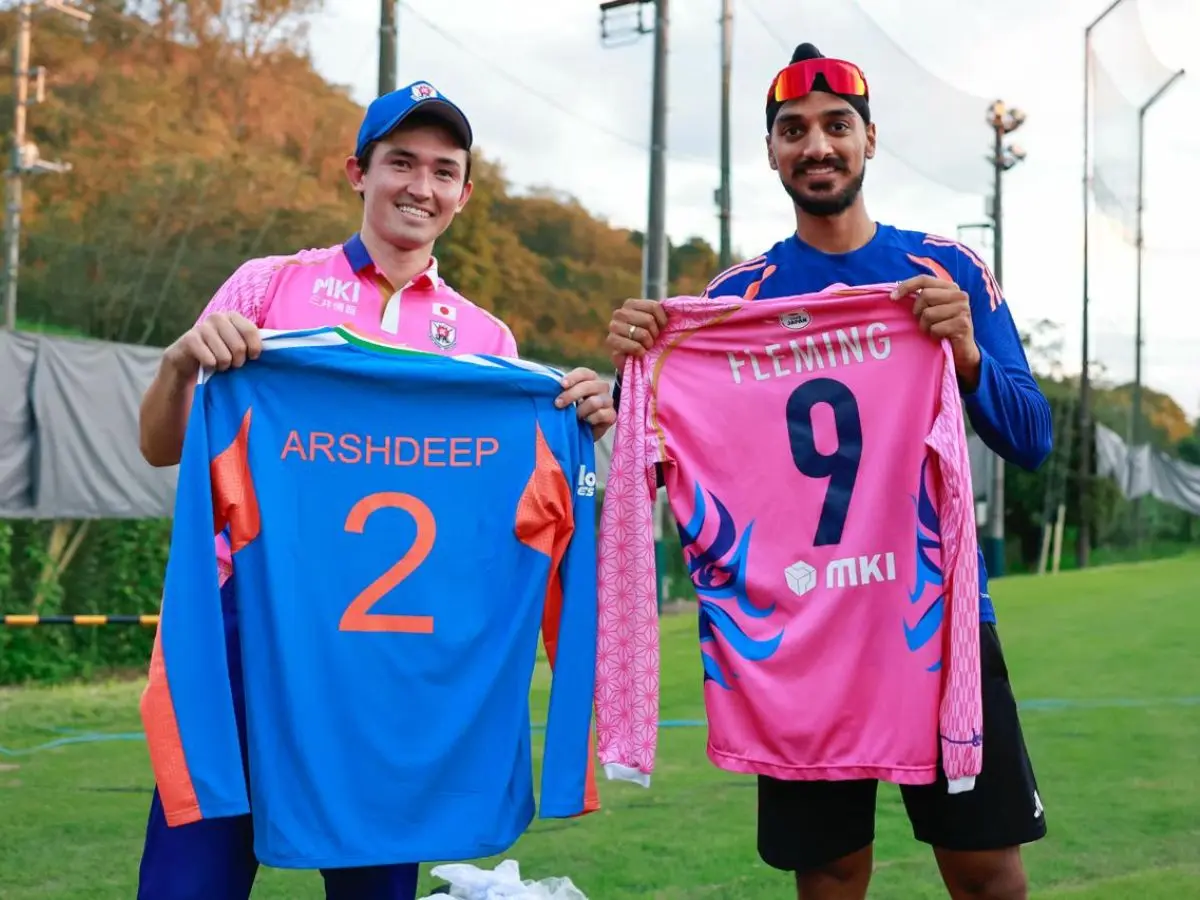)
IND vs JPN, one-off T20I: Japan captain Kendel on pushing India to the brink - ‘It was special’
)
Raaka creates history! Allu Arjun’s film secures Guinness World Record ahead of release
)
Saudi Arabia exits China-led mBridge digital currency platform amid Saudi-Houthi conflict
)
WION Iconic Tourism Summit and Awards 2026: Key voices to discuss India’s tourism future
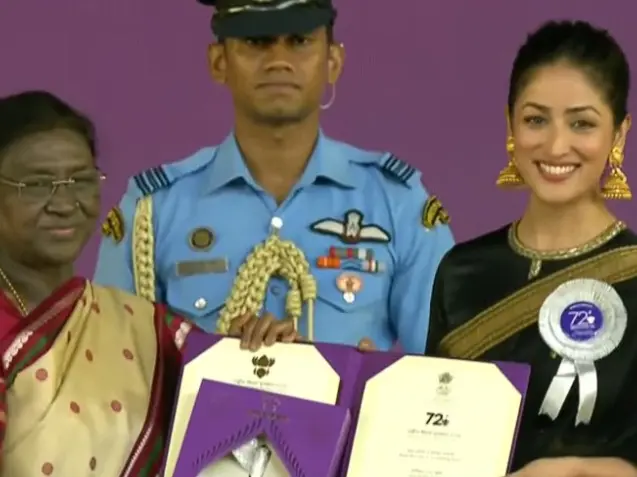)
National Film Awards 2026: Yami Gautam wins Best Actress for Article 370
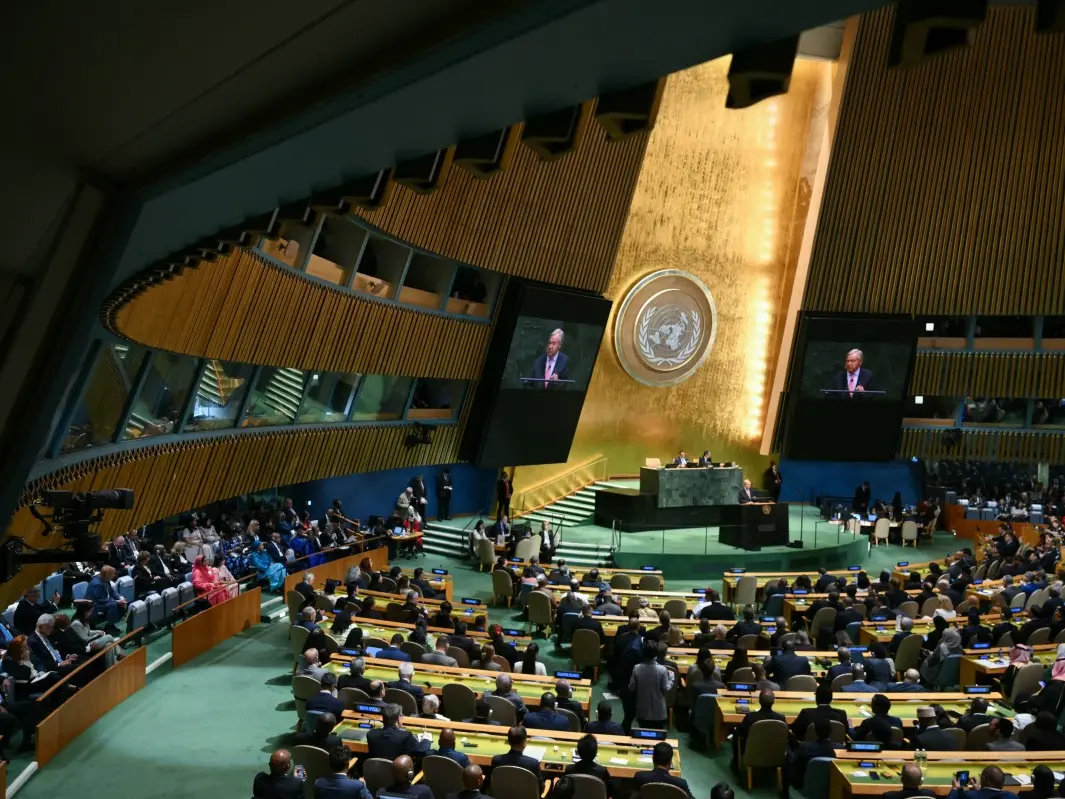)
World leaders repeatedly call Gaza crisis ‘genocide’ as Israel’s war dominates opening sessions of UNGA
)
WION Iconic Tourism Summit and Iconic Awards 2026: India's travel economy leaders gather in Delhi
)
American manufacturing is reshoring faster than its factory floors can absorb
&im=FitAndFill=(700,400))
New OTT releases this week (September 21-27, 2026): Shaque: Trust No One, Hunkkaar, Don’t Be Shy- 5 new titles coming to Netflix, Prime Video and more
)
Trump calls on nations to quit ‘rogue’ and ‘out-of-control’ International Criminal Court, rips UN
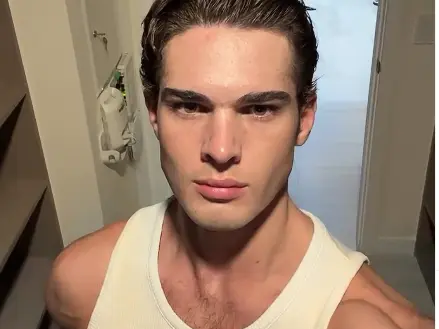)
Who is Clavicular? The 20-year-old controversial 'Looksmaxxing' influencer charged with rape allegations
)
'This is normally what toddlers do': Why a psychiatrist is raising fresh questions about Trump’s recent behaviour
&im=FitAndFill=(700,400))
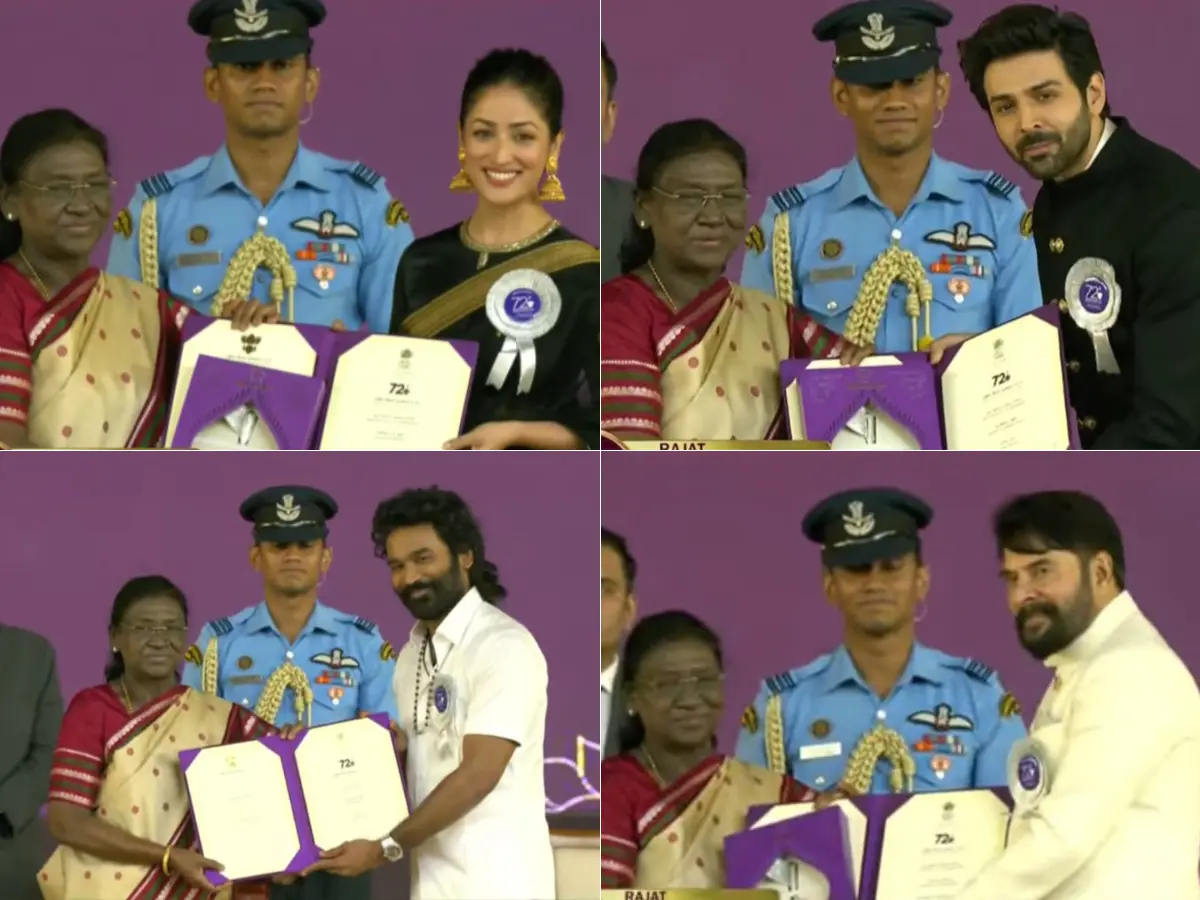
National Film Awards 2026: Kartik Aaryan, Mammootty, Yami Gautam, Randeep Hooda and other key winners
)
‘Strike a deal or drive Iran into hell’: Trump issues fresh warning to Tehran at UNGA
)
Trump calls Cuba a ‘failed state’ at UN, Cuban delegation walks out
)
Over 4,200 books withdrawn from circulation in J&K colleges, 94% from Kashmir
)
Trump’s China visa crackdown puts US universities, Chinese students in focus ahead of Trump- Xi summit
)
Explainer: Why rare-earth export licences and Board of Trade are US priorities ahead of Trump-Xi summit
)
Oil slips to $98 as Saudi Arabia restarts East-West oil pipeline
)
‘Shame on you’: Netanyahu vows to ‘tell the truth’ about Mamdani at UN ahead of New York visit
The volcano, which is located some 30 miles (48.28 kilometres) southwest of Reykjavik,Iceland'scapital, sits on the Reykjanes Peninsula.
Sundhnukagigar has been erupting for about four weeks. As per AFP, on March 16, lava burst out of a crack in the ground and has been flowing ever since.
According to the Icelandic Meteorological Office's(IMO)most recent measurements from April 9, it was pumping out some 3.6 cubic metres of lava per second.
"It's continuing at a pretty stable rate at the moment, and we don't see any real signs that it will end in the near future," IMO geophysicist Benedikt Ofeigsson told AFP.
Recent volcanic activity
As per the Washington Post, volcanic activity in the Reykjanes Peninsula had not been active for 800 years before the recent eruptions. Volcanologists believe that a new era of seismic activity has begun in the region.
Also read |Tiny moon, big ocean: THIS is how a huge ocean was created on Saturn's 'Death Star' moon Mimas
The volcanic activity was reawakened in March 2021, when an eruption near Mount Fagradalsfjall lasted six months, reports AFP.
Magma, as per the report, is making its way through the Earth's upper crust from a depth of at least 10 kilometres (6.21 miles). Additionally, ground rising, also known as inflation, has been observed in the nearby area of Svartsengi, where a geothermal plant that provides electricity and water to 30,000 people on the peninsula is located.
The inflationas per geophysicist Benedikt Ofeigsson suggests that "all the magma coming from this depth doesn't have the capacity to go straight to the surface (and) is partly stored in this magma storage in Svartsengi."

