
&imwidth=800&imheight=600&format=webp&quality=medium "Lohri 2026: 7 lesser-known rituals and customs behind the bonfire celebrations")
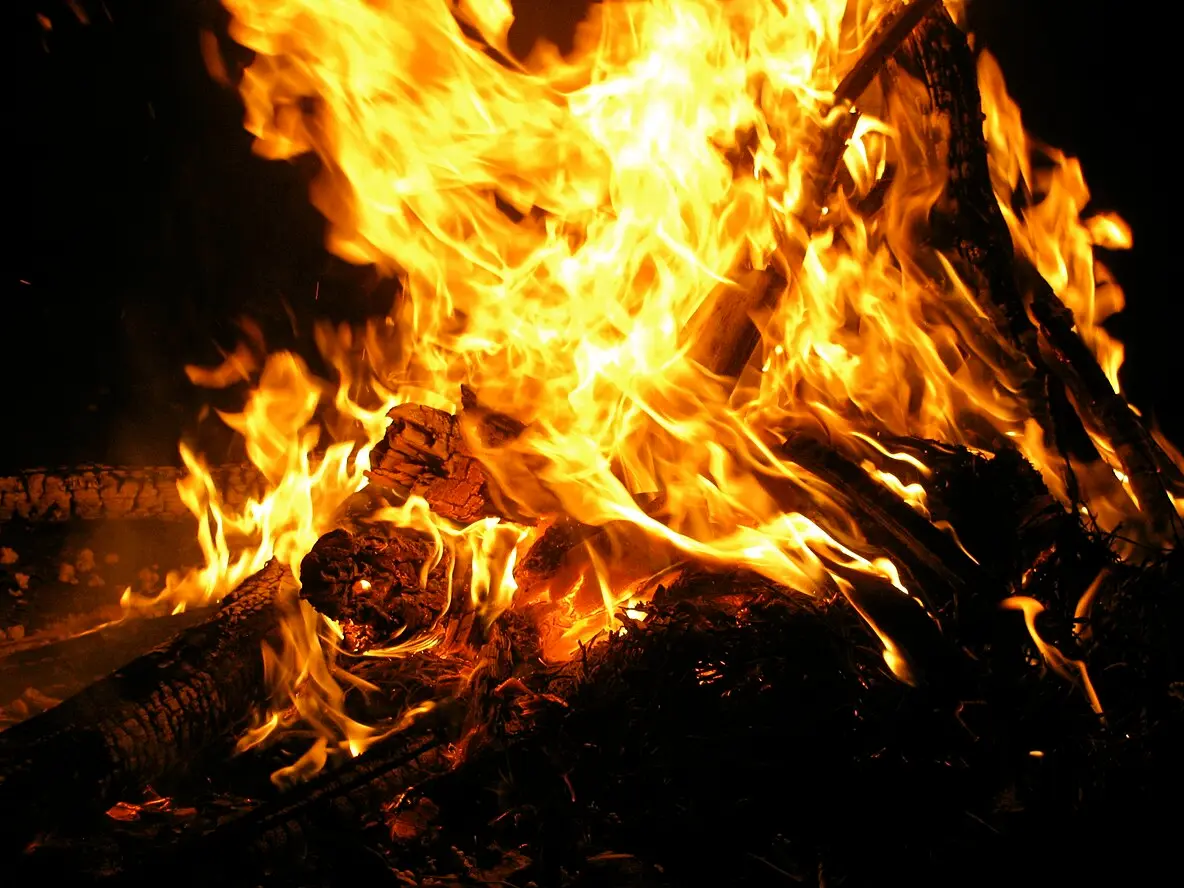
Lohri is among the most widely celebrated harvest festivals of North India, which include Punjab, Haryana, Himachal Pradesh, and Delhi. It is celebrated annually on January 13, marking the end of winter and the arrival of the rabi harvest season. Lohri is widely observed as a celebration of joy, gratitude, warmth, and fresh beginnings. Based on the Drik Panchang, the timing of the Lohri is at 3:13 PM on January 14, but the traditional celebrations, the dancing, singing, and bonfires take place on the evening of the 13th.
7 lesser-known traditions behind the bonfire festival
- Lohri goddess idol from cow dung

In some rural Punjab villages, families craft small idols of the Lohri goddess using gobar (cow dung) mixed with straw. These are placed at the bonfire base, symbolising fertility and earth connection. Lit with wood at dusk, the idol burns as an offering to Agni, the fire god, expressing gratitude for the harvest and invoking protection for the coming year. This eco‑friendly ritual underscores Lohri’s agrarian roots.
2. Pouring milk and water around the fire
Trending Stories
)
No Pandya as Auqib Nabi earns maiden ODI call-up; Mayank returns for WI T20Is| check full squads
)
Chiefs tight end Travis Kelce named one of the victims in $35 million ponzi scheme
)
Trump praises India’s Opium crackdown, hails anti-drug efforts
)
Sydney Sweeney defends provocative ad choice, the internet is still not impressed
)
Former India player Diana Edulji wants Smriti Mandhana to replace Harman as skipper at the earliest
)
Trump calls Canada-EU associate membership plan ‘laughable’ and threatens 'very serious tariffs'
)
Protests erupt over migrant housing plan in Piddington
)
Shahzad Bhatti Network declared terrorist organisation under UAPA: Govt order
)
Europe wants a common playbook for security threats, seeks security beyond NATO
)
Formula One reveals the 2027 race calendar; Monaco to host sprint race for the first time
)
All Indian goods to get duty-free access to New Zealand
)
Bigg Boss 20: Mahhi Vij reveals she lost Yuva role to Kareena Kapoor; 'didn’t work out in my favour'
)
Lionel Messi for 2026 Ballon d’Or over Mbappe and Yamal, says Diego Simeone
)
US House votes 417-3 to pass Ratepayer Protection Act targeting AI data center electricity costs
)
Hong Kong unveils 11 new measures to boost birth rates, offers higher cash bonuses and housing perks
)
Former OpenAI researcher warns of growing risks from Artificial Intelligence
)
Veteran actor Anant Nag honoured with Indian cinema’s highest award
)
AUS vs SA: Steve Smith still gets 'little flashbacks' from sandpaper gate
)
Pakistan naval vessel returns to harbour with 'severe damage' after collision with Indian warship in Arabian Sea
)
Fed raises rates for first time in 3 years, Kevin Warsh defies Trump as inflation mounts
)
Katrina Kaif’s postpartum weight is not the problem; your gaze is
)
Taiwan seeks deeper India ties as direct flights restart soon and chip projects advance
)
Daayra movie review: Kareena Kapoor, Prithviraj Sukumaran shine in Meghna Gulzar’s cop-versus-cop crime thriller
)
Saudi Vs Houthis: Yemeni military rebels clash with Houthis
)
Pak batter Rizwan's petition against being questioned by cyber crime agency rejected by court
)
US trade tariff: 100% tariff targets Russian buyers amid trade tensions
)
Pakistan: Imran Khan's sons Kasim & Sulaiman claim their father is 'tortured' in jail
&im=FitAndFill=(700,400))
New OTT releases this week (September 14-20, 2026): Lust Stories 3, Waiting Hai, Irumudi- 5 new titles coming on Netflix, Prime Video and more
)
Trump gets new power to hit India, China with up to 100% tariffs as US Senate clears Russia sanctions bill
)
Prime Minister Narendra Modi's birthday: Italian PM Meloni sends birthday wishes
)
‘Imagine 50 AI fighters cornering one manned jet’: India’s mobbing doctrine eyes a new era of air warm
)
Saudi vs Houthis: Riyadh claims to have shot Houthi drone targeting Mecca
)
US Treasury rallies global financial institutions for Op Economic Outcast to isolate Iran
)
India breaks silence on US Russia sanctions bill, 100% tariff threat: ‘Committed to energy security’ for 1.4 billion
)
Pakistan boycotts chess match against Israel at Olympiad
)
Want to get married within a year? Why 18 lakh people rush to Jaipur for ‘sacred henna’
&im=FitAndFill=(700,400))
Suriya and Jyothika say ‘I do’ again after 20 years! See their dreamy wedding pics
)
Abhishek Sharma rises to No. 2 in T20Is; ENG’s Robinson 3rd after record Pakistan Tests
)
The Early Spring season 2 is happening, but fans have one request - 'don't change the actors'
Hindus perform a specific ritual of pouring milk and water in a circle around the bonfire. This act thanks the Sun God (Surya) for longer days and seeks blessings for health and prosperity. Milk symbolises purity and nourishment, while water quenches the fire’s symbolic “thirst,” balancing the elements. Participants chant prayers during this, blending devotion with nature worship.
3. Singing Dulla Bhatti folk songs
Children and women sing Boliyaan praising Dulla Bhatti, a 16th‑century rebel who robbed the rich to help poor girls marry. Lyrics recount his heroism, like freeing brides from Mughal oppressors. Sung while circling the bonfire, these songs pass down oral history and social justice themes, making Lohri a festival of resistance and community memory.
4. Til, gur and rewri offerings
Beyond popcorn, sesame seeds (til), jaggery (gur), rewri (sesame brittle) and sugarcane are ritually tossed into the flames. Til represents oil for lamps (knowledge), gur sweetness in life, rewri unity (sticky clusters), and sugarcane prosperity. These offerings purify the soul, share abundance and ward off evil, tying Lohri to Vedic fire rituals.
5. Village square pyramid bonfire
Urban celebrations often use gas, but traditional village mehfil builds a pyramid of dry twigs, cow‑dung cakes and logs inside a brick enclosure garlanded with marigolds. Lit at sunset in the main square, it draws the entire community for song, dance and prasad distribution, reinforcing social bonds and collective identity.
6. Newborn and bride blessings
Newlyweds and families with newborns receive special Lohri prasad (peanuts, gajak, popcorn). Elders bless infants for health and couples for fertility, circling them around the fire. This rite invokes divine favour for family continuity, linking personal milestones to the harvest cycle and communal well‑being.
7. Jhumar and gidda folk dances
While bhangra dominates, women perform gidda (clapping circles) and jhumar (tribal stick dance) around the fire. These lesser‑seen dances celebrate rural life, with lyrics about crops, love and seasons. Accompanied by dhol, they preserve pre‑Partition cultural expressions unique to Punjab’s Doabi and Majhi dialects.
Also read:

