Hope for millions? China shocks the world with breakthrough diabetes cure: Here's how it succeeded

&imwidth=600&imheight=450&format=webp&quality=medium "Hope for millions? China shocks the world with breakthrough diabetes cure: Here's how it succeeded")
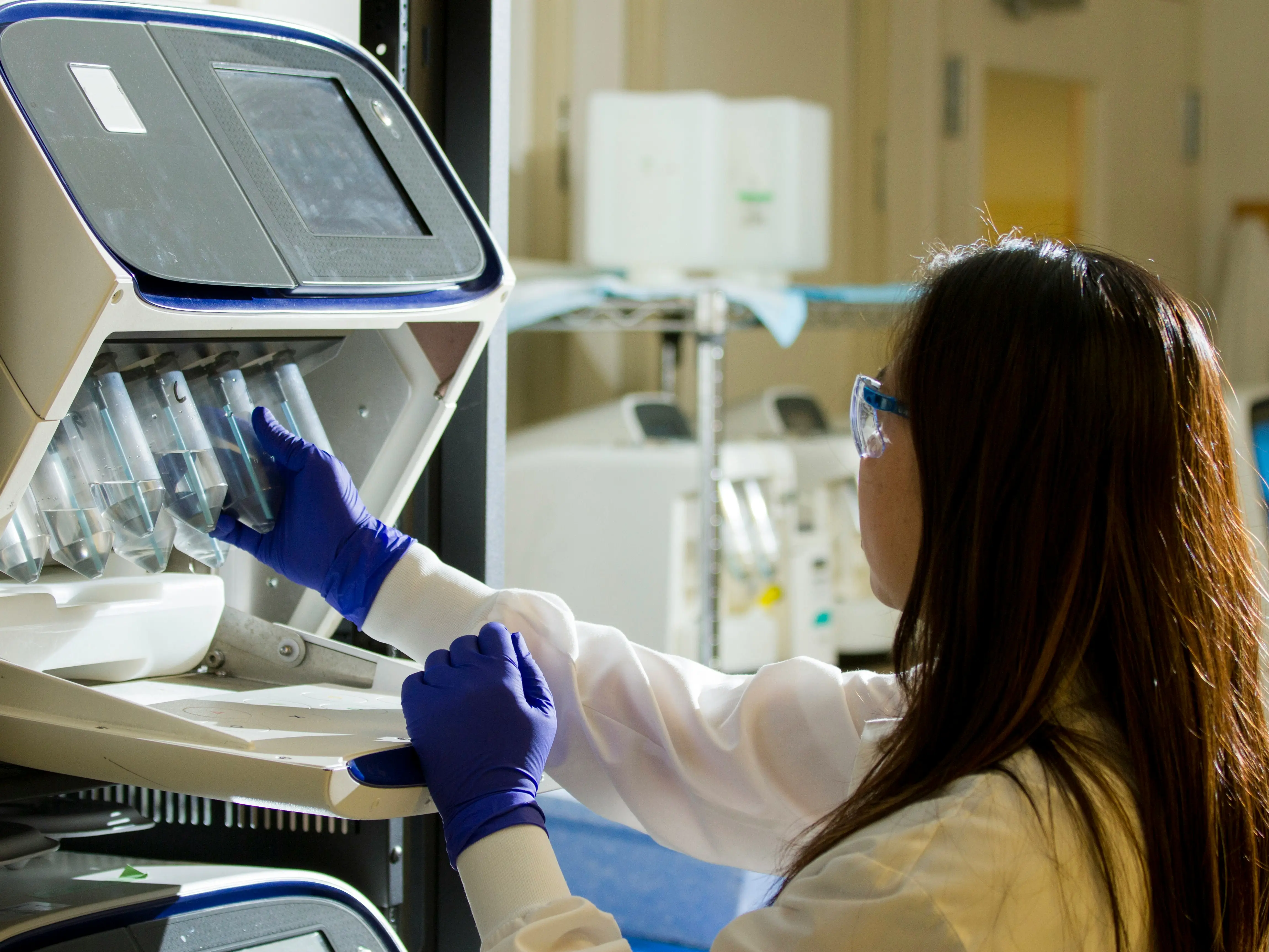
Representative image. Photograph: (Unsplash)
Type 2 diabetes occurs when the body is unable to use insulin effectively, leading to elevated blood sugar levels. To manage the condition, patients are often prescribed insulin or other medications.
In a historic development, scientists in China have reversed the type-2 diabetes using stem-cell therapy, marking a globally significant milestone. The Chinese researchers succeeded after they established stem cell therapy to transplant healthy pancreatic cells to copy the work of insulin that is regulated inside our body. The experiment succeeded for the first time, wherein the patient isn't dependent on injectable insulin or medication while managing their blood sugar.
Type 2 diabetes occurs when the body is unable to use insulin effectively, leading to elevated blood sugar levels. To manage the condition, patients are often prescribed insulin or other medications. However, once a person becomes insulin dependent, it becomes extremely difficult to restore the normal function of the body, according to a report in the NDTV.
How was type-2 diabetes reversed during experiments?
While reversing type 2 diabetes, researchers involved several key steps. First, researchers obtain stem cells either from the patient or from a donor. These cells are used because of their unique ability to develop into various specialised cell types capable of carrying out specific functions.
In laboratory settings, scientists expose the stem cells to targeted chemical and genetic signals that direct them to become pancreatic islet cells, particularly beta cells, which naturally produce insulin. Once reprogrammed, these cells are cultivated into clusters that replicate the structure of healthy pancreatic tissue. These clusters can detect changes in blood glucose levels and release insulin as required.
Later, these clusters that produce insulin are transplanted into the body of the patient, most likely in the abdomen. Once inserted, they combined with the blood supply of the patient. But the primary issue experienced is determining whether the cells are accepted or rejected, which will determine the outcome.
Trending Stories
&im=FitAndFill=(700,400)&imwidth=280&imheight=210&format=webp&quality=medium)
&imwidth=280&imheight=210&format=webp&quality=medium)
&imwidth=280&imheight=210&format=webp&quality=medium)
&imwidth=280&imheight=210&format=webp&quality=medium)
&imwidth=280&imheight=210&format=webp&quality=medium)
&imwidth=280&imheight=210&format=webp&quality=medium)
&imwidth=280&imheight=210&format=webp&quality=medium)
&imwidth=280&imheight=210&format=webp&quality=medium)
&imwidth=280&imheight=210&format=webp&quality=medium)
&imwidth=280&imheight=210&format=webp&quality=medium)
&imwidth=280&imheight=210&format=webp&quality=medium)
&imwidth=280&imheight=210&format=webp&quality=medium)
&imwidth=280&imheight=210&format=webp&quality=medium)
&im=FitAndFill=(700,400)&imwidth=280&imheight=210&format=webp&quality=medium)
&imwidth=280&imheight=210&format=webp&quality=medium)
&imwidth=280&imheight=210&format=webp&quality=medium)
&imwidth=280&imheight=210&format=webp&quality=medium)
&imwidth=280&imheight=210&format=webp&quality=medium)
&imwidth=280&imheight=210&format=webp&quality=medium)
&imwidth=280&imheight=210&format=webp&quality=medium)
&imwidth=280&imheight=210&format=webp&quality=medium)
&imwidth=280&imheight=210&format=webp&quality=medium)
&imwidth=280&imheight=210&format=webp&quality=medium)
&im=FitAndFill=(700,400)&imwidth=280&imheight=210&format=webp&quality=medium)
&imwidth=280&imheight=210&format=webp&quality=medium)
&imwidth=280&imheight=210&format=webp&quality=medium)
&imwidth=280&imheight=210&format=webp&quality=medium)
&imwidth=280&imheight=210&format=webp&quality=medium)
&imwidth=280&imheight=210&format=webp&quality=medium)
&imwidth=280&imheight=210&format=webp&quality=medium)
&imwidth=280&imheight=210&format=webp&quality=medium)
&imwidth=280&imheight=210&format=webp&quality=medium)
&imwidth=280&imheight=210&format=webp&quality=medium)
&imwidth=280&imheight=210&format=webp&quality=medium)
&imwidth=280&imheight=210&format=webp&quality=medium)
After transplantation, the newly developed cells begin functioning like healthy pancreatic beta cells, sensing rising blood glucose and releasing insulin as needed to bring sugar levels down naturally. As a result, patients may significantly reduce or no longer need external insulin injections.
In the final stage, doctors closely observe patients to confirm that the transplanted cells remain viable, continue producing insulin, and do not cause immune reactions or other complications. Stem cell–based treatment for type 2 diabetes represents a form of regenerative medicine with the potential to offer more personalised and long-term solutions for managing the disease.

