&imwidth=800&imheight=600&format=webp&quality=medium "Earth's magnetic 'hole' is expanding and shifting. Should we be worried?")
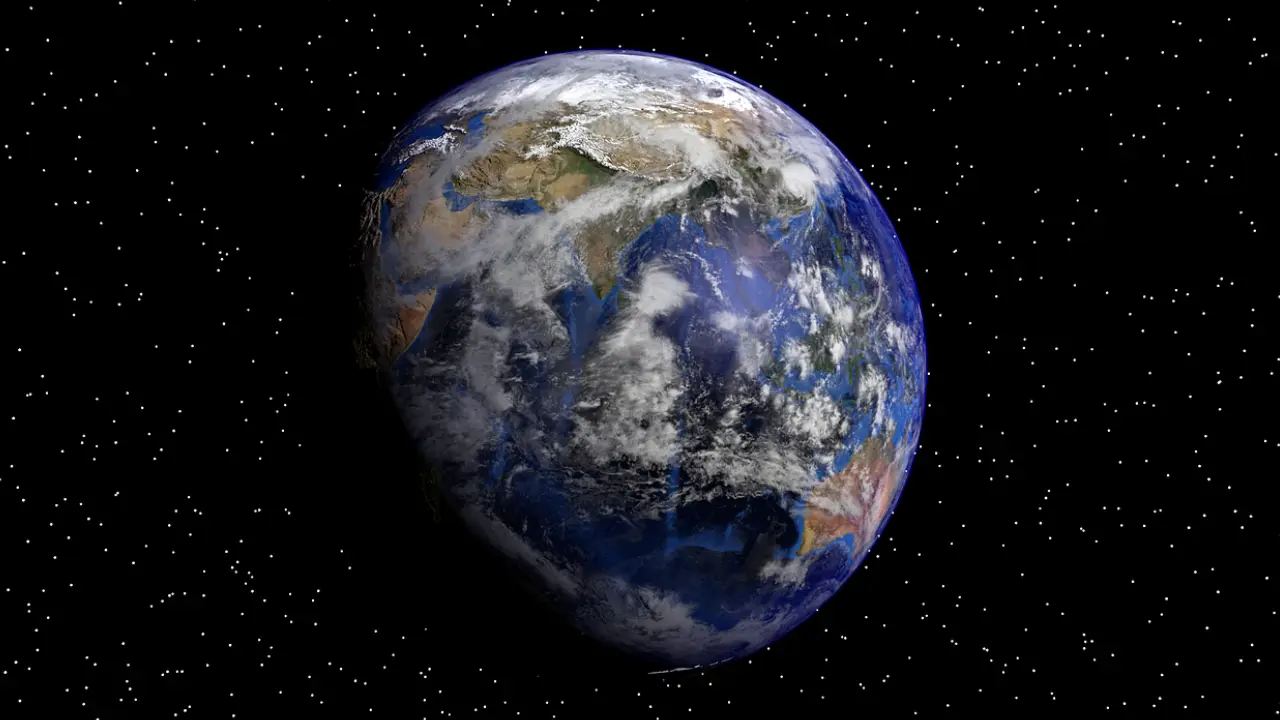
An anomalous region in Earth's magnetic field is showing signs of change, ones that might not bode well for the planet. According to a study, the weak spot in the field, known as the South Atlantic Anomaly (SAA), is growing and shifting. It has grown to twice the size of Texas since 2014, and has shifted westward towards Africa. Researchers say that this weak zone moves about 22 kilometres every year, and has seen a 25 per cent increase in size. Earth's magnetic field is created by the molten iron in Earth’s outer core. As it swirls around at a depth of thousands of kilometres, it creates a protective zone around the planet that protects us from the harmful cosmic radiation and the harmful particles unleashed by the sun. But it doesn't generate an equal layer everywhere.
Scientists studied 11 years of data from the European Space Agency’s (ESA) Swarm satellite constellation to figure out what's happening with Earth’s magnetic field. Lead author Chris Finlay, Professor of Geomagnetism at the Technical University of Denmark, said in a statement that this change is happening "differently towards Africa than it is near South America." He said, "There's something special happening in this region that is causing the field to weaken in a more intense way." A fluctuation in Earth's magnetic field is not uncommon. As the movement of the molten iron 2,896 kilometres below the surface fluctuates, the magnetic field witnesses changes too. According to NASA, when this phenomenon is coupled with the tilt of the planet's magnetic axis, an anomaly is created, which is known as the SAA.
Also Read: 385-million-year-old tree roots stretching 36 feet in New York reveal how life on Earth evolved

Molten iron inside the Earth is changing the magnetic field
The South Atlantic Anomaly is a zone where the magnetic field is weaker. The molten iron moves turbulently inside Earth, and this swishing around has resulted in the expansion and shifting of the SAA. How does a weakening and shifting magnetic field affect humans and the man-made objects in space? According to the study, it can have repercussions on the satellites and astronauts in space. The phenomenon exposes spacecraft to higher levels of radiation, affecting their functioning. Electronics can be disrupted temporarily, while permanent damage to critical hardware is also a possibility. This will affect activities on Earth, as these satellites are crucial for GPS and weather forecasting services. So when these spacecraft pass through this weak anomalous zone, they can malfunction from the radiation.
Trending Stories
)
Trump says Russia has ‘lost control’ of its diesel industry, calls for end to ‘ridiculous, never-ending’ war
)
Asian Games: Indian women's hockey team thrash Indonesia 17-1, blasts 36 goals in 2 matches
)
Putin's United Russia party wins 355 seats in Duma election; 4 other parties cross threshold to enter parliament
)
AI kill switch explained: Why shutting down a dangerous AI may not be as simple as pressing a button
)
Delhi Air pollution: Strict crackdown on waste burning
)
SNL UK takes aim at Ed Sheeran with AI Princess Diana sketch
)
‘0% chance’: Nvidia CEO Jensen Huang dismisses AI extinction fears by 2030
)
Samay Raina-Mukesh Chhabra controversy explained: What happened over girlfriend joke on India's Got Latent?
)
Four decades after leaving Kolkata, the Birlas may be coming back for more
)
Apple reportedly building AI server with M8 Ultra chips, may use Nvidia technology
)
Glitch in the matrix caught on camera: Woman vanishes after talking to reporter
)
IIT Bombay tensions ease after three-hour open house; director’s assurances pacify students
)
Samsung raises Galaxy S26 prices by Rs 20,000: Here’s what each model now costs
)
J&K Assembly Session begins amid chaos: BJP, ruling alliance clash as statehood demand dominates
)
Bessent meets China’s He Lifeng to prepare for Trump-Xi summit
)
US and China vie for AI dominance as calls grow for regulation | Gravitas
)
Four Hands, Two Sonatas ep (5-8) review: Song Kang Lee, Jun Young elevate the emotional stakes after a tragic turn
)
The Verdict | The Mecca Agreement is under scrutiny as Houthis attack Saudis
)
Who was Sheikh Ahmed bin Rashid Al Maktoum? From Dubai Royal family to police, sports and racing
)
Saudi Arabia exits China-led mBridge digital currency platform amid Saudi-Houthi conflict
)
Maharashtra TET paper leak: Chargesheet reveals papers smuggled in shoe insoles for Rs 8,000
)
'Lot of things to learn from experienced players': Jayasuriya backs Rohit, Virat for 2027 ODI World Cup
)
Taylor Swift has a 'proud wife' moment as Travis Kelce scores first touchdown of season: 'That’s my husband!'
)
Chancellor Friedrich Merz vows to stay on as exit polls signal major poll setback
)
Mahabharat actor Saurav Gurjar arrested in Hyderabad, sent to 14-day judicial custody in sexual exploitation case
&im=FitAndFill=(700,400))
New OTT releases this week (September 21-27, 2026): Shaque: Trust No One, Hunkkaar, Don’t Be Shy- 5 new titles coming to Netflix, Prime Video and more
)
WATCH | Mysterious lights over Tehran caught on video. Drone, aircraft or something else?
)
What is Yom Kippur and why is it celebrated? All you need to know about the Jewish Day of Atonement
)
Iranian airlines to shut worldwide on Sept 23, Bessent warns of US banking ban
)
White House TV pool halts Trump coverage after CNN barred from UNGA events
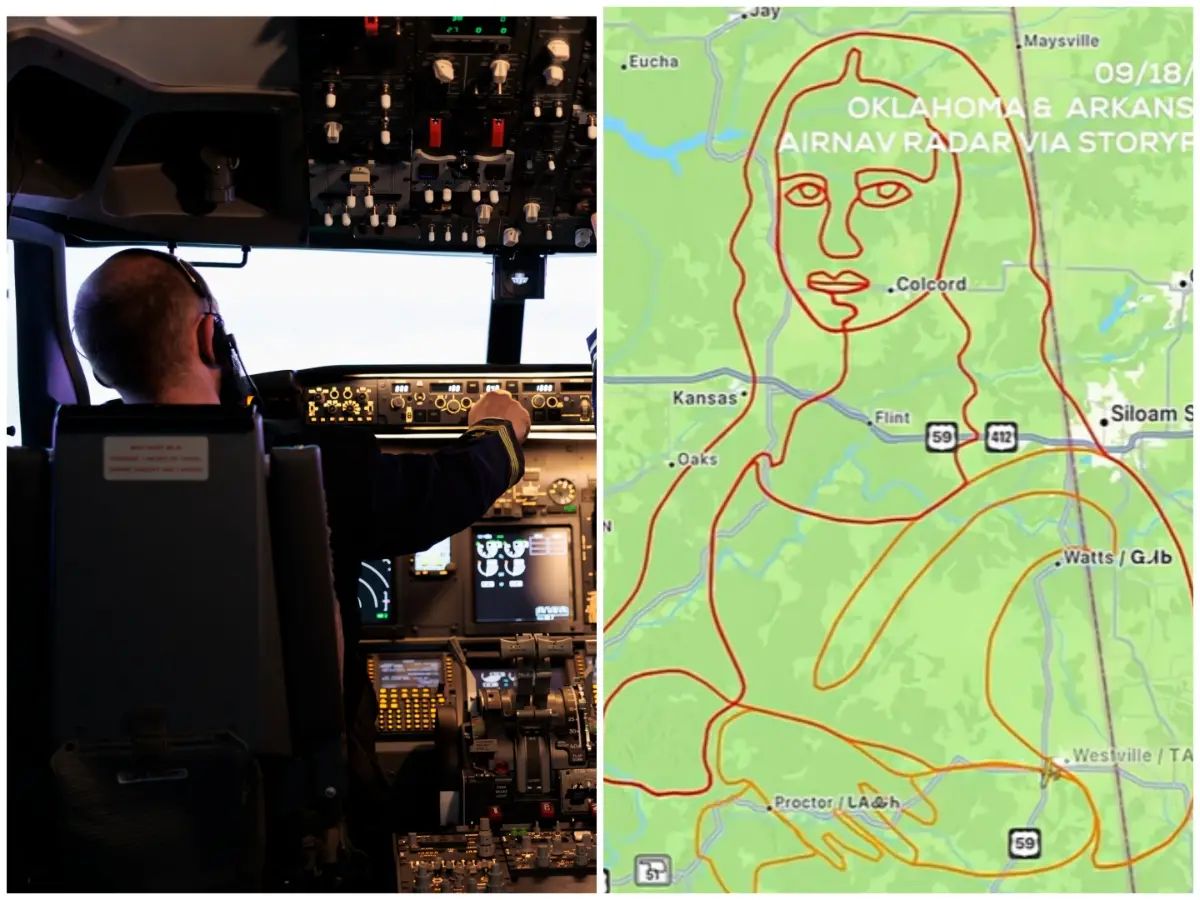)
Pilot recreates Mona Lisa in sky over Oklahoma and Arkansas in four-hour flight: VIDEO
)
Fitna Al-Khawarij: Decoding biggest security threat to Pakistan | Gravitas
)
Jailer 2: Vidya Balan joins Rajinikanth's upcoming film as Kantha | Watch
)
Microsoft executive called AI training the ‘largest theft of labour in human history’
)
40-foot waves crash into cruise ship in dangerous stretch near Antarctica. Watch
)
BTS fans mock iHeartRadio’s day 2 turnout after short set controversy
)
Explainer: Why rare-earth export licences and Board of Trade are US priorities ahead of Trump-Xi summit
)
The Scandal, why so scandalous? Ji Chang Wook leaves you gasping for air
Talking about the shifts in the magnetic field, the scientists noted that in the southern hemisphere, weak magnetic areas under Africa are moving westward, while similar regions in the mid-Atlantic are moving east. In the north, there is a strong magnetic zone under the Bering Strait, which is drifting west, and near Indonesia and the western Pacific, magnetic features are moving east. While humans on Earth might not be directly impacted by this change, astronauts on the International Space Station are at risk. This is why this fluctuation requires constant monitoring.