Peaceful sea creatures turn murderous, devour snorkeler in Israel. Shocked scientists blame...

&imwidth=600&imheight=450&format=webp&quality=medium "Peaceful sea creatures turn murderous, devour snorkeler in Israel. Shocked scientists blame...")
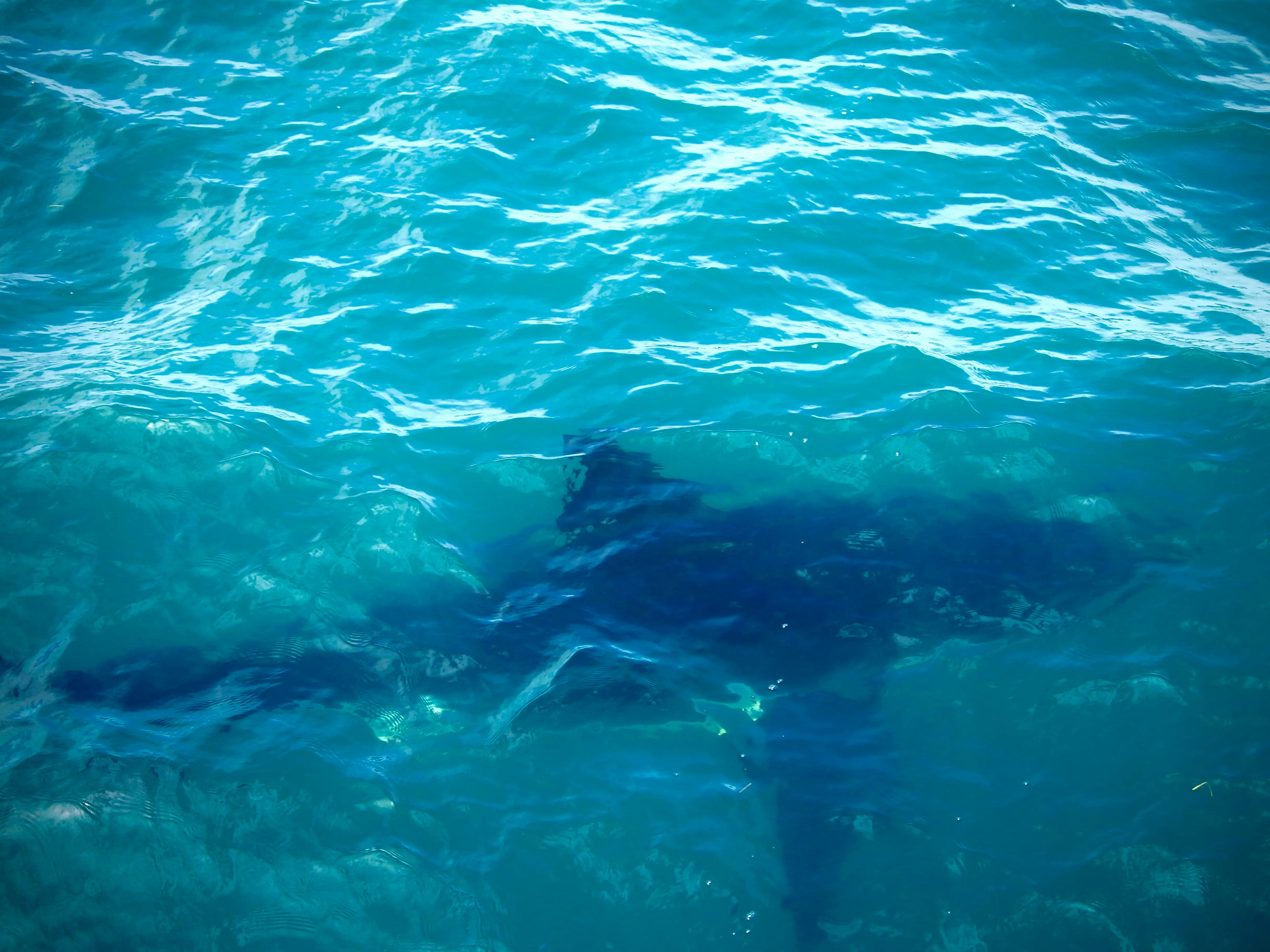
Shark attack in Israel killed a snorkeler. This species is not known to harm humans. Photograph: (Unsplash)
A shark species, never known to harm humans, killed and devoured a man off the coast of Israel. Scientists are stunned to see this sudden change in their behaviour. Food waste and artificial feeding have been blamed for the sharks becoming violent.
A man snorkelling off the coast of Israel in April was attacked and eaten by a shark species that has never been documented harming humans, according to a research report. This shocking change in behaviour has been attributed to artificial feeding that tourists and boat operators indulge in. The researchers detailed that a 40-year-old male tourist was swimming and filming about 100m from shore in Hadera when a group of sharks surrounded him. According to witnesses, one of them lunged at hisGoPro. The man shouted for help, saying that they were biting him. He disappeared soon after, with only a few shark fins and bloody red water visible. Rescue boats reached the site to look for the man, but he was nowhere to be found. The next day, the search for him only yielded a few human remains.
The researchers wrote that the remains were only enough to let forensic experts ascertain the victim’s identity. They also "led to the conclusion that he had been devoured by ‘several’ sharks during this incident." The incident has shocked scientists who say it happened because of a feeding frenzy. This is the first known instance of a dusky shark fatally attacking a diver, the report, published in the journal Ethology, states.
Also Read: 26 dead orcas wash ashore in Argentina as scientists struggle to pinpoint what killed them
Scientists reveal why the sharks turned deadly and killed a man
The incident has shocked scientists as they hunt for answers for this sudden change in behaviour of the dusky shark. According to the research, human activity and animal instinct played a major role in the sharks' attacking the man. Dusky sharks can grow up to 10ft in length, and are shy of people. But the warming waters of the sea off Israel’s Hadera have been attracting sharks in large numbers. Besides, human feeding of sharks, dumping of food waste and local boat operators throwing fish scraps have ensured that the sharks remain around, even in winter.
Trending Stories
)
)
)
)
)
)
)
)
)
)
)
)
)
)
)
)
)
)
)
)
)
)
)
)
)
)
)
)
)
)
)
)
)
)
&im=FitAndFill=(700,400))
)
)
)
)
Scientists say the new behavioural pattern in these sharks, called “begging”, has these creatures rushing straight towards divers in search of food. The limited food creates a competitive environment, leading to a feeding frenzy. “The competition for access to the food resource overrides the species’ usual behaviour, including the intrinsic non-instinctive nature of the (human) prey,” the researchers wrote. To ensure this never happens again, there is a need to "eliminate the begging behaviour in sharks," the researchers wrote, adding that "this can only be achieved by establishing and enforcing a complete and total ban on all artificial feeding of sharks by the public."