
&imwidth=800&imheight=600&format=webp&quality=medium "26 dead orcas wash ashore in Argentina as scientists struggle to pinpoint what killed them")
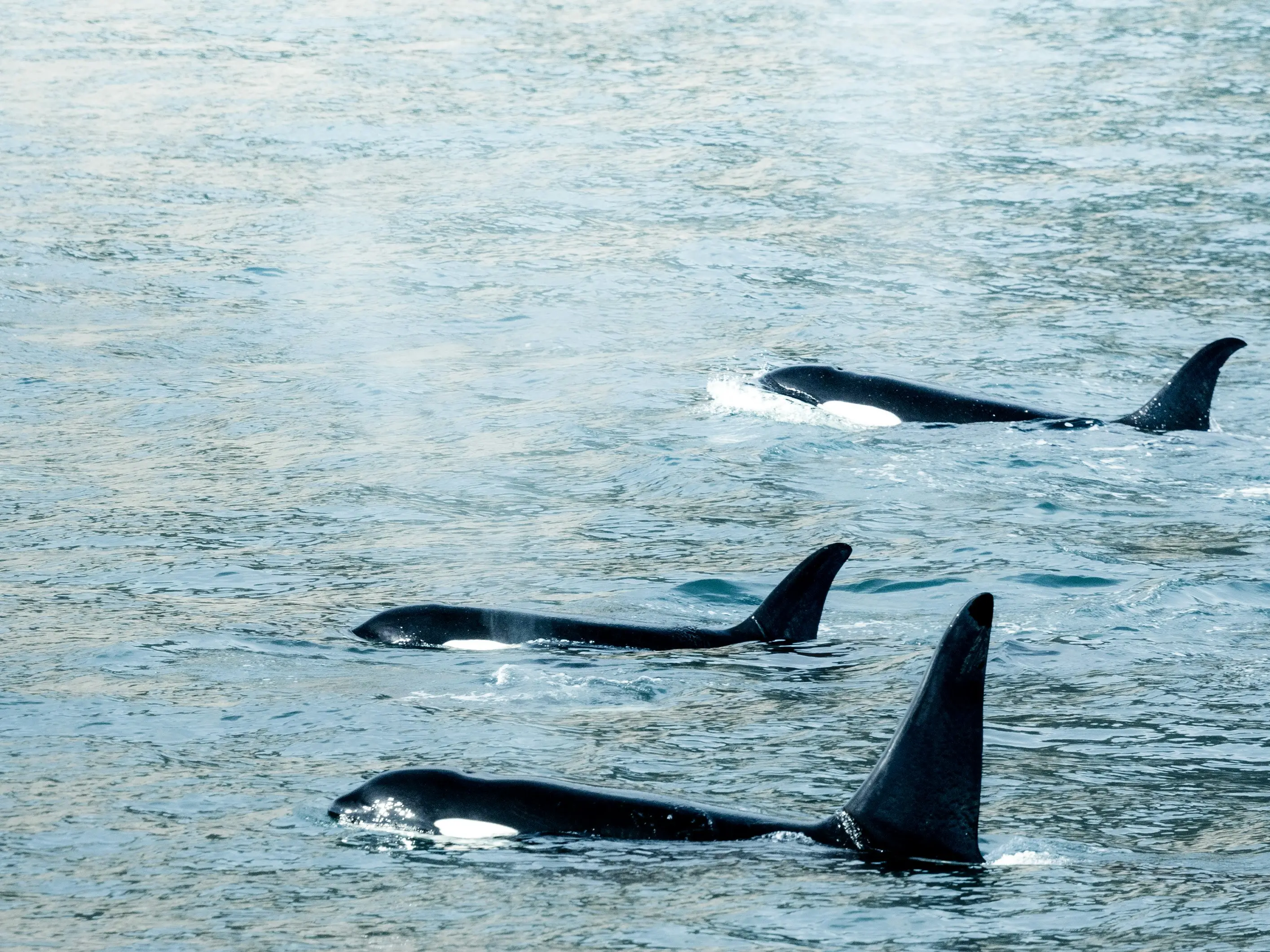
A disturbing scene was witnessed in Argentina this week when 26 orca killer whales washed up dead on a beach in the southern part of the country. The mass stranding is being investigated and is only the third such occurrence in recorded history globally. This was also the first time that multiple orcas were stranded on the Atlantic coast of the Tierra del Fuego Province. The grim discovery was made in San Sebastián Bay on the southern tip of Argentina. Someone initially spotted two dead orcas and alerted the National Scientific and Technical Research Council (CONICET) and the Southern Center for Scientific Investigation (CADIC). When the researchers reached the site, they started investigating the whales. Soon they learned that there were not two, but 26 orcas OF the same ecotype D family that had washed up dead.
The other whales were in nooks and crannies that were hard to access. Scientists from both organisations said they had never seen such a mass stranding in over 10 years. CONICET spokesperson Mónica Torres said: “What really surprised us in this case was the number of specimens in total. “We’ve been monitoring the bay and entire Atlantic coast of Tierra del Fuego all year round for over 10 years, and we’ve never recorded so many stranded animals before." Upon analysis, they did not find any injury marks on the killer whales. This meant that they were not struck by any ship, nor were they caught in fishing nets. Decomposition levels showed that all of them became stranded at the same time.
Also Read: Dead dolphins with 'Alzheimer's brain' washing ashore in Florida carry a warning for humans

The largest stranding of dead orcas ever
Torres added that these orcas aren't exactly whales, but a species within the orca group. “These in particular are called an ecotype, which is like a species within the orca group that’s not well known. That also caught our attention," she said. The investigation into their deaths will entail cutting them open and checking their organs for signs of internal injuries. She said that the large tidal range of almost 56ft at San Sebastián Bay could have also led to the stranding. “Perhaps animals that enter at high tide or when the tide goes out quickly can become stranded if they are not familiar with the area," she said. The last two incidents of such a mass stranding were recorded in New Zealand when about 17 orcas washed ashore, and in the Strait of Magellan in 2020 when nine dead orcas were discovered.

