China is building an even bigger dam than the one that slowed Earth's rotation

&imwidth=600&imheight=450&format=webp&quality=medium "China is building an even bigger dam than the one that slowed Earth's rotation")
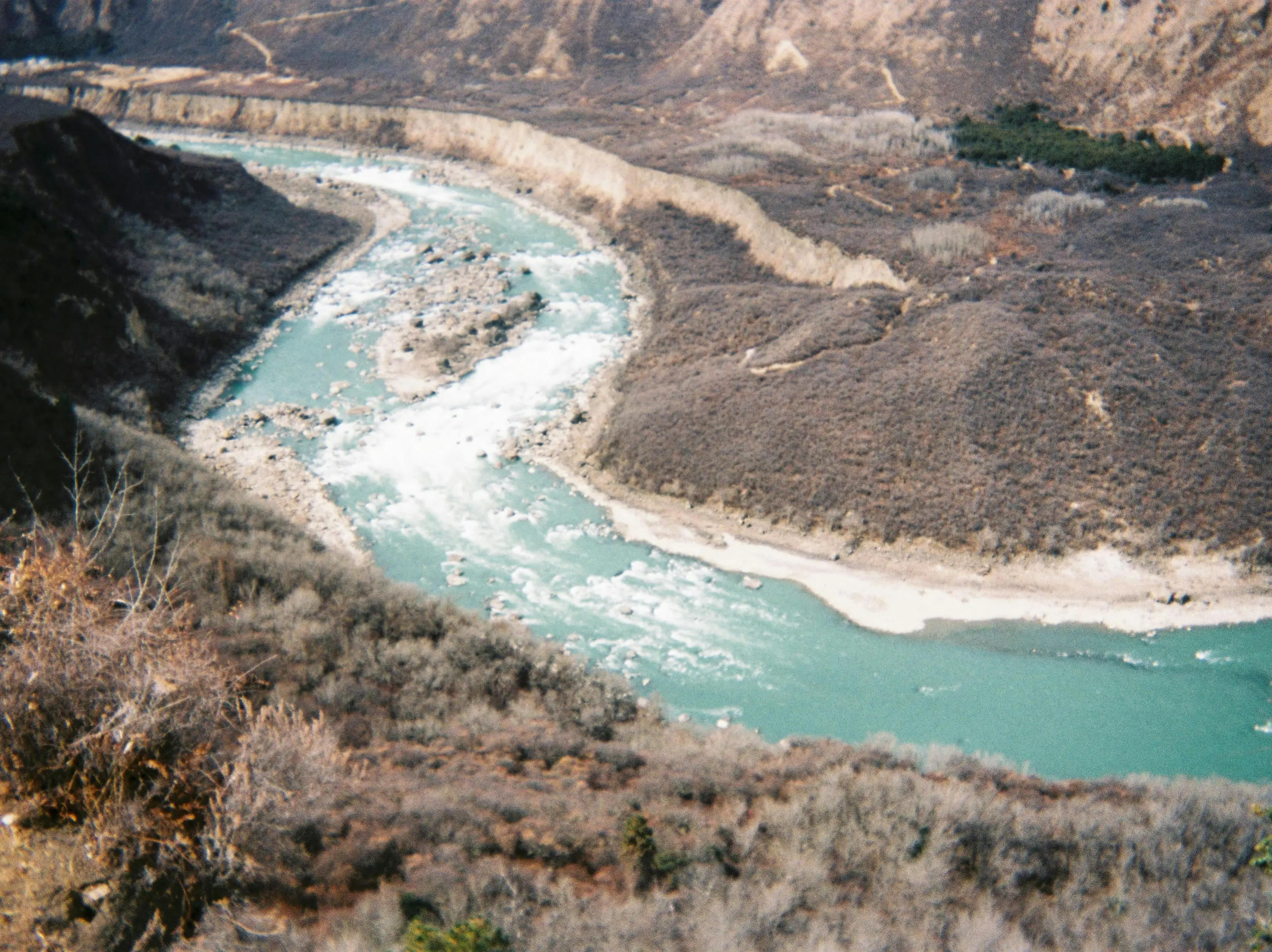
China is building a massive dam in Tibet. Photograph: (Unsplash)
China is building a dam that will be bigger than the Three Gorges Dam. Located on the Yarlung Tsangpo River in Tibet, it will generate 300 billion kilowatt hours of electricity each year. It could become a major flashpoint between India and China.
China shocked the world when news floated that its Three Gorges Dam was slowing down Earth's rotation. However, Beijing has now started construction on a hydropower project that could become the world’s largest hydropower. It is being built on the Yarlung Tsangpo River in Tibet, Chinese state media confirmed, adding that this humongous project will surpass the capacity of the Three Gorges Dam. It is estimated to cost nearly 1.2 trillion yuan and could generate roughly 300 billion kilowatt hours of electricity each year, the highest-output hydropower facility in the world. The BBC reports that the site is located along a steep section of the river just before it enters India and transitions into the Brahmaputra. The project indicates that China wants to increase reliance on renewable energy; however, since the Yarlung Tsangpo is part of a transboundary river system, it has become a centre of attention for neighbouring countries.
How will the new China dam work?
According to the Daily Galaxy, a cascading series of power stations situated along a sharp river bend with a significant vertical drop is the highlight of the project. By taking advantage of this natural gradient, engineers can generate massive amounts of electricity without the need for a massive, single-wall dam on the scale of the Three Gorges. Construction will happen in three stages, although the timeline hasn't been revealed yet.
The geography of the Yarlung Tsangpo River makes it a tricky project. The river makes a steep turn around the Himalayas before entering India and Bangladesh as the Brahmaputra. India has flagged in the past that upstream water management decisions could affect downstream flow. However, China has said that the goal of the project is to generate electricity and not large-scale water diversion, adding that downstream flow won't be affected.
Trending Stories
&imwidth=280&imheight=210&format=webp&quality=medium)
&im=FitAndFill=(700,400)&imwidth=280&imheight=210&format=webp&quality=medium)
&imwidth=280&imheight=210&format=webp&quality=medium)
&imwidth=280&imheight=210&format=webp&quality=medium)
&imwidth=280&imheight=210&format=webp&quality=medium)
&imwidth=280&imheight=210&format=webp&quality=medium)
&imwidth=280&imheight=210&format=webp&quality=medium)
&imwidth=280&imheight=210&format=webp&quality=medium)
&imwidth=280&imheight=210&format=webp&quality=medium)
&imwidth=280&imheight=210&format=webp&quality=medium)
&imwidth=280&imheight=210&format=webp&quality=medium)
&imwidth=280&imheight=210&format=webp&quality=medium)
&imwidth=280&imheight=210&format=webp&quality=medium)
&imwidth=280&imheight=210&format=webp&quality=medium)
&im=FitAndFill=(700,400)&imwidth=280&imheight=210&format=webp&quality=medium)
&imwidth=280&imheight=210&format=webp&quality=medium)
&imwidth=280&imheight=210&format=webp&quality=medium)
&imwidth=280&imheight=210&format=webp&quality=medium)
&imwidth=280&imheight=210&format=webp&quality=medium)
&imwidth=280&imheight=210&format=webp&quality=medium)
&imwidth=280&imheight=210&format=webp&quality=medium)
&imwidth=280&imheight=210&format=webp&quality=medium)
&imwidth=280&imheight=210&format=webp&quality=medium)
&imwidth=280&imheight=210&format=webp&quality=medium)
&im=FitAndFill=(700,400)&imwidth=280&imheight=210&format=webp&quality=medium)
&imwidth=280&imheight=210&format=webp&quality=medium)
&imwidth=280&imheight=210&format=webp&quality=medium)
&imwidth=280&imheight=210&format=webp&quality=medium)
&imwidth=280&imheight=210&format=webp&quality=medium)
&imwidth=280&imheight=210&format=webp&quality=medium)
&imwidth=280&imheight=210&format=webp&quality=medium)
&imwidth=280&imheight=210&format=webp&quality=medium)
&imwidth=280&imheight=210&format=webp&quality=medium)
&imwidth=280&imheight=210&format=webp&quality=medium)
&imwidth=280&imheight=210&format=webp&quality=medium)
China dam project is located in a geologically sensitive area
There are also environmental and safety concerns with the Yarlung Tsangpo dam project. The Tibetan Plateau is located near major fault lines, making the terrain tricky and unsafe. Besides, environmental groups have raised concerns that large dams can disrupt sediment transport, change ecosystems, and affect biodiversity, Indian Defence Review reported. The International Campaign for Tibet has said that such expansion projects have displaced communities in the past and come with little transparency. China is the world’s largest producer of hydropower. With the latest project, it will top the global rankings for electricity output from a single hydropower installation.

