Meta introduces new AI smart glasses powered by its latest AI model, starting at $299

&imwidth=600&imheight=450&format=webp&quality=medium "Meta introduces new AI smart glasses powered by its latest AI model, starting at $299")
Meta launches new AI smart glasses with its newest AI model, starting at $299
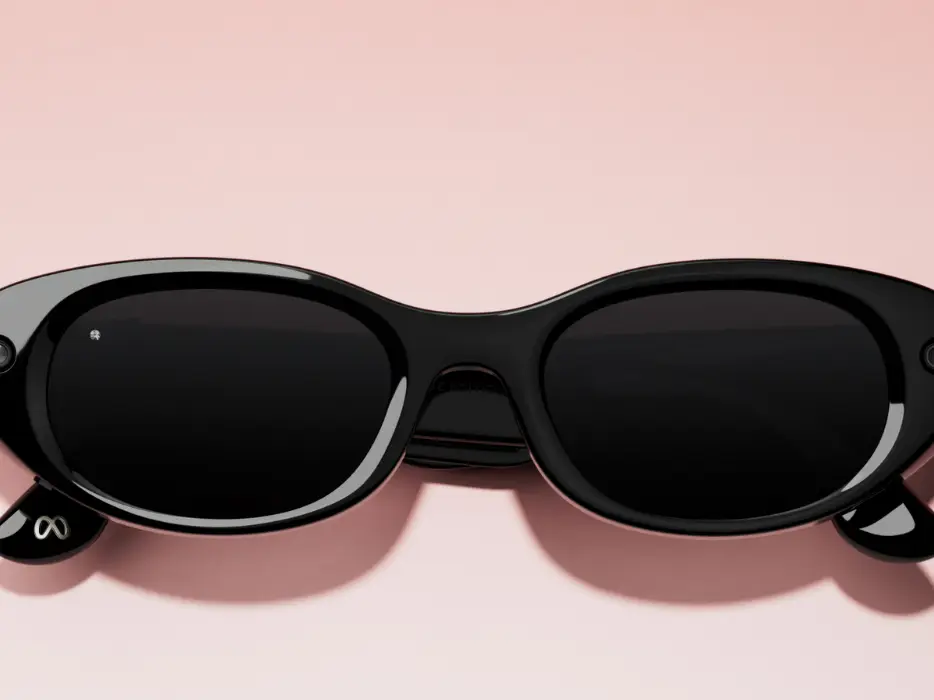
Meta has launched a new range of AI-powered smart glasses starting at $299, significantly undercutting previous models. Powered by Meta's latest AI model.
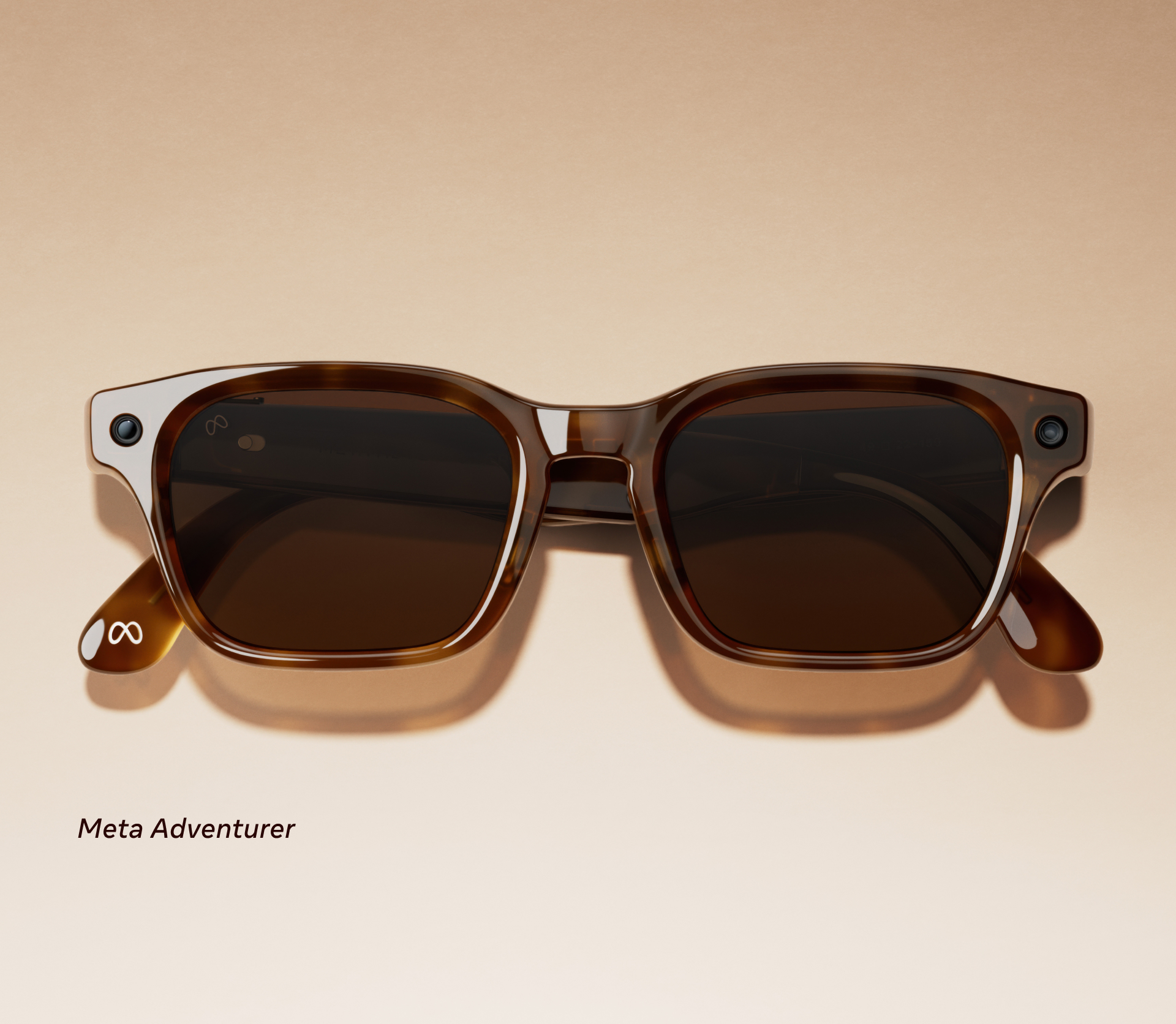
Meta is making a new push into wearable artificial intelligence. On Tuesday, they unveiled a new line of AI-powered smart glasses developed with eyewear giant EssilorLuxottica. Starting at $299, the new devices are considerably cheaper than Meta's premium smart glasses launched last year.
The announcement is important because it signals Meta's ambition to make AI hardware more accessible to everyday consumers as competition in the wearable technology market intensifies. The launch also comes as rivals including Apple, Google and Snap continue investing heavily in next-generation smart glasses and AI-powered devices.
Meta is betting big on AI glasses
For several years, Meta has argued that smart glasses could become one of the most important ways people interact with artificial intelligence. Meta’s latest glasses are powered by Meta AI running on Muse Spark, the first model developed by Meta's Superintelligence Labs. According to Meta, the glasses allow users to interact with AI, access information and receive text-based assistance through a wearable device rather than a smartphone. The launch reflects CEO Mark Zuckerberg's broader vision of bringing what he calls "personal intelligence" directly to consumers.
What's different about the new glasses?
Trending Stories
&imwidth=280&imheight=210&format=webp&quality=medium)
&im=FitAndFill=(700,400)&imwidth=280&imheight=210&format=webp&quality=medium)
&imwidth=280&imheight=210&format=webp&quality=medium)
&imwidth=280&imheight=210&format=webp&quality=medium)
&imwidth=280&imheight=210&format=webp&quality=medium)
&imwidth=280&imheight=210&format=webp&quality=medium)
&imwidth=280&imheight=210&format=webp&quality=medium)
&imwidth=280&imheight=210&format=webp&quality=medium)
&imwidth=280&imheight=210&format=webp&quality=medium)
&imwidth=280&imheight=210&format=webp&quality=medium)
&imwidth=280&imheight=210&format=webp&quality=medium)
&imwidth=280&imheight=210&format=webp&quality=medium)
&imwidth=280&imheight=210&format=webp&quality=medium)
&imwidth=280&imheight=210&format=webp&quality=medium)
&imwidth=280&imheight=210&format=webp&quality=medium)
&imwidth=280&imheight=210&format=webp&quality=medium)
&imwidth=280&imheight=210&format=webp&quality=medium)
&imwidth=280&imheight=210&format=webp&quality=medium)
&im=FitAndFill=(700,400)&imwidth=280&imheight=210&format=webp&quality=medium)
&imwidth=280&imheight=210&format=webp&quality=medium)
&imwidth=280&imheight=210&format=webp&quality=medium)
&imwidth=280&imheight=210&format=webp&quality=medium)
&imwidth=280&imheight=210&format=webp&quality=medium)
&imwidth=280&imheight=210&format=webp&quality=medium)
&imwidth=280&imheight=210&format=webp&quality=medium)
&imwidth=280&imheight=210&format=webp&quality=medium)
&imwidth=280&imheight=210&format=webp&quality=medium)
&im=FitAndFill=(700,400)&imwidth=280&imheight=210&format=webp&quality=medium)
&imwidth=280&imheight=210&format=webp&quality=medium)
&imwidth=280&imheight=210&format=webp&quality=medium)
&imwidth=280&imheight=210&format=webp&quality=medium)
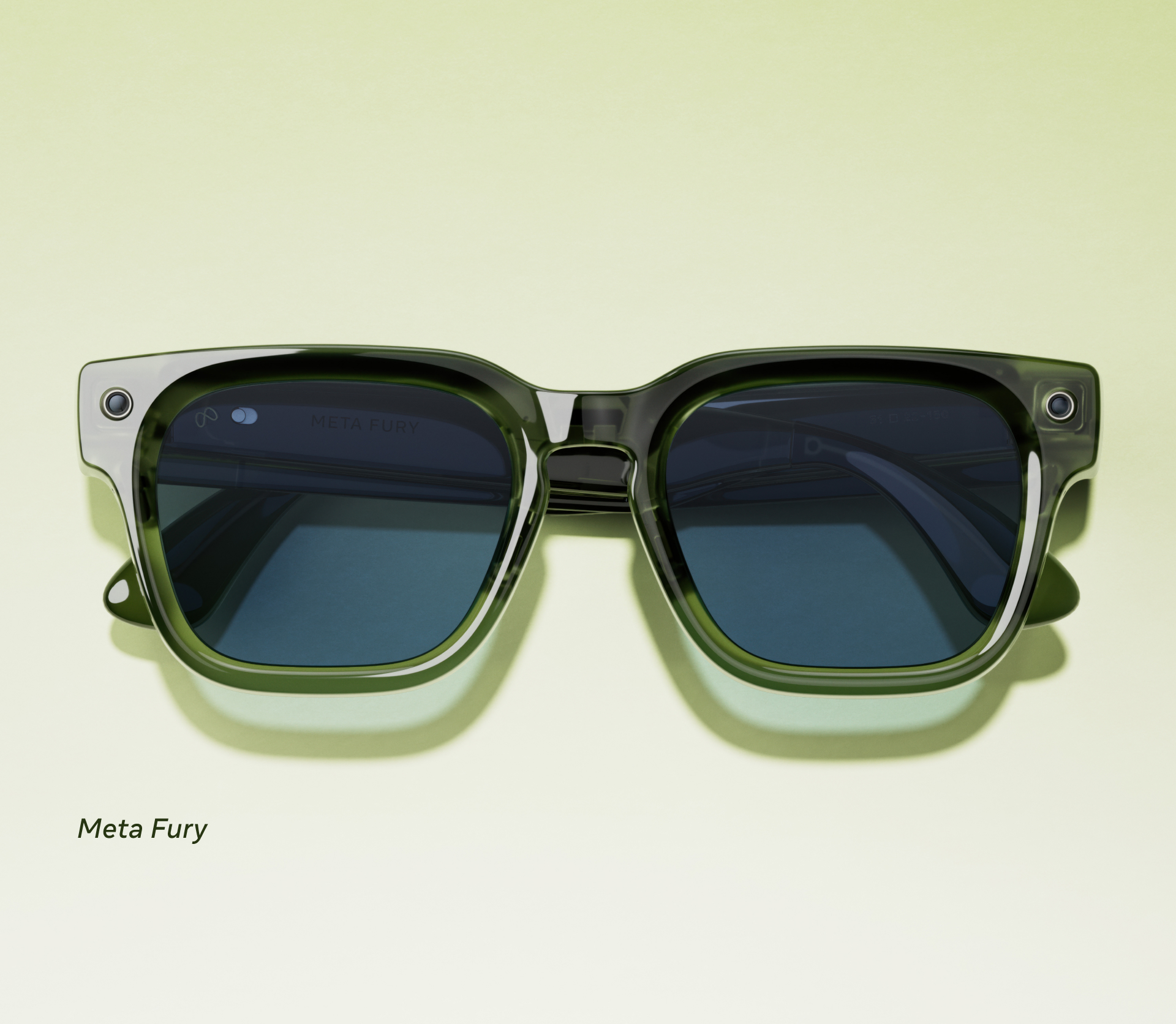
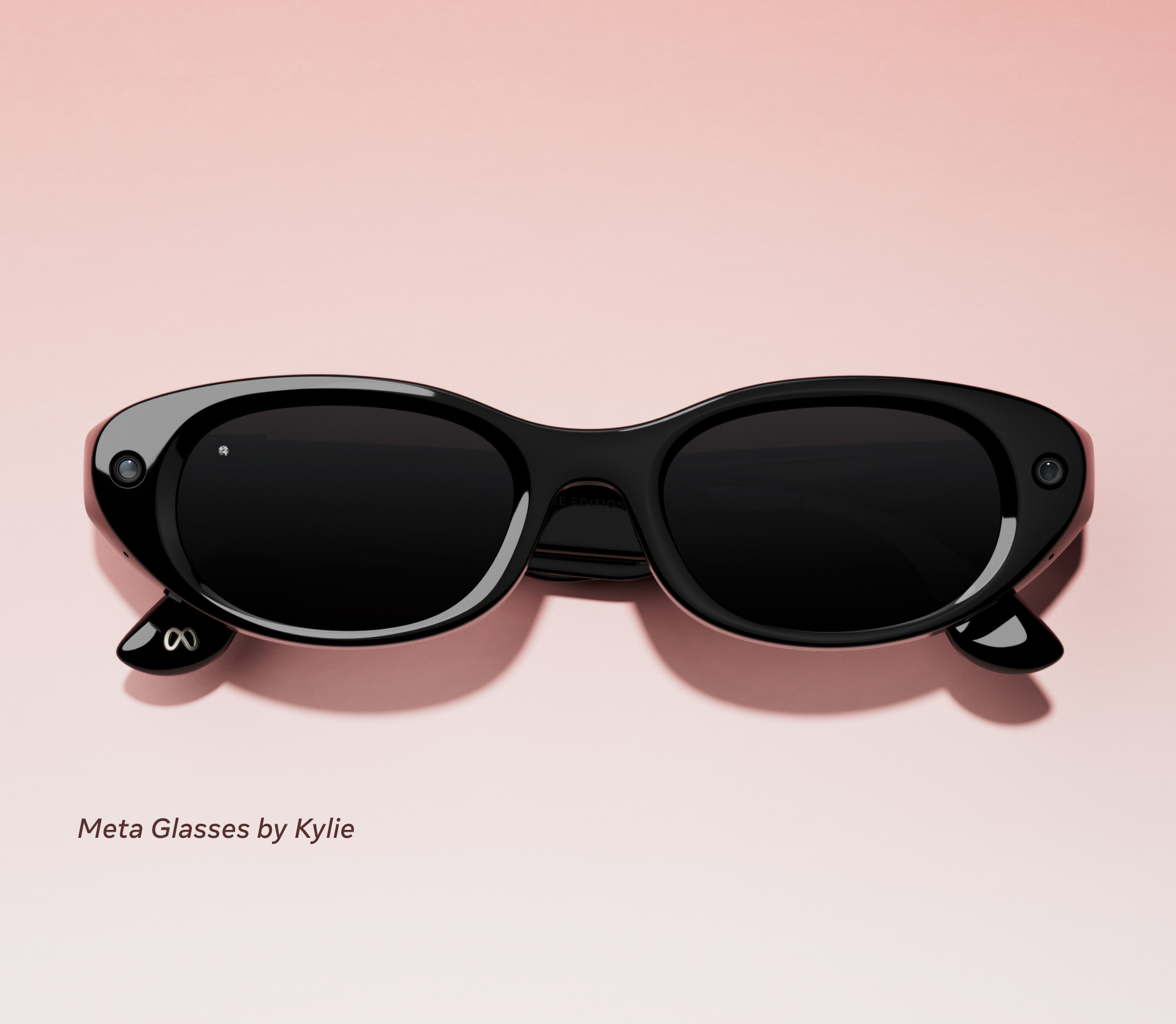
One notable change is branding. Unlike previous devices, the new glasses are not linked to popular eyewear brands such as Ray-Ban or Oakley. Instead, Meta is introducing its own design language with several new frame styles and colours. Among the options is a slim oval collection developed in collaboration with media personality Kylie Jenner. The company hopes the broader range of styles will help attract consumers who may not have been interested in earlier smart glasses. A growing market
 Meta enters the launch from a position of strength
According to data from the International Data Corporation (IDC), global smart-glasses shipments reached 9.6 million units last year. Meta accounted for approximately 76.1 per cent of those shipments. That dominance has encouraged competitors to accelerate their own wearable AI projects. Google is expanding its smart-glasses efforts, while Apple is reportedly developing future wearable products that could incorporate artificial intelligence. Meanwhile, Snap recently launched augmented reality glasses priced at $2,195, targeting a different segment of the market.
Why the lower price matters
The biggest talking point may be the price. At $299, the new Meta Glasses cost significantly less than last year's $800 Ray-Ban Display glasses. Industry analysts have long argued that price remains one of the biggest barriers preventing smart glasses from becoming mainstream. By lowering the entry cost, Meta appears to be prioritising adoption and ecosystem growth over premium positioning.
The next phase of the AI race.Artificial intelligence is increasingly moving beyond chatbots and smartphones. Technology companies are now competing to determine which device will become the primary way people interact with AI throughout the day.
Meta believes smart glasses could play that role
Whether consumers agree remains to be seen. However, with a lower price, new designs and the company's latest AI technology, Meta is making one thing clear: it sees wearable AI as one of the most important battlegrounds in the technology industry.
