
&imwidth=800&imheight=600&format=webp&quality=medium "China used OpenAI and Anthropic outputs to train military AI systems: Report")
Chinese military researchers have reportedly used outputs from leading artificial intelligence models developed by OpenAI and Anthropic to train domestic AI systems, according to a Reuters review of more than 80 Chinese academic papers and patents. The documents suggest researchers relied on a technique known as model distillation to build smaller AI models for defence and security applications.
The findings come as AI competition between the United States and China intensifies, with both countries increasingly treating advanced AI as a strategic technology.
What is model distillation?

Model distillation is a widely used AI technique in which a smaller model learns from the outputs of a much larger one. Rather than recreating frontier AI from scratch, developers use responses generated by advanced models to build systems that require far less computing power.
According to the Reuters review, researchers linked to the People's Liberation Army (PLA) and other military institutions used this approach to develop AI systems that could run within secure domestic networks. Experts note that distillation itself is a common industry practice. The dispute centres on whether American AI models were used without authorisation to transfer proprietary capabilities.
How were the models reportedly used?
Trending Stories
)
Justice eludes Air India 1985 bombing victims as Canada probe goes 'inactive' | Gravitas
)
Mumbai: Gallops restaurant at Mahalaxmi Racecourse licence suspended over food safety violations
)
Erdogan again raises Kashmir issue at UNGA, calls for dialogue under UN Charter
)
Ten days from Delhi to Washington: What Xi's BRICS-to-White-House sprint means for India
)
'Our team opened the gate of gold medals': Harmanpreet Kaur on India’s Asian Games final win
)
'Needs time away from the international scene': England white-ball captain Brook on pacer Brydon Carse's future
)
Four decades after leaving Kolkata, the Birlas may be coming back for more
)
The Verdict | Moral policing isn’t culture or discipline, it’s crime
)
Glitch in the matrix caught on camera: Woman vanishes after talking to reporter
)
Rani Mukerji's mother Krishna Mukerji passes away; Karan Johar, Jaideep Ahlawat visit actress
)
Asian Games 2026: India women's cricket team beats Sri Lanka by 147 runs for first gold
)
ICC plans T20I expansion and fewer ODIs in 2027–2031 FTP cycle: Report
)
Key accused in Bihar's Jamui molestation case, arrested after police shoot him in leg
)
'Mumma’s boy from Gwalior who dared to dream': Kartik Aaryan pens long note after first National Award win
)
Gravitas | Boosting NHS productivity could save 20,600 lives in UK annually: Report
)
US and China vie for AI dominance as calls grow for regulation | Gravitas
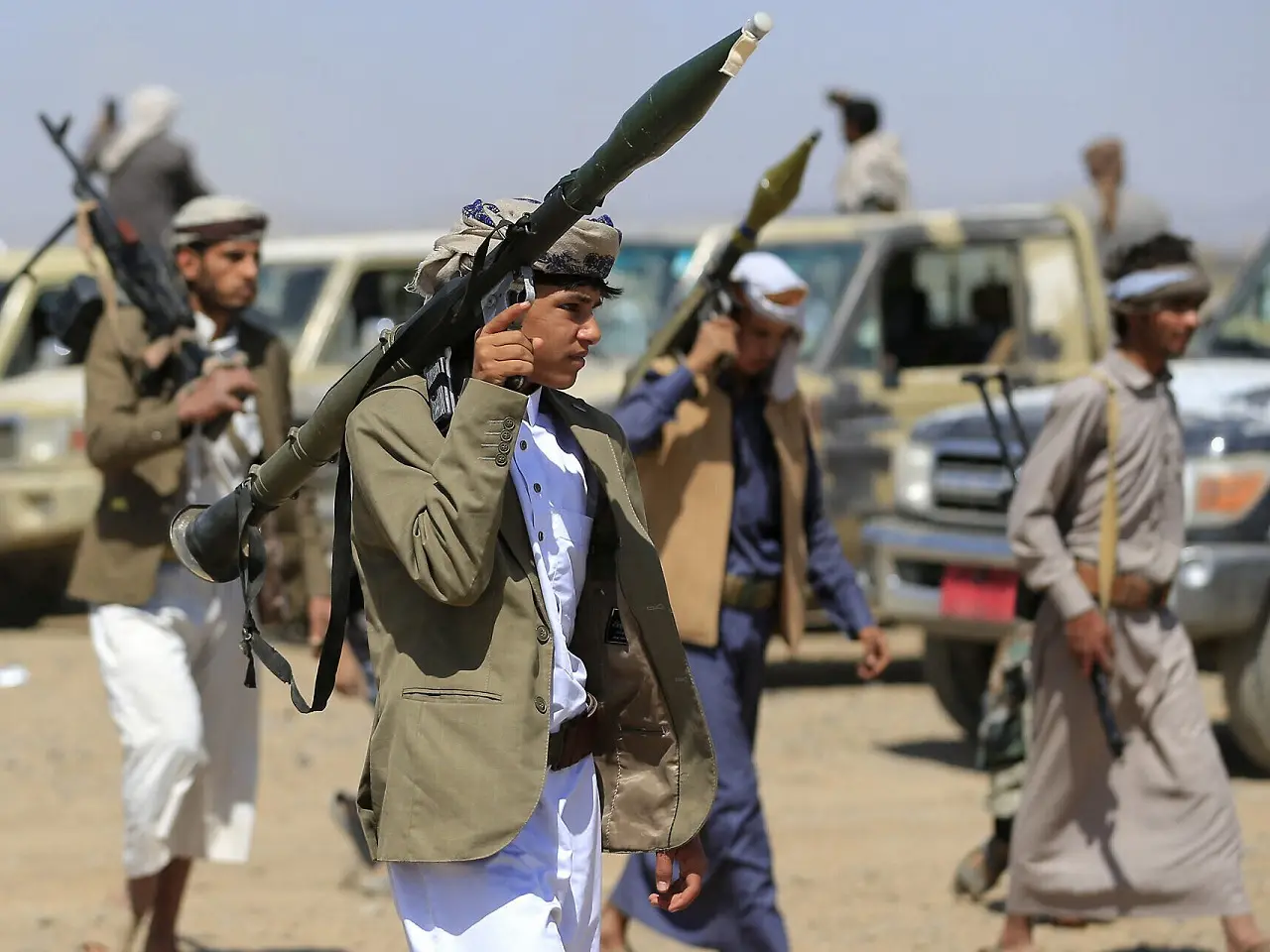)
Yemen clashes kill 154 people in two days as cornered Saudi battles Houthi offensive | Gravitas
72nd National Film Awards: Kartik Aaryan receives Best Actor honour for Chandu Champion in Gujarat
)
IND vs JPN, one-off T20I: Japan captain Kendel on pushing India to the brink - ‘It was special’
)
Raaka creates history! Allu Arjun’s film secures Guinness World Record ahead of release
)
Saudi Arabia exits China-led mBridge digital currency platform amid Saudi-Houthi conflict
)
WION Iconic Tourism Summit and Awards 2026: Key voices to discuss India’s tourism future
)
National Film Awards 2026: Yami Gautam wins Best Actress for Article 370
)
World leaders repeatedly call Gaza crisis ‘genocide’ as Israel’s war dominates opening sessions of UNGA
)
WION Iconic Tourism Summit and Iconic Awards 2026: India's travel economy leaders gather in Delhi
)
American manufacturing is reshoring faster than its factory floors can absorb
&im=FitAndFill=(700,400))
New OTT releases this week (September 21-27, 2026): Shaque: Trust No One, Hunkkaar, Don’t Be Shy- 5 new titles coming to Netflix, Prime Video and more
)
Trump calls on nations to quit ‘rogue’ and ‘out-of-control’ International Criminal Court, rips UN
)
Who is Clavicular? The 20-year-old controversial 'Looksmaxxing' influencer charged with rape allegations
)
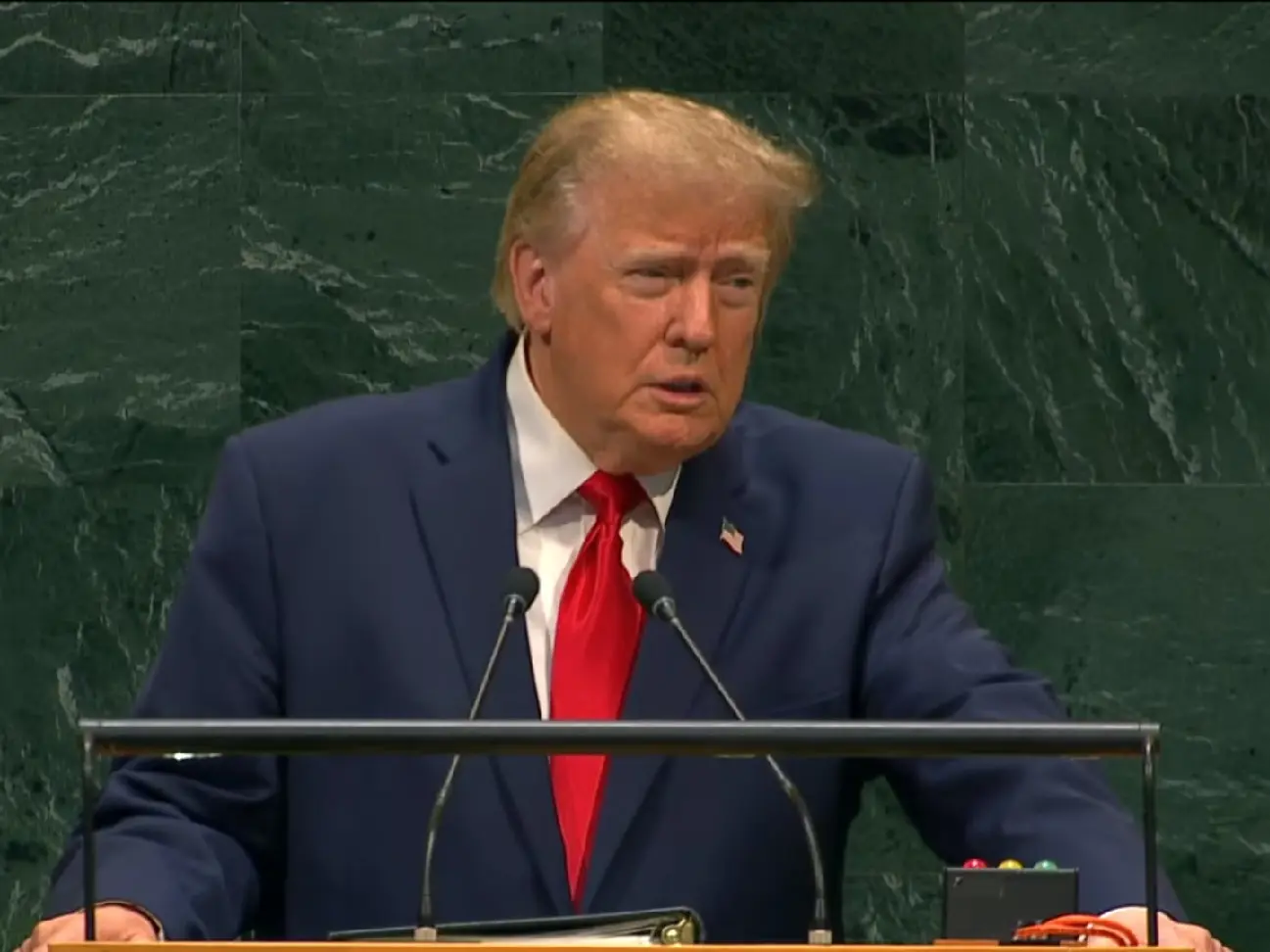
'This is normally what toddlers do': Why a psychiatrist is raising fresh questions about Trump’s recent behaviour
&im=FitAndFill=(700,400))
National Film Awards 2026: Kartik Aaryan, Mammootty, Yami Gautam, Randeep Hooda and other key winners
)
‘We are all held hostage’: Brazil’s Lula attacks Security Council inaction, Guterres calls for reform
)
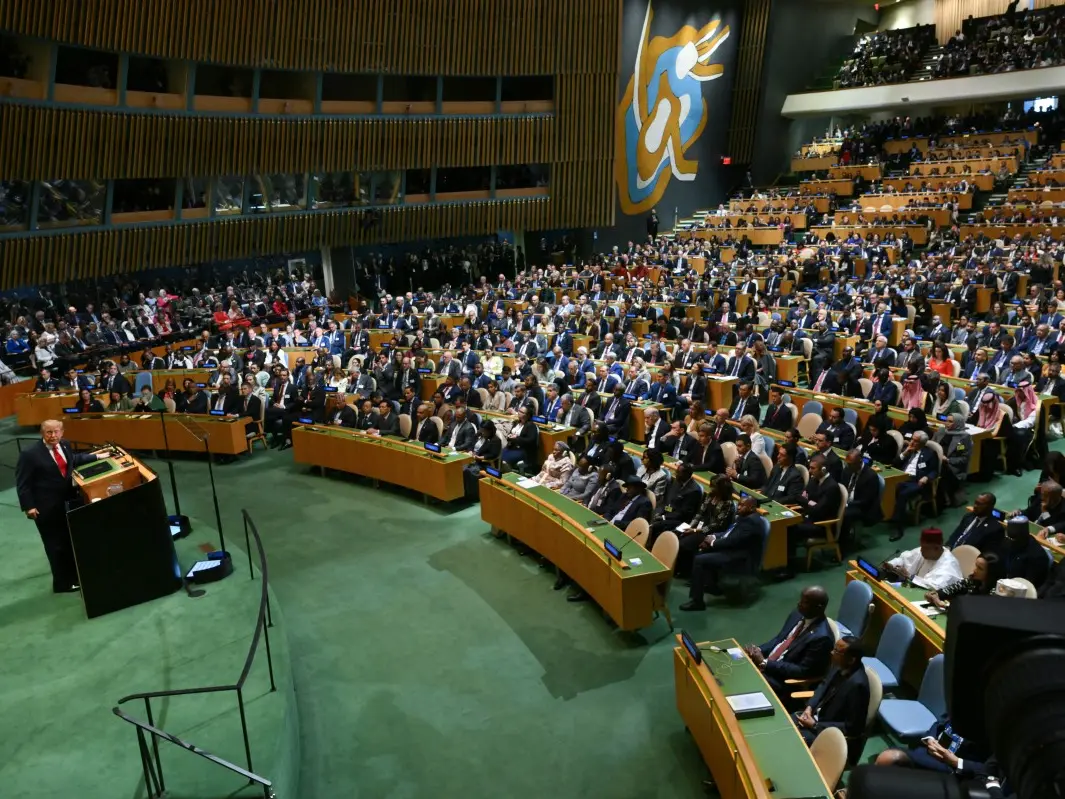
‘Strike a deal or drive Iran into hell’: Trump issues fresh warning to Tehran at UNGA
)
Trump calls Cuba a ‘failed state’ at UN, Cuban delegation walks out
)
Over 4,200 books withdrawn from circulation in J&K colleges, 94% from Kashmir
)
Trump’s China visa crackdown puts US universities, Chinese students in focus ahead of Trump- Xi summit
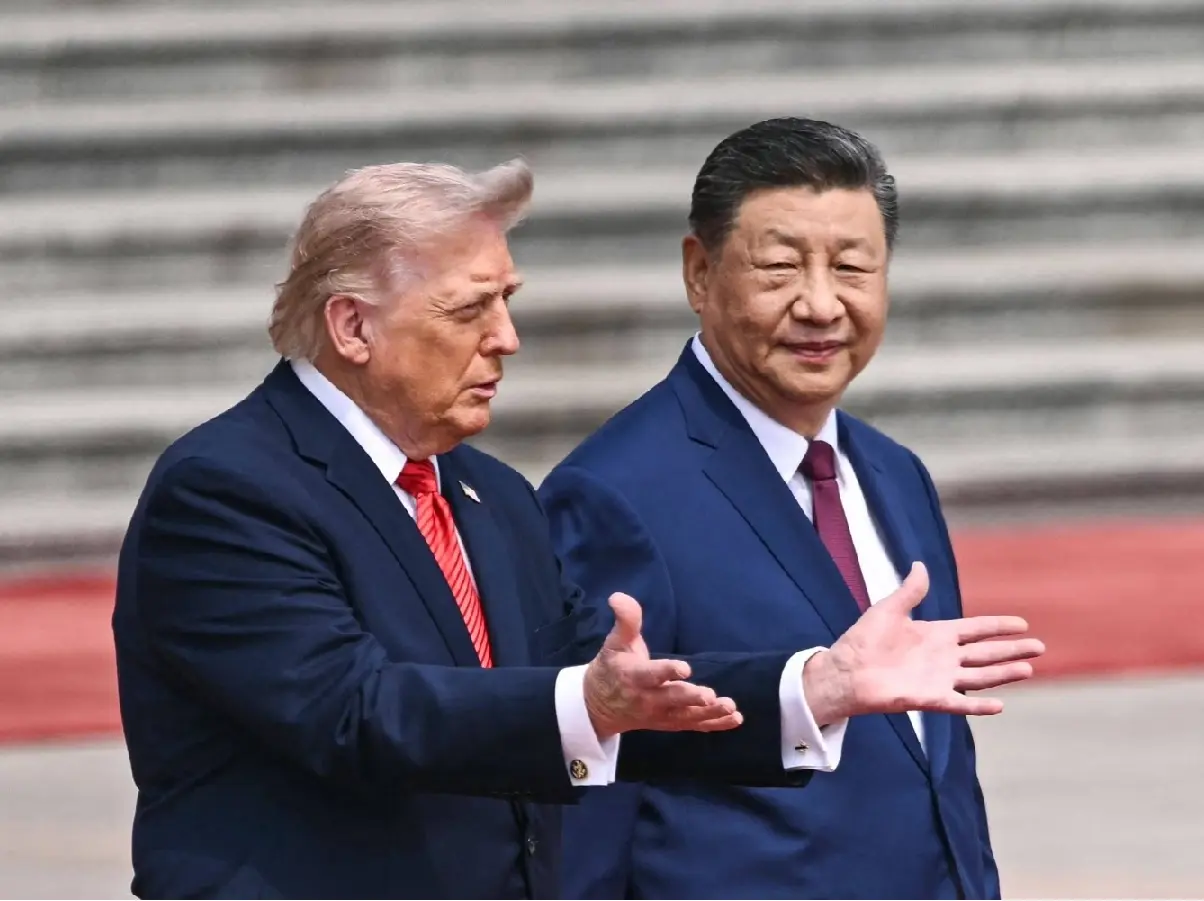)
Explainer: Why rare-earth export licences and Board of Trade are US priorities ahead of Trump-Xi summit
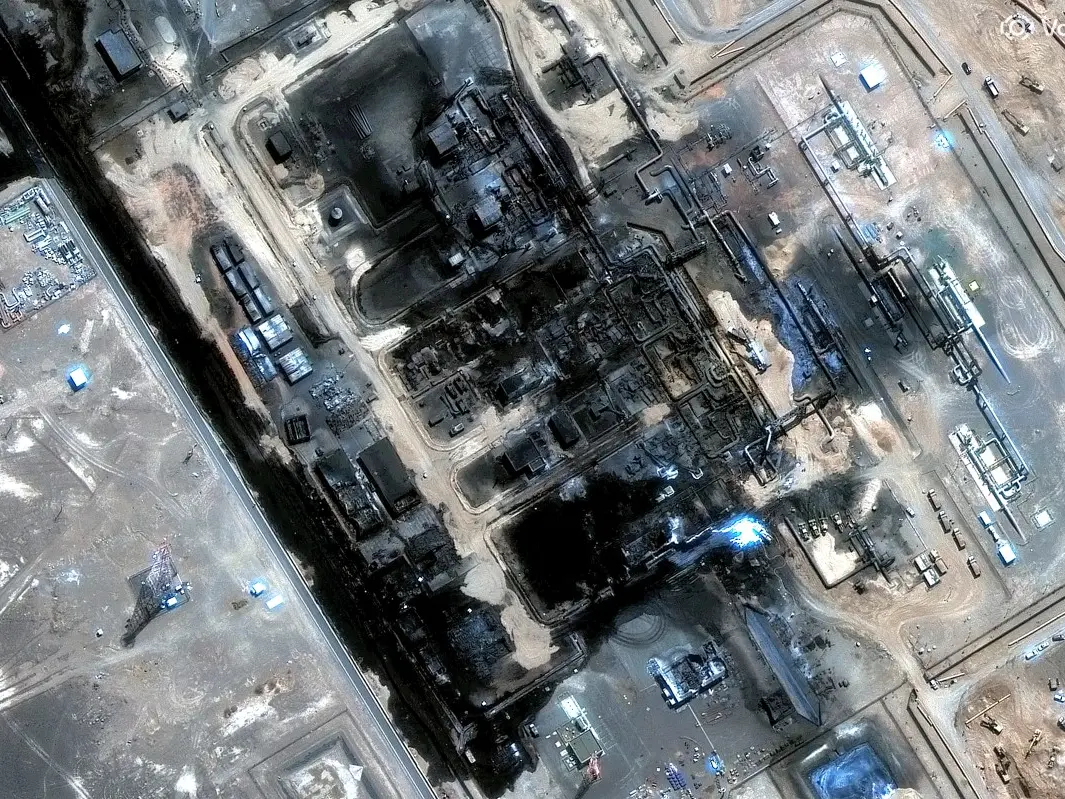)
Oil slips to $98 as Saudi Arabia restarts East-West oil pipeline
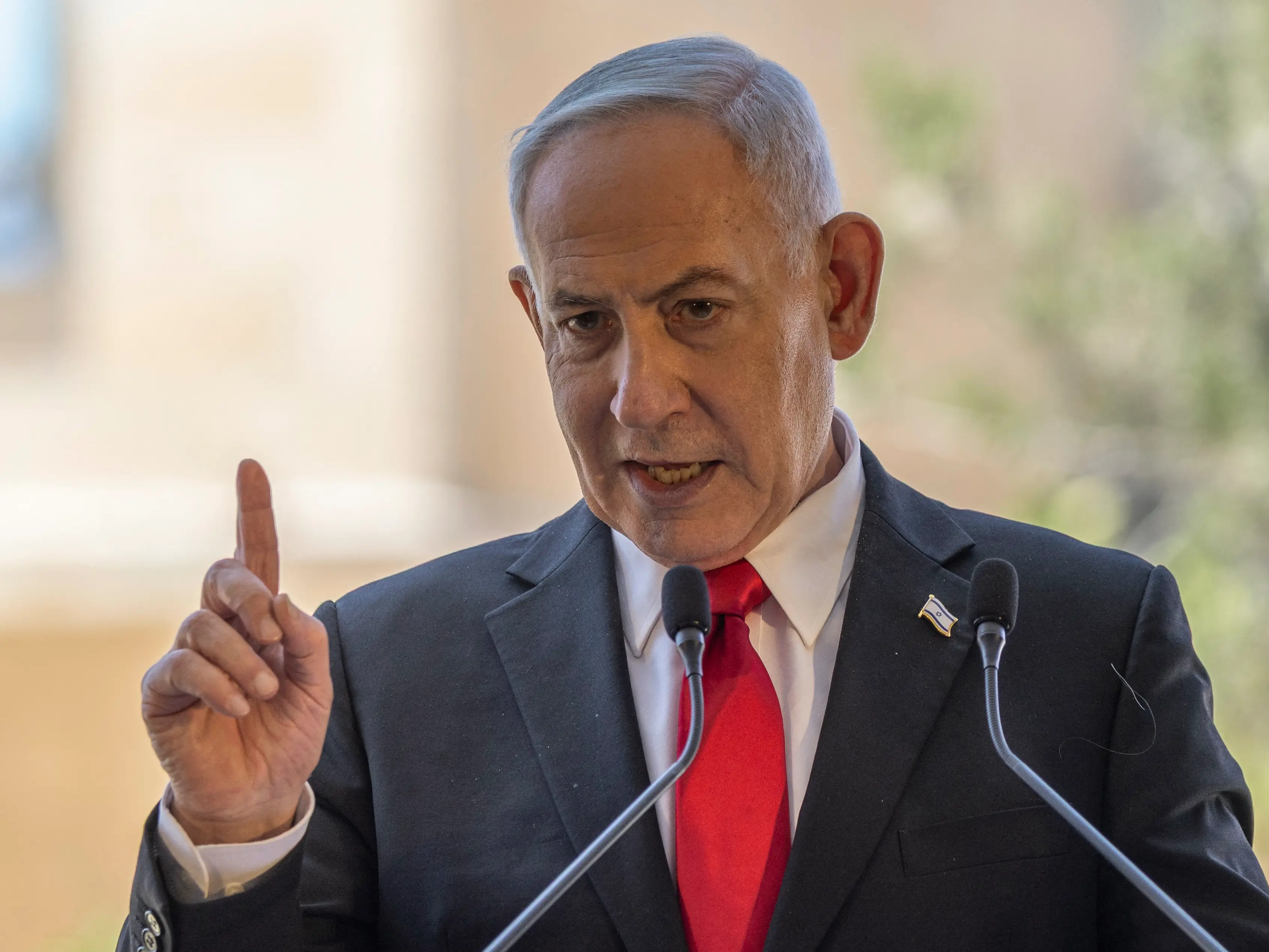)
‘Shame on you’: Netanyahu vows to ‘tell the truth’ about Mamdani at UN ahead of New York visit
The papers reviewed by Reuters describe AI applications ranging from software analysis and content monitoring to drone navigation and target recognition. One study by researchers from PLA Unit 96941 reportedly used OpenAI's GPT-3.5 to summarise sensitive military software code before training a domestic model capable of operating entirely inside Chinese military systems. Other papers described using Anthropic's Claude 3 Haiku to generate synthetic training data for content moderation, while separate research explored deploying distilled AI models on drones, ships and unmanned submarines.
The report comes ahead of expected US-China discussions on AI governance and follows growing concerns in Washington over the transfer of advanced AI capabilities. Anthropic said it does not provide commercial access to Claude in China or to Beijing-controlled entities and monitors for policy violations. Reuters reported that OpenAI, the Pentagon, China's foreign ministry and the PLA did not respond to requests for comment.
Researchers also caution that distilled models have clear limitations. They can inherit selected capabilities from larger models but cannot fully match the broad intelligence or reasoning abilities of frontier AI systems built with massive computing resources. The findings highlight how AI has become a key area of strategic competition, with nations racing not only to build powerful models but also to adapt them for defence, cybersecurity and national security applications.
