AI-designed medicines: Can algorithms replace scientists?

&imwidth=600&imheight=450&format=webp&quality=medium "AI-designed medicines: Can algorithms replace scientists?")
AI-designed medicines: Can algorithms replace scientists? Photograph: (AI)
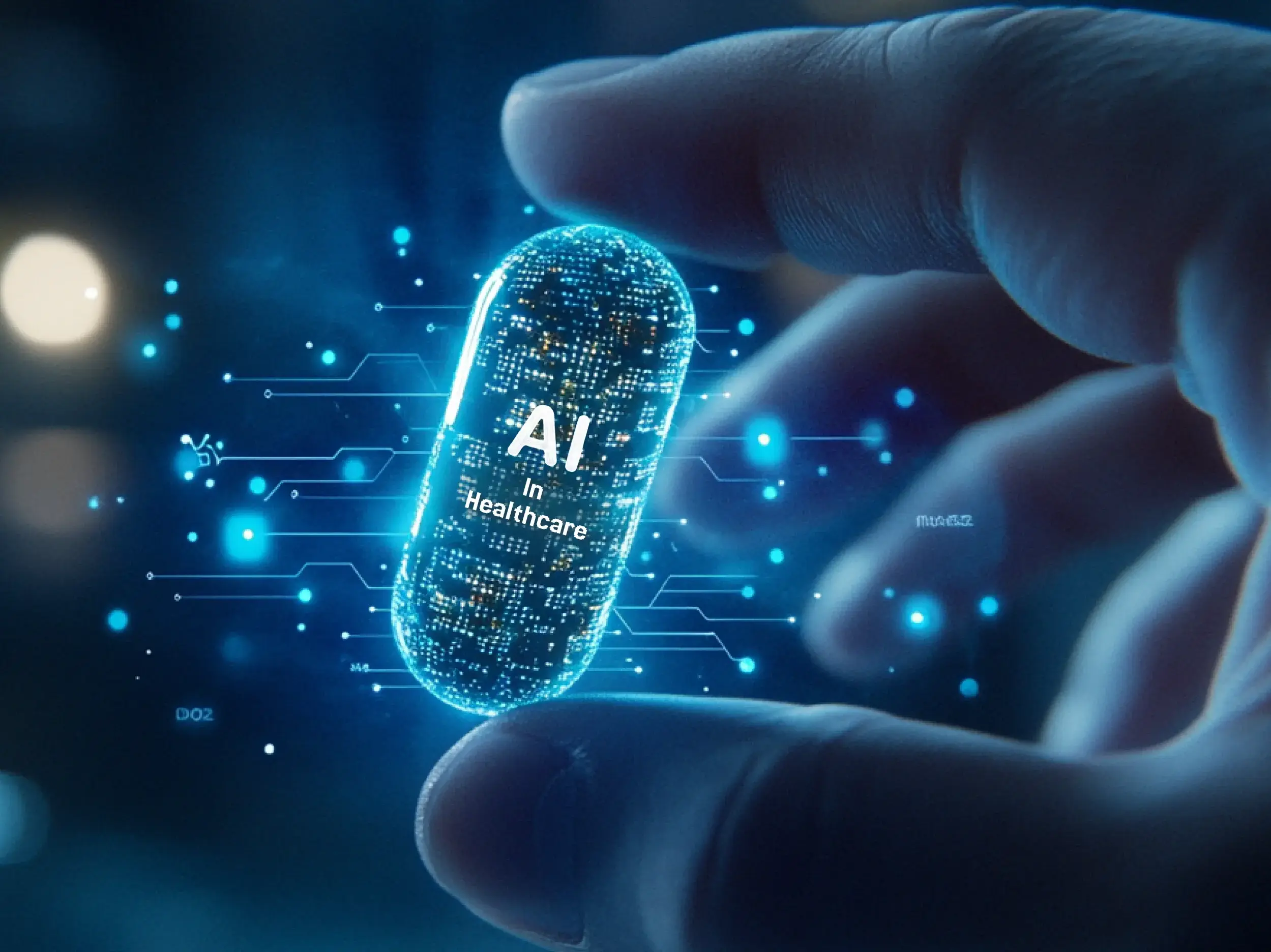
AI is speeding up drug discovery by designing new medicines faster and cheaper. It scans data, creates new molecules, and boosts success in early trials. But can it replace scientists?
The world of medicine is shifting. Artificial intelligence is helping identify potential drug molecules faster and cheaper than before. But can it fully replace the work of scientists? Experts say: No. Instead, AI can be a powerful assistant.
How AI helps design new medicines
AI scans huge datasets such as genes, proteins, and clinical trials to spot promising drug targets far more quickly than traditional methods. It can even create new molecules from scratch, a process called de novo drug design. Generative models like GANs and VAEs are already doing it.
It lets companies explore vast chemical possibilities efficiently. In fact, the AI in drug discovery market sits at around US$1.5 billion in 2023 and is expected to grow to USD 20.3 billion by 2030, expanding at nearly 30 per cent annually as per the Grand View Research
When tested, AI-designed drug candidates have shown an 80-90 per cent success rate in early (Phase I) clinical trials, much higher than usual.
For example, a new antibiotic discovered by MIT using AI showed strong effects against MRSA and other drug-resistant bacteria in animal tests.
Furthermore, a recent deal between Eli Lilly and the AI company Superluminal is worth up to US$1.3 billion to develop obesity treatments using AI tools as reported by Reuters
Scientists still play a critical role
Trending Stories
&imwidth=280&imheight=210&format=webp&quality=medium)
&imwidth=280&imheight=210&format=webp&quality=medium)
&imwidth=280&imheight=210&format=webp&quality=medium)
&imwidth=280&imheight=210&format=webp&quality=medium)
&imwidth=280&imheight=210&format=webp&quality=medium)
&imwidth=280&imheight=210&format=webp&quality=medium)
&imwidth=280&imheight=210&format=webp&quality=medium)
&imwidth=280&imheight=210&format=webp&quality=medium)
&imwidth=280&imheight=210&format=webp&quality=medium)
&imwidth=280&imheight=210&format=webp&quality=medium)
&imwidth=280&imheight=210&format=webp&quality=medium)
&imwidth=280&imheight=210&format=webp&quality=medium)
&imwidth=280&imheight=210&format=webp&quality=medium)
&imwidth=280&imheight=210&format=webp&quality=medium)
&imwidth=280&imheight=210&format=webp&quality=medium)
&imwidth=280&imheight=210&format=webp&quality=medium)
&imwidth=280&imheight=210&format=webp&quality=medium)
&imwidth=280&imheight=210&format=webp&quality=medium)
&imwidth=280&imheight=210&format=webp&quality=medium)
&imwidth=280&imheight=210&format=webp&quality=medium)
&imwidth=280&imheight=210&format=webp&quality=medium)
&imwidth=280&imheight=210&format=webp&quality=medium)
&imwidth=280&imheight=210&format=webp&quality=medium)
&im=FitAndFill=(700,400)&imwidth=280&imheight=210&format=webp&quality=medium)
&imwidth=280&imheight=210&format=webp&quality=medium)
&imwidth=280&imheight=210&format=webp&quality=medium)
&im=FitAndFill=(700,400)&imwidth=280&imheight=210&format=webp&quality=medium)
&imwidth=280&imheight=210&format=webp&quality=medium)
&imwidth=280&imheight=210&format=webp&quality=medium)
&imwidth=280&imheight=210&format=webp&quality=medium)
&imwidth=280&imheight=210&format=webp&quality=medium)
&imwidth=280&imheight=210&format=webp&quality=medium)

&imwidth=280&imheight=210&format=webp&quality=medium)
&imwidth=280&imheight=210&format=webp&quality=medium)
Despite its speed and insight, AI has limitations. It lacks the creative intuition scientists bring to understanding disease biology, forming new research questions, and steering experiments.
Ethical and safety concerns also matter AI can inherit biases from data, raise privacy issues, or misinterpret rare conditions. These need careful oversight from scientists.
What lies ahead:
The most promising path combines AI’s speed with scientists’ expertise. Companies like MIT and Alphabet’s Isomorphic Labs use AI to design molecules while labs test them under close human supervision.
