
&imwidth=800&imheight=600&format=webp&quality=medium "‘1.76 lakh job cuts in 2026’: How AI is quietly changing the jobs companies want")
AI is changing the jobs market: 1.76 lakh cuts reveal a bigger workforce shift
1.76 lakh jobs gone in 2026: AI is only part of the story
From Amazon to Microsoft: How AI is reshaping the jobs companies hire for

AI, automation and cost cuts: Why so many companies are redesigning their workforce
The AI jobs reset has begun: What 1.76 lakh layoffs reveal about the future of work
Why companies are cutting jobs even as AI hiring accelerates
Trending Stories
)
Trump-Xi Summit: Trade, Taiwan and the red lines shaping US-China talks | Race To Power
)
US citizen injured in Illinois after ICE agents mistook him for fugitive, hospitalised
)
US judge questions Trump’s decision to ban CNN, MS NOW and Politico from White House
)
Afghan woman cyclist who disguised herself as a boy to escape Taliban, wins Asian Games medal
)
Trump signs Greenland security deal with Denmark, paving way for two new US military bases
)
IIT Bombay CCTV footage emerges: Sahil Wakode seen looking at phone in examination hall
)
Cyclone Arnab: Landfall expected before midnight tomorrow as IMD issues orange alerts across six states
)
NBA player Steven Adams shares hilarious GTA VI theory
)
WION Iconic Tourism Summit 2026: Union Minister Shekhawat on 'experiential travel', peace diplomacy
)
ICC plans T20I expansion and fewer ODIs in 2027–2031 FTP cycle: Report
)
'AI got into my speech': Prince Harry jokes after teleprompter failure at event in New York
)
WION Iconic Tourism Summit: Seychelles envoy says India partnership is important for Seychelles
)
Scientists detect first radio signals directly from faraway planet
)
China to test supersonic jet that moves at Mach 2, double the speed of sound
)
WION Iconic Tourism Summit: 'Hanuman Ansh' Director on blockbuster success
)
Open AI, Anthropic CEO urges caution over rapid AI development at UN Security Council, call for 'extreme care'
)
Bomb scare in New York amid UNGA: Suspicious suitcase found near UN headquarters
)
Hours before Xi-Trump meeting, US announces visa curbs targeting birth tourism: What is it?
)
'Partners rather than rivals': Xi Jinping's first message after landing in US for Trump summit
)
WION Iconic Tourism Summit: Is India's travel boom outrunning its airports, airlines and hotels?
)
WION Iconic Tourism Summit and Awards 2026: Key voices to discuss India’s tourism future
)
Trump-Xi state dinner 2026: Who is invited? Full guest list of tech CEOs, business leaders and officials
)
Govt slashes duty on edible oils to curb price rise ahead of festive season
)
American manufacturing is reshoring faster than its factory floors can absorb
&im=FitAndFill=(700,400))
New OTT releases this week (September 21-27, 2026): Shaque: Trust No One, Hunkkaar, Don’t Be Shy- 5 new titles coming to Netflix, Prime Video and more
)
WATCH | China President Xi Jinping lands in US as Trump greets him ahead of high-stakes summit
)
Australian PM Anthony Albanese calls OpenAI AI incident 'unacceptable' after restricted data access
)
'What kind of confession is this?': Pakistan PM Shehbaz Sharif’s 'terrorists would be roaming New York' remark goes viral, raises alarm online. Watch
)
WION Iconic Tourism Summit: How local tourism MSMEs must upskill for AI integration
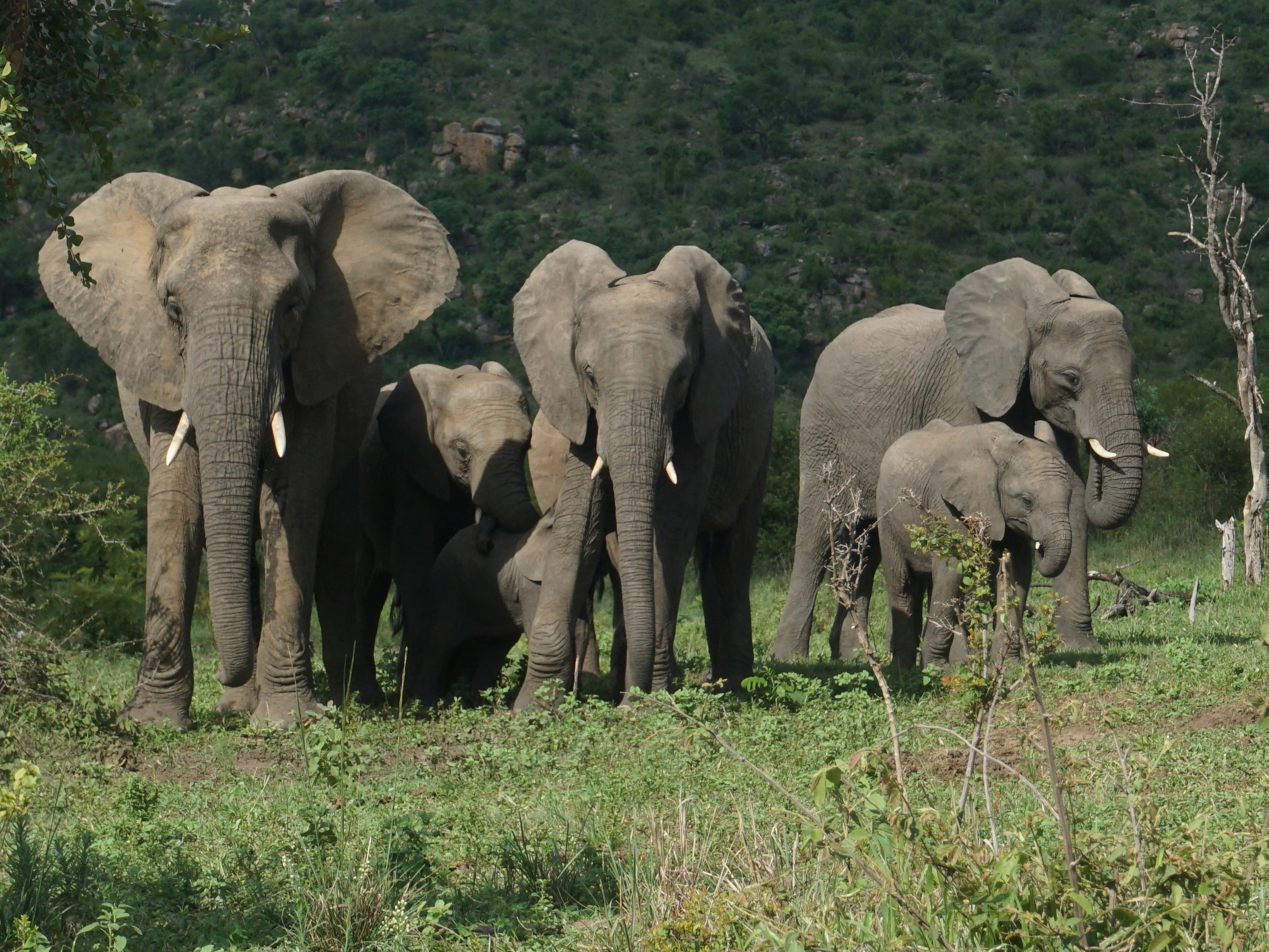)
Elephants hide behind trees, stage surprise attack on poachers targeting rhinos in South Africa
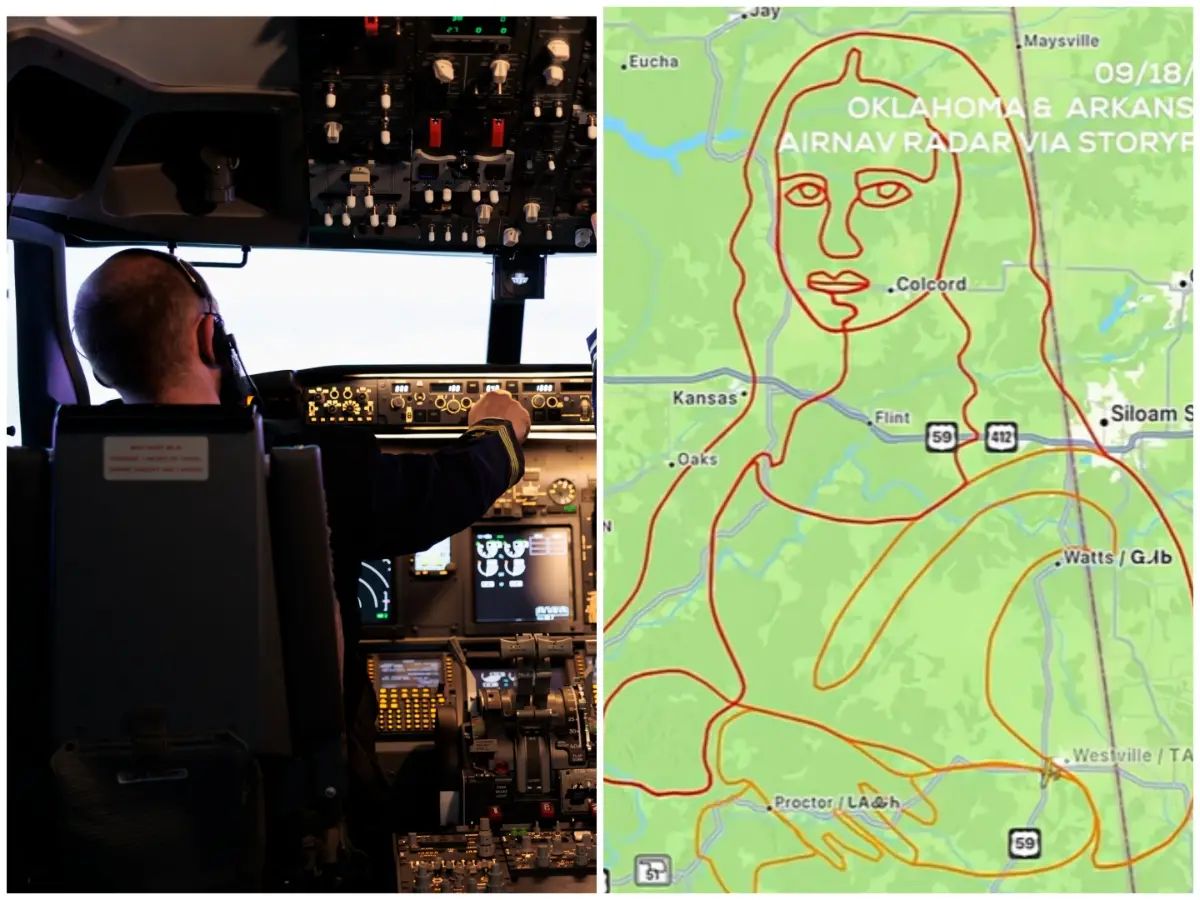)
Pilot recreates Mona Lisa in sky over Oklahoma and Arkansas in four-hour flight: VIDEO
)
'Putin is patient zero': Zelensky slams Russian president at UNGA, accuses him of using fighters from 47 countries
&im=FitAndFill=(700,400))
National Film Awards 2026: Kartik Aaryan, Mammootty, Yami Gautam, Randeep Hooda and other key winners
)
El Niño 2026 heats up to become strongest in 1,000 years
)
Israeli envoy to US Yechiel Leiter’s son critically injured in West Bank ramming attack
&im=FitAndFill=(700,400))
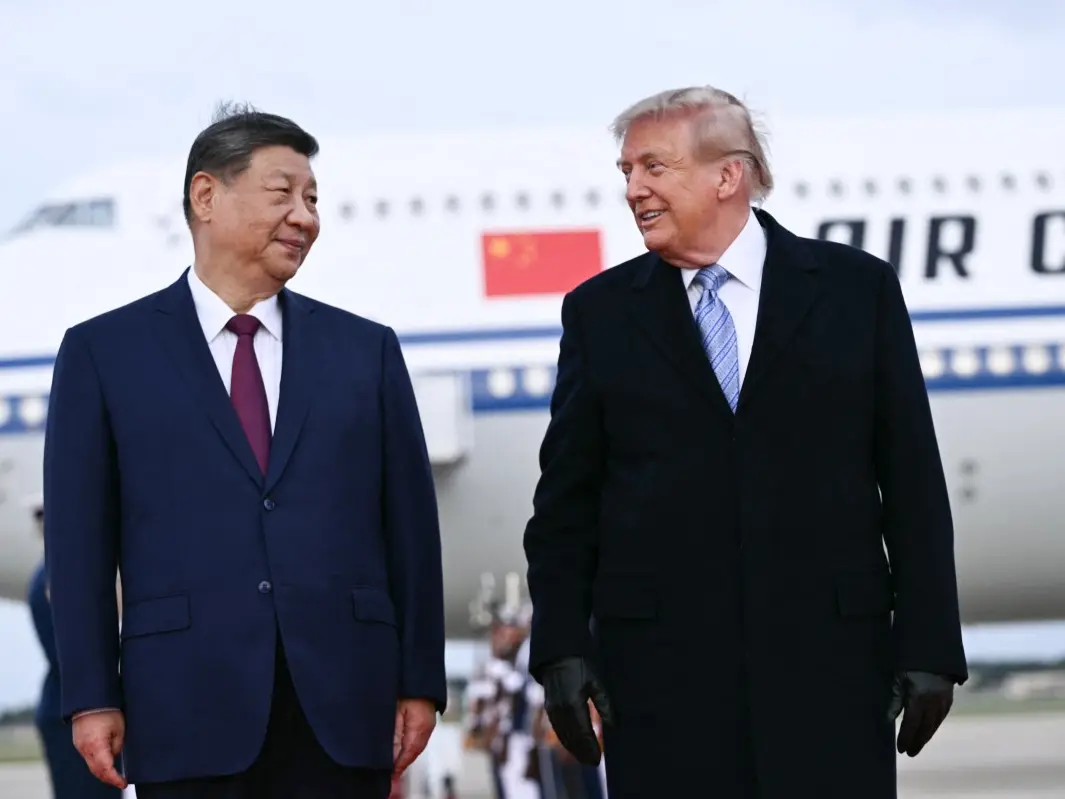
Trump welcomes Xi Jinping in rare airport gesture: Photos from Chinese President's arrival in US
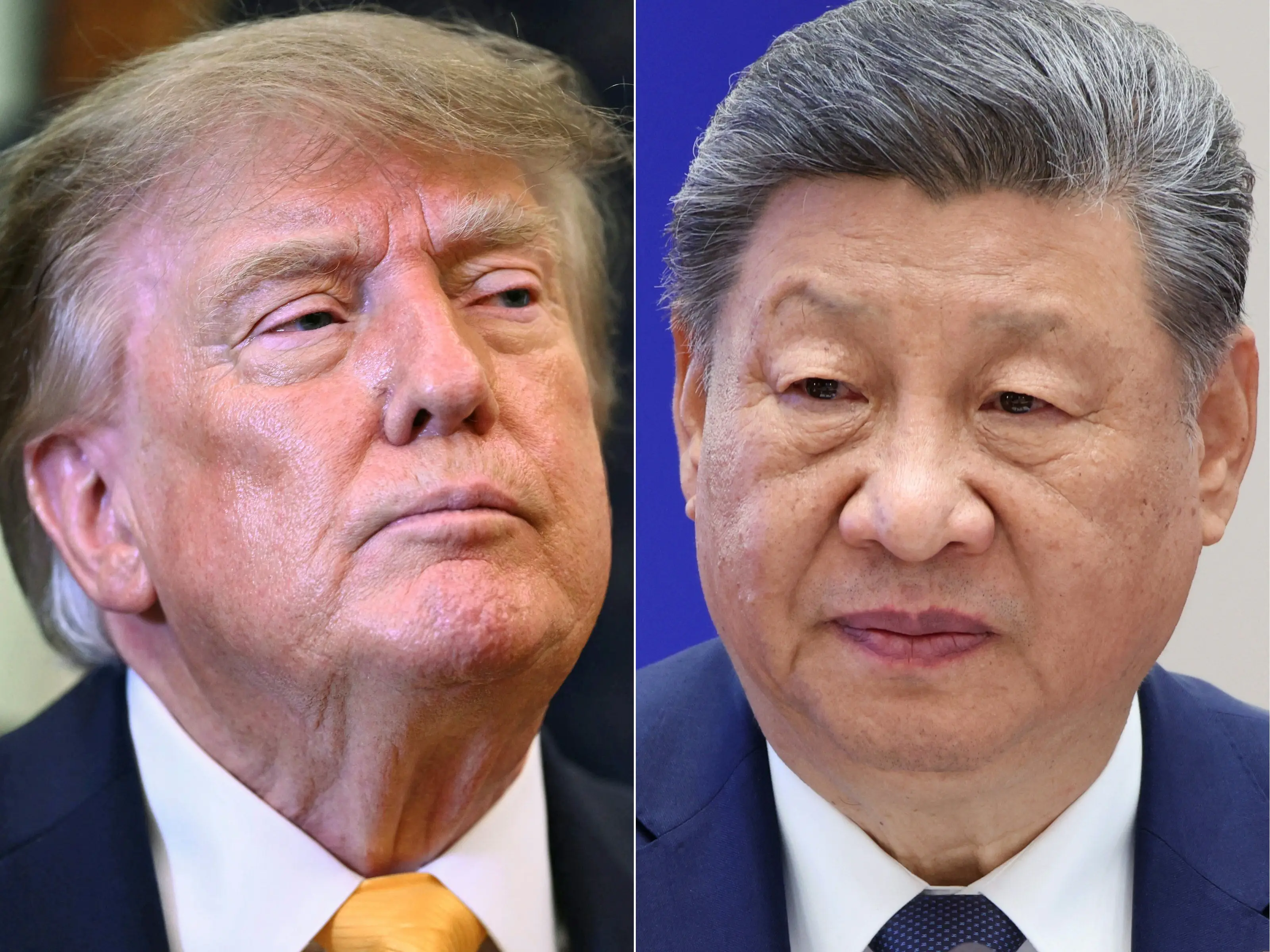)
Xi-Trump meeting: China’s human rights red line and past protests explained
AI is not the only reason for 1.76 lakh job cuts here’s what is really changing
Amazon, Meta, Microsoft and others are cutting jobs. Is AI changing work forever?
The 2026 layoff wave is bigger than AI: Here’s what is driving the workforce reset
1.76 lakh job cuts and counting: How companies are rebuilding around AI
1.76 lakh job cuts in 2026: How AI is quietly changing the jobs companies want
The global jobs market is undergoing a major reset in 2026. Companies across technology, finance, retail, media, gaming and automobiles have announced large workforce reductions, with a calculation based on disclosed figures in the source material putting the number at around 1.76 lakh job cuts so far.
But the bigger story is not simply the number of layoffs. Artificial intelligence (AI), automation, cost pressures and changing business models are forcing companies to rethink what their workforce should look like. Some are cutting roles while simultaneously increasing investment in AI and hiring for specialised skills.
AI is becoming part of the workforce reset
Technology companies are among the biggest examples. Atlassian announced around 1,600 job cuts while saying the move would help fund investment in AI and enterprise sales. Intuit announced around 3,000 cuts, or 17 per cent of its global workforce, as it streamlined operations and focused on areas including AI. That does not mean AI is directly replacing every employee who loses a job. Companies are also responding to high costs, weaker demand, post-pandemic over-hiring, organisational restructuring and changing consumer behaviour. Uber, for example, has focused on reducing management layers rather than directly blaming AI for its workforce reduction.
The AI story is spreading beyond Silicon Valley
The workforce reset is no longer limited to software companies. Volkswagen has planned another 50,000 workforce reduction as part of its transformation programme, while Porsche has agreed to additional cuts and Jaguar Land Rover has announced plans to reduce around 4,000 jobs over two years. The automotive industry is dealing with high costs, excess capacity, changing demand, tariffs and growing competition from Chinese electric vehicle makers.
Gaming is also being reshaped.
Microsoft announced around 4,800 job cuts in July, including major changes to Xbox. Another 268 affected Xbox roles were announced in September.
What does this mean for workers?
The emerging pattern is important: companies can cut jobs in one department while aggressively investing in another. That means the future of work may not simply be about AI replacing humans. It could be about companies redesigning jobs around AI, automation and smaller organisational structures.
The source's list includes major workforce reductions at Amazon, Dell, Oracle, Meta, Cisco, PayPal, Microsoft, Apple, Uber and others. However, the calculated 1.76 lakh figure includes only disclosed numerical figures and excludes percentage-based and undisclosed cuts, so it should not be treated as the total number of people laid off globally in 2026.
For workers, that makes adaptable skills increasingly important
Understanding AI tools, data, technology and specialised business functions could become more valuable as companies redirect spending towards areas they see as strategically important. At the same time, maintaining a portfolio, professional network and an additional marketable skill could provide greater career flexibility. The biggest change may therefore not be the disappearance of work. It may be the disappearance of some types of work and the rapid creation of new expectations around the jobs that remain.
