
&imwidth=800&imheight=600&format=webp&quality=medium "India skipper Suryakumar to face ICC hearing for 'standing up with Pahalgam victims' comment on Pak's complaint")
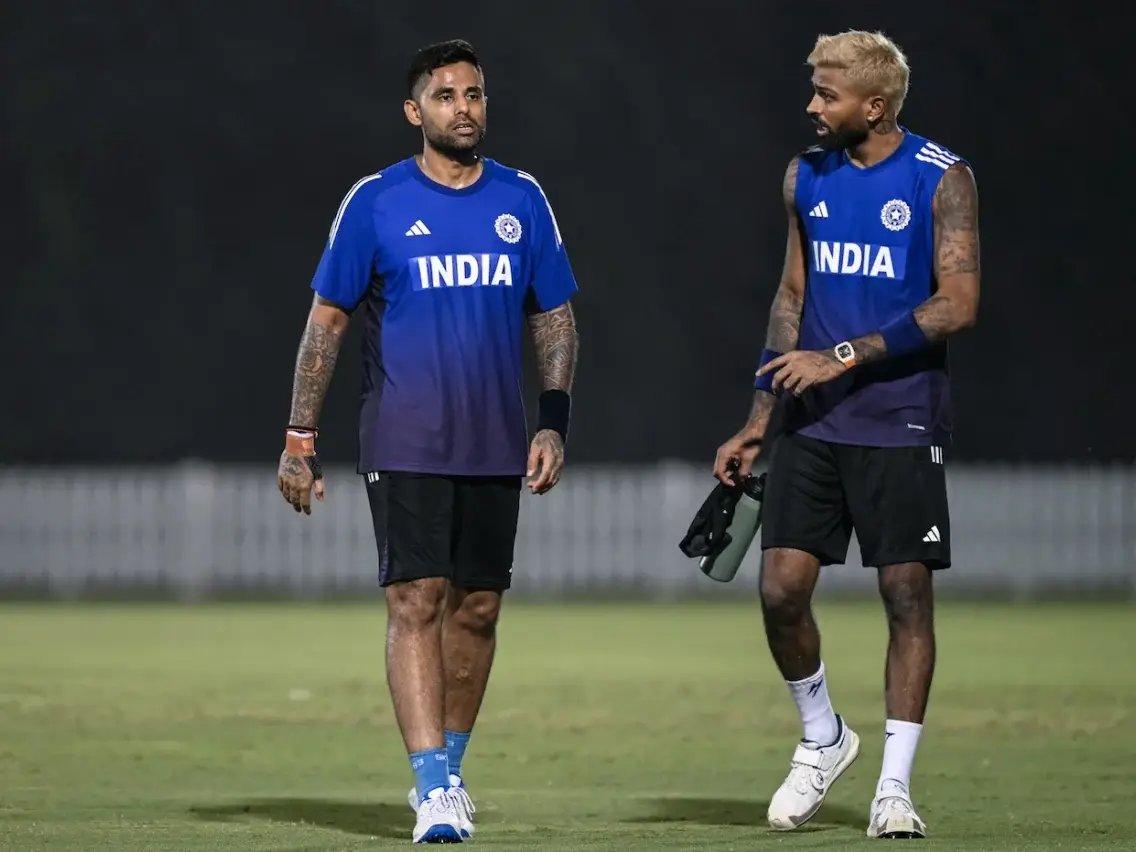
The controversies in two India vs Pakistan matches in the ongoing Asia Cup 2025 has reached the door steps of the International Cricket Council (ICC). The apex body administrators will be hearing the matter on the complaints filed by the two cricket bodies regarding gestures and comments made during the matches. The PCB, after India filed a complaint against Pak cricketers Haris Rauf and Sahibzada Farhan for provocative gestures, filed a protest against India skipper Suryakumar Yadav for his post-match comments after India vs Pakistan group stage match.
Can Surya be fined by ICC for Pahalgam comments
The ICC has listed the complaint by the PCB to be heard by match referee Richie Richardson as reported by the cricket news website Cricbuzz. The complaint involved Surya's comment after the first match against Pakistan in the tournament where he defended himself and the team not shaking hands with the Pakistan players after the match. At the presentation just after the match, he also had dedicated win to the Pahalgam terror attack victims and expressed solidarity with the Indian armed forces.

Surya was asked about handshake snub sprit of the game to which he had again cited solidarity with victims of Pahalgam terror attacks and Indian armed forces and said "some things are bigger than spirit of the game." The PCB had said in the complaint that the comments were 'political' which is not allowed as per the ICC laws.
What is ICC's rule on political or personal comments by players
Trending Stories
)
Trump-Xi Summit: Trade, Taiwan and the red lines shaping US-China talks | Race To Power
)
US judge questions Trump’s decision to ban CNN, MS NOW and Politico from White House
)
Afghan woman cyclist who disguised herself as a boy to escape Taliban, wins Asian Games medal
)
Trump signs Greenland security deal with Denmark, paving way for two new US military bases
)
IND vs JPN T20I: How an overturned wide became point of difference between India's win and a tie
)
IIT Bombay CCTV footage emerges: Sahil Wakode seen looking at phone in examination hall
)
Cyclone Arnab: Landfall expected before midnight tomorrow as IMD issues orange alerts across six states
)
NBA player Steven Adams shares hilarious GTA VI theory
)
TMC revives impeachment push against CEC Gyanesh Kumar after report of internal dissent
)
WION Iconic Tourism Summit 2026: Union Minister Shekhawat on 'experiential travel', peace diplomacy
)
ICC plans T20I expansion and fewer ODIs in 2027–2031 FTP cycle: Report
)
'AI got into my speech': Prince Harry jokes after teleprompter failure at event in New York
)
WION Iconic Tourism Summit: Seychelles envoy says India partnership is important for Seychelles
)
Scientists detect first radio signals directly from faraway planet
)
China to test supersonic jet that moves at Mach 2, double the speed of sound
)
WION Iconic Tourism Summit: 'Hanuman Ansh' Director on blockbuster success
)
Open AI, Anthropic CEO urges caution over rapid AI development at UN Security Council, call for 'extreme care'
)
Bomb scare in New York amid UNGA: Suspicious suitcase found near UN headquarters
)
Hours before Xi-Trump meeting, US announces visa curbs targeting birth tourism: What is it?
)
WION Iconic Tourism Summit: Is India's travel boom outrunning its airports, airlines and hotels?
)
WION Iconic Tourism Summit and Awards 2026: Key voices to discuss India’s tourism future
)
Trump-Xi state dinner 2026: Who is invited? Full guest list of tech CEOs, business leaders and officials
)
American manufacturing is reshoring faster than its factory floors can absorb
&im=FitAndFill=(700,400))
New OTT releases this week (September 21-27, 2026): Shaque: Trust No One, Hunkkaar, Don’t Be Shy- 5 new titles coming to Netflix, Prime Video and more
)
WATCH | China President Xi Jinping lands in US as Trump greets him ahead of high-stakes summit
)
Australian PM Anthony Albanese calls OpenAI AI incident 'unacceptable' after restricted data access
)
'What kind of confession is this?': Pakistan PM Shehbaz Sharif’s 'terrorists would be roaming New York' remark goes viral, raises alarm online. Watch
)
WION Iconic Tourism Summit: How local tourism MSMEs must upskill for AI integration
)
Elephants hide behind trees, stage surprise attack on poachers targeting rhinos in South Africa
)
'Putin is patient zero': Zelensky slams Russian president at UNGA, accuses him of using fighters from 47 countries
&im=FitAndFill=(700,400))
National Film Awards 2026: Kartik Aaryan, Mammootty, Yami Gautam, Randeep Hooda and other key winners
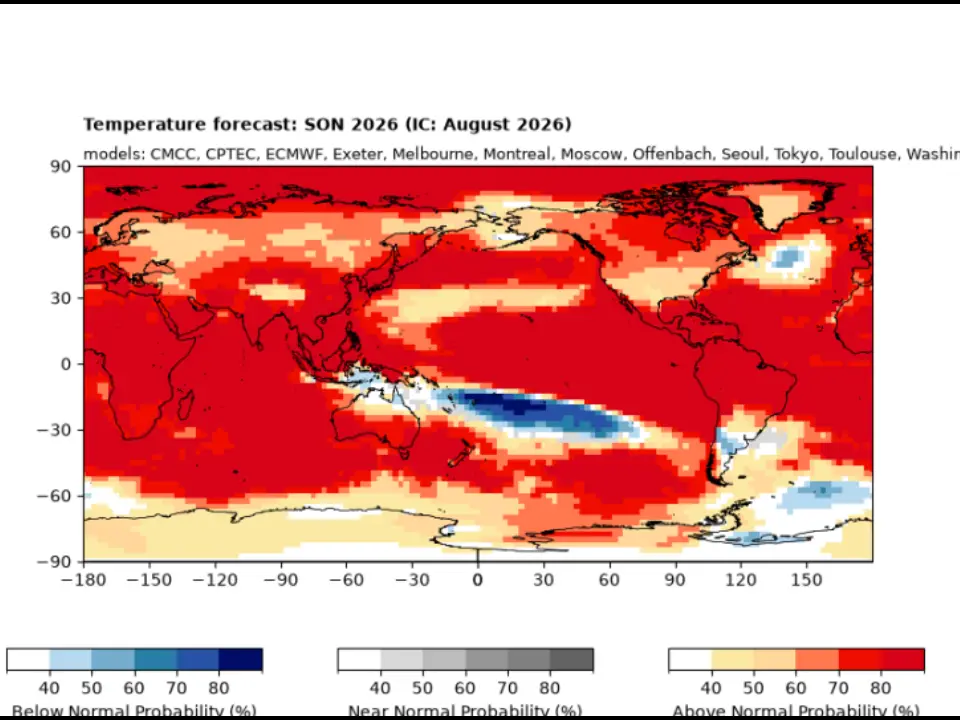)
El Niño 2026 heats up to become strongest in 1,000 years
)
Israeli envoy to US Yechiel Leiter’s son critically injured in West Bank ramming attack
&im=FitAndFill=(700,400))
Trump welcomes Xi Jinping in rare airport gesture: Photos from Chinese President's arrival in US
)
Anne Hathaway to run in supporting race for Nolan's epic
)
Xi-Trump meeting: China’s human rights red line and past protests explained
The ICC rules bars players displaying personal message using clothing or gear unless approved in advance by both the players and the teams (or cricket boards) and ICC itself. The permission can't be given for messages pertaining to political, religious or racial in nature. To determine if a message was political in nature, ICC works on case by case basis with following rules:
- the views of any other relevant team or individual;
- the likely sentiment and response in the media to the message in all relevant countries;
- whether the message is a ‘one-off’ or whether it is to be displayed for a longer period;
- the purpose and impact of conveying the message. By way of example only, and without limitation, where the purpose of a message appears to be commemorative in nature (e.g. the use of a black armband or a poppy) or to serve a charitable purpose (e.g. to generate funds or awareness for a non-political charitable cause), it is more likely to be permitted; where a message appears to indicate support for a particular government, political party or individual, it is more likely to be prohibited.

