The Tactless Tour: Strategic missteps and selection blunders cost India top T20I ranking

&imwidth=600&imheight=450&format=webp&quality=medium "The Tactless Tour: Strategic missteps and selection blunders cost India top T20I ranking")
Tactless Tour Strategic missteps, selection blunders cost India top T20I spot Photograph: (AFP)
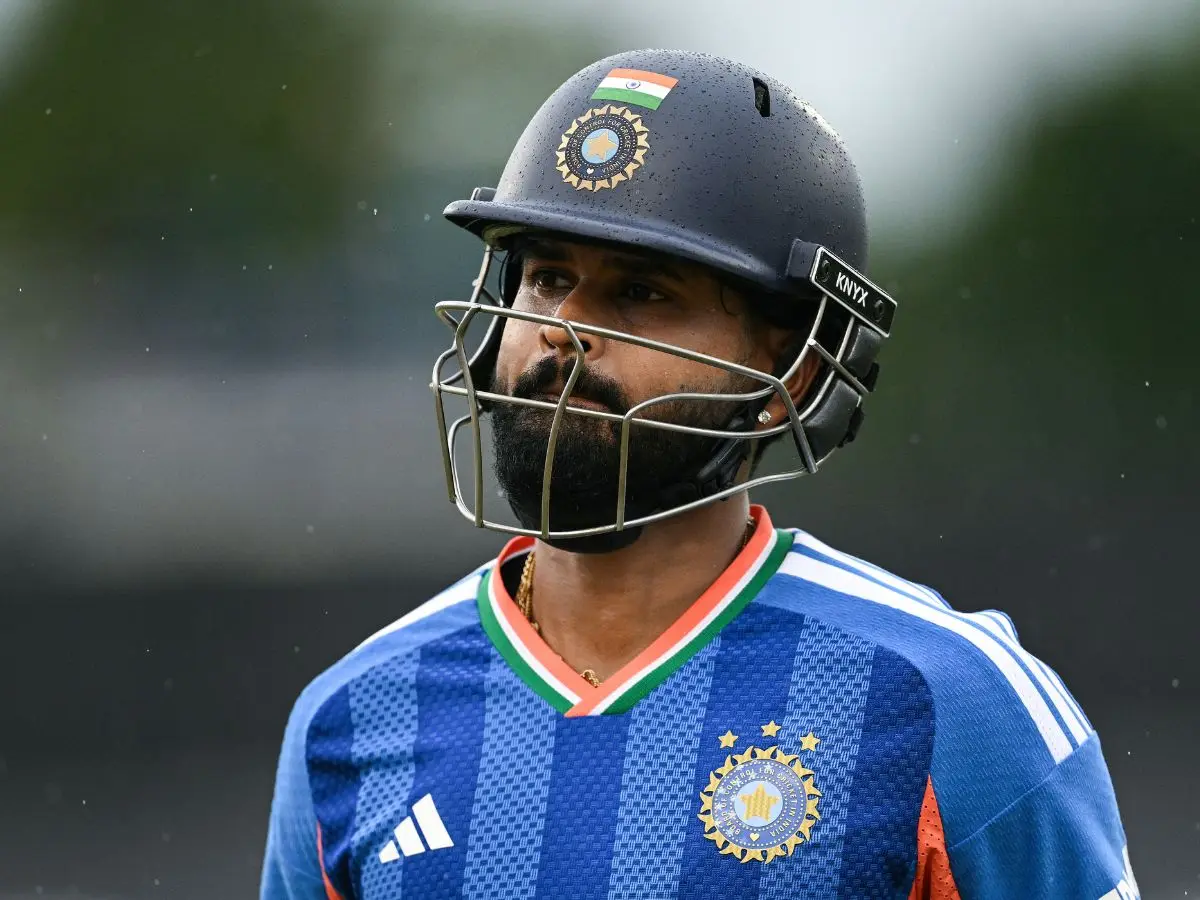
Shreyas Iyer's stint as India's T20I captain got off to a turbulent start during a disastrous UK tour, marked by a shocking series loss to Ireland, a 0-4 sweep by England, and muddled team selections.
Great captains aren’t those who win the most matches but those who make better decisions which change the course of the game. Captains like MS Dhoni, Suryakumar Yadav and even Rohit Sharma are known for that, and the newly appointed T20I skipper Shreyas Iyer would like to follow the same path. That, however, seems to be taking its time. Although his record as IPL captain reflects his captaincy credentials, Iyer’s shocking start to his India captaincy career puts him on the other side of the conversation, and team selection for most of the games on the UK tour compounded his misery.
The team selection remained the biggest talking point of India’s horrendous T20I leg of the UK tour. Not only did they concede the two-match series to Ireland in a shocking result, but India also failed to put England under pressure and lost the five-match series. Be it the selection conundrum at the top or picking the right players at the death, the lack of clarity was exposed as India also surrendered its T20I ranking to England.
The Opening Conundrum: Samson vs Sooryavanshi
India started with Sanju Samson and Abhishek Sharma in the first three T20Is, only to drop the keeper-batter after that and bring in uncapped teen sensation Vaibhav Sooryavanshi. Experts called it brave to bench Sanju for Sooryavanshi, with fans ruing the decision to sideline Samson. All would still have made sense had the management and the captain backed the attacking left-hander in all remaining games. But that did not happen, as Vaibhav was left out of the playing XI for the final T20I, with Samson replacing him.
Like Samson, who failed in the first three innings, Sooryavanshi struggled to make an impact, with 15 being his best score. Several experts even recommended playing both in the last two games by dropping under-fire Tilak Varma, which would have added firepower at the top. However, the management played only one of the two, with Samson failing to convert his start in the final game, which India lost by 59 runs, conceding the first T20I series to England.
Trending Stories
)
&im=FitAndFill=(700,400))
&im=FitAndFill=(700,400))
)
)
)
)
)
)
)
)
)
&im=FitAndFill=(700,400))
)
&im=FitAndFill=(700,400))
)
)
)
&im=FitAndFill=(700,400))
&im=FitAndFill=(700,400))
&im=FitAndFill=(700,400))
&im=FitAndFill=(700,400))
)
)
)
)
)
&im=FitAndFill=(700,400))
)
)
Lack of Clarity Hurts India
Neither Samson nor Sooryavanshi felt at ease on the trip, with the selection axe hovering over both. Moreover, barring Abhishek and Iyer, India’s top performers with the bat, none of the batters took the onus.
Another selection that restricted India’s free flow was Tilak Varma’s, which became the biggest talking point. Although Shivam Dube’s late blitz did help India post totals in a few matches, frequent changes in his batting position didn’t help India’s cause.
Bowlers Lacked Zeal
With no Jasprit Bumrah around, Arshdeep Singh led the pace attack, but it lacked zeal throughout the series. Injuries and inconsistency hurt India more, as bowlers never looked like picking up 10 wickets in an innings.
Varun Chakravarthy and Harshit Rana suffered injuries midway through the series, and the captain lost trust in Ravi Bishnoi following his second T20I debacle.
All such decisions left Iyer with no choice but to stick with Axar Patel and Washington Sundar among the spinners and newbies like Prince Yadav. Prasidh Krishna and Arshdeep ran the whole show, but it was never enough.
