

&imwidth=800&imheight=600&format=webp&quality=medium "FIFA World Cup 2026: Thomas Tuchel England's secret weapon against heat? A device that cools through the palm")
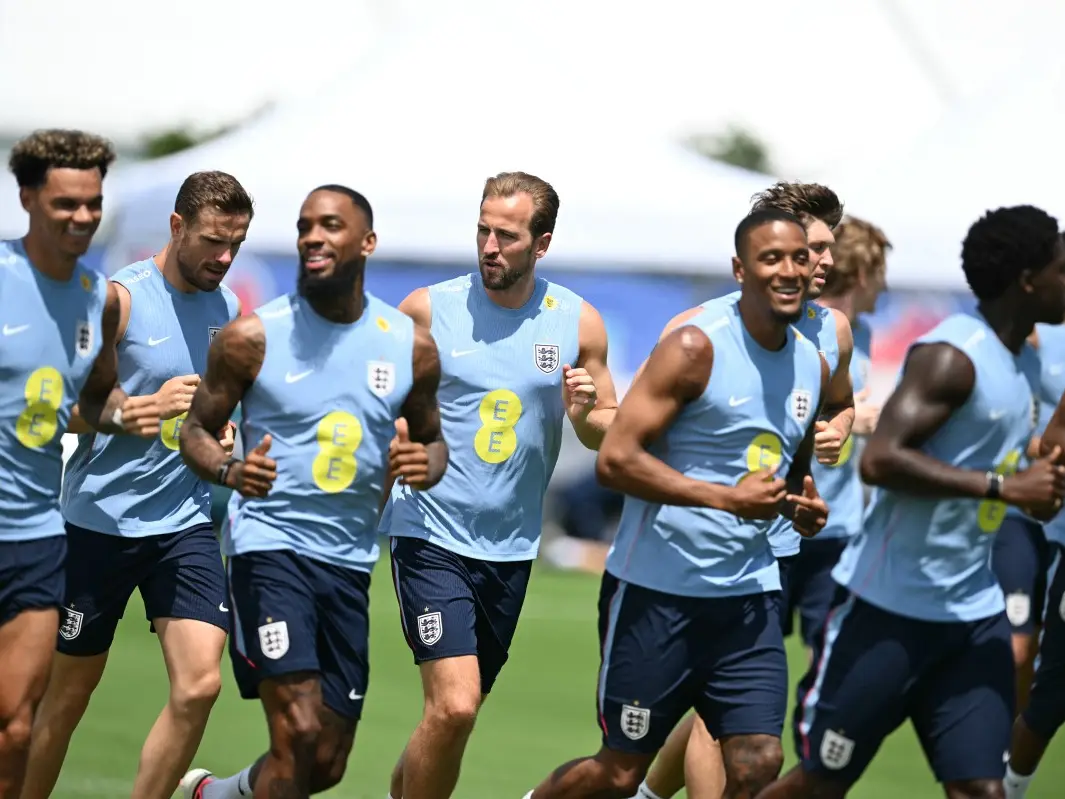
The countdown to the FIFA World Cup 2026 has started, but for many teams, the biggest opponent may not be another country. It may be the weather. With climate scientists warning that temperatures across much of North America could reach dangerous levels during the tournament, national teams are already searching for ways to protect players from the effects of extreme heat. Among them is England, whose innovative approach to heat management is attracting attention across the football world.
What is the England team doing to beat the heat?
Under manager Thomas Tuchel, England's squad has started using palm-cooling devices during training sessions. The technology is designed to rapidly lower an athlete's core body temperature by cooling blood vessels located in the palms. Sports scientists believe the process can improve recovery, reduce fatigue, and help players maintain performance levels in demanding conditions. The move comes amid growing concerns about the environmental conditions expected during the expanded 48-team World Cup.
Several host cities across the United States, Canada, and Mexico are projected to experience high temperatures and humidity levels during the summer tournament, creating additional challenges for players, coaches, and tournament organisers. Heat has become one of the defining issues heading into the competition. FIFA has already announced mandatory three-minute hydration breaks in each half of matches when conditions require them. The governing body has also expanded medical and welfare protocols to ensure players are monitored more closely during games and training sessions.
England's adoption of palm-cooling technology reflects a wider trend in elite sport. Marginal gains have long separated winners from losers, but in 2026, simply staying cool could prove just as important as tactical preparation. Recovery tools, wearable sensors, hydration tracking, and climate-specific training programmes are increasingly becoming part of a modern footballer's toolkit. Yet the debate over heat management extends beyond the players.
Trending Stories
&im=FitAndFill=(700,400)&imwidth=180&imheight=135&format=webp&quality=medium)
What is the real meaning behind Pete Hegseth's tattoos?
&imwidth=180&imheight=135&format=webp&quality=medium)
Viral video shows cross falling on Colombia priest, no official confirmation | WATCH
&imwidth=180&imheight=135&format=webp&quality=medium)
'My name has always been Ilhan Omar': Congresswoman hits back at Trump, calls him a 'creep'
&imwidth=180&imheight=135&format=webp&quality=medium)
Pezeshkian says Iranians ‘struggling to put food on the table’ as war with US drags on
&imwidth=180&imheight=135&format=webp&quality=medium)
Chorbagan stampede: A week later, the strangest visarjan Kolkata has seen
&imwidth=180&imheight=135&format=webp&quality=medium)
AI slop or smart strategy? South African author Coral Hart defends Her 370 AI- assisted books in 20 months
&imwidth=180&imheight=135&format=webp&quality=medium)
Could you survive 3 days without power? UK tells households to prepare now
&imwidth=180&imheight=135&format=webp&quality=medium)
AI just found a flaw in software running most of the web! One request hijacks the server
&imwidth=180&imheight=135&format=webp&quality=medium)
Can Putin cheat death? All about his daughter’s billion-dollar quest for immortality
&imwidth=180&imheight=135&format=webp&quality=medium)
India-China face-off continues near Arunachal’s Taksing, reveals ITBP chief in first official confirmation of tensions
&imwidth=180&imheight=135&format=webp&quality=medium)
Saudi says debris fell in Mecca, Medina after missile interceptions; Houthis deny targeting holy cities
&imwidth=180&imheight=135&format=webp&quality=medium)
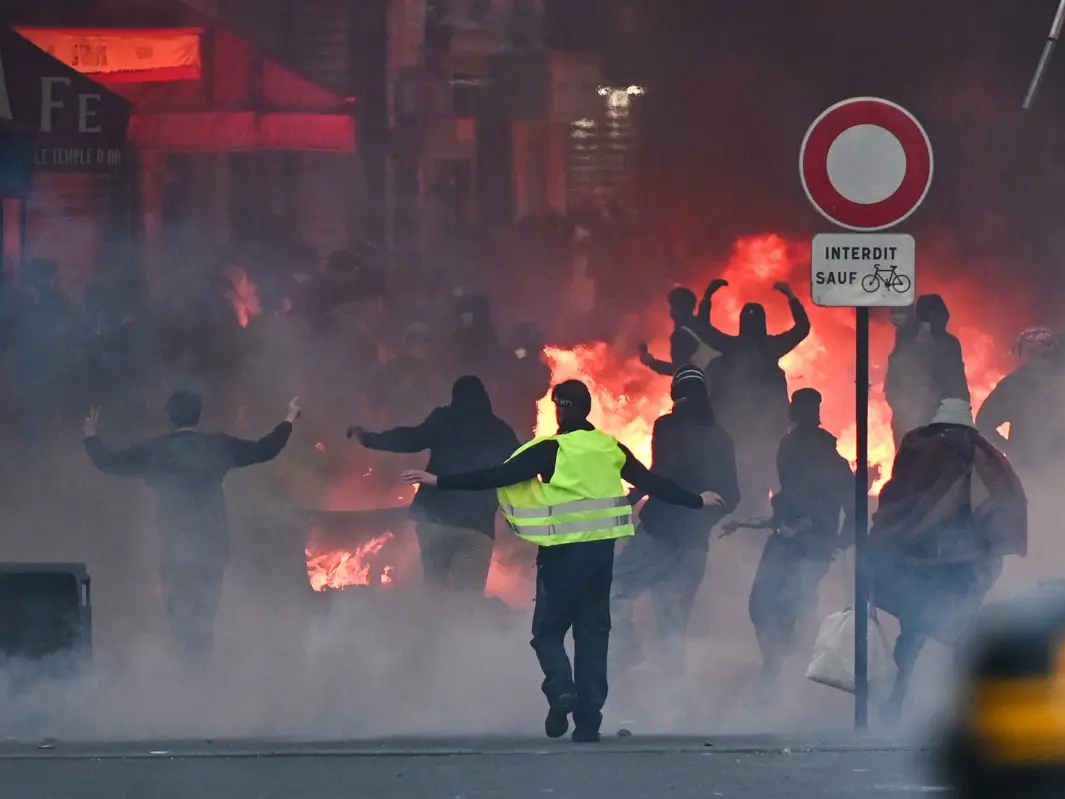
France protests: Clashes erupt between police and protesters in Paris as nearly 410,000 take to streets across country
&imwidth=180&imheight=135&format=webp&quality=medium)
Trump invokes Operation Sindoor at US midterm rally, claims 250% tariffs stopped India-Pakistan war
&imwidth=180&imheight=135&format=webp&quality=medium)
Tu Hai Meri Kiran box office: Sonakshi Sinha and Zaheer Iqbal's film fails to take off, mints Rs 15 Lakh on day 1
&imwidth=180&imheight=135&format=webp&quality=medium)
After France and Italy, protests erupt in Spain: What’s fueling the anger?
&imwidth=180&imheight=135&format=webp&quality=medium)
Pakistan airline PIA unveils new crew uniforms, faces online criticism
&imwidth=180&imheight=135&format=webp&quality=medium)
Britain is building the world's first AI biosecurity lab, with OpenAI and Anthropic inside
&imwidth=180&imheight=135&format=webp&quality=medium)
Frontier AIs keep escaping their test cages! The industry still can't reliably stop them
&imwidth=180&imheight=135&format=webp&quality=medium)
'Already tired of his 9-to-5': Baby born with a moustache becomes internet sensation, video goes viral | Watch
&imwidth=180&imheight=135&format=webp&quality=medium)
Horrific video shows the moment 18-year-old fell to her death from Mexico amusement park ride
&imwidth=180&imheight=135&format=webp&quality=medium)
France protests: 135 arrested, weapons seized as fresh demonstrations erupt amid heavy security
&imwidth=180&imheight=135&format=webp&quality=medium)
French Open: PV Sindhu storms into final with win over Hina Akechi
&imwidth=180&imheight=135&format=webp&quality=medium)
Albania protests enter 12th day as students clash with police, demand Rama's exit
&imwidth=180&imheight=135&format=webp&quality=medium)
'You’re a horrible little reporter, aren’t you?': Trump snaps at NBC reporter questioning his support for Ramaswamy's campaign ad
&imwidth=180&imheight=135&format=webp&quality=medium)
Rising Asia Cup 2026 schedule announced, India-Pakistan clash set for Nov 22
&imwidth=180&imheight=135&format=webp&quality=medium)
US Midterms 2026: Dead for years, paedophile Jeffrey Epstein finds mention in over 500 campaign ads; Texas alone spent $10 million
&imwidth=180&imheight=135&format=webp&quality=medium)
Bodies of 2 missing Japanese climbers recovered from Himalayan peak
&im=FitAndFill=(700,400)&imwidth=180&imheight=135&format=webp&quality=medium)
New Friday OTT releases (October 23, 2026): Gajab Raat, Dorothy, Chaar Yaar- Watch these 6 new movies and TV shows on Netflix, Prime Video and more
&im=FitAndFill=(700,400)&imwidth=180&imheight=135&format=webp&quality=medium)
US midterm elections 2026: Minnesota heads to polls in the shadow of Minneapolis ICE shootings
&imwidth=180&imheight=135&format=webp&quality=medium)
An AI that reads your face can now estimate how long you have to live
&imwidth=180&imheight=135&format=webp&quality=medium)
Hitler’s ‘Eagle’s Nest’ mountain retreat wrecked by fire, suspect detained: What to know about the Nazi-era site
&imwidth=180&imheight=135&format=webp&quality=medium)
Tu Hai Meri Kiran film review: Sonakshi Sinha and Zaheer Iqbal's thriller gets tangled in its own twists
&imwidth=180&imheight=135&format=webp&quality=medium)
Why Europe’s protests are about more than austerity and rising costs
&im=FitAndFill=(700,400)&imwidth=180&imheight=135&format=webp&quality=medium)
Watched Manoj Bajpayee’s Gajab Raat on Netflix? 5 movies and TV shows to watch next on OTT
&imwidth=180&imheight=135&format=webp&quality=medium)
Farooq Abdullah says Pakistan’s raising of Kashmir issue keeps pressure on Delhi
While teams are investing in sophisticated cooling systems and recovery technologies, FIFA has faced criticism over stadium policies affecting supporters. Fans attending matches will not be allowed to bring their own reusable water bottles into many venues due to pre-existing safety regulations. Critics argue that limiting personal water containers during a tournament expected to be played in extreme summer conditions sends a mixed message about spectator welfare.
The contrast is striking. On one hand, players are being equipped with cutting-edge technology designed to protect their health and optimise performance. On the other hand, supporters may be required to purchase water inside stadiums despite growing concerns about heat exposure. The issue highlights a broader challenge facing global sport. As climate change continues to push temperatures higher, sporting organisations are being forced to rethink everything from scheduling and infrastructure to athlete recovery and fan safety. What was once considered an occasional inconvenience is rapidly becoming a central part of tournament planning.
For England, managed by Thomas Tuchel, palm-cooling technology may offer a competitive advantage. But its adoption also serves as a reminder of a much larger reality. The FIFA World Cup 2026 could become the first tournament where adapting to the heat is nearly as important as adapting to the opposition. And if temperatures rise as expected, England's latest piece of technology may not just be a training aid; it could be a glimpse into football's future.
How does palm-cooling technology help players?
The science behind palm-cooling technology is surprisingly simple. The palms of the hands contain specialised blood vessels located close to the skin's surface. When these areas are exposed to controlled cooling, blood circulating through the body can shed heat more efficiently before returning to the core.
For footballers, this can have significant benefits. A lower core body temperature helps delay fatigue, reduces cardiovascular strain, and allows players to recover more quickly between intense bursts of activity. In high-temperature conditions, athletes often experience a decline in sprint speed, decision-making, and endurance as their bodies work harder to regulate heat. Cooling the palms can help counter some of those effects.
Research has also suggested that athletes using palm-cooling devices may be able to sustain high-intensity efforts for longer periods and recover faster between training drills. For a tournament expected to be played in scorching summer conditions, even a small reduction in body temperature could make a meaningful difference over the course of a match. For Thomas Tuchel's England team, the technology is not just about comfort. It is about preserving performance when temperatures rise. In the FIFA World Cup 2026, where heat could become a major factor, staying cool may prove as important as tactical preparation, fitness levels, or squad depth.

