CWC 2025, semifinal qualification scenarios: Here's what is needed for India, New Zealand to reach last-four

&imwidth=600&imheight=450&format=webp&quality=medium "CWC 2025, semifinal qualification scenarios: Here's what is needed for India, New Zealand to reach last-four")
CWC 2025, semifinal qualification scenarios: Here's what is needed for India, New Zealand to reach last-four Photograph: (AFP)
Before the Australia vs England clash), India are fourth in the standings with four points from four matches. Like India, New Zealand also have a similar record of four points from four matches.
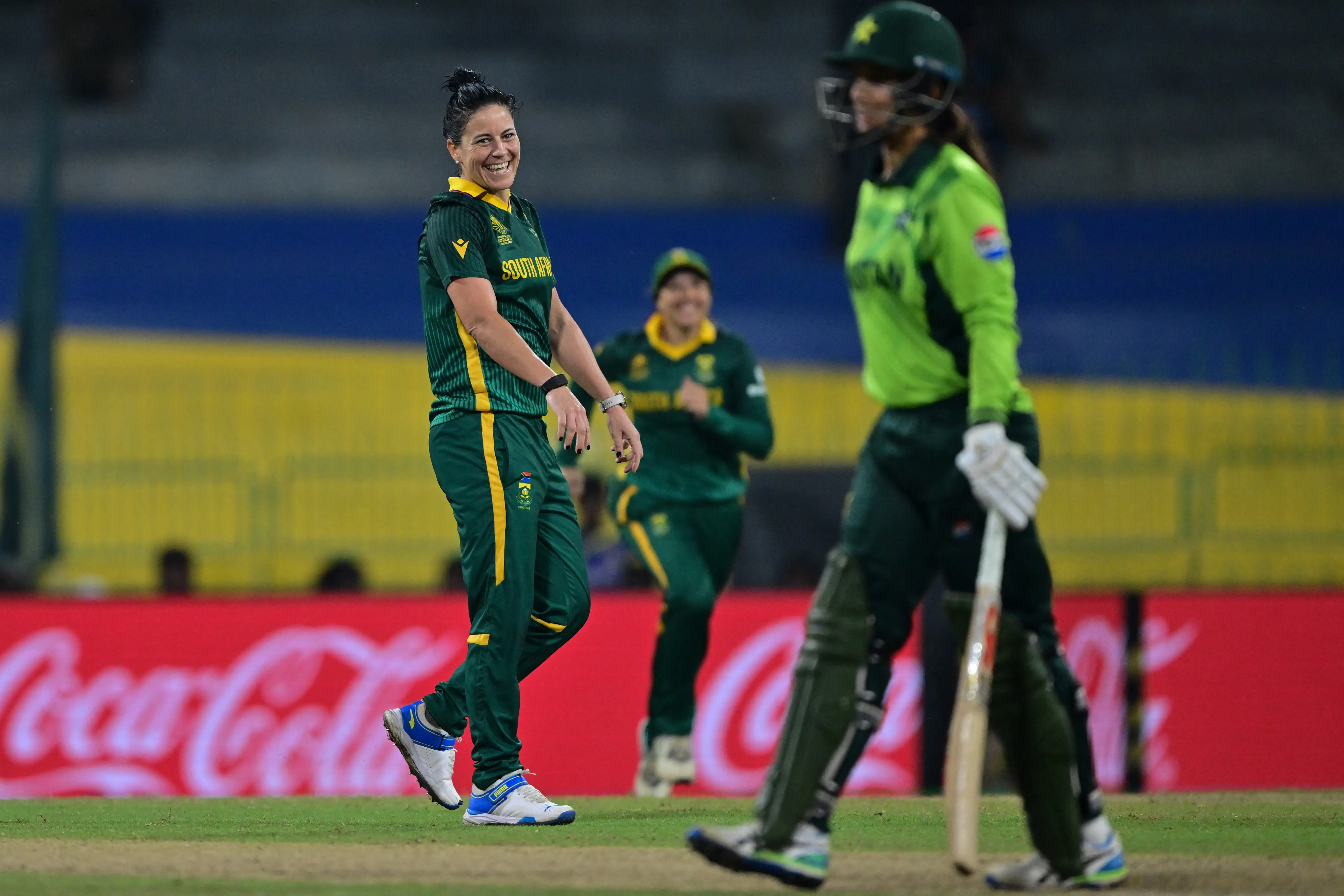
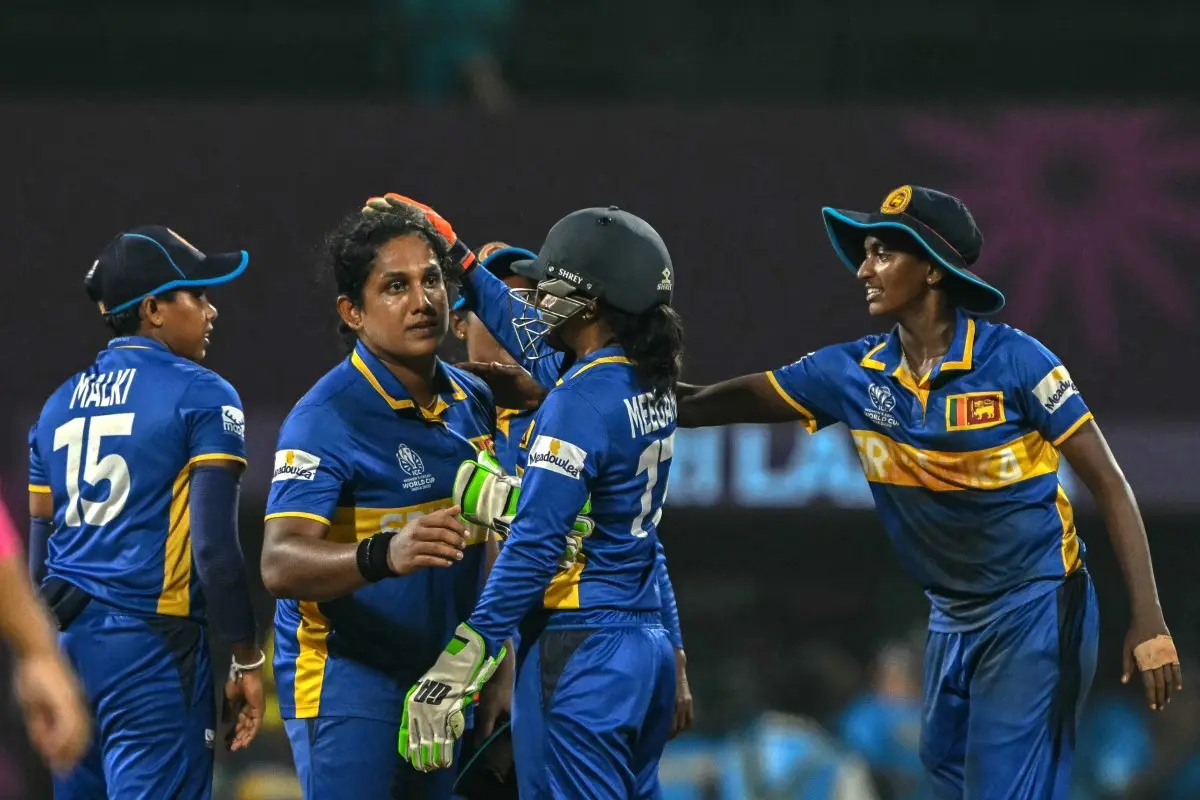
The final week of the league stage of the Women’s ODI World Cup is set for an interesting finale, as three teams can still qualify for the semifinals of the tournament. While Australia, England and South Africa are already in the final four, it is a tight race between India, New Zealand and Sri Lanka that will decide the final semifinal spot. So here’s what all three teams need to do to reach the semifinal clash of the Women’s ODI World Cup 2025.
What is the current scenario?
As mentioned, the trio of Australia, England and South Africa are already through to the semis but will still look to finish on a high in the league stage to carry momentum and avoid unfavourable opponents in the knockouts. On the wrong end of the table, Bangladesh and Pakistan are officially out of the race to reach the semis.
At the time of writing on Wednesday (Oct 22, before the Australia vs England clash), India are fourth in the standings with four points from four matches. Like India, New Zealand also have a similar record of four points from four matches. India edge New Zealand on the points table on Net Run Rate (NRR), having won two matches compared to the BlackCaps’ one. Interestingly, both India and New Zealand go head-to-head on Thursday at the D.Y. Patil Stadium in Navi Mumbai.
India’s qualification scenario
If India win both their remaining matches against New Zealand and Bangladesh, they will qualify for the semis. In case India lose to New Zealand, they must beat Bangladesh on Sunday and hope New Zealand lose to England in their respective final matches. In case India beat New Zealand and lose to Bangladesh, the Women in Blue must hope New Zealand don’t beat England and even if New Zealand do beat England, the margin should not overpower India’s NRR.
Trending Stories
)
&im=FitAndFill=(700,400))
)
&im=FitAndFill=(700,400))
)
)
)
)
&im=FitAndFill=(700,400))
)
)
)
)
)
)
)
&im=FitAndFill=(700,400))
)
)
)
)
)
)
)
)
)
)
)
&im=FitAndFill=(700,400))
)
)
)
)
)
)
New Zealand qualification scenario
Like India, if New Zealand win both their matches, they are through to the semis of the Women’s ODI World Cup. In case New Zealand lose to India in a head-to-head contest, the BlackCaps will need a favour from Bangladesh, hoping they beat India on the final day by a significant margin, while New Zealand themselves should beat England by a significant margin to leapfrog India on the points table on NRR. In case New Zealand beat India but lose to England on the final day, New Zealand would need India to lose against Bangladesh or hope the match ends in a washout.
ALSO READ | From Mithali Raj to Janette Brittin, 5 players with most runs in Women's ODI World Cup history
Sri Lanka’s qualification scenario
Still alive in the competition with a minor chance, Sri Lanka will need a host of favours from others while winning their remaining match against Pakistan. A defeat or a draw due to a washout for Sri Lanka against Pakistan on Friday is not an option, as India and New Zealand are playing in a head-to-head contest. Technically, Sri Lanka need to beat Pakistan by a massive margin that could bring their NRR into positive.
The most desired way of qualification for Sri Lanka remains – Sri Lanka beat Pakistan, India-New Zealand ends in a washout and both India and New Zealand lose their final league matches on Sunday. In this scenario, Sri Lanka will finish on six points while both New Zealand and India end on five points each.