Pak elections 2018: When Pakistan witnessed its second democratic transfer of power since 1947


Pakistan elections
Neighbouring nation Pakistan witnessed high-voltage general elections earlier this year which resulted in cricketer-turned-politician Imran Khan's rise as the South Asian nation's 22nd Prime Minister.
The victory was immensely significant for Khan as he finally achieved his dream of assuming the seat of Pakistan's Wazeer-e-Azam after a political struggle of over two decades.
Khan's Pakistan Tehreek-i-Insaf (PTI), swept the general polls which were conducted on July 25 after which Pakistan's Parliament cleared the way for the 65-year-old Khan to set up a coalition government. Khan's party emerged as the single largest party both in terms of popular vote and seats.

PTI won 116 of the 272 elected seats in the National Assembly.
The party garnered 151 of the 342 seats in the lower chamber of parliament, short of a majority. In the lower house vote, Khan managed to bag 176 votes to defeat Shehbaz Sharif from the outgoing Pakistan Muslim League-Nawaz (PML-N) party, who won 96 votes.
Khan invited independent candidates and smaller parties to support PTI to form a government. Parties like PML (Q), Balochistan Awami Party, Muttahida Qaumi Movement, Balochistan National Party (Mengal), Grand Democratic Alliance, Jamhoori Watan Party and as many as 9 independent candidates extended support to PTI.
&imwidth=180&imheight=135&format=webp&quality=medium)
100,000 strikes in 3 years: How October 7 redefined Israel's war
&im=FitAndFill=(700,400)&imwidth=180&imheight=135&format=webp&quality=medium)
Happy Birthday Rekha: Watch these 7 evergreen Bollywood hits on Netflix, Prime Video and more
&imwidth=180&imheight=135&format=webp&quality=medium)
‘Your people don’t even let us near it’: IAF chief’s blunt response on US F-35; India yet to decide on Russia’s Su-57
&imwidth=180&imheight=135&format=webp&quality=medium)
Real or fake? PIB fact-checks protest videos; Delhi Police clarifies on Gurdwara Bangla Sahib clip
&imwidth=180&imheight=135&format=webp&quality=medium)
Delhi on high alert for CJP protest: Delhi police to use body cams to 'prove whether we did anything’; Pink Force, RAF, 35,000 personnel deployed
&imwidth=180&imheight=135&format=webp&quality=medium)
‘Never-ending flow of cheap labour’: JD Vance hits back at Indian-origin Congresswoman over US green card curbs for major tech companies
&imwidth=180&imheight=135&format=webp&quality=medium)
Panama president declares ‘major disaster’ after powerful 7.7-magnitude earthquake; over 80 aftershocks recorded
&imwidth=180&imheight=135&format=webp&quality=medium)
Why Rajinikanth turned down Baasha 2 and Petta 2 but returned for Jailer 2
&imwidth=180&imheight=135&format=webp&quality=medium)
'Jantar Mantar not the story of India': BJP's Sambit Patra claims 'anarchists' tried to hold Delhi captive
&imwidth=180&imheight=135&format=webp&quality=medium)
BJP MP Ravi Shankar Prasad slams CJP protests, calls it 'shadow boxing for AAP'
&imwidth=180&imheight=135&format=webp&quality=medium)
US midterm elections: Why Zohran Mamdani's influence could become a headache for Democrats and Republicans
&imwidth=180&imheight=135&format=webp&quality=medium)
Riyadh airport hit in missile attack, dozens injured; 5 in intensive care
&imwidth=180&imheight=135&format=webp&quality=medium)
'Spent Rs 2,000 cr to elect Trump': Elon Musk bought US President's loyalty by writing the biggest political cheque in human history
&imwidth=180&imheight=135&format=webp&quality=medium)
Powerful 7.7 magnitude earthquake strikes Panama, tsunami warning issued
&imwidth=180&imheight=135&format=webp&quality=medium)
Elon musk & India clash over Starlink's market entry terms
&imwidth=180&imheight=135&format=webp&quality=medium)
INDIA bloc plans mega protest on Monday amid Delhi crackdown, Wangchuk's warns to launch 'padyatra'
&imwidth=180&imheight=135&format=webp&quality=medium)
Who is Ajinkya Shinde, announced to lead CJP protest after Dipke, Das and Ranka's detention?
&imwidth=180&imheight=135&format=webp&quality=medium)
'Ouch!!! That must hurt': Kangana Ranaut hails Kamal Haasan's sharp reply to Elon Musk over Starlink row
&imwidth=180&imheight=135&format=webp&quality=medium)
‘Right to protest must be protected, but...’: Delhi Police reveals why it denied CJP permission for October 10 Jantar Mantar protest
&imwidth=180&imheight=135&format=webp&quality=medium)
Hamas used double agents, deceived Israel to carry out October 7 massacre
&imwidth=180&imheight=135&format=webp&quality=medium)
NIA files FIR in Flydubai hijack attempt and attack on Smit Machchhar, probes ‘larger conspiracy’
&imwidth=180&imheight=135&format=webp&quality=medium)
Portugal Federation confirms Cristiano Ronaldo’s return to national team despite suspension
&imwidth=180&imheight=135&format=webp&quality=medium)
All 22 Indian seafarers safe in attack on Panama-flagged tanker off UAE coast
&imwidth=180&imheight=135&format=webp&quality=medium)
‘Time for Ukraine to get a new president’: Trump lashes out at Zelensky over Russia strikes
&im=FitAndFill=(700,400)&imwidth=180&imheight=135&format=webp&quality=medium)
Food shortages, suicide attempts and more: USS Abraham Lincoln returns to US after 321 day deployment — What happened aboard the US carrier?
&imwidth=180&imheight=135&format=webp&quality=medium)
Thai queen becomes first reigning monarch to fly jet solothailand #queen #wion
&imwidth=180&imheight=135&format=webp&quality=medium)
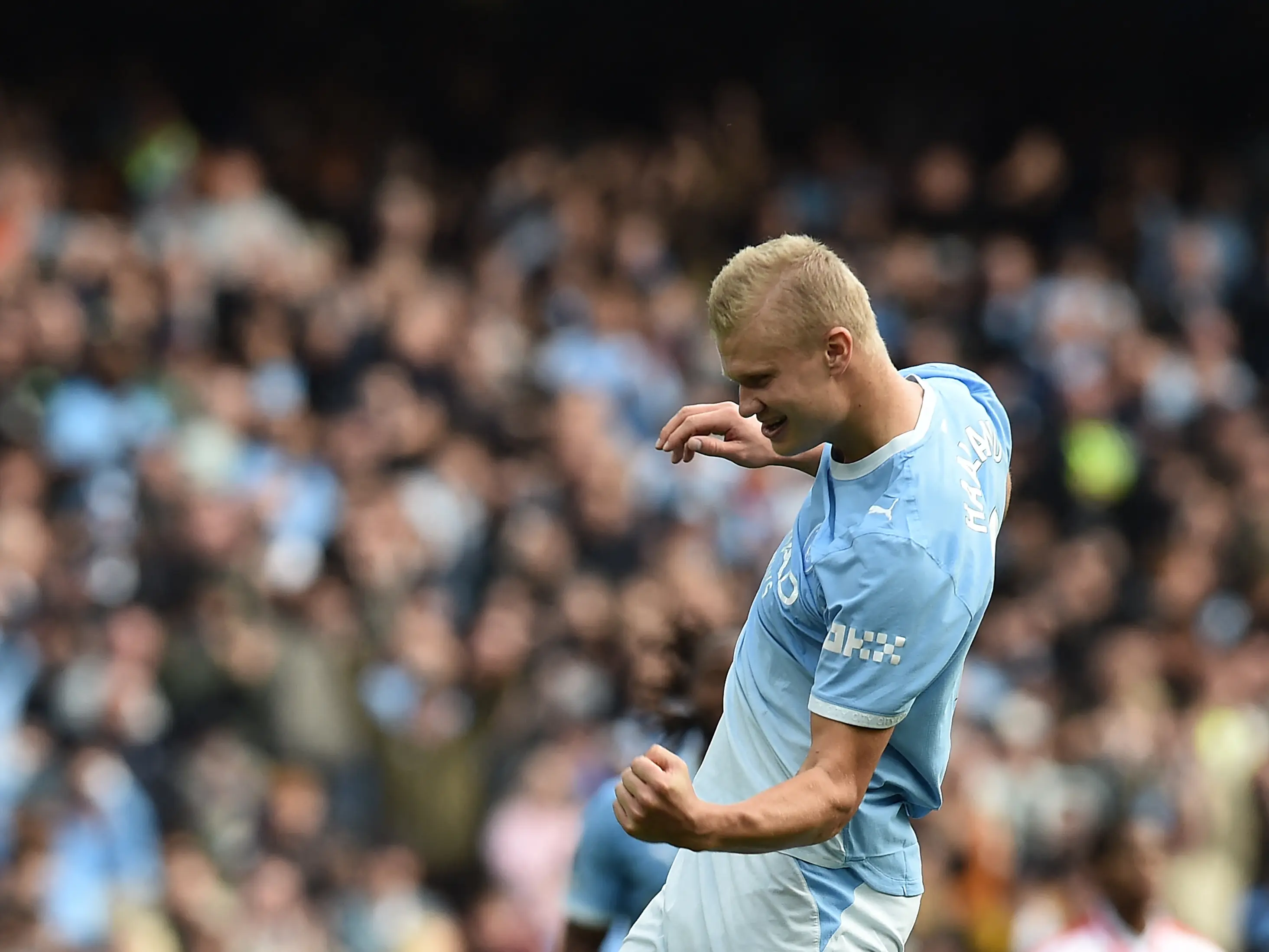
‘Every game against Liverpool is special’: Erling Haaland ahead of Anfield clash
&imwidth=180&imheight=135&format=webp&quality=medium)
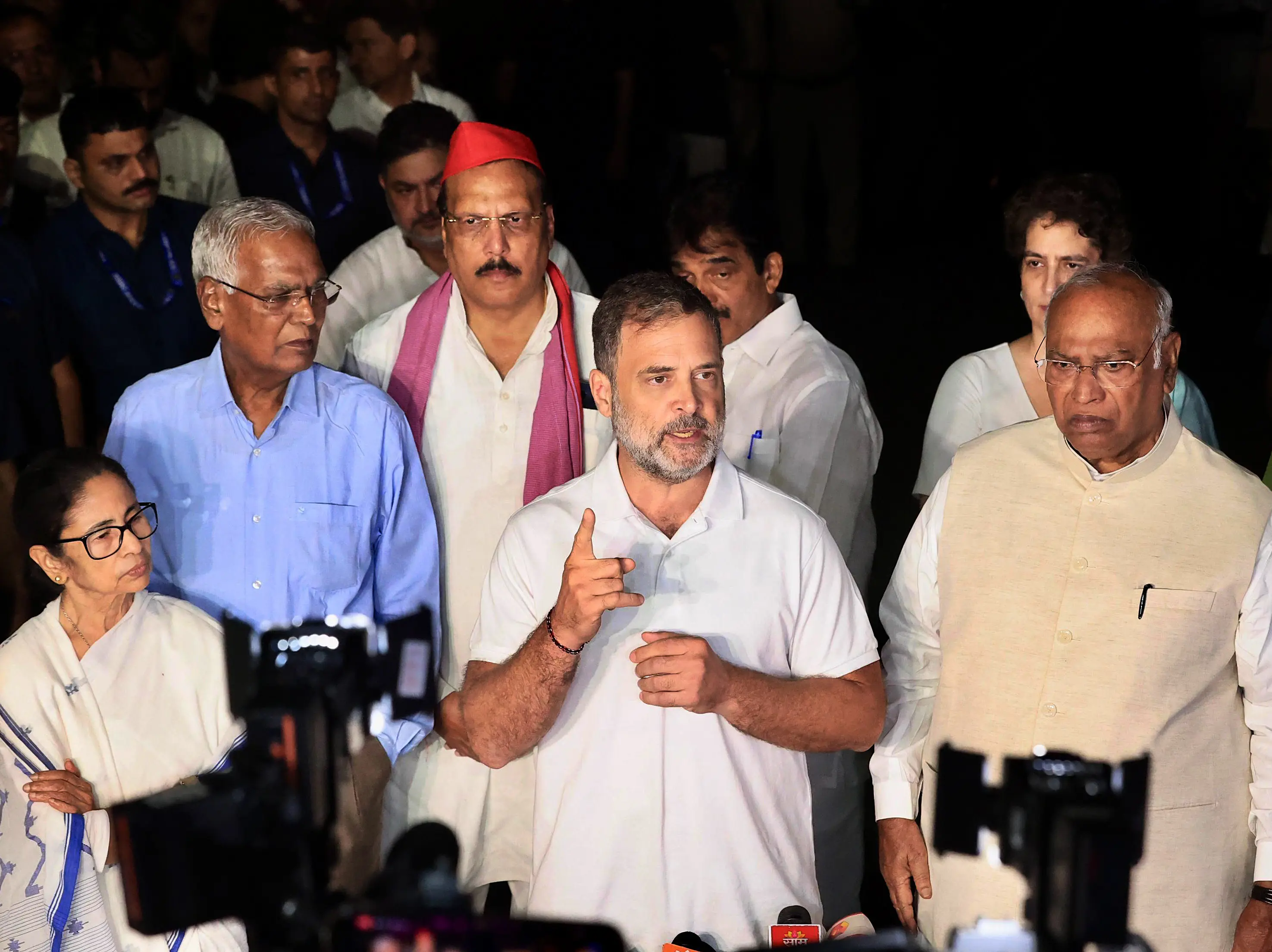
Rahul Gandhi calls Modi, Shah ‘cowards’ amid CJP protest crackdown in Delhi
&imwidth=180&imheight=135&format=webp&quality=medium)
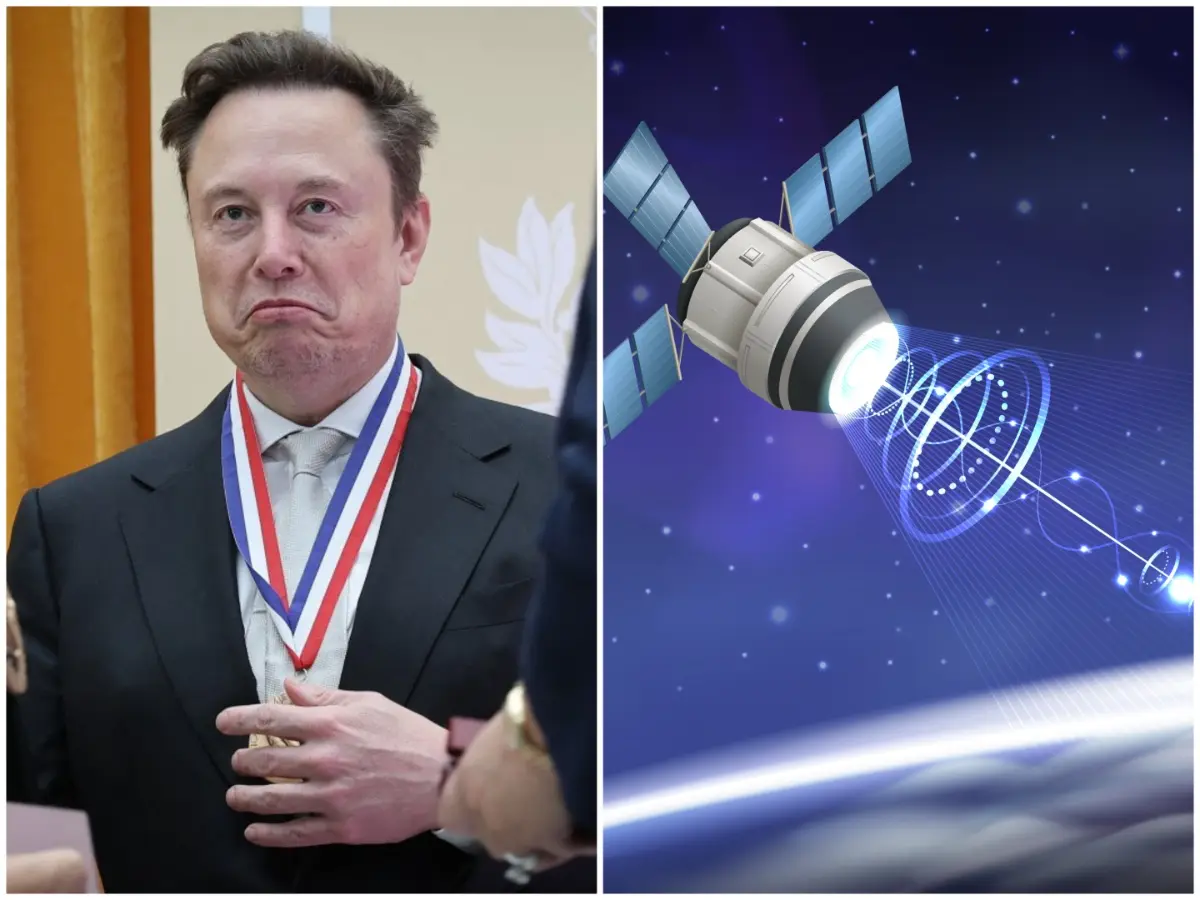
Four years, 3 licenses, zero launch: Why is Elon Musk’s Starlink still struggling to crack Indian market? EXPLAINED
&imwidth=180&imheight=135&format=webp&quality=medium)
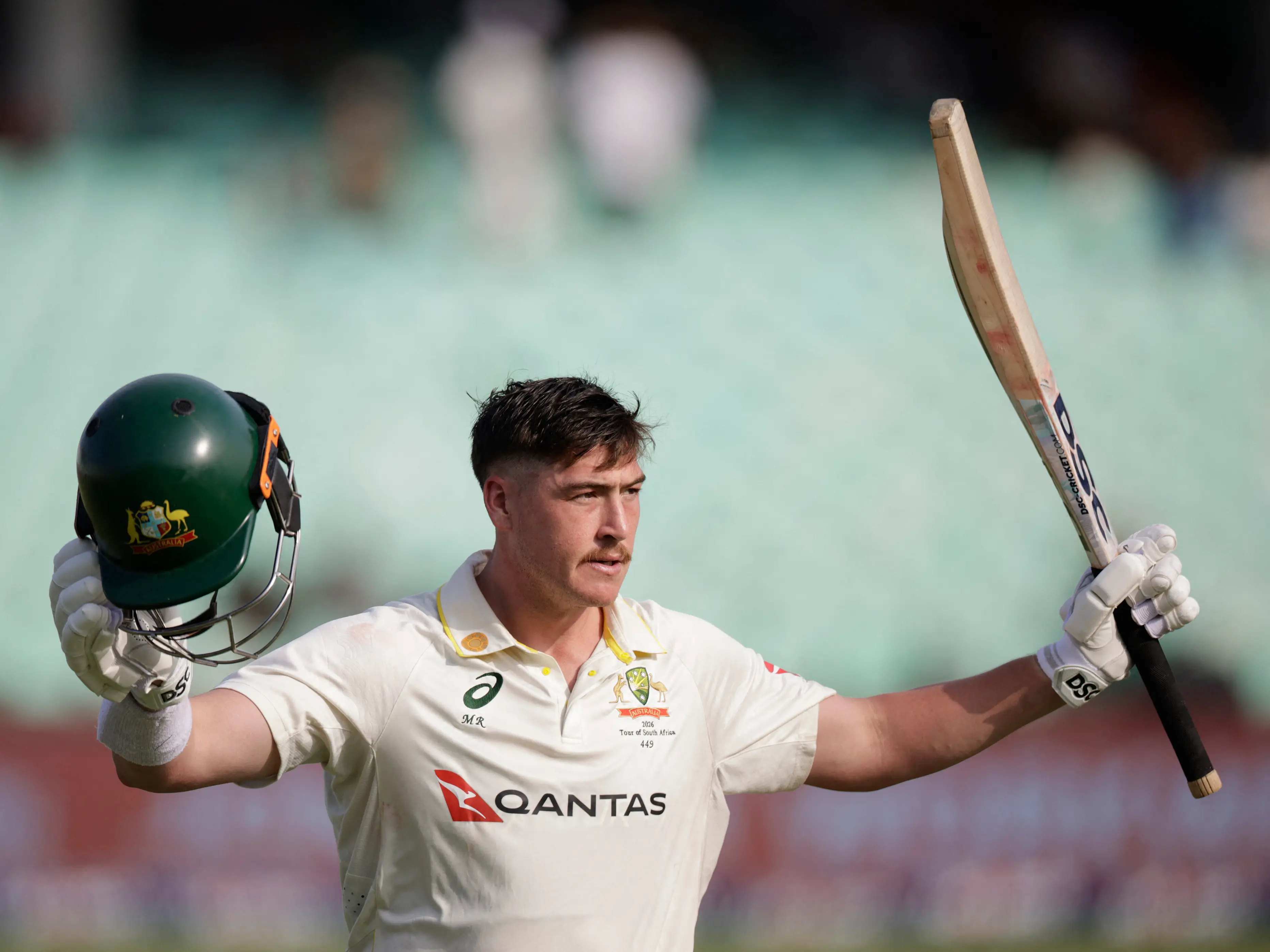
AUS vs SA 1st Test, Day 2: Renshaw shines with 190 as Australia dominate South Africa
&imwidth=180&imheight=135&format=webp&quality=medium)
Why was CJP founder Abhijeet Dipke detained? What Delhi Police said
&imwidth=180&imheight=135&format=webp&quality=medium)
Putin conveys Iran’s proposal to Trump, offers to take Tehran’s enriched uranium
&imwidth=180&imheight=135&format=webp&quality=medium)
'It’s been 12 hours': CJP writes to Delhi Police, demands release of Dipke, Saurav Das and Ranka
This year's election was also significant as it was only the second democratic transfer of power since Pakistan’s 1947 independence. It came at a time when relations with on-off ally the United States are fraying over alleged Pakistani support for militants waging war in Afghanistan. Islamabad denies aiding insurgents.
No Pakistani premier has ever completed a five-year term in office, including Sharif, whose most recent stint in power was ended by the Supreme Court last year.
Sharif, who was jailed over corruption accusations several weeks before the election, saw his second stint in power ended by a military coup in 1999.
Khan's grand success in the election ended decades of political dominance by two dynastic powerhouses, the PML-N of three-time premier Nawaz Sharif, and the Pakistan Peoples Party (PPP), founded and led by the Bhutto family.
2018 Pakistan general elections were marred by allegations of rigging levelled by Opposition parties. The parties alleged that Khan’s path to power was made easier by the tacit support of the powerful military, which has ruled Pakistan for nearly half its history. The army and Khan’s PTI denied any collusion.
Khan shot back that he had “struggled 22 years” to become premier. “No military dictator raised me. I got here on my own.”
After assuming office as Pakistan's Prime Minister, Khan, a firebrand nationalist, promised to create millions of jobs and build world-class hospitals and school systems in the mainly-Muslim country of 208 million people.
Imran Khan has gaping challenges staring him in the face. Putting Pakistan's dwindling economy back on track is one of his biggest challenges -- to get an International Monetary Fund (IMF) bailout to ease currency pressures, else seek support from China and risk deepening Pakistan’s economic dependence on its neighbour.
Smoothening ties with India and the United States is another.