KP Sharma Oli takes oath as Nepal prime minister for fourth time after fall of Prachanda government


KP Sharma Oli
Khadga Prasad Sharma Oli took oath as the prime minister of Nepal for the fourth time at a special function at the president's office in the capital city of Kathmandu on Monday (Jul 15).Alongside Oli, two deputy prime ministers and 19 ministers took the oath of office.
Oli, leader of the largest communist party in the Himalayan nation, was named the PM, following the collapse of the coalition government. He succeeds Pushpa Kamal Dahal Prachanda who lost the vote of confidence in the House of Representatives last Friday (Jul 12), leading to the formation of the new government as per Article 76 (2) of the Constitution.
In the 275-member House, 138 is the minimum number required to run a government. Oli managed to submit signatures of 166 lawmakers in his support (Congress' 88 and UML's 78) to stake the claim.

Oliis widely seen as being pro-China,and Kathmandu’s ties with Beijing are expected to become closer in his tenure, the news agency PTI reported.
Modi congratulates new Nepal PM
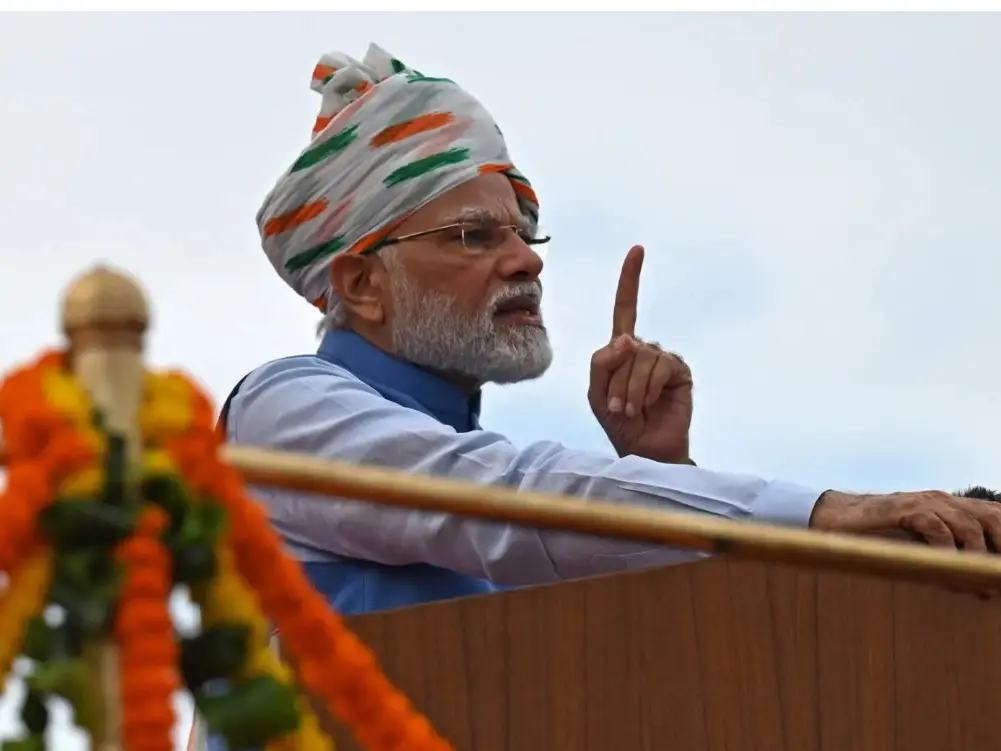
In a post on X, Indian Prime Minister Narendra Modi congratulated Oli. "Look forward to working closely to further strengthen the deep bonds of friendship between our two countries and to further expand our mutually beneficial cooperation for the progress and prosperity of our peoples," Modi said.
&im=FitAndFill=(700,400)&imwidth=180&imheight=135&format=webp&quality=medium)
Priyanka Chopra to Shilpa Shetty: 6 Bollywood actresses and their fitness secrets
&imwidth=180&imheight=135&format=webp&quality=medium)
Ramayana advance booking: Ranbir Kapoor, Yash's film cross $500K ahead of Diwali release
&imwidth=180&imheight=135&format=webp&quality=medium)
AUS vs SA: Boland grabs opportunity with both ends to help Australia dominate
&imwidth=180&imheight=135&format=webp&quality=medium)
‘Nuclear-use decision should be taken by humans’: India flags AI risks at UN
&imwidth=180&imheight=135&format=webp&quality=medium)
Two Indians among 28 arrested in California over alleged voter registration fraud, DOJ says
&imwidth=180&imheight=135&format=webp&quality=medium)
'It's a joy to see the makers bring it on such a grand scale': SS Rajamouli on Ramayana
&imwidth=180&imheight=135&format=webp&quality=medium)
Pujara says 'Samson and Vaibhav cannot be in Playing XI' for India on NZ tour
&imwidth=180&imheight=135&format=webp&quality=medium)
Indian Air Force turns to homegrown firefighting robot developed under iDEX programme
&imwidth=180&imheight=135&format=webp&quality=medium)
PCB omits Atherton, Hussain from tri-series commentary panel over Imran Khan interview row
&im=FitAndFill=(700,400)&imwidth=180&imheight=135&format=webp&quality=medium)
New OTT releases this week (October 19-25, 2026): Gajab Raat to Chaar Yaar-8 titles to watch during Dussehra week on Netflix, Prime Video and more
&imwidth=180&imheight=135&format=webp&quality=medium)
Flying car race: Alef Aeronautics welcomes Tesla Roadster '11 years' later, but are the two models the same?
&imwidth=180&imheight=135&format=webp&quality=medium)
'Whatever I can do to end this war': Trump floats China Summit with Putin and Xi, questions Zelensky's role in peace talks
&imwidth=180&imheight=135&format=webp&quality=medium)
Kim Jong Un death rumours: State media shares photos to prove dictator is alive amid reports of brain haemorrhage
&imwidth=180&imheight=135&format=webp&quality=medium)
US midterms 2026: From Pooja Sethi to Vivek Ramaswamy, here are Indian-origin candidates to watch out for
&imwidth=180&imheight=135&format=webp&quality=medium)
Mariah Carey wins $20 million legal battle over brother’s defamation lawsuit against her bestselling memoir
&imwidth=180&imheight=135&format=webp&quality=medium)
Far-left parties, global networks among 54 groups linked to France protests, only 16 are youth outfits: Report
&imwidth=180&imheight=135&format=webp&quality=medium)
Feds obtain DNA evidence that could prove Ilhan Omar married her brother: Report
&imwidth=180&imheight=135&format=webp&quality=medium)
Dussehra 2025: Why is Ravana not burnt but worshipped in these places of India?
&imwidth=180&imheight=135&format=webp&quality=medium)
'We feel like Mr India': Gujarat’s undercover SHE team guard garba nights at Navratri
&imwidth=180&imheight=135&format=webp&quality=medium)
Baby orangutan rescued in India returns to Indonesia
&imwidth=180&imheight=135&format=webp&quality=medium)
Prince Harry, Meghan Markle never accepted Queen Elizabeth’s terms for royal exit: Report
&imwidth=180&imheight=135&format=webp&quality=medium)
India moves to buy 10,000 more AI chips for a national compute pool open to startups
&im=FitAndFill=(700,400)&imwidth=180&imheight=135&format=webp&quality=medium)
Ghaziabad is world's fastest-growing city; Surat, Patna, Rajkot also feature on list
&imwidth=180&imheight=135&format=webp&quality=medium)
Netanyahu rival Benny Gantz quits Israel election race, vows to push for unity government
&imwidth=180&imheight=135&format=webp&quality=medium)
Pete Hegseth meets Benjamin Netanyahu during unannounced visit to Israel ahead of election
&imwidth=180&imheight=135&format=webp&quality=medium)
India begins National Red List Assessment of 1,211 bird species to boost conservation
&imwidth=180&imheight=135&format=webp&quality=medium)
Dark fantasy, violence, adult themes: BBFC data reveals animation's shift towards older audiences
&im=FitAndFill=(700,400)&imwidth=180&imheight=135&format=webp&quality=medium)
What is the real meaning behind Pete Hegseth's tattoos?
&imwidth=180&imheight=135&format=webp&quality=medium)
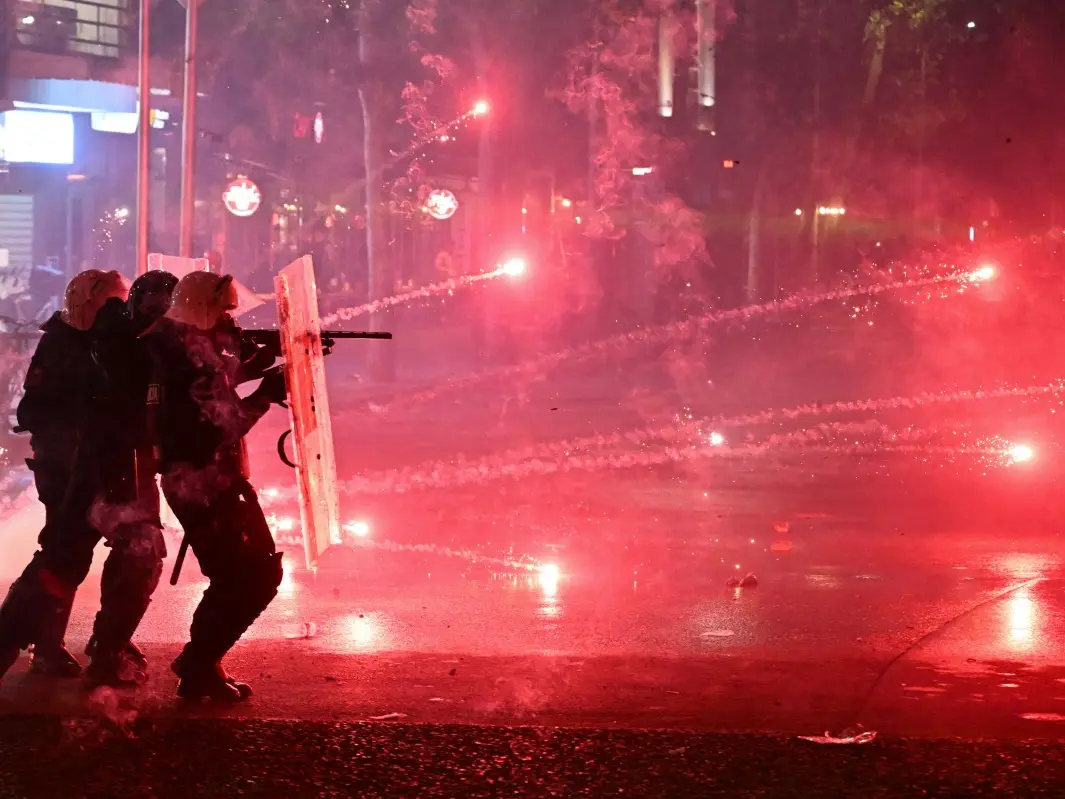
WATCH | Albania protesters set Supreme Court on fire as anti-Rama riots escalate
&imwidth=180&imheight=135&format=webp&quality=medium)
Trump calls on New Mexico to become 'New America', claims 'home values and incomes would rise'
&imwidth=180&imheight=135&format=webp&quality=medium)
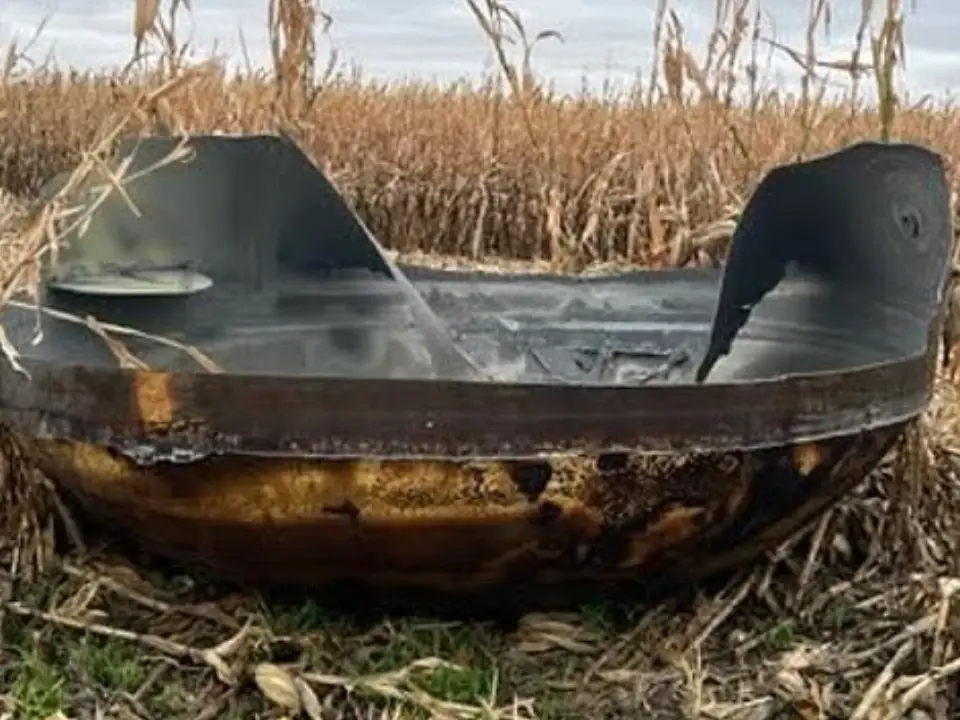
'They are not even telling us' - Mysterious metallic object discovered in Minnesota field
&imwidth=180&imheight=135&format=webp&quality=medium)
US Midterm 2026: What do opinion polls and prediction markets say less than two weeks before voting
&imwidth=180&imheight=135&format=webp&quality=medium)
Cattle-feed bran in biscuits, detergent in milk: FSSAI acts against 3 companies
&imwidth=180&imheight=135&format=webp&quality=medium)
WATCH | Japan launches historic mission to collect samples from Mars' moon Phobos
&imwidth=180&imheight=135&format=webp&quality=medium)
Shastri backs Shami comeback; lauds Bhuvi and warns Bumrah on format workload ahead of World Cup
In response, the newNepal PM said, "Thank you, Prime Minister Narendra Modi, for your warm congratulations. I am committed to working closely with you to strengthen Nepal-India relations for our mutual benefit. Together, we can elevate our historic ties to new heights."
Breakup of the new government:
KP Sharma Oli: Prime Minister
Of the 21 ministers, 10 are from Congress, eightfrom UML, twofrom JSP and onefrom LSP
Congress
- Ramesh Lekhak- Ministry of Home Affairs
- Arzu Rana Deuba- Ministry of Foreign Affairs
- Pradip Paudel - Ministry of Health and Population
- Ajay Kumar Chaurasiya - Ministry of Law, Justice and Parliamentary Affairs
- Badri Prasad Pandey - Ministry of Culture, Tourism and Civil Aviation
- Deepak Khadka- Energy, Water Resources and Irrigation
- Prakashman Singh- Deputy PM & Ministry o Urban Development
- Ain Bahadur Shahi- Ministry of Forest and Environment
- Ramnath Adhikari- Ministry of Agriculture and Livestock
- Tejulal Chaudhary-Ministry of Youth and Sports
UML
- Bishnu Poudel- Deputy PM & Finance Ministry
- Prithvisubba Gurung- Ministry of Communication and Information Technology
- Manbeer Rai- Ministry of Defense
- Devendra Dahal- Physical infrastructure
- Raj Kumar Gupta- Federal Affairs and General Administration
- Bidya Bhattarai- Education, Science and Technology
- Balram Adhikari- Land management, cooperatives and poverty alleviation
- Damodar Bhandari- Industry, Commerce and Supply
Loktantrik Samajbai Party (LSP)
- Sharat Singh Bhandari - Ministry of labour, Employment and Social Security
Janata Samajbadi Party (JSP)
- Nawal Kishore Sah Sudi - Ministry of Women, Children & Social Welfare
- Pradeep Yadav- Ministry of Drinking Water
Oli's biggest challenge will now be in maintaining its relationship with India as well as China. Oli's previous stint saw him in a standoff with New Delhi after his government published a new map of Nepal that included Kalapani, Limpiyadhura and Lipulekh as its territories.
(With inputs from agencies)