China wants to isolate India but can't afford to ignore Indian market

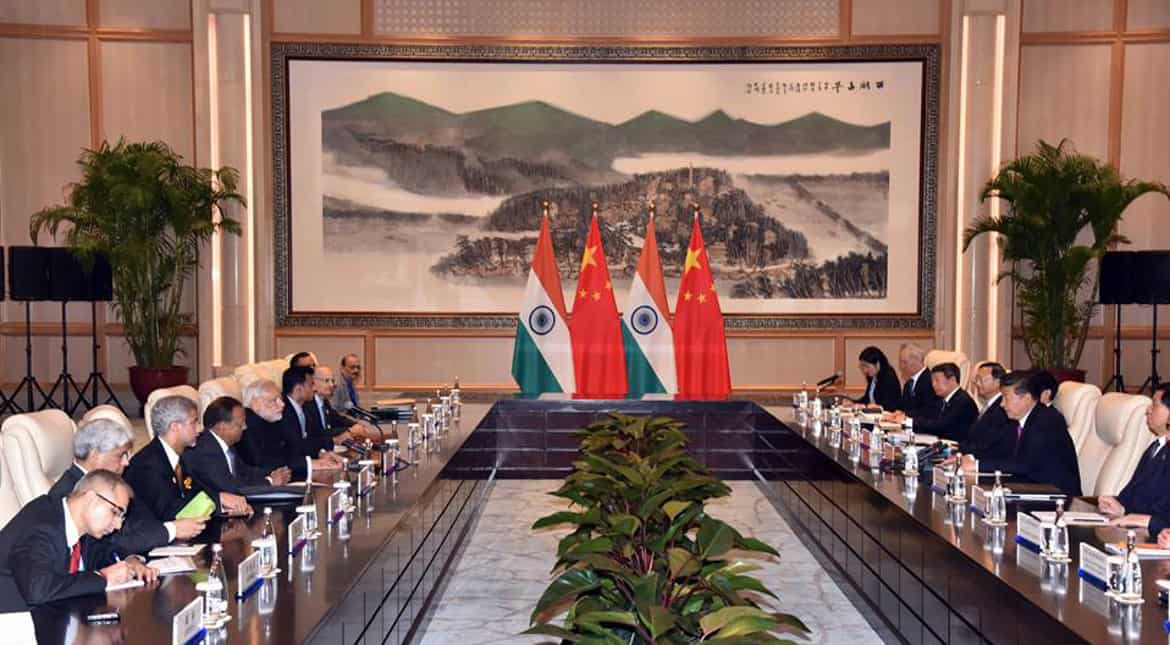
China & India meeting
Post-Doklam, South-east Asian states can stop bowing to China and build alliances that can help strengthen their own security and independence.
TheDoklamstandoff has underscored that India still lives under the shadow of the 1962 war, says a former Indian army corps commander who served in Sikkim. In his view, the manner in which the incident ballooned—its non-stop media coverage—and thegrand designs attributed to themandarins in Beijing by experts of various persuasionssuggests that suspicions aboutChina's intentions run very deep.
He believes astandoff in some godforsaken corner of their borderis too small an issue toexcite China's national leadership. If it is to teach India a lesson, there are other ways this can and has been done: some would say India's adverse trade balance with China, its inability to effectively counter China in the region, the stark disparities in development and income levels between the two countries has offered daily lessons for India.
But this very obvious economic and strategic asymmetry may be constant reminders in India of themilitaryasymmetry that alsoprevails. While nobody can denyIndia'smilitary has undergonemajortransformation since 1962, and infrastructure while still developing has improved, the Chinese not only present larger forcelevels, they can also move them faster and more efficiently giventhe phenomenal infrastructure they have invested in.

It largely explains India's measured and limited response to Chinese fulminations, official and otherwise, as well astheir intemperate name calling. Clearly, thenational security bureaucracy saw no purpose inbaiting the dragon, at least not now.
&imwidth=180&imheight=135&format=webp&quality=medium)
Rahul Gandhi's plea against Election Commission delayed as Supreme Court registry flags 14 ‘defects’
&im=FitAndFill=(700,400)&imwidth=180&imheight=135&format=webp&quality=medium)
Navratri 2026: 9 days, 9 forms of Goddess Durga and 9 colours- Check the complete list
&imwidth=180&imheight=135&format=webp&quality=medium)
Korean peninsula tensions escalate as North Korea launches multiple ballistic missiles, PACOM says 'no threat to US personnel'
&imwidth=180&imheight=135&format=webp&quality=medium)
Trump weighs firing Kimberly Guilfoyle as US ambassador to Greece amid misconduct allegations: Report
&imwidth=180&imheight=135&format=webp&quality=medium)
Anti-SIR protest in Mumbai: Protestors wear black masks & ribbons in Mumbai
&imwidth=180&imheight=135&format=webp&quality=medium)
UK PM Andy Birnham renews claims of Russian meddling in Brexit vote
&imwidth=180&imheight=135&format=webp&quality=medium)
BCCI rejects venue shift reports, India vs Sri Lanka 1st ODI to remain in Delhi
&imwidth=180&imheight=135&format=webp&quality=medium)
'Absolutely disgusting': Australia slams US plan to livestream Nidal Hasan's execution; Mike Johnson raises concerns, warns of terrorist propaganda
&imwidth=180&imheight=135&format=webp&quality=medium)
1,500 drones illuminate Mumbai sky as Cordelia Cruises unveils second ship, Cordelia Sky
&imwidth=180&imheight=135&format=webp&quality=medium)
Houthis warns US of 'painful response' if Washington joins Saudi war in Yemen as airlines suspend flights to Saudi Arabia
&imwidth=180&imheight=135&format=webp&quality=medium)
Congress demands action against chief election commissioner
&imwidth=180&imheight=135&format=webp&quality=medium)
'Turn approver, resign, we'll forgive you': Rahul Gandhi claims receiving messages from CEC Gyanesh Kumar
&imwidth=180&imheight=135&format=webp&quality=medium)
'I will not be silenced': Ilhan Omar alleges political intimidation after federal officers search her Washington home
&imwidth=180&imheight=135&format=webp&quality=medium)
Robotic surgery, advanced treatment: What is coming to this small Gujarat town?
&imwidth=180&imheight=135&format=webp&quality=medium)
Pakistan's government blames PTI for rise of terrorism in Khyber Pakhtunkhwa
&imwidth=180&imheight=135&format=webp&quality=medium)
‘This is just the start’: Maaya Rajeshwaran on historic ITF title, confidence boost and future goals
&im=FitAndFill=(700,400)&imwidth=180&imheight=135&format=webp&quality=medium)
How does a robot decide what to do next?
&imwidth=180&imheight=135&format=webp&quality=medium)
Trump says he 'may' meet North Korean leader Kim Jong Un during upcoming Asia trip
&imwidth=180&imheight=135&format=webp&quality=medium)
'Ouch!!! That must hurt': Kangana Ranaut hails Kamal Haasan's sharp reply to Elon Musk over Starlink row
&imwidth=180&imheight=135&format=webp&quality=medium)
Sidhu Moose Wala’s younger brother wins hearts by recreating late singer’s signature move at Toronto Hologram Show
&imwidth=180&imheight=135&format=webp&quality=medium)
Girl 'dead' for 8 hours wakes up at her own funeral, dad insists she wasn't breathing
&imwidth=180&imheight=135&format=webp&quality=medium)
UK school ditches technology, shifts from screen to pen and paper for learning
&imwidth=180&imheight=135&format=webp&quality=medium)
Opposition’s 10 demands in Supreme Court petition range from stay on SIR to audit of voter rolls
&imwidth=180&imheight=135&format=webp&quality=medium)
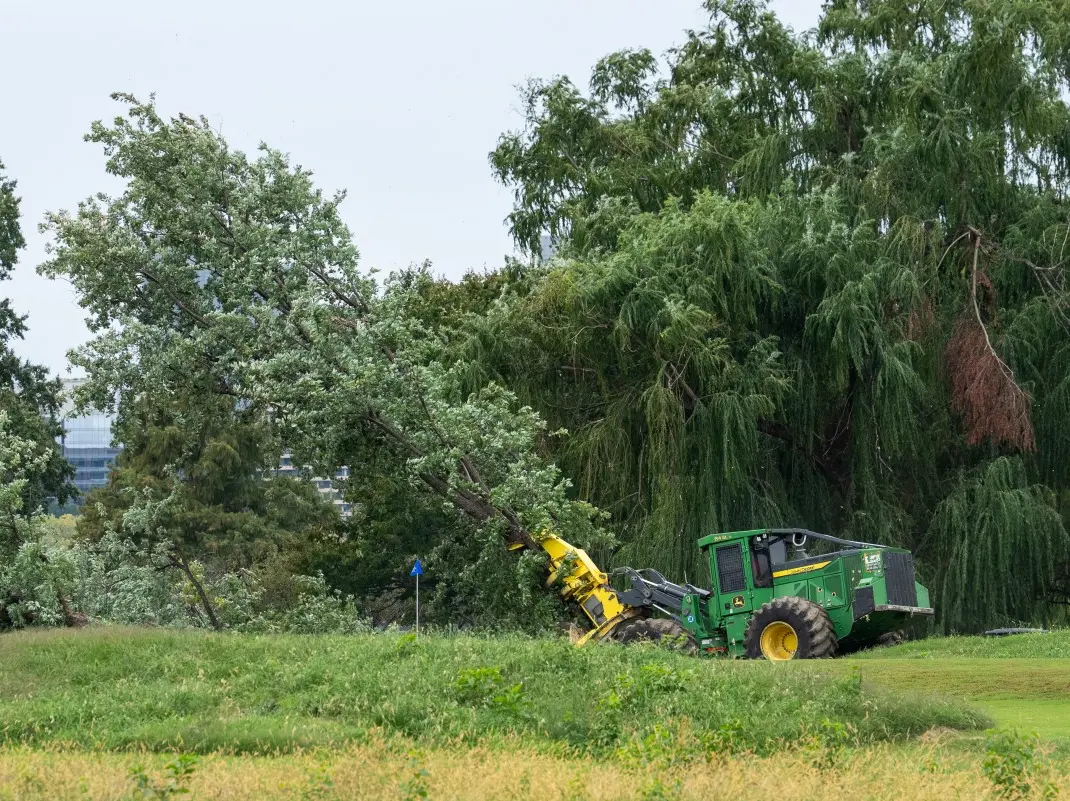
'I am thoroughly unamused': Judge slams Trump administration after 400 trees cut at Washington golf course
&im=FitAndFill=(700,400)&imwidth=180&imheight=135&format=webp&quality=medium)
New OTT releases this week (October 12-18, 2026): Sacrifice, Koffee with Karan S9, Roadies Rebirth- 6 titles coming on Netflix, JioHotstar and more
&imwidth=180&imheight=135&format=webp&quality=medium)
Delhi protest: CJI Surya Kant declines to meet India Bloc leaders
&imwidth=180&imheight=135&format=webp&quality=medium)
China’s gold rush puts billion in focus
&imwidth=180&imheight=135&format=webp&quality=medium)
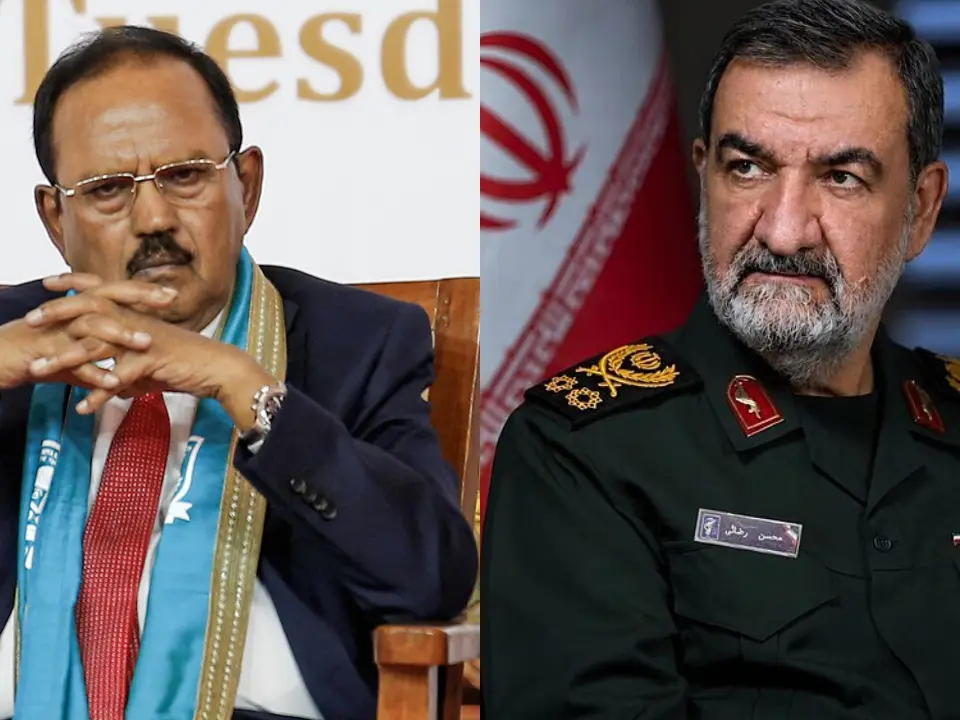
India's Ajit Doval, Iran's Mohsen Rezaei hold talks amid escalating West Asia tensions, discuss 'issues of mutual interest'
&imwidth=180&imheight=135&format=webp&quality=medium)
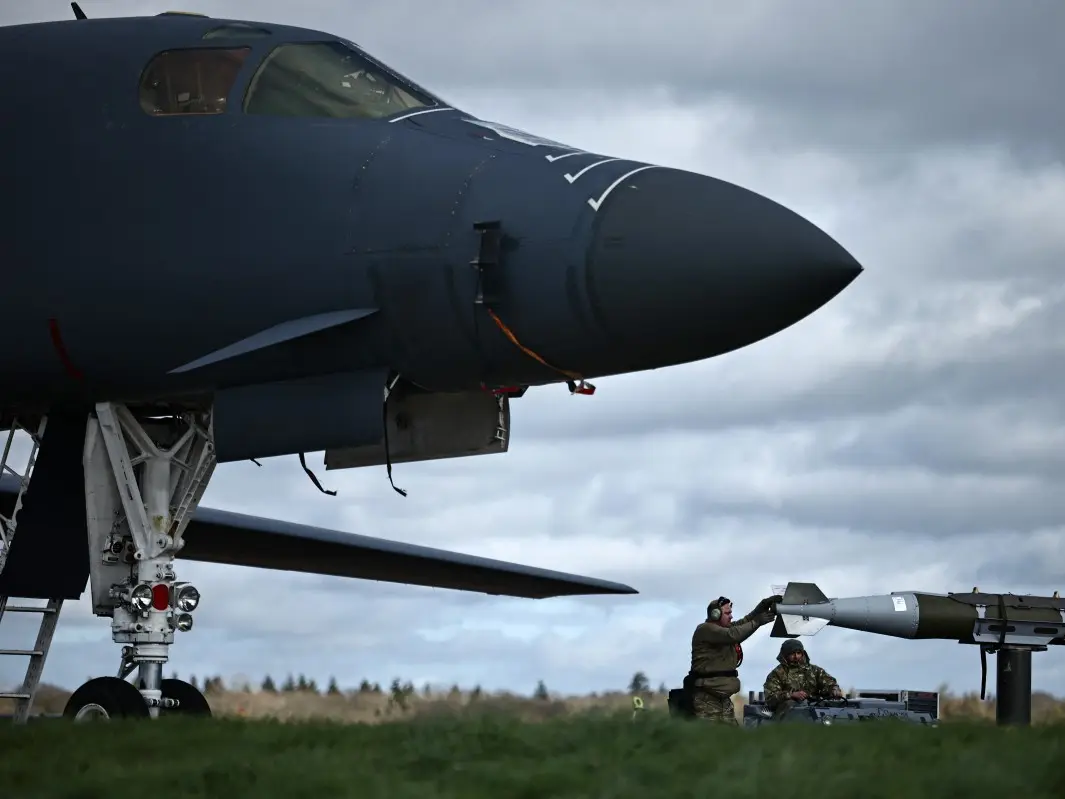
'Almost certainly': UK Prime Minister Andy Burnham says Iran's IRGC behind RAF Fairford threat
&imwidth=180&imheight=135&format=webp&quality=medium)
Elon Musk pumps $276 million into Republican campaigns ahead of US midterm elections
&imwidth=180&imheight=135&format=webp&quality=medium)
'Never met' him: Melbourne Imam denies links to Flydubai co-pilot Hamam al-Hammami
Aformer intelligence official says India will shake off this mindsetthe day we give China abloody nose! He says India needs to defeat China militarily, 1962 must be avenged if India is to come out of this psychological straitjacket.
All that for later if at all. There's talk of China neither forgiving nor forgetting their loss of face inDoklamandretaliating maybe after the BRICS summit in Xiamen is over. What form of retaliation? Some say it could be more transgressions along parts of the Line of Actual Control, pitching tents, refusing to move. We've seen this before, small changes.
What some find more worrying is thepossibility of China doing aDoklamon India. There are at least two tri-junctions where India has territorial disagreements withthe neighbours: One is in theKalapaniarea which isthe tri-junction of Nepal, India and China. Another is a sliver of territory disputed by Myanmar, andIndia with China forming the third angle of the tri-junction. In that sense, China's warnings to India in this regard need to be taken seriously.
Also,Arunachal Pradesh. Forget the seven main valleys which India closely monitors. There are scores ofothersmaller valleys and passes through which China can infiltrate. If the aim is to retaliate, create trouble, China has a range of options open.
China is already probing India's soft underbelly, promising toinvest 50 billion dollars or more in Pakistan; other reports said China had offered tiny Bhutan 10 billion dollars to back them onDoklam; China hasovertaken India as the largest aid giver toNepal; it's giving Bangladesh two submarines!
There is a view that China is actively discouraging investment by Chinese companies in India. The argument is, why help build theIndianeconomy? Current levels of Chinese FDI are quite low, less than five billion dollars. The future doesn't look good amid reports of India levying tariffs on Chineseimports,and falling sales of Chinese mobile phones.
But there's always a silver lining. China cannot ignore the Indian market, nor can it afford to not engage with India as it pushes ties with Japan and the US.Doklamcould also be the trigger forSouth-east Asian states to stop bowing to the dragon and build alliances that can help strengthen their own security and independence. Watch this space for more on the post-Doklam scenario.