What’s in water? Sharks near Bahamas found with Cocaine & Caffeine in blood, study reveals

&imwidth=600&imheight=450&format=webp&quality=medium "What’s in water? Sharks near Bahamas found with Cocaine & Caffeine in blood, study reveals")
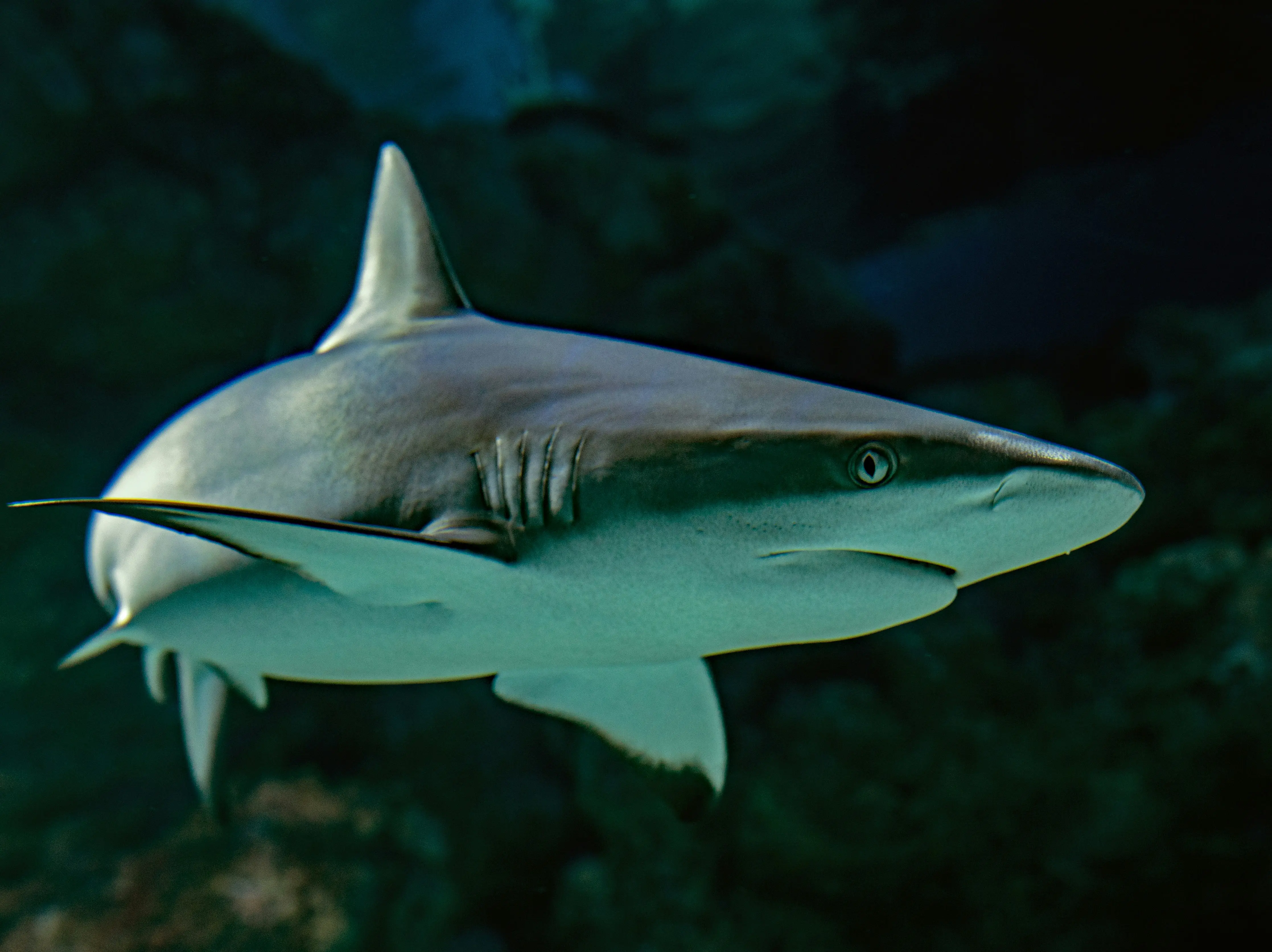
Representative image. Photograph: (Unsplash)
A biologist with the Federal University of Parana said the traces of the drug could reach marine environments through water currents carrying sewage or other water. However, he suggested that divers are the most likely source of sharks being exposed to these substances.
Researchers in their new study have detected Caffeine, cocaine, and painkillers, among other drugs, in the blood of sharks swimming near the coast of the Bahamas. The team led by biologist Natascha Wosnick found after analysing blood samples from 85 sharks near Eleuthera Island. Out of these, nearly one-third have tested positive for caffeine, anti-inflammatory drugs like acetaminophen and diclofenac, and in one case, cocaine.
"This represents the first report concerning contaminants of emerging concern (CEC) and potentially associated physiological responses in sharks from The Bahamas, pointing to the urgent need to address marine pollution in ecosystems often perceived as pristine," the study published in the journal Environmental Pollution confirmed.
Are divers the main culprit?
A biologist with the Federal University of Parana, identified as Wosnick, said the traces of the drug could reach marine environments through water currents carrying sewage or other water. However, he suggested that divers are the most likely source of sharks being exposed to these substances. Most of the sharks studied were found near an inactive fish farm that is frequently visited by divers.
“It's mostly because people are going there, peeing in the water and dumping their sewage in the water,” Wosnick said, ScienceNews reported. "They bite things to investigate and end up exposed [to substances]," added Wosnick.
In addition to detecting pharmaceuticals and cocaine, researchers observed changes in the sharks’ metabolic markers. While it is still uncertain whether these changes are harmful, they could potentially influence the animals’ behaviour.
Trending Stories
&imwidth=280&imheight=210&format=webp&quality=medium)
&imwidth=280&imheight=210&format=webp&quality=medium)
&imwidth=280&imheight=210&format=webp&quality=medium)
&imwidth=280&imheight=210&format=webp&quality=medium)
&imwidth=280&imheight=210&format=webp&quality=medium)
&imwidth=280&imheight=210&format=webp&quality=medium)
&imwidth=280&imheight=210&format=webp&quality=medium)
&imwidth=280&imheight=210&format=webp&quality=medium)
&imwidth=280&imheight=210&format=webp&quality=medium)
&imwidth=280&imheight=210&format=webp&quality=medium)

&imwidth=280&imheight=210&format=webp&quality=medium)
&imwidth=280&imheight=210&format=webp&quality=medium)
&imwidth=280&imheight=210&format=webp&quality=medium)
&imwidth=280&imheight=210&format=webp&quality=medium)
&imwidth=280&imheight=210&format=webp&quality=medium)
&imwidth=280&imheight=210&format=webp&quality=medium)
&imwidth=280&imheight=210&format=webp&quality=medium)
&imwidth=280&imheight=210&format=webp&quality=medium)
&im=FitAndFill=(700,400)&imwidth=280&imheight=210&format=webp&quality=medium)
&imwidth=280&imheight=210&format=webp&quality=medium)
&imwidth=280&imheight=210&format=webp&quality=medium)
&imwidth=280&imheight=210&format=webp&quality=medium)
&imwidth=280&imheight=210&format=webp&quality=medium)
&imwidth=280&imheight=210&format=webp&quality=medium)
&imwidth=280&imheight=210&format=webp&quality=medium)
&imwidth=280&imheight=210&format=webp&quality=medium)
&im=FitAndFill=(700,400)&imwidth=280&imheight=210&format=webp&quality=medium)
&imwidth=280&imheight=210&format=webp&quality=medium)
&imwidth=280&imheight=210&format=webp&quality=medium)
&imwidth=280&imheight=210&format=webp&quality=medium)
&imwidth=280&imheight=210&format=webp&quality=medium)
&imwidth=280&imheight=210&format=webp&quality=medium)
&im=FitAndFill=(700,400)&imwidth=280&imheight=210&format=webp&quality=medium)
&imwidth=280&imheight=210&format=webp&quality=medium)
&im=FitAndFill=(700,400)&imwidth=280&imheight=210&format=webp&quality=medium)
"The very limited information on how CECs interact with the unique physiology and detoxification systems of elasmobranchs (sharks) represents a major barrier to assessing ecological risks and population-level impacts, hindering the development of effective conservation strategies for this already high-at-risk group," the study authors stated.

